
Everyday rip-offs persist because consumers gradually accept them. The irritation remains, but what people consider “normal” shifts over time. Charges that once would have met with outrage now barely cause a reaction at checkout because they appear so routinely.
Businesses discovered early that small, recurring fees provoke less resistance once they become familiar. As a result, customers start treating these extra charges as part of the cost of doing business rather than unusual add-ons.
Concert Ticket Fees

Credit: pexels
Online ticketing created a shopping flow where the advertised price is rarely the final total. Fees labeled “processing,” “facility,” or “convenience” appear incrementally during checkout, even when the purchase is fully digital. The method is effective because many buyers don’t see the full cost until after they have selected seats, entered account details, and mentally committed to the purchase.
Hotel Resort Fees

Credit: Canva
Resort fees are one of the most frequent surprises travelers see when booking a room. A low headline rate looks attractive until mandatory charges are added to the bill. Hotels often call these surcharges “resort fees” even when they cover basic services such as Wi‑Fi, gym access, or bottled water. The practice began in places like Las Vegas and has spread widely; guests usually have no real choice but to pay at checkout.
Shrinkflation

Credit: pexels
Shrinkflation occurs when product quantities are reduced while packaging remains unchanged. Cereal boxes, chip bags, and paper towel packs can look identical on the shelf even though they contain less. Companies favor this tactic during inflation because shrinking a product is less noticeable to shoppers than increasing the price. Many consumers miss these subtle reductions during routine grocery trips.
Food Delivery Apps

Credit: Canva
Food delivery apps turned convenience into a premium offering, adding substantial markups to everyday meals. Restaurants often list higher menu prices within the apps before any app-related fees appear. Then delivery charges, service fees, small-order fees, taxes, and aggressive tipping prompts are layered on top. The final amount can be much higher than picking up the food in person, but many people pay the extra cost because convenience outweighs the financial sting.
Printer Ink

Credit: pixelshot
Printer manufacturers have perfected a perplexing pricing strategy: the device may be inexpensive, while replacement ink cartridges are costly. Some premium inks cost more per ounce than luxury goods. The business model relies on selling printers at low margins and capturing profits through proprietary refills. Firmware updates can block third‑party cartridges, leaving consumers to choose between overpriced replacements or buying a new printer—an arrangement that has drawn consistent consumer complaints.
Subscription Creep

Credit: Getty Images
Streaming services were once sold as cheaper alternatives to cable, but monthly subscriptions multiplied. Entertainment plans mixed with cloud storage, fitness apps, gaming memberships, software subscriptions, and ad‑free upgrades until recurring fees became routine household expenses. Small price increases are easy to miss, and companies often make cancellation difficult by hiding the process behind multiple screens or offering retention incentives.
Bank Overdraft Fees
Credit: Getty Images
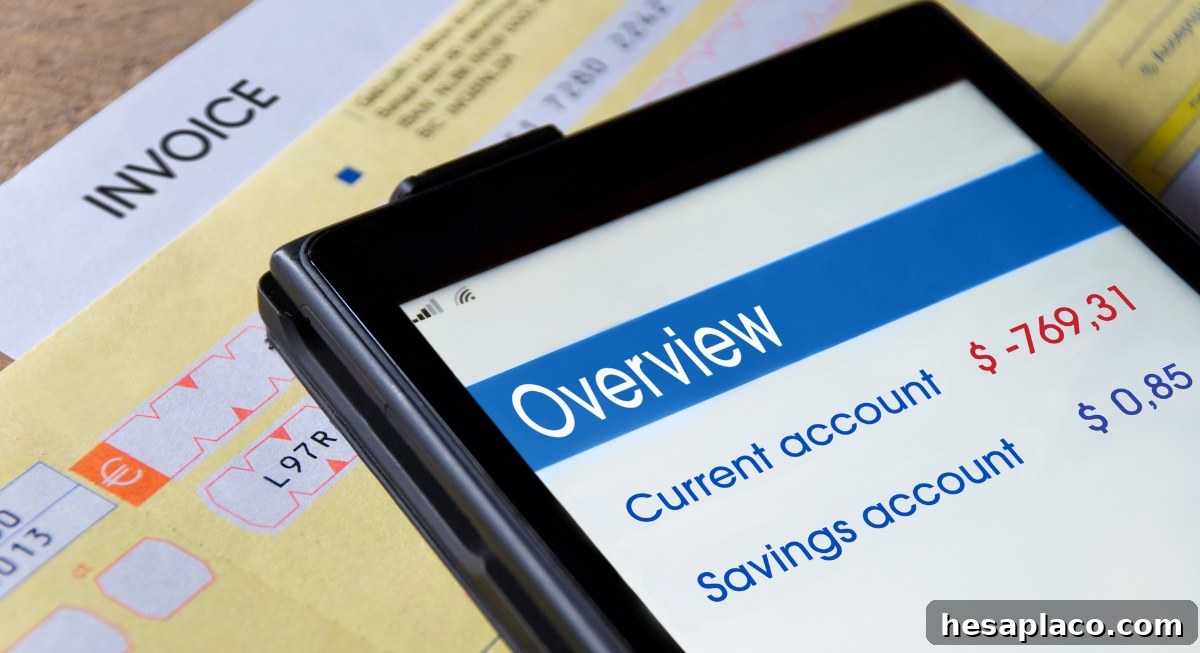
What used to be a minor mishap—bouncing a check—became a major revenue stream in the digital era. Banks deployed software that sometimes reordered daily transactions from largest to smallest, increasing the likelihood of overdrafts by causing large withdrawals to clear first. That approach generated multiple penalties in a single day. While regulation and consumer pressure have limited some practices, overdraft fees remain a significant source of bank income and continue to affect many account holders.
College Textbooks

Credit: Canva
Students often lack the ability to comparison shop because professors specify exact editions and platforms. Publishers exploit that control by releasing frequent “new editions” with minor revisions that devalue used copies. Digital access codes for homework portals and quizzes make matters worse by tying required course materials to one‑time codes. As a result, students frequently must purchase brand‑new versions even when older texts would suffice.
Bill-Pay “Convenience” Fees
Credit: Canva
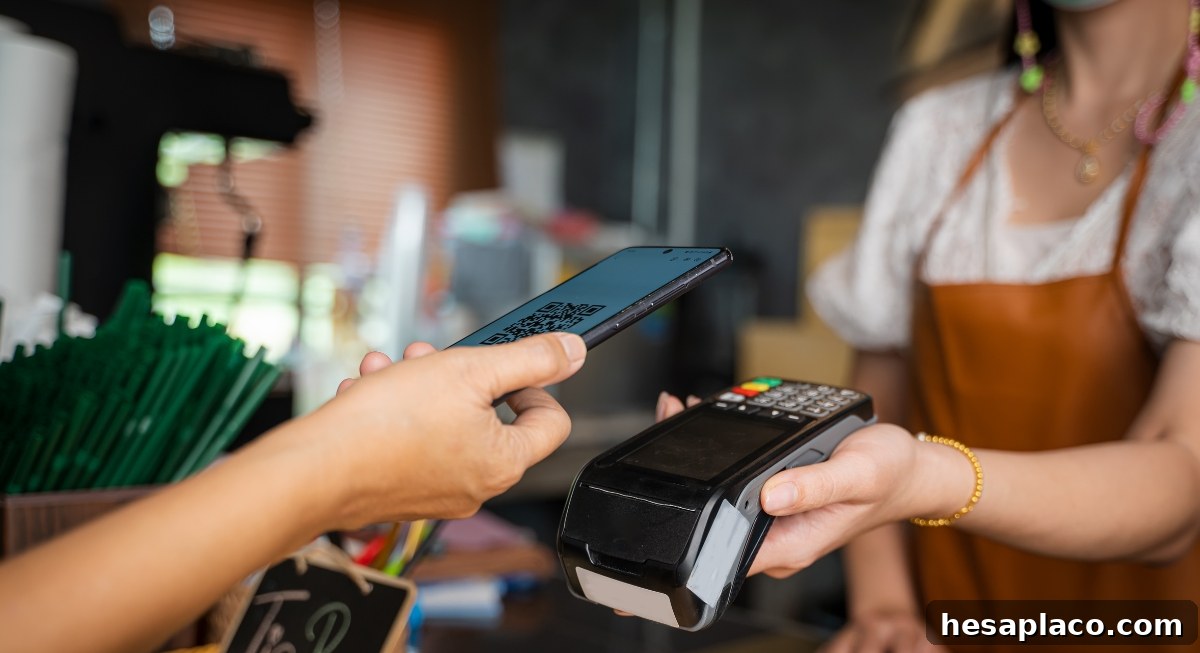
Online bill payment has reduced companies’ operating costs by eliminating paper statements, mailed checks, and manual processing. Rather than passing those savings to customers, some businesses add convenience fees for electronic payments. The logic is questionable: consumers enter their own information, use their own devices, and transfer funds directly into company accounts, yet they still may incur an extra charge for paying digitally.
Point-of-Sale Tipping Prompts

Credit: Canva
Point-of-sale devices now prompt customers for tips at cafes, kiosks, self-checkout lanes, airport stores, and retail registers—even when service is minimal. The glowing screens press consumers to add gratuities during quick transactions, and many people select a suggested tip simply to avoid appearing rude. This normalization of tipping for low‑interaction purchases has shifted expectations and quietly increased what consumers pay in everyday situations.
These examples show how small, persistent charges and subtle changes in products or services can reshape expectations. Individually, each charge may seem insignificant, but together they add up, quietly raising the real cost of everyday life. Recognizing these patterns is the first step toward making more informed choices and pushing for clearer pricing practices.