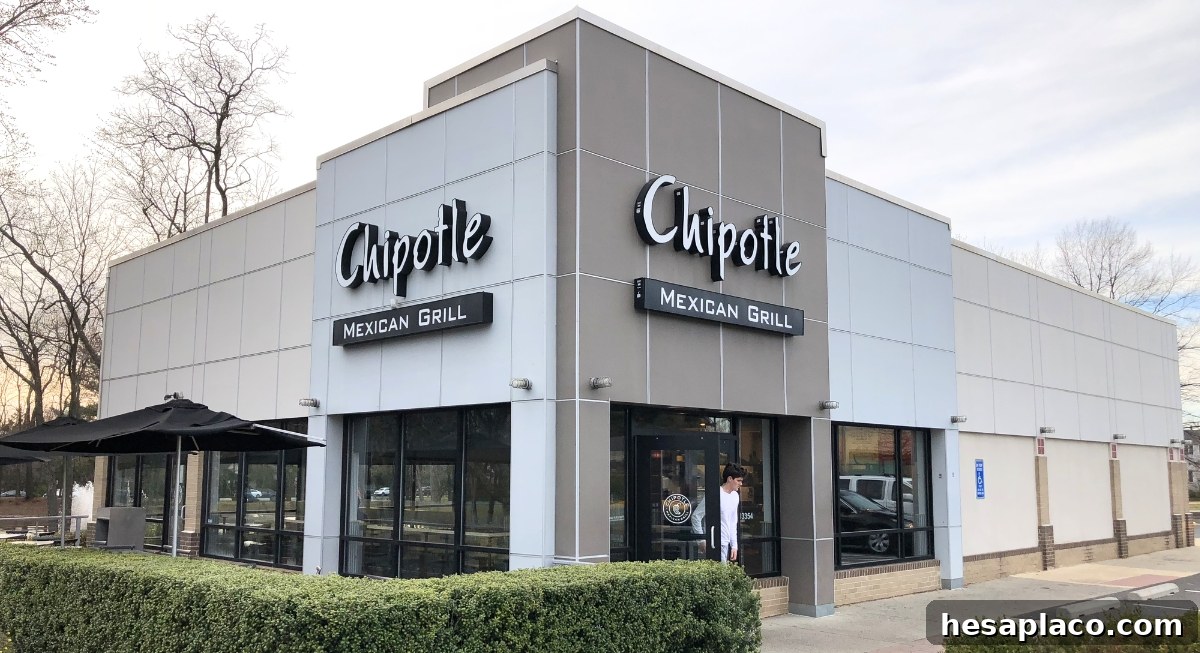
People once loved Chipotle for oversized burritos, hefty bowls and the feeling that a single meal could easily yield leftovers. Recently, however, many customers have noticed something that feels less like the old Chipotle: smaller portions. Viral videos, changing store practices and broader economic pressures have all put serving sizes under scrutiny — and most causes begin long before a tortilla reaches the counter.
Online Orders Lose the Benefit of On-the-Spot Assembly
Credit: Canva
Ordering through the app removes a key advantage: watching your meal being built. Several viral TikTok clips highlighted bowls arriving seemingly half full compared with meals made in-store. That attention led customers to experiment for themselves. One informal test that compared filmed and unfilmed orders reported that visible, on-camera preparations resulted in heavier burritos.
Training Emphasizes Control of Expensive Ingredients
Credit: Tripadvisor
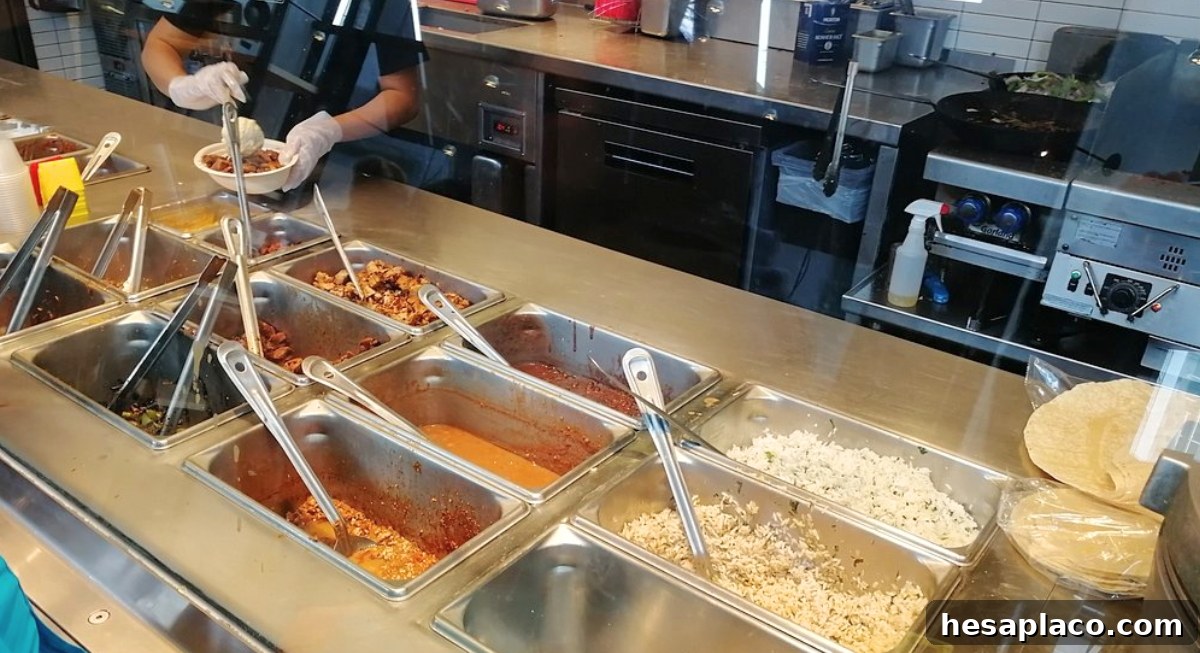
Staples like rice and beans are low-cost, but steak, guacamole, queso and extra chicken carry higher margins. Reports from past training guidance indicate tighter portion control for pricier ingredients to protect profits. During busy periods staff are also expected to work quickly, and speed can turn deliberate scooping into more conservative portions.
Social Media Changed How Employees Behave
Credit: Wikimedia Commons
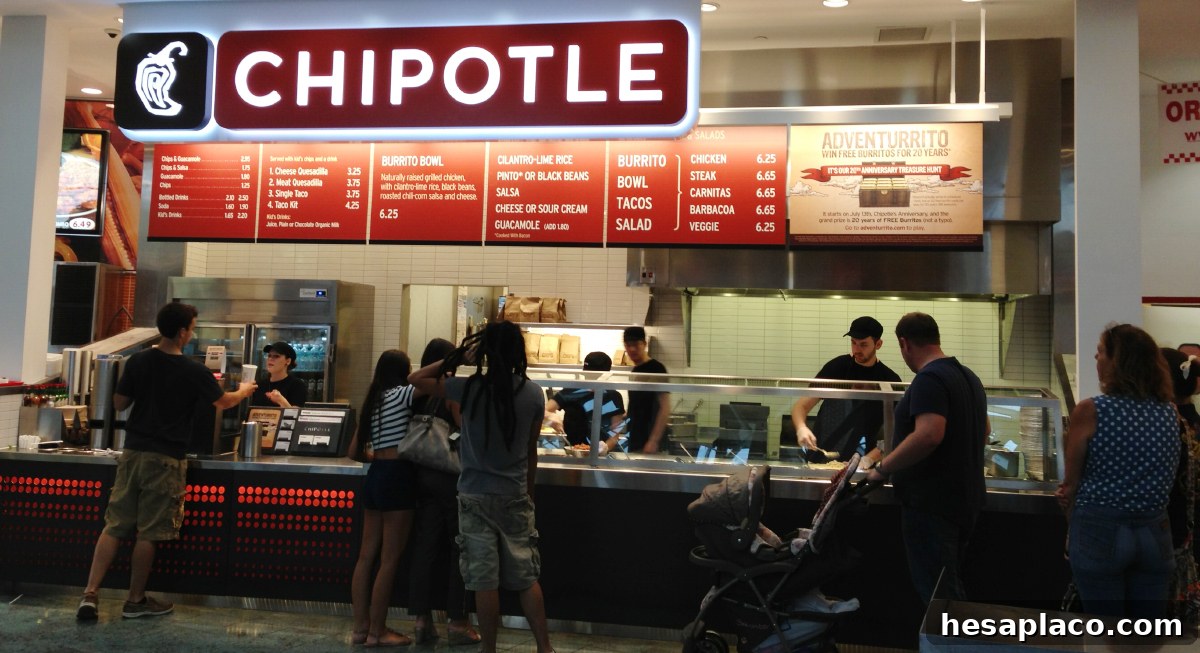
The so-called “Chipotle camera trick” became a notable social trend. After creators suggested portions grew when employees were filmed, customers began recording assembly to try to capture larger servings. The videos spread rapidly and prompted management responses. As a result, employees found themselves working under the glare of phones during lunch rushes, which altered how some assembled orders.
Busy Stores Often Mean Faster, Lighter Scoops
Credit: Tripadvisor
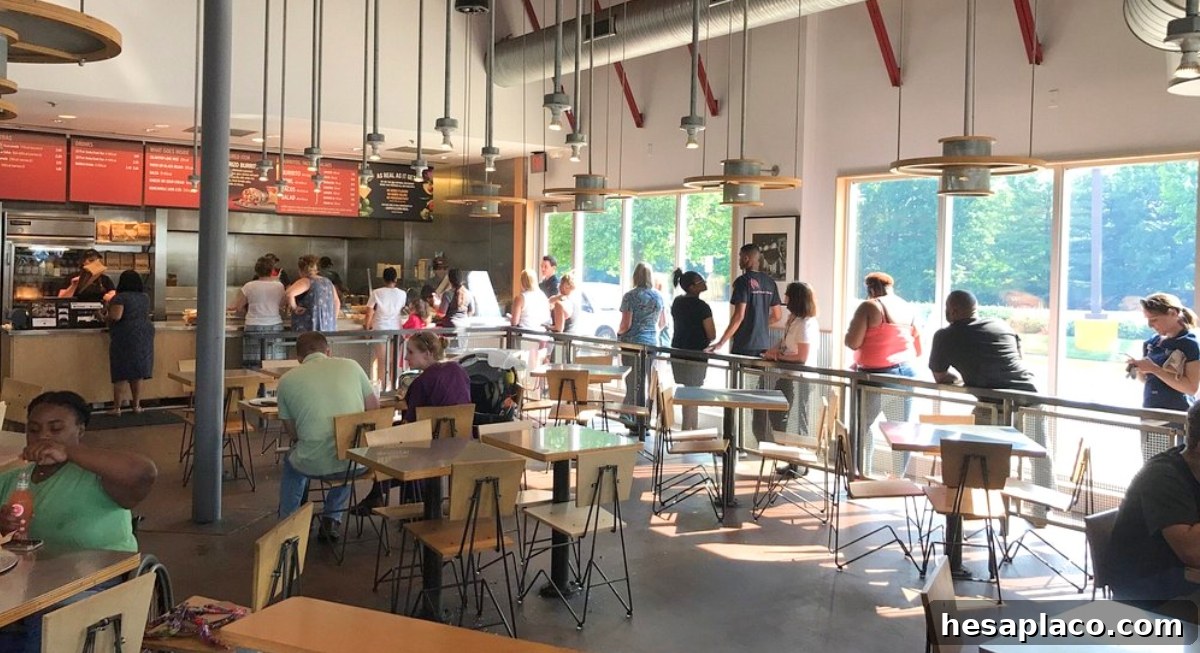
During peak hours, speed becomes the overriding priority and portion sizes can shrink. A packed midday line puts pressure on staff to move customers through quickly, encouraging faster motions over careful measurement. A rushed scoop typically yields less food than a deliberate one, so customers tend to notice smaller portions at the busiest times.
Inflation Has Shifted Perceptions of Value
Credit: Tripadvisor
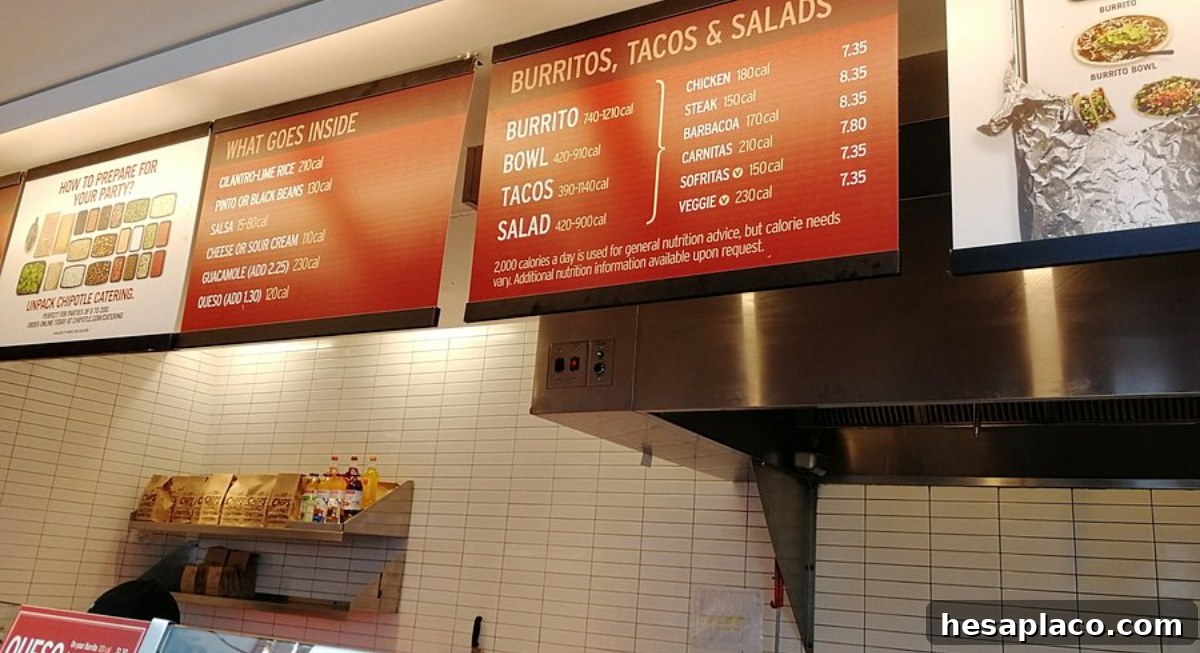
As menu prices rose over recent years, diners have grown more attuned to perceived value. A bowl that used to feel generous can seem merely adequate after price increases, and that change in expectations fuels many complaints. Online reactions often reflect the combined effect of higher costs and smaller portions.
Delivery Packaging Can Make Portions Look Smaller
Credit: Reddit
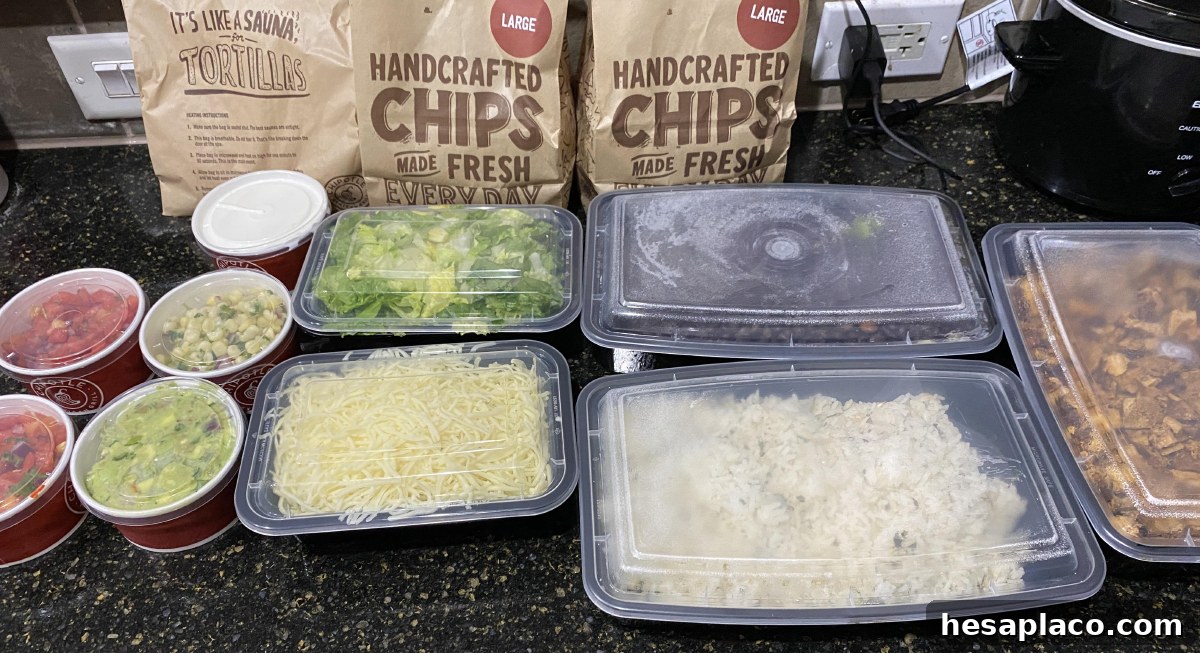
When ingredients settle or shift during transport, a delivery bowl can look surprisingly empty once opened at home. Unlike in-store meals, which remain layered and compact, delivery orders move inside their containers and create gaps that make servings appear lighter than they actually are. That visual discrepancy contributes to disappointment among off-premise customers.
Chipotle Acknowledged Some Locations Were Under-Serving
Credit: Wikimedia Commons
In 2024, former CEO Brian Niccol acknowledged that about 10% of Chipotle locations required retraining after finding portions below company standards. Executives reiterated that generous servings are part of the brand’s identity and said improving consistency would raise food costs. The company committed to corrective measures to better align portions across stores.
“Extra” Can Vary by Employee
Credit: Wikimedia Commons
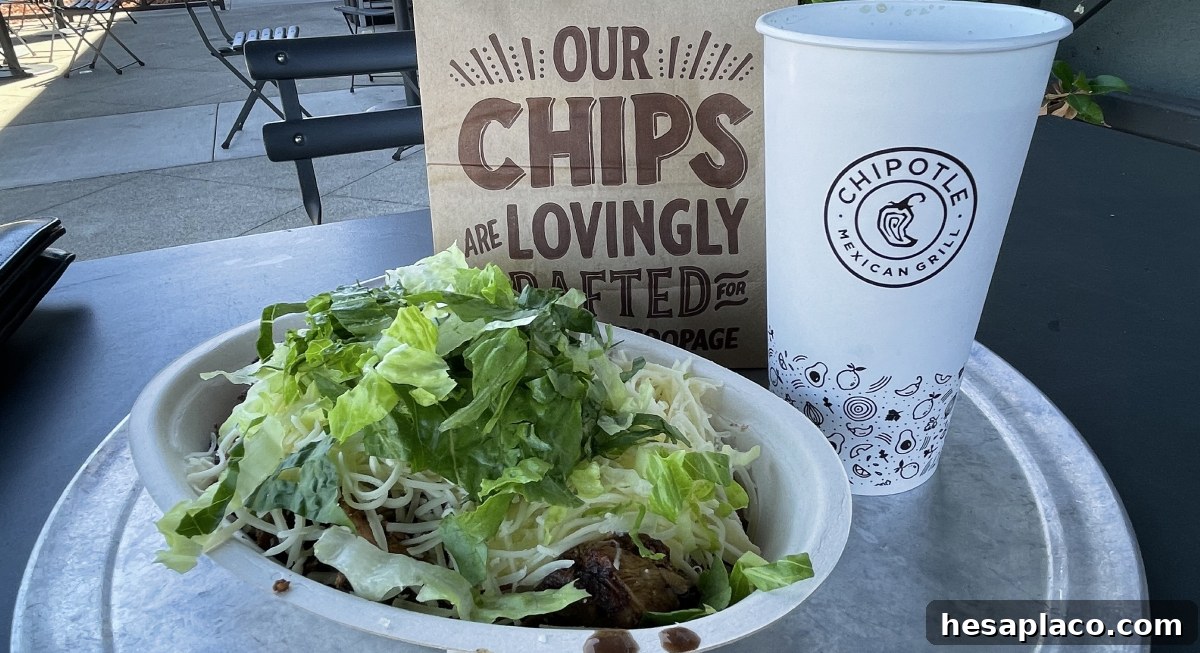
Because assembly depends on human judgment, one worker’s “normal” scoop can look very different from another’s. A generous employee can pack a burrito into a two-handed project, while a more cautious team member may produce a noticeably lighter bowl using the same ingredients. This variation is a natural outcome of manual assembly across locations and shifts.
More Competition Makes Smaller Portions Easier to Spot
Credit: Tripadvisor
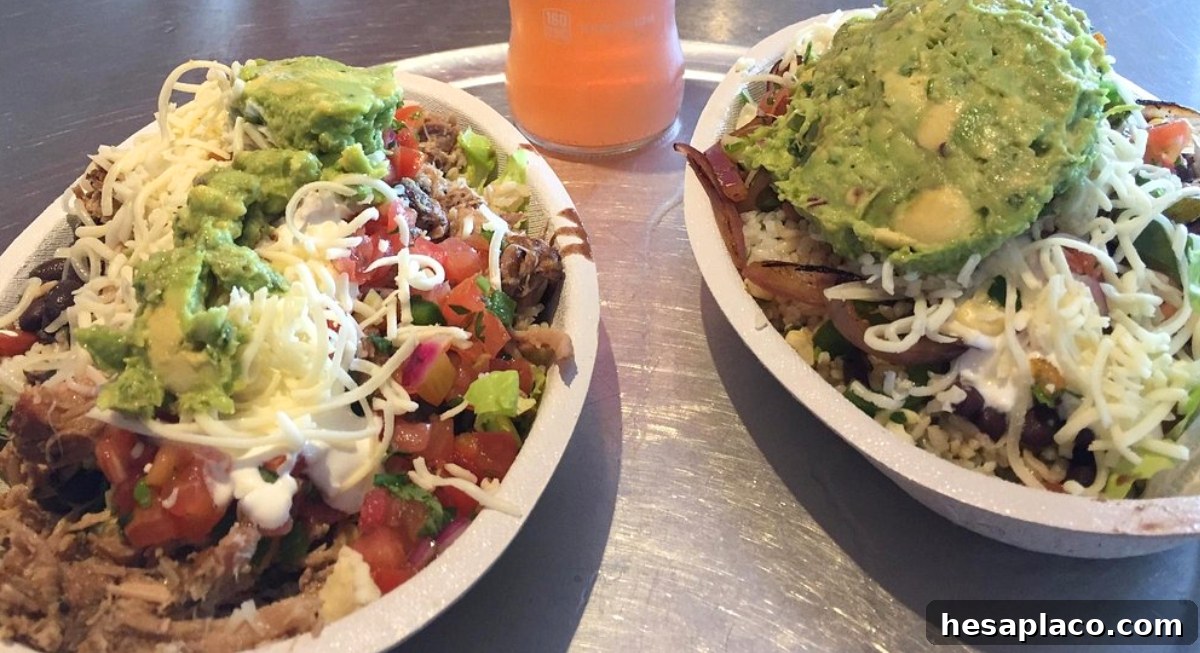
Chipotle no longer has the fast-casual bowl market to itself. Competitors such as CAVA and Sweetgreen have attracted similar customers, and diners increasingly compare serving sizes online. When rivals pile ingredients higher for comparable prices, smaller Chipotle portions stand out more. Greater choice has made portion complaints more visible and more frequent.
Asking Nicely Often Helps
Credit: Instagram
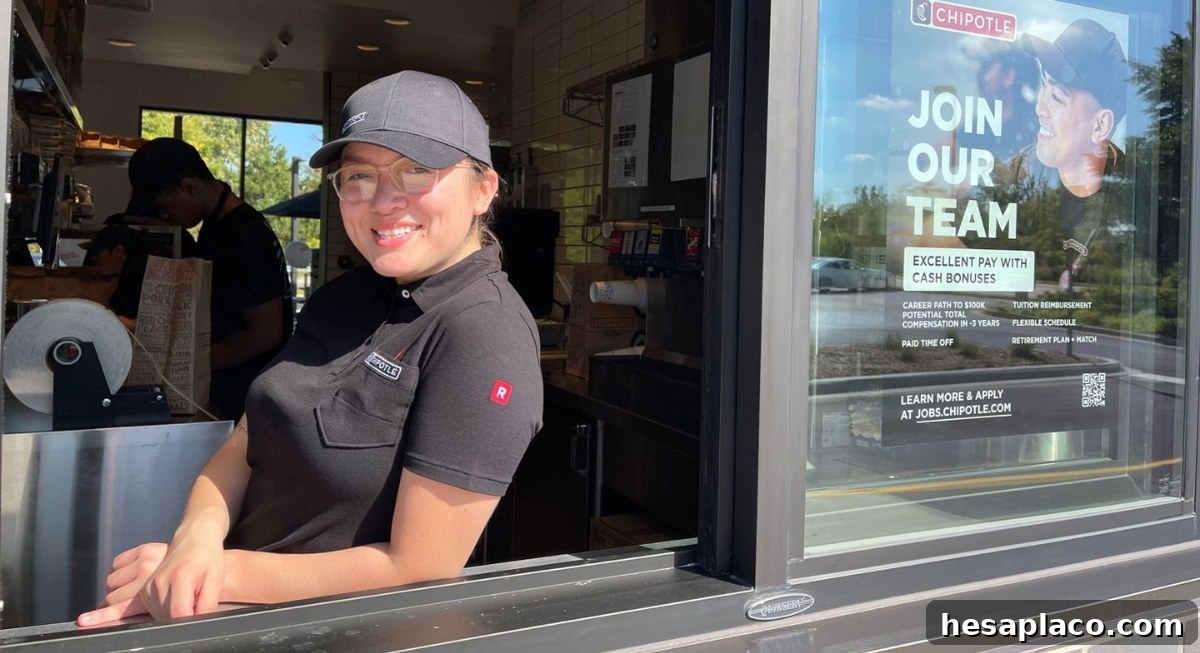
One consistent takeaway from customer experiences is that polite requests usually work. Asking for extra rice, beans, lettuce or fajita vegetables during assembly often results in additional servings without extra charge. Employees are generally more accommodating in person, and Chipotle’s leadership has encouraged customers to speak up if portions seem small so staff can address the issue at the moment.