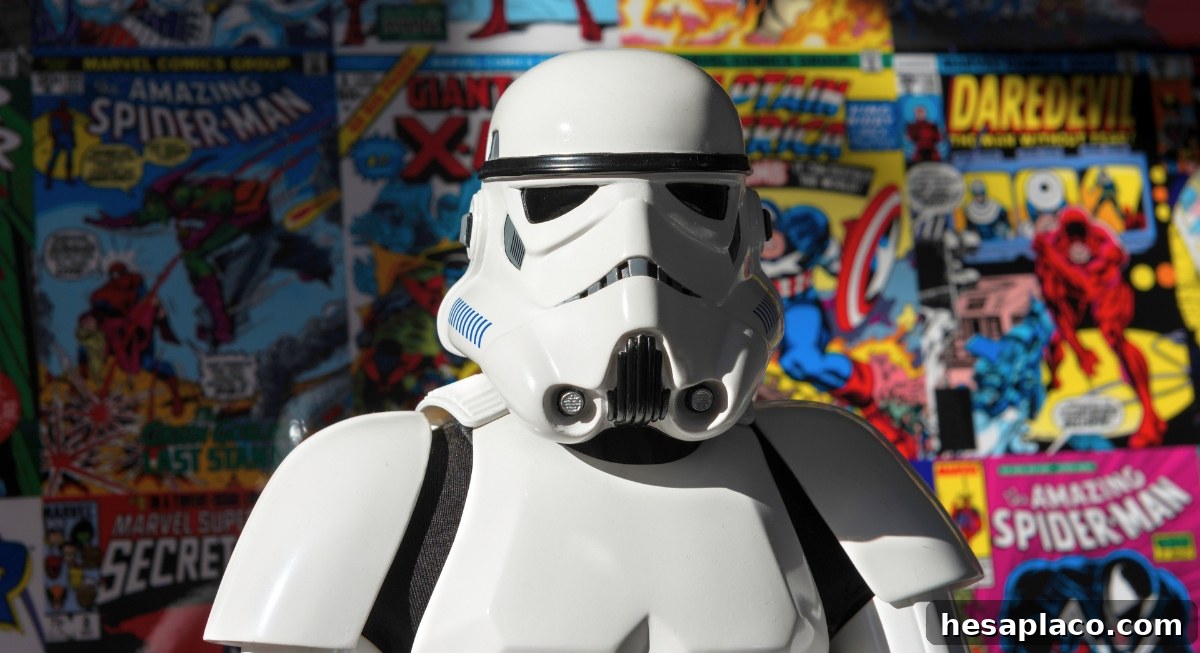
Star Wars collecting stopped being a casual hobby long ago. By 2026, rare figures, helmets, vintage sets, and screen-used items are treated like investment pieces, often selling for sums that surprise even seasoned fans. At the same time, new releases, limited editions, and online resale trends are reshaping what collectors pursue. Below are the biggest trends driving the Star Wars collectibles market this year and why collectors are watching them closely.
The Kidult Economy Is a Growing Force
Credit: Facebook
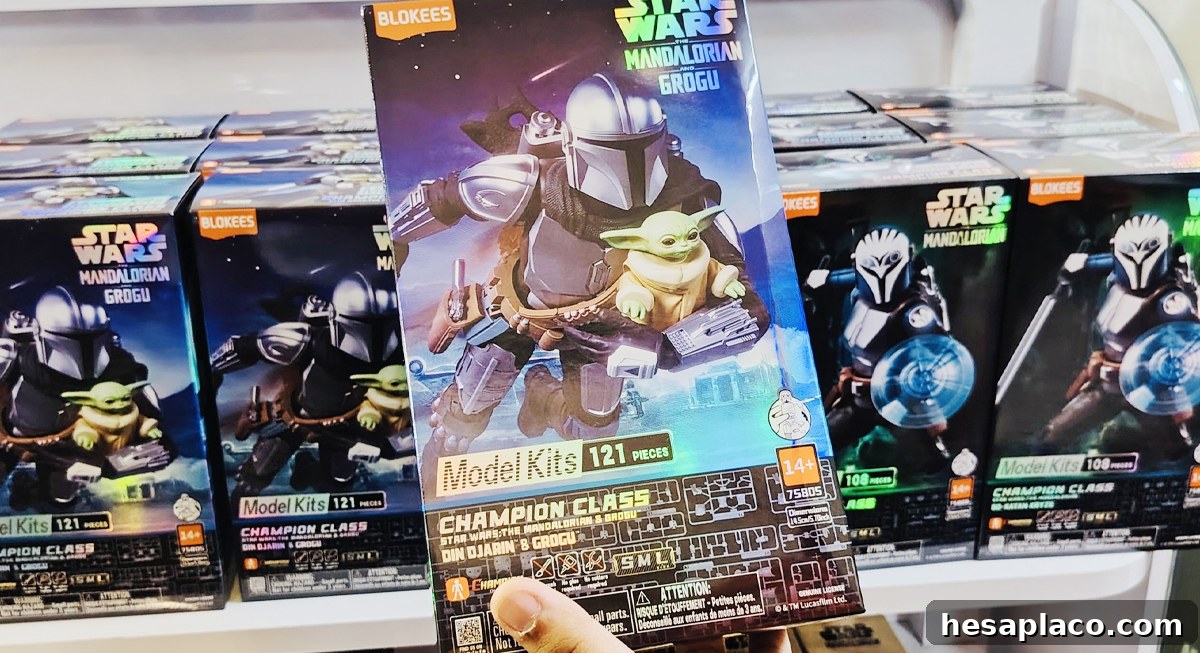
The “kidult” market—adults who buy toys and collectibles for personal enjoyment—now plays a major role in Star Wars collecting. Industry data indicates steady growth in adult spending on toys, and Star Wars remains one of the strongest global franchises. Many adult buyers follow release schedules, monitor prices, and treat collecting as a long-term hobby or investment. Manufacturers have responded by improving sculpting, paintwork, packaging, and by releasing editions specifically targeted at adult collectors.
Licensed Toys Reach Record Market Share
Credit: iStockphoto
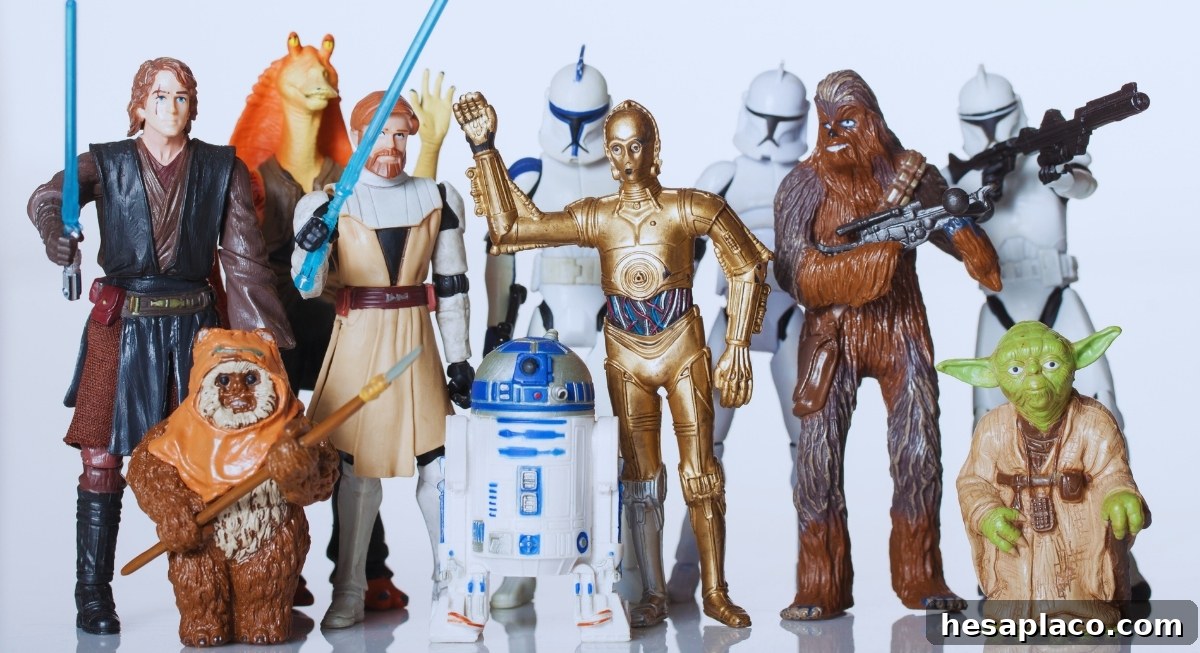
In 2025, licensed toys captured roughly 37% of global toy sales—the highest share recorded in recent tracking. Star Wars has been a key contributor to that growth, with collectibles tied to active films and series consistently performing well. This boost has encouraged both large and niche manufacturers to expand their licensed offerings and introduce more collector-focused lines.
Vintage Figures Are Fetching Serious Auction Prices
Credit: Ebay
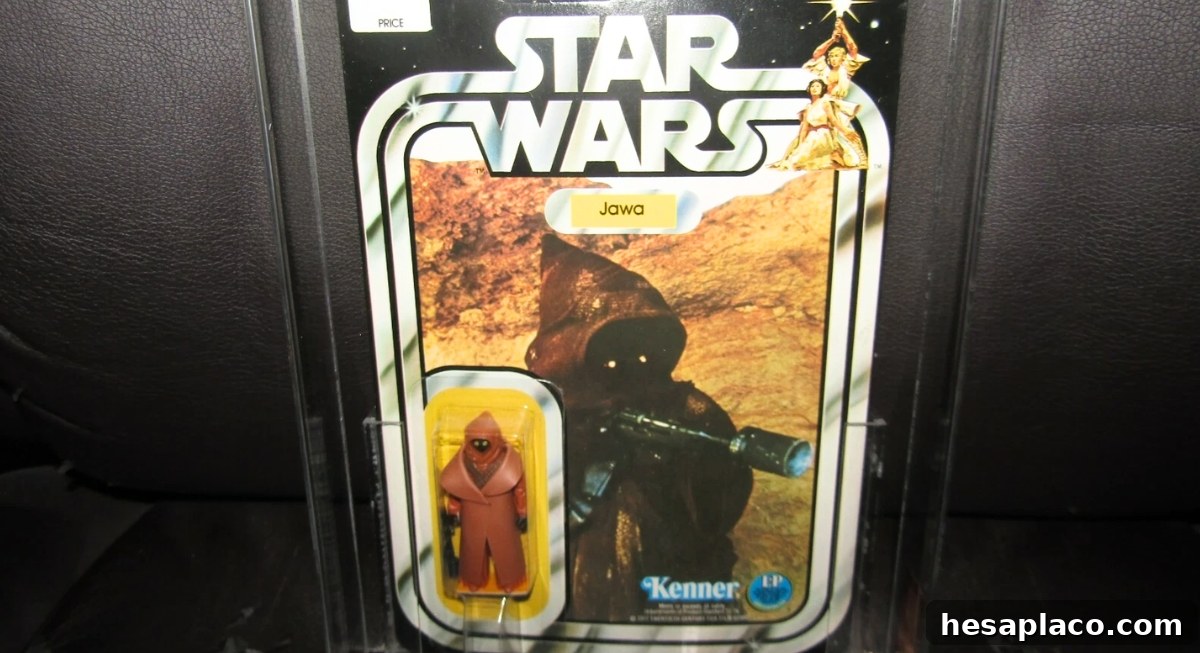
Kenner figures from the late 1970s and early 1980s have become highly sought after. Carded and mint-condition examples from the original trilogy era draw competitive bids at auction houses and specialist resale platforms. Notable sales include a vinyl-cape Jawa that fetched over $28,000, a result confirmed by multiple auction records. Provenance and original packaging remain major price drivers, with well-documented pieces often commanding premiums.
Retro and Legacy Lines Pull Collectors Back
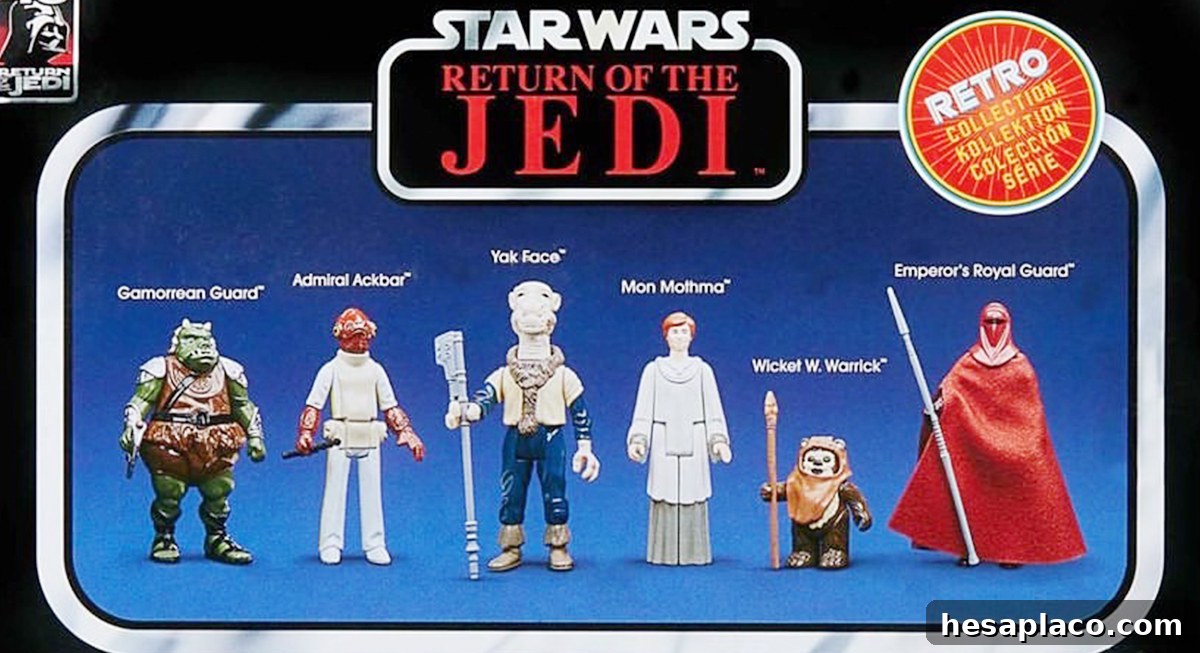
Credit: Instagram
Retro and legacy-styled products remain a cornerstone of the collector market. Renewed interest in classic designs helped push U.S. Star Wars merchandise sales past $1.5 billion in the past year. In response, manufacturers have released more collector-oriented packaging, increased price points for premium lines, limited production runs, and design callbacks that appeal to long-time fans looking for nostalgia and authenticity.
New Screen Projects Create Immediate Demand Spikes
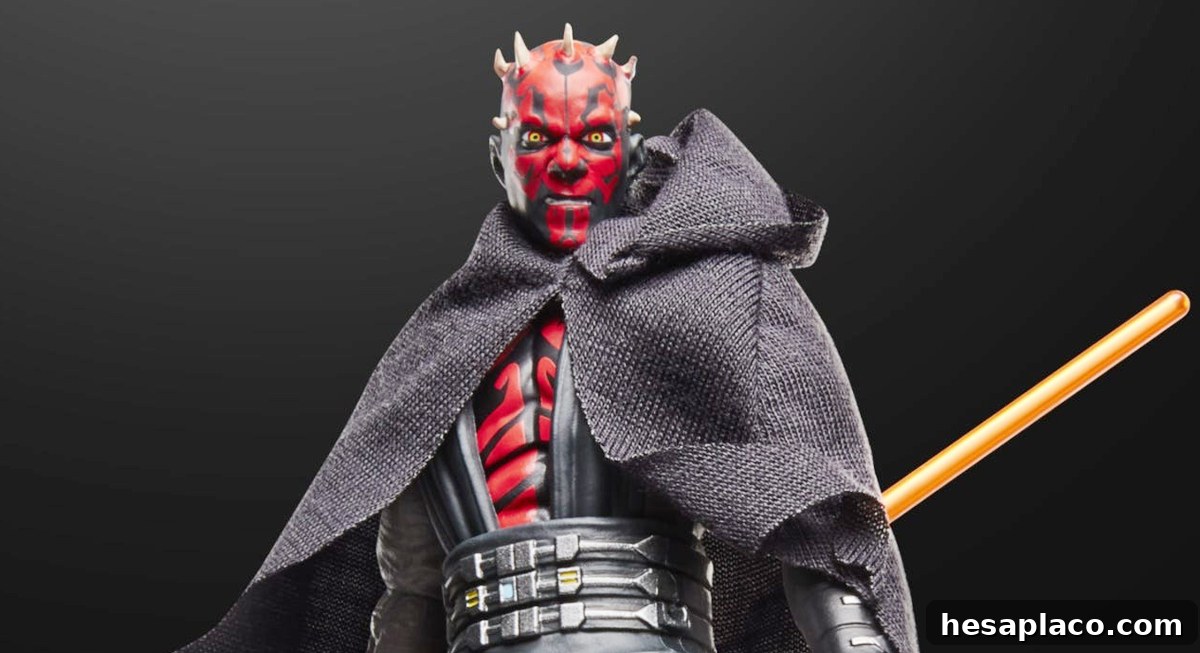
Credit: Threads
New Star Wars screen projects quickly drive demand for related collectibles. For example, when Maul: Shadow Lord premiered on Disney+ in April 2026, Darth Maul merchandise appeared rapidly across major retailers. Specialist producers like Hot Toys announced new 1/6 scale figures tied to the series, and pre-orders opened through dealers such as Sideshow Collectibles. Such release-linked surges frequently push resale markets and short-term pricing volatility.
International Markets Are Expanding the Collector Base
Credit: Canva
Global interest in Star Wars collecting has grown as international infrastructure has improved. Reports from resale platforms show strong search and sales activity worldwide, with LEGO Star Wars often ranking among the most-searched items. Better cross-border payment systems, streamlined shipping logistics, and expanded marketplace support have lowered barriers for collectors outside traditional markets, enlarging the buyer base and adding new sources of demand.
Condition Grading Is Central to Value
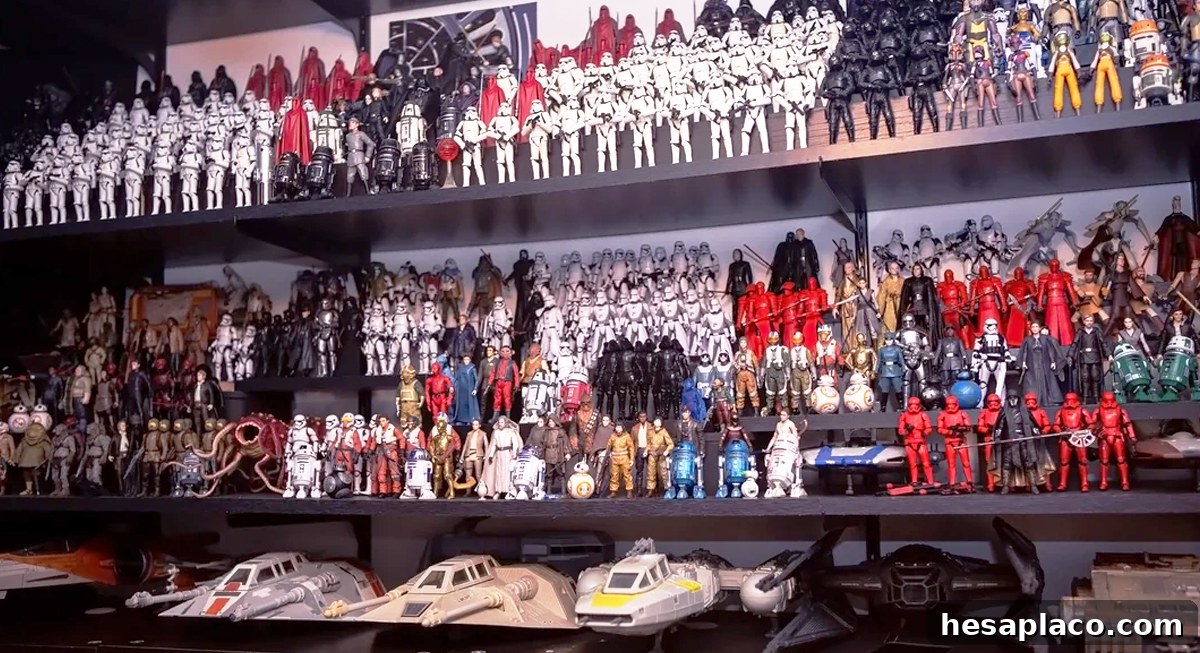
Credit: Reddit
Grading has grown into a core part of high-value transactions. Organizations such as the Action Figure Authority (AFA) provide condition assessments and encapsulation, and graded figures in protective cases often command premiums over ungraded examples. Proper documentation, professional grading, and quality presentation now influence pricing in ways that would have seemed unnecessary to casual collectors two decades ago.
Promotional Ephemera Has Quietly Appreciated
Credit: Reddit
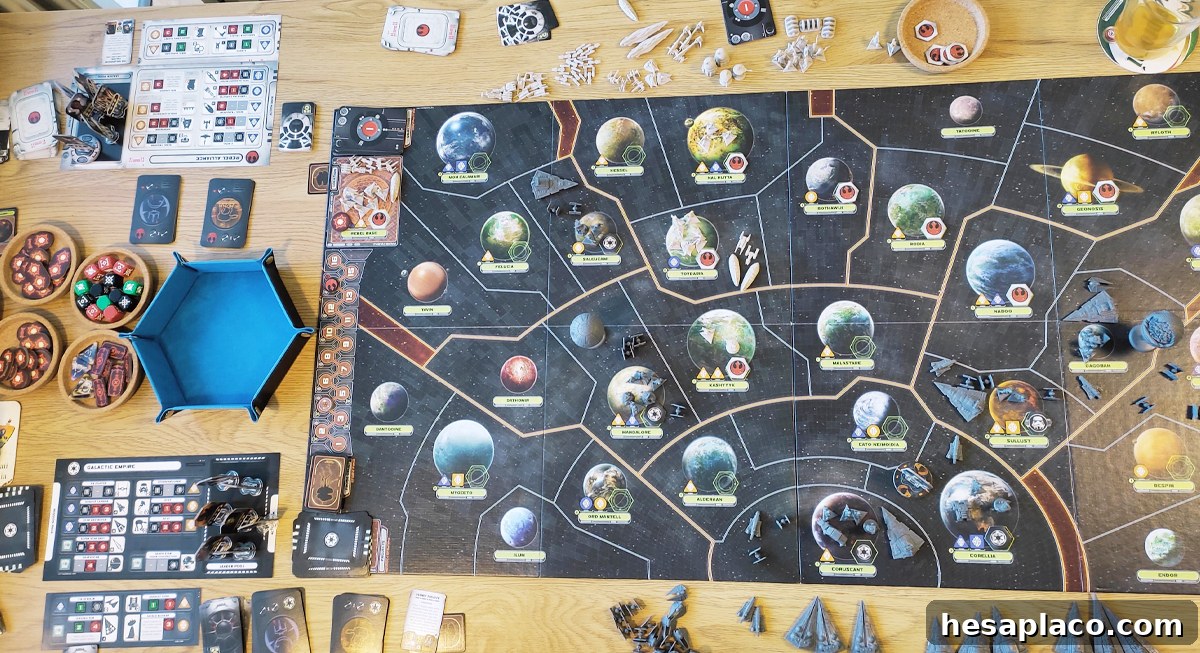
Promotional items from the original trilogy era—store displays, cardboard standees, and early retail materials—have gained value as so few survived. Auction houses have recorded strong results for original 1977 promotional pieces, which collectors increasingly view as cultural artifacts rather than disposable marketing. That shift has raised demand for theatrical standees, point-of-sale displays, and other rarities from early marketing campaigns.
Screen-Used Props Are Breaking Records
Credit: iStockphoto
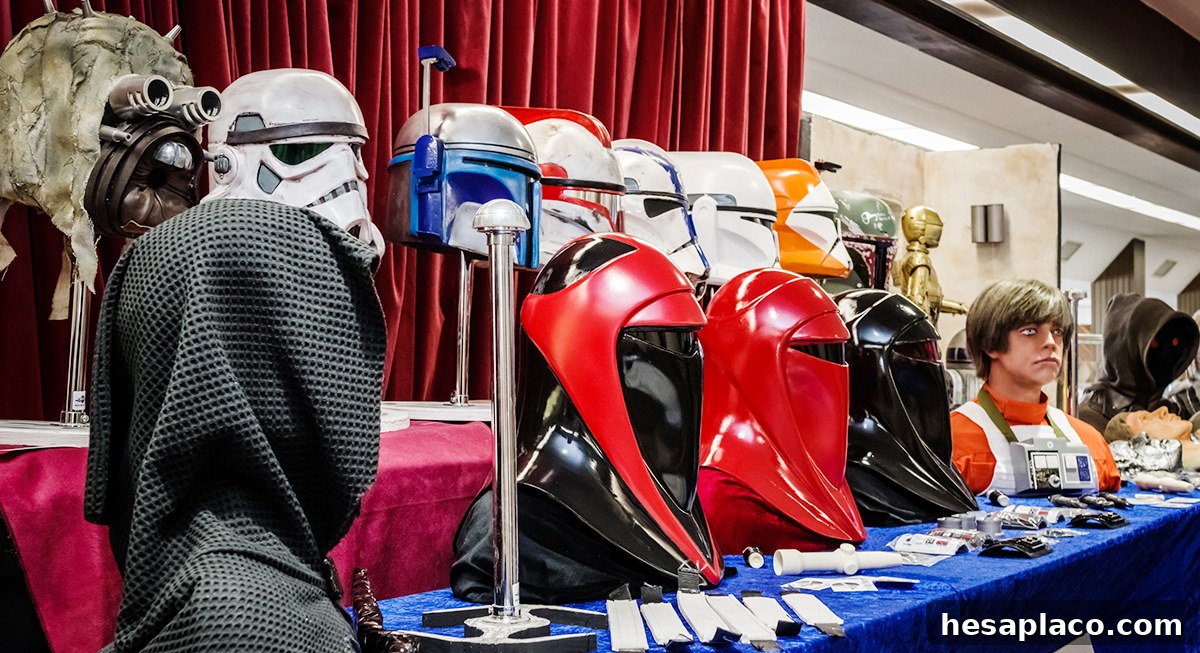
Screen-used props continue to set new auction records. In early 2026, an original C-3PO head from The Empire Strikes Back sold for $1,058,400 at Propstore in Los Angeles. While original-trilogy props have long been prized, headline results like this demonstrate increased institutional confidence and significant buyer willingness to invest in iconic pieces of film history.
Scarcity Is Now a Deliberate Business Strategy
Credit: Facebook
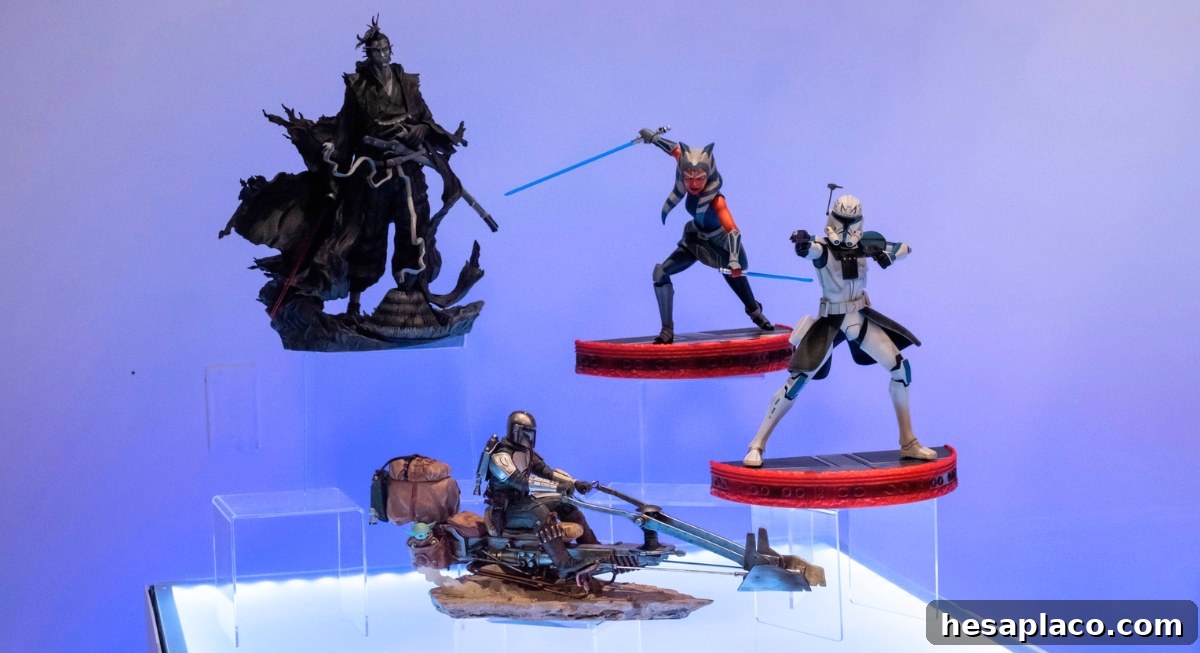
Manufacturers increasingly use scarcity as a strategic tool. Limited production runs, numbered editions, and premium packaging are common tactics to preserve desirability. Specialist companies such as Sideshow Collectibles focus on small edition sizes and high-end presentation, while larger firms apply similar approaches to their collector-tier releases. For buyers and sellers in 2026, balancing exclusivity and availability is more important than ever.