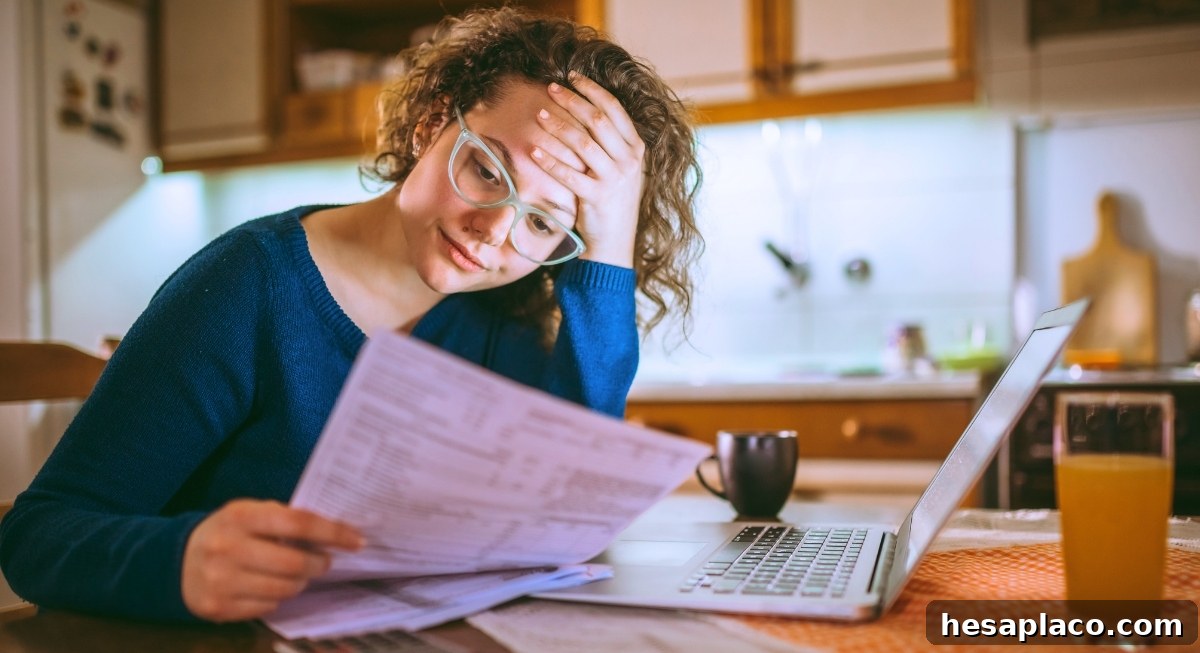
Buy Now, Pay Later (BNPL) began as a convenient way to split the cost of discretionary items like sneakers or last-minute tech purchases. Today it appears everywhere—from clothing stores to grocery aisles and pharmacies—reflecting how households cope with rising everyday expenses. Breaking a total into smaller installments feels manageable in the moment, which makes BNPL attractive. The problem emerges over time when multiple overlapping payment plans slowly erode savings, investments, and long-term financial security.
Small Payments Hide the Real Cost
Credit: Przemek Klos
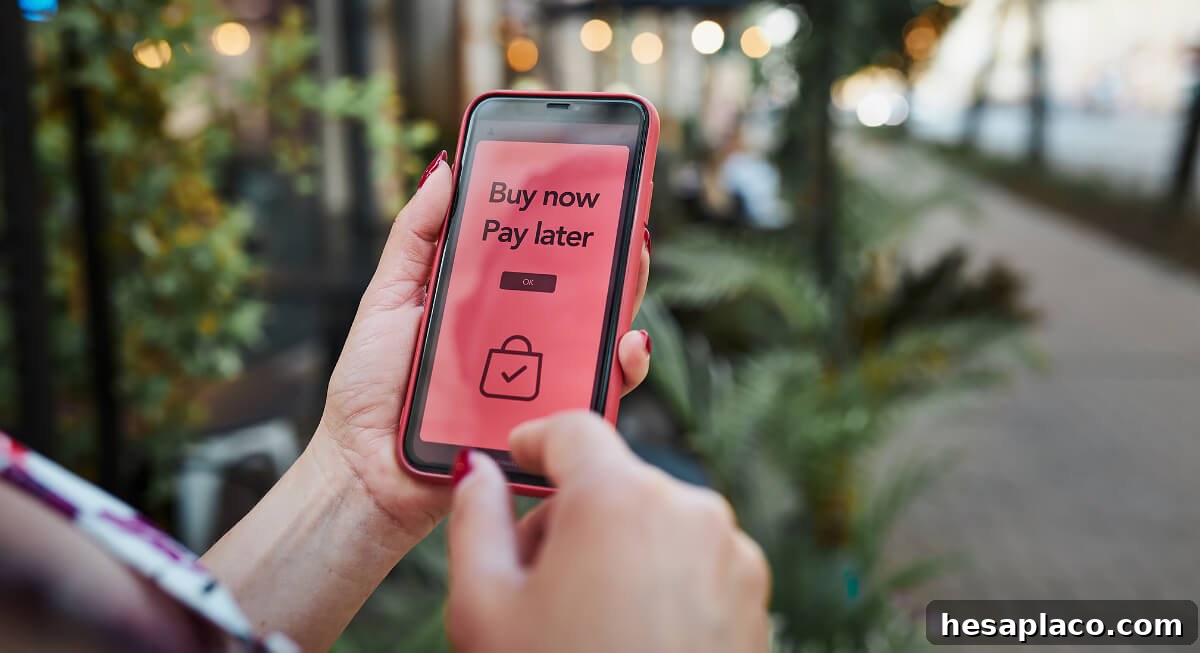
A $200 purchase reads very differently when the checkout screen shows “four payments of $50.” Behavioral researchers call this the numerosity effect: people respond more positively to smaller numbers even when the total amount is unchanged. This mental shortcut pushes shoppers toward larger purchases and faster decisions—and retailers know it works.
Savings Often Get Deprioritized
Credit: Canva
Many younger adults now prioritize making installment payments over building emergency savings. Financial advisers consistently warn that early saving years matter most because compound growth compounds over time. Missing several years of contributions in your twenties can create a larger shortfall than expected, reducing future financial options.
Groceries and Essentials Become Part of the Equation
Credit: Canva
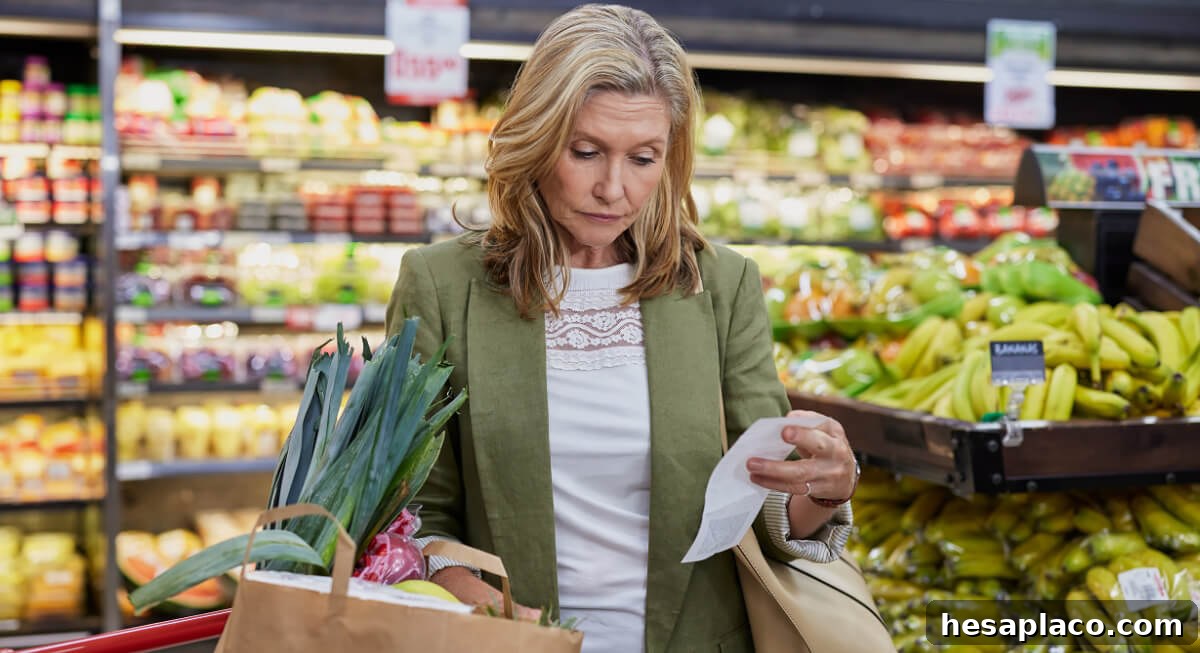
Using BNPL to finance routine items such as groceries, gas, or household supplies marks a significant shift. What once covered occasional big-ticket purchases now helps fund everyday living costs. This change alters how consumers budget and can turn short-term relief into ongoing obligations.
Multiple Plans Become Difficult to Track
Credit: Getty Images
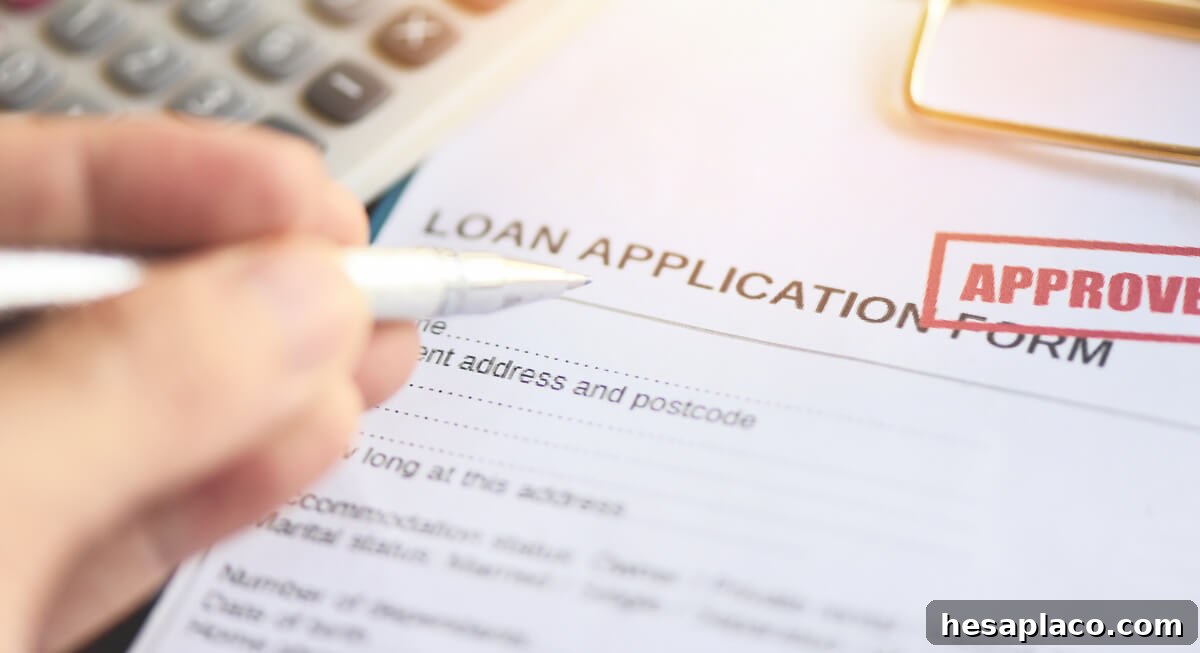
One installment plan may seem harmless, but trouble grows when consumers juggle multiple purchases across different apps and retailers. A streaming subscription, a clothing order, concert tickets, and seasonal shopping can each create separate payment schedules. Many users underestimate how quickly due dates accumulate and how the combined monthly outflow strains a budget.
Long-Term Goals Get Delayed

Credit: Canva
Carrying ongoing payment obligations changes how people think about risk and planning. Homeownership, starting a family, and other long-term goals can feel out of reach when monthly cash flow is committed to past purchases. That defensive financial posture keeps many stuck in short-term choices rather than pursuing opportunities that require upfront savings or investment.
BNPL Encourages Emotional Purchases
Credit: Getty Images
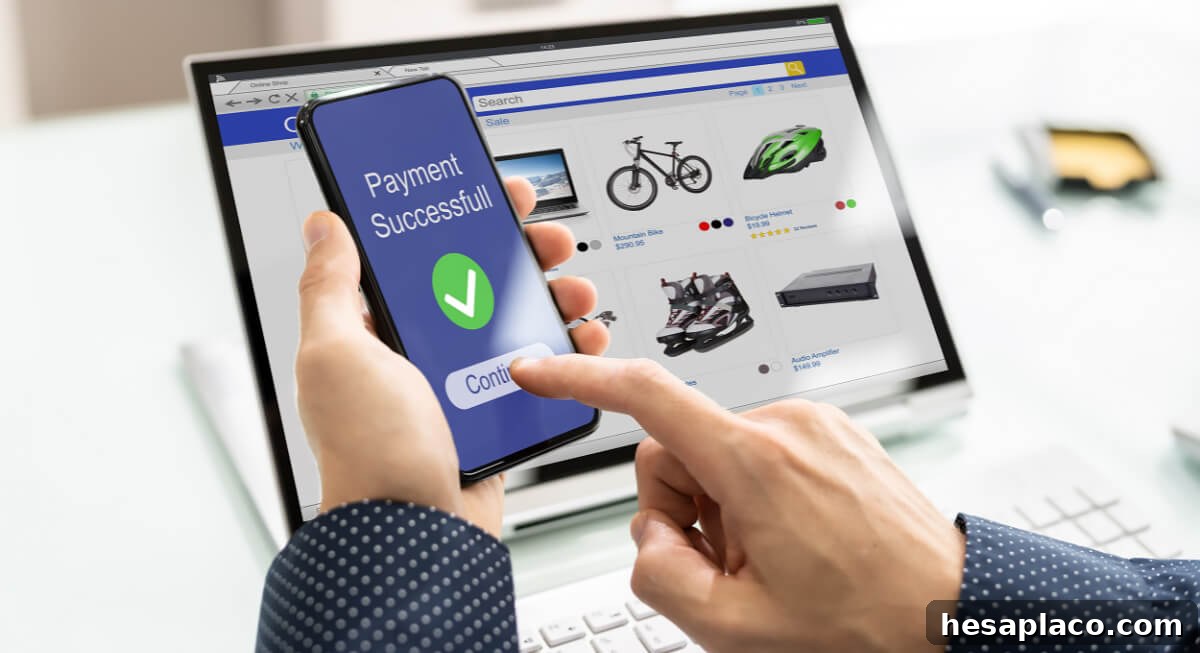
Research on digital spending finds many online purchases occur during moments of stress, boredom, or emotional impulse. BNPL lowers the immediate friction of payment, making it easier to buy on impulse. The simplified checkout process shortens the window for reconsideration, increasing the likelihood of regret later.
Inflation Makes the Trap Harder to Avoid

Credit: pexels
Rising costs across rent, insurance, and everyday essentials drive many households to use BNPL as a short-term pressure release. While installment plans ease immediate budgetary stress, they assign future income to past consumption. Over time, that practice quietly increases financial strain rather than solving structural budget gaps.
Lifestyle Inflation Becomes Less Noticeable

Credit: Getty Images
As incomes rise, people naturally upgrade their spending. The danger is when purchases outpace earnings. BNPL masks that drift by presenting higher-priced items as affordable through modest installments. Someone earning a bit more may begin financing more expensive electronics, trips, or home furnishings without recognizing how much monthly flexibility has slipped away.
Holiday Spending Can Become a Long-Term Bill

Credit: Getty Images
The holiday season has become a major growth period for BNPL providers. Consumers often rely on installment plans to stretch gift budgets during months already full of travel, parties, and extra expenses. The social pressure to be generous makes overspending easier because purchases feel tied to celebration and family, but the payments remain once the festivities end.
Social Media Keeps Feeding the Cycle

Credit: pexels
Platforms like TikTok and Instagram amplify product trends through direct shopping links and flexible payment options, making purchases feel immediate and effortless. Rapid viral trends create pressure to buy quickly before items sell out or disappear from feeds, which reinforces impulse purchases and increases reliance on installment financing.
BNPL can be a helpful tool when used sparingly and with a clear repayment plan. But when smaller installment amounts obscure the cumulative cost of repeated purchases, the result is often reduced savings, delayed goals, and greater long-term financial vulnerability. Awareness, budgeting, and tracking all active plans are essential to avoid the slow erosion of future financial security.