The idea of relocating for safety is no longer the preserve of preppers or billionaires with secret bunkers. With growing geopolitical instability, climate change, strained supply chains, and economic uncertainty, some towns and small cities around the world are emerging as practical refuges. These places are not necessarily glamorous or headline-grabbing — and that’s often the point. They offer stability, self-sufficiency, and local resources that could matter if broader systems come under stress.
If the worst happens, where might you prefer to be? Here are areas worth considering, based on resilience, natural resources, infrastructure, and political stability.
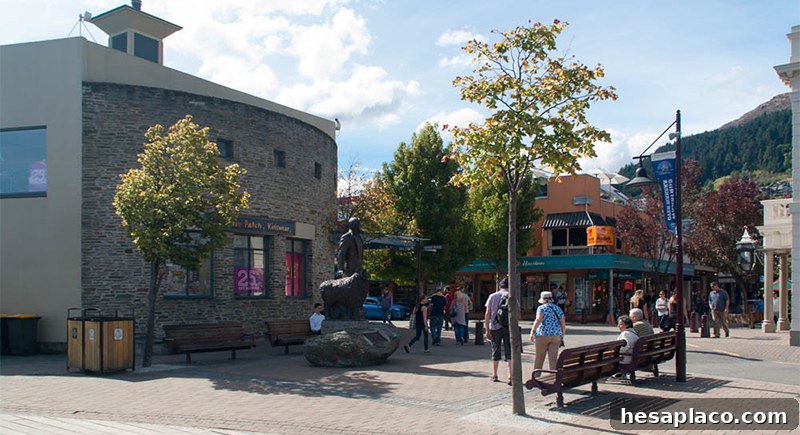
Glenorchy, New Zealand
Credit: flickr
Surrounded by mountains and water, Glenorchy benefits from New Zealand’s overall stability. The country produces significant portions of its own food and relies heavily on renewable energy, while its geographic isolation provides a buffer from many mainland crises. For those seeking a peaceful, self-reliant environment, Glenorchy offers a modern, livable form of refuge.
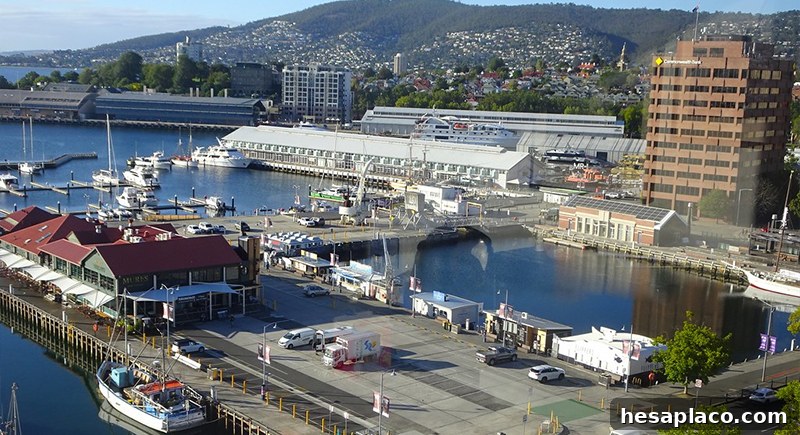
Hobart, Tasmania
Credit: flickr
Hobart sits on an island off an island and tends to keep a low profile — an advantage in tumultuous times. Tasmania has abundant natural resources and a slower, manageable pace of life. Hobart is distant enough from mainland Australia to avoid immediate impacts of coastal disruptions, yet connected enough to maintain essential supplies and services.
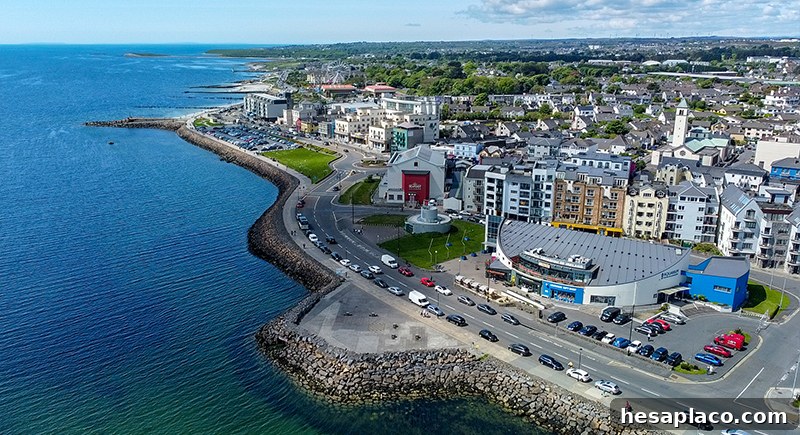
Galway, Ireland
Credit: Wikimedia Commons
Often viewed as a tourist destination, Galway also has a strong local economy based on technology, healthcare, and education. Its location on Ireland’s west coast places it farther from many European flashpoints, and Ireland’s growing investment in renewable energy adds practical long-term resilience for residents.
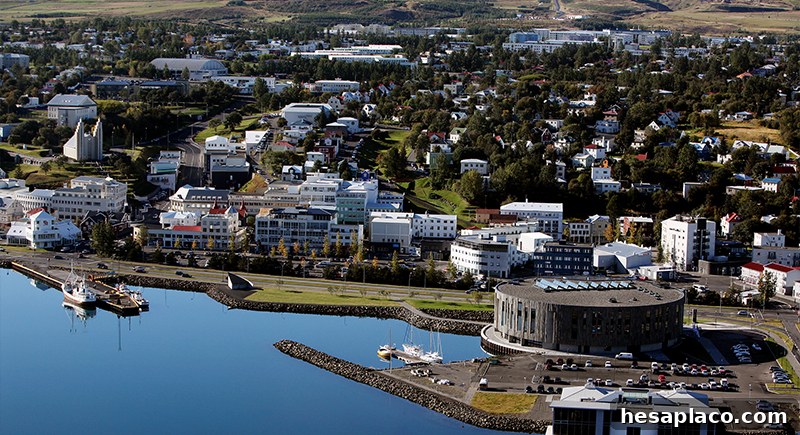
Akureyri, Iceland
Credit: Wikimedia Commons
Akureyri, Iceland’s second-largest urban area, strikes a balance between self-sufficiency and connectivity. The region leverages geothermal energy and abundant clean water, while local agriculture and fisheries support food security. It’s a realistic choice for people who want a resilient community without being completely off-grid.
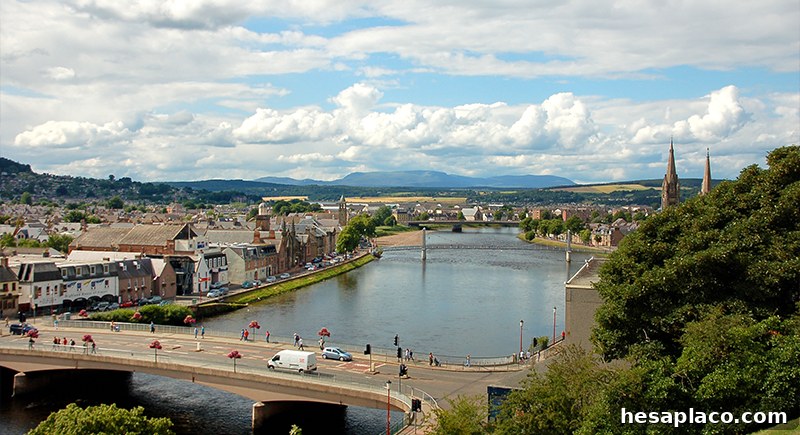
Inverness, Scotland
Credit: Wikimedia Commons
Set in the Scottish Highlands, Inverness offers natural protection and solid local governance. The region’s renewable energy potential and agricultural capacity add to its appeal. For those who want a calm place to hunker down with reliable services and access to food production, Inverness is a strong candidate.
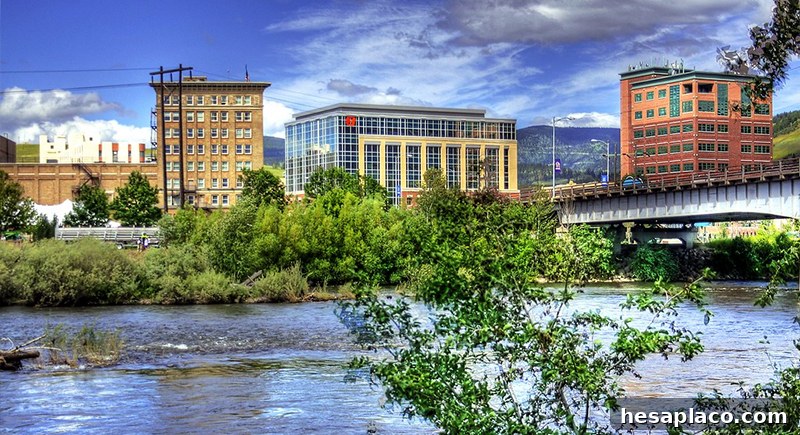
Missoula, Montana
Credit: flickr
Missoula combines low population density with a strong local identity and agricultural capacity. With access to clean water, farmland, and a grounded local economy, the city can be a practical base for those prioritizing resilience and self-reliance in the American West.
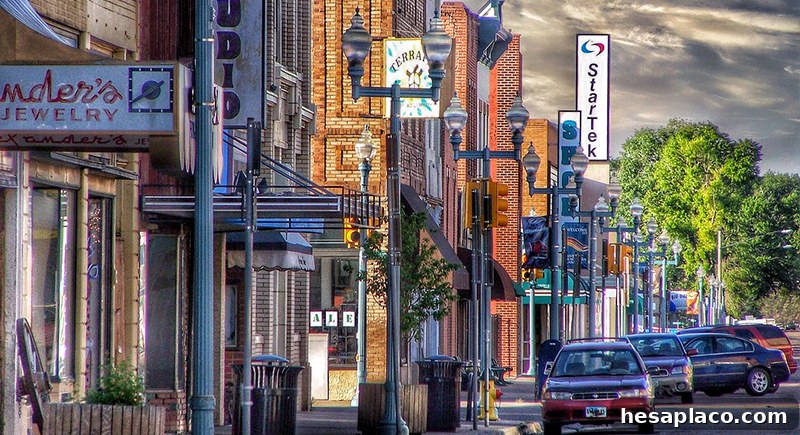
Laramie, Wyoming
Credit: flickr
Wyoming’s favorable tax environment and diversified local economies make towns like Laramie attractive options. The city offers a low cost of living, engaged community, and access to timber and grazing lands. Diversity in local industries helps reduce reliance on any single economic sector during disruptions.
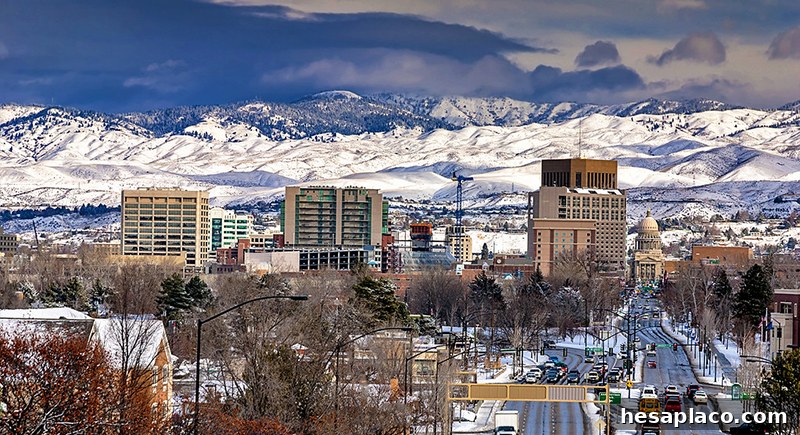
Boise, Idaho
Credit: flickr
Boise offers a balanced combination of size, resources, and economic diversity. It has agricultural surroundings, reliable water sources, and a growing tech sector supporting a steady local economy. Those seeking a mid-sized city with practical amenities and resilience often find Boise appealing.
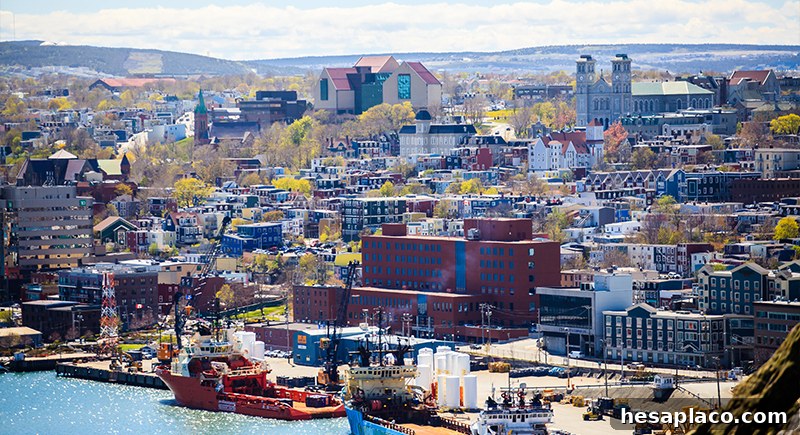
St. John’s, Newfoundland (Canada)
Credit: Wikimedia Commons
Although remote, St. John’s is integrated into Canada’s resilient national systems. Newfoundland and Labrador have access to fisheries, offshore energy, and hydroelectric power — resources that could prove vital during broader disruptions. Its eastern location also provides strategic distance from many continental instability zones.
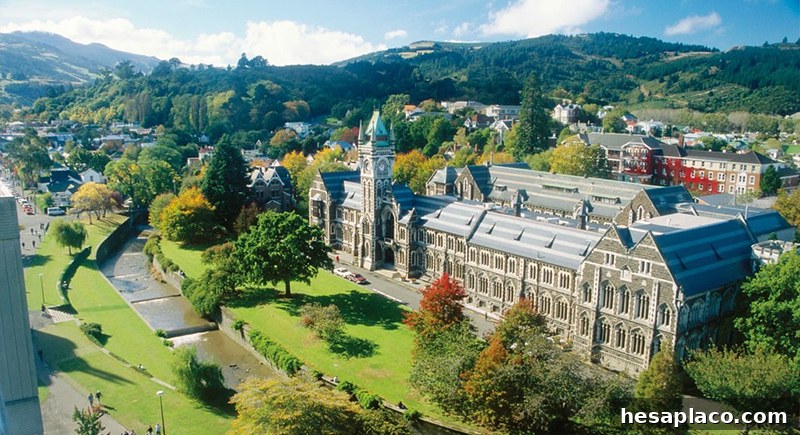
Dunedin, New Zealand
Credit: flickr
Dunedin’s scale and infrastructure make it well-suited to maintain services under pressure. Close to agricultural land and protected harbors, the city supports a mixed economy that includes education and manufacturing. Its southern location also helps distance it from many geopolitical hotspots.
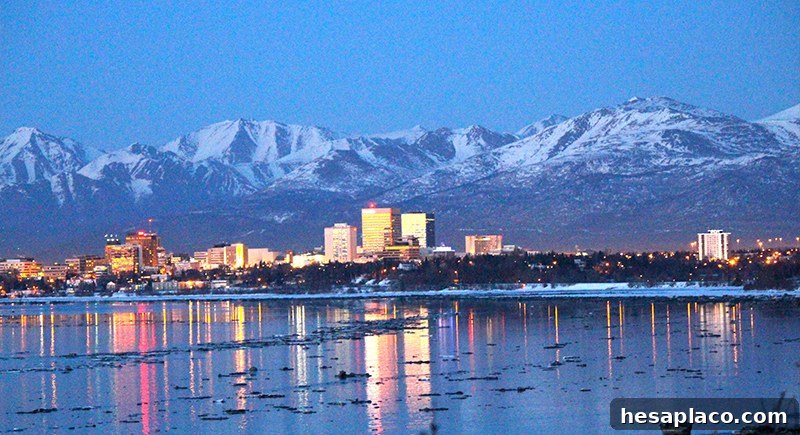
Anchorage, Alaska
Credit: Wikimedia Commons
Anchorage offers substantial natural resources — fisheries, forestry, and energy reserves — alongside vital infrastructure like hospitals and schools. While the climate is challenging, the city’s logistical capabilities and local know-how make it a practical refuge for those prepared for harsher conditions.
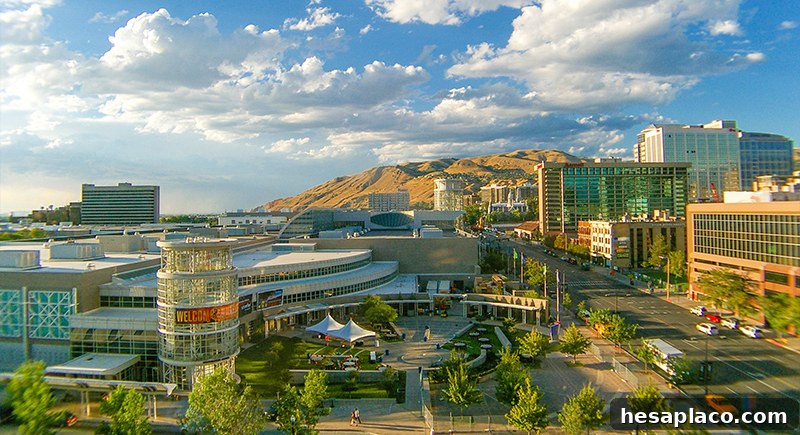
Salt Lake City, Utah
Credit: Wikimedia Commons
Salt Lake City benefits from elevation, strategic planning, and significant state investment in emergency preparedness. The city’s awareness of resource management and readiness for crises make it a reasonable option for people who value organized, proactive communities.
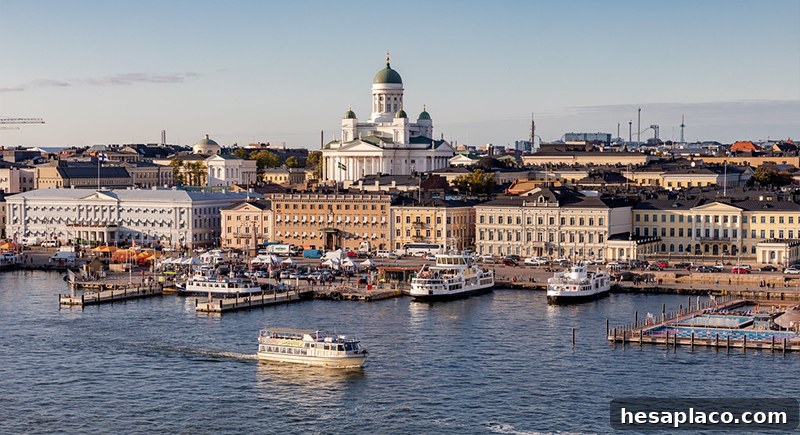
Helsinki, Finland
Credit: flickr
Helsinki may be cold, but it’s politically stable, well-governed, and heavily invested in social services and education. Finland’s robust social safety net, consistent governance, and focus on energy independence provide strong foundations for coping with economic or social shocks.
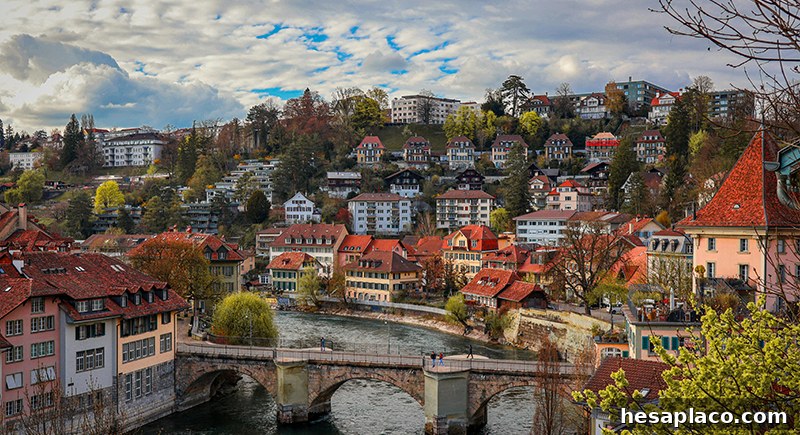
Bern, Switzerland
Credit: pexels
Switzerland’s capital offers reliable infrastructure and governance set within naturally protected terrain. Local food production, energy reliability, and long-standing administrative continuity make Bern a logical pick for those prioritizing stability and logistical robustness.
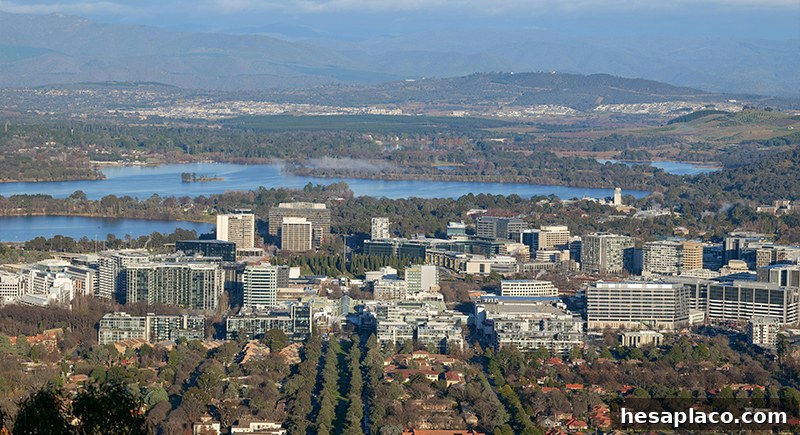
Canberra, Australia
Credit: pexels
Canberra’s inland position, governmental infrastructure, and surrounding agricultural land create resilient advantages not shared by some coastal, trade-dependent cities. In scenarios where coastal supply lines are threatened, Canberra’s location and institutional strength can help sustain essential services.
Burlington, Vermont
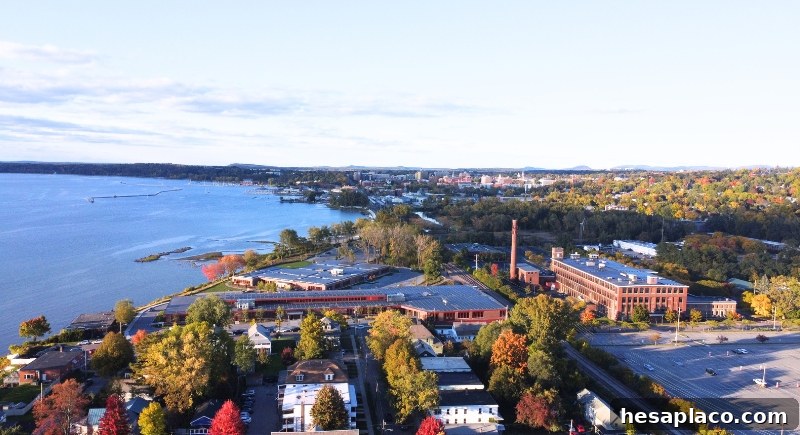
Credit: Getty Images
Burlington’s lakeside setting and tight-knit local food networks help it remain steady when wider systems wobble. Regional farming and a state emphasis on renewable energy keep essential resources relatively close to home. For those who prefer a quieter, community-oriented refuge, Burlington fits the bill.
Perth, Australia
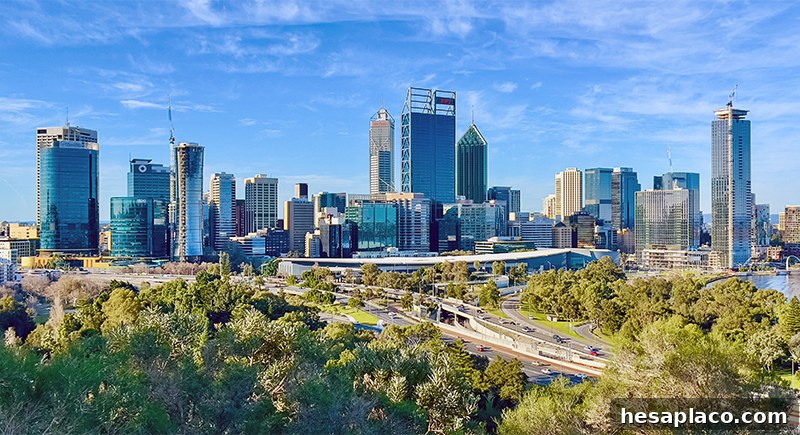
Credit: Wikimedia Commons
Perth’s distance from other major population centers changes how it functions under pressure. Local production, port access, and industries like mining and energy underpin the economy. The region’s spread-out lifestyle and resource base can reduce stress on systems when demand spikes.
Each of these places brings different strengths — isolation, renewable energy, local food production, infrastructure, or strong governance. No location is immune to every risk, but choosing a place with practical resources, community cohesion, and reliable institutions can make a meaningful difference when global systems are strained.