
Grocery prices have climbed in recent years, and that increase is obvious at the checkout. Even when you buy the same items, the total often feels higher. Much of this stems from small choices that are easy to overlook. Some products cost more because they offer convenience, carry a well-known brand, or come in elaborate packaging rather than providing greater value. Over time, these extra costs add up and make it simpler to spend more than intended.
Pre-Cut Fruits and Vegetables
Credit: iStockphoto
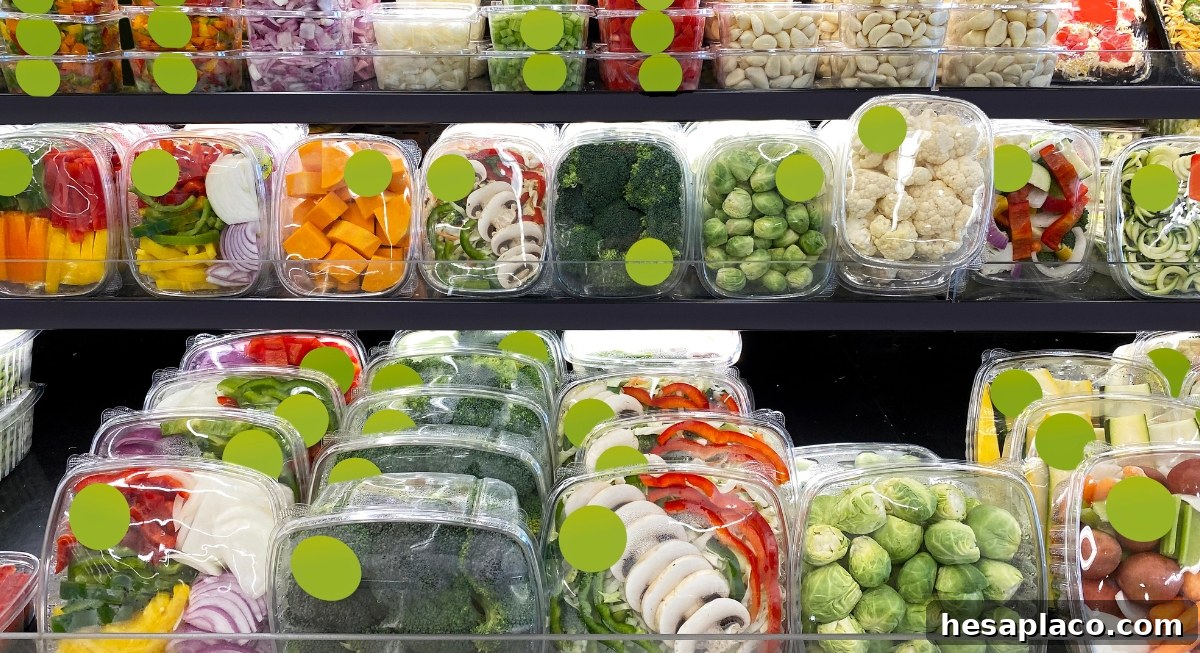
Pre-cut fruits and vegetables look convenient on the refrigerated shelf, but they cost considerably more than whole produce. A small container of sliced watermelon or mixed fruit can be close in price to an entire melon or a few whole pieces. What you pay for is the labor to slice and package, plus the shorter shelf life and the convenience premium. Buying whole produce and preparing it at home usually yields better value and less waste.
Bottled Water

Credit: Wikimedia Commons
Bottled water is a frequent impulse buy, but its long-term cost can be surprisingly high. Industry markups can be extreme because the price reflects packaging, bottling, and distribution rather than the water itself. In many regions, tap water meets safety standards and is a far less expensive alternative. Carrying a reusable bottle and filling it at home can significantly reduce spending and environmental impact.
Single-Serve Snacks
Credit: Canva
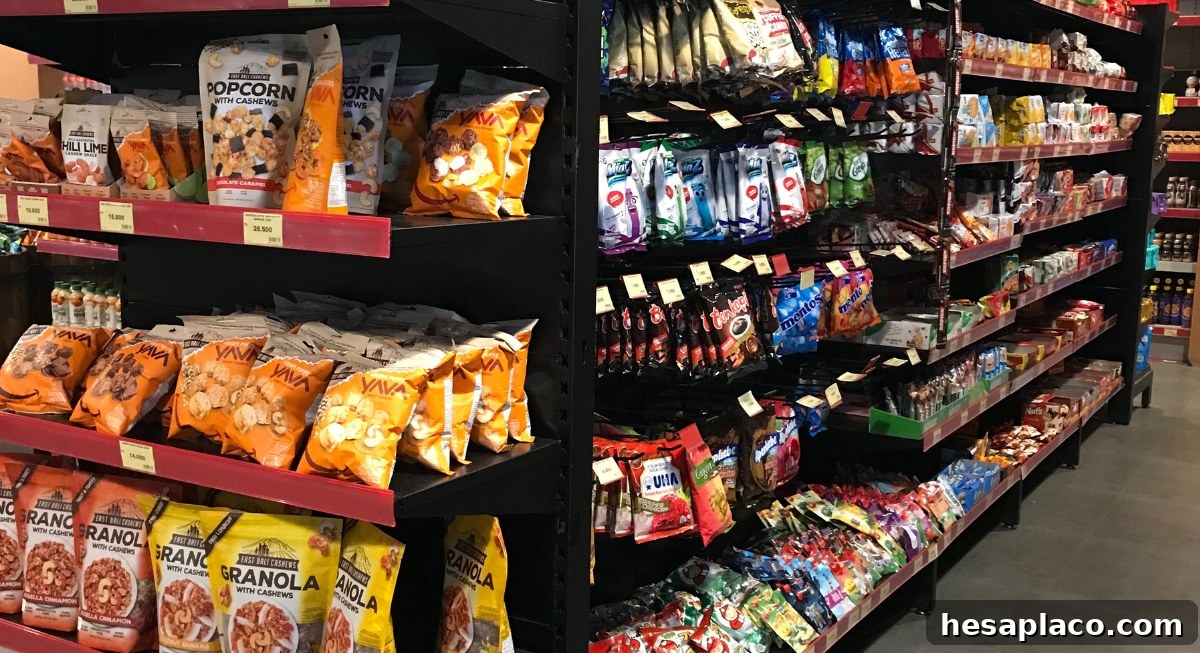
Single-serve snack packs are popular for convenience and portion control, but the cost per ounce is usually much higher than larger packages. Instead of buying individually wrapped portions, purchase larger bags or containers and portion them into reusable containers or bags at home. That approach preserves convenience while lowering the unit cost and reducing waste from extra packaging.
Organic Processed Foods
Credit: Getty Images
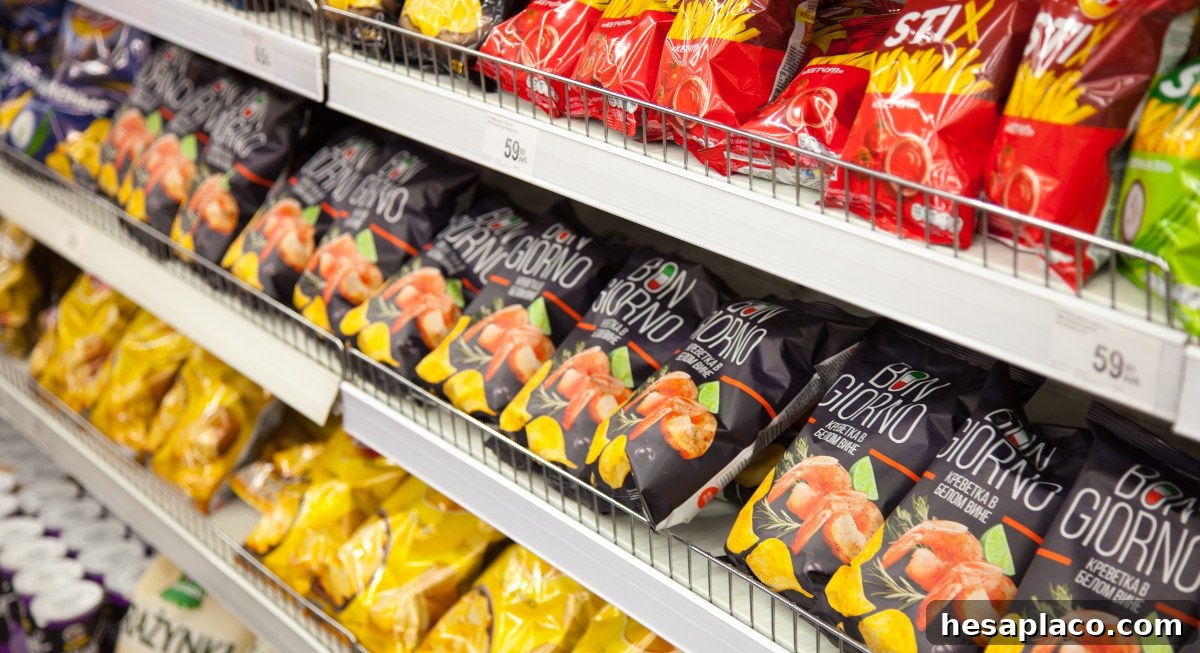
Organic labels often carry a price premium, but that doesn’t automatically mean processed organic foods are healthier. Cookies, chips, breakfast cereals, and similar items labeled “organic” can still be high in sugar, salt, and fats. The organic designation mainly indicates how ingredients were produced or sourced, not the nutritional profile of the finished product. For budget-conscious shoppers, it’s wise to evaluate ingredients and nutrition instead of relying solely on organic branding.
Pre-Made Smoothies
Credit: iStockphoto
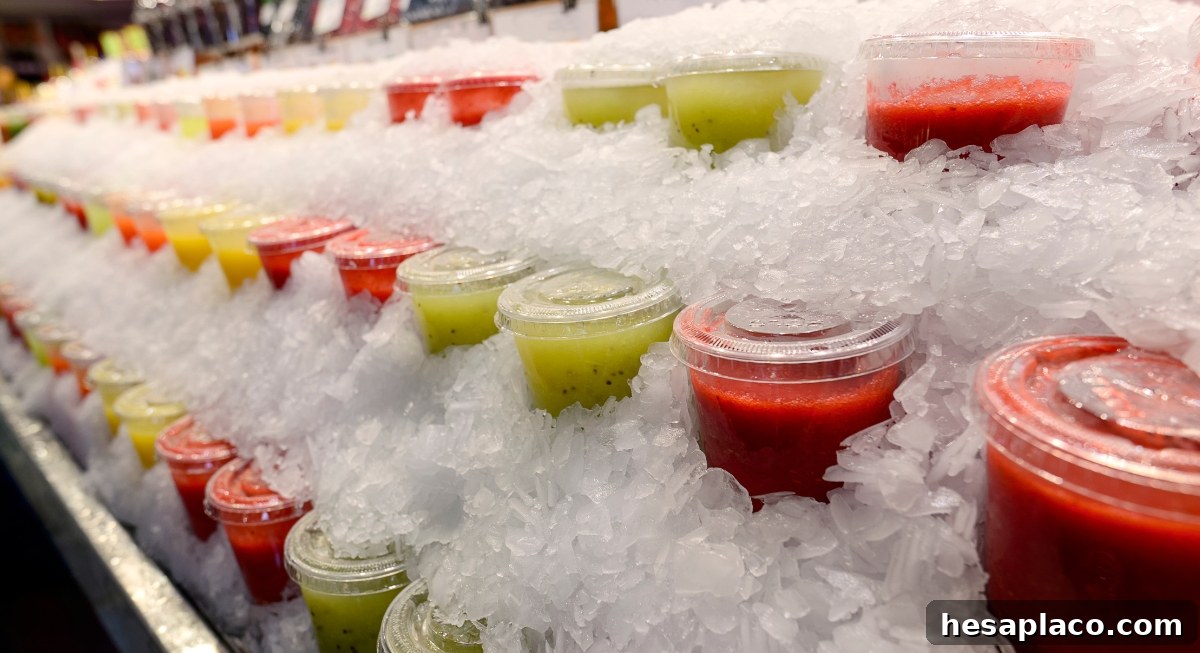
Ready-made bottled smoothies are convenient but more expensive per serving than homemade versions. With just a few ingredients—fresh or frozen fruit, yogurt or milk, and perhaps a handful of greens—you can blend smoothies at home tailored to your taste and portion needs. Making them yourself also lets you control sugar levels and ingredient quality while saving money.
Name-Brand Spices
Credit: Wikimedia Commons
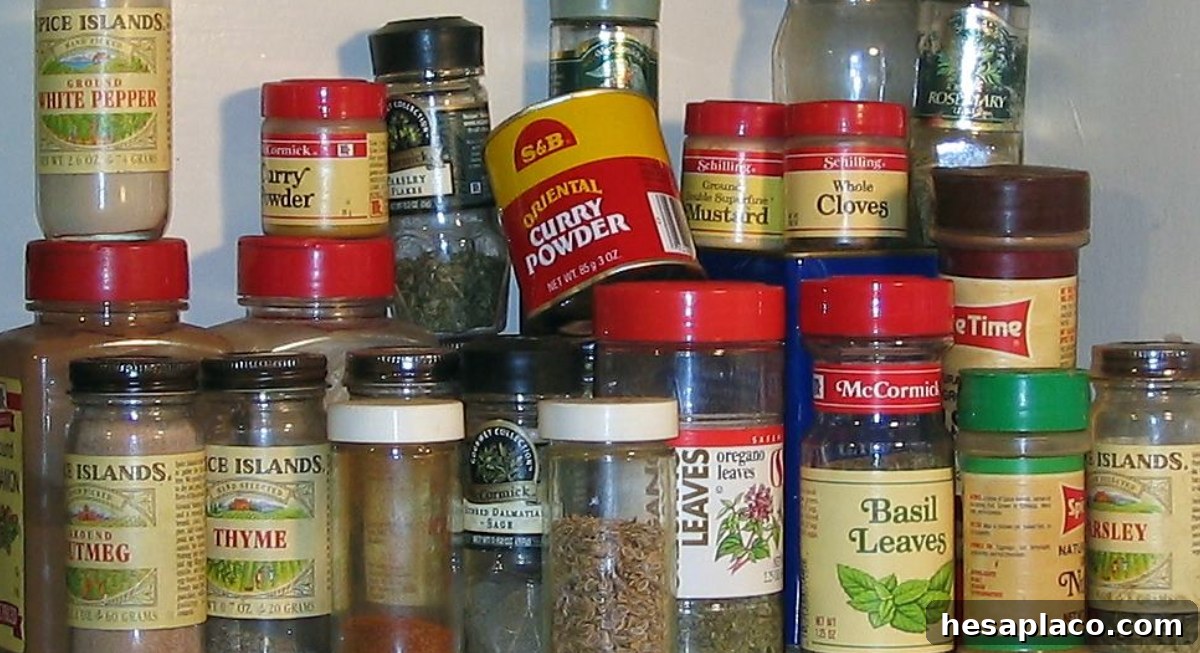
Premium spice brands can be notably more expensive, yet many store-brand or bulk spices deliver the same flavor and aroma. Specialty markets, bulk bins, and store-brand alternatives let you buy just the amount you need and often at better freshness and price. For everyday cooking, choosing less expensive spices or buying in smaller quantities preserves flavor without stretching the grocery bill.
Frozen Meals
Credit: Wikimedia Commons
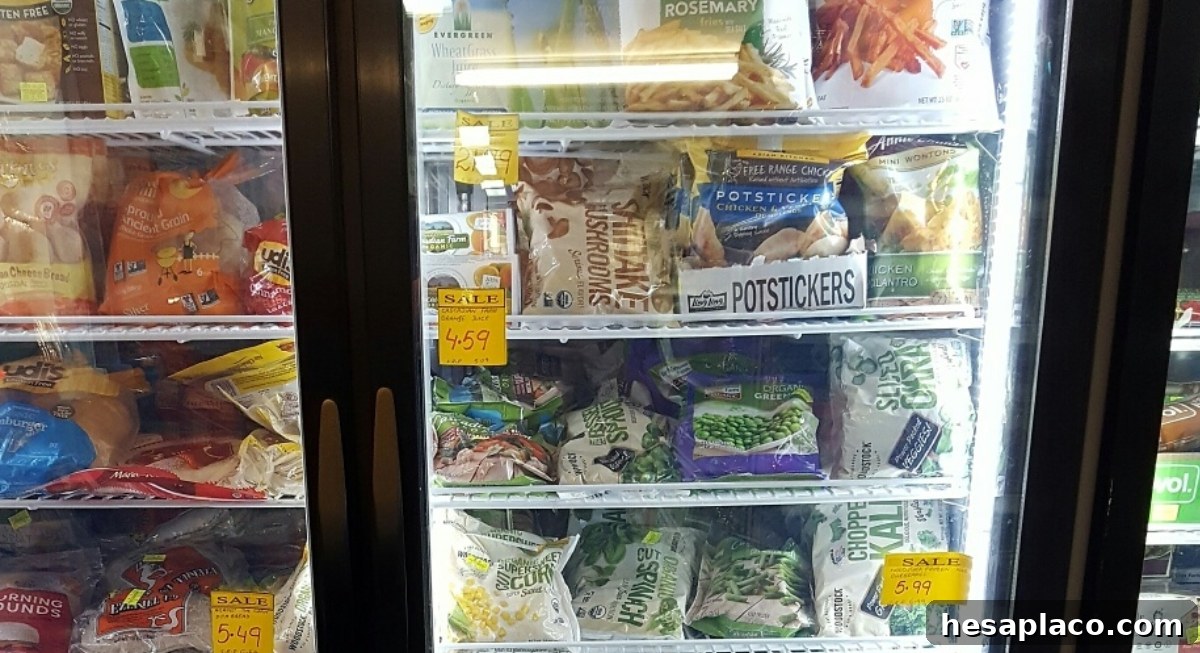
Frozen convenience meals offer a quick option on busy nights, but they often carry trade-offs for both cost and nutrition. Many frozen entrees are high in sodium, preservatives, and fillers to extend shelf life and maintain texture. Preparing meals in batches at home or planning simple, quick recipes can control ingredient quality and reduce costs. Batch-cooking also provides convenient ready-to-eat portions without the same price premium or additives.
Individual Yogurt Cups

Credit: pexels
Single-serving yogurt cups are handy, but they are more expensive per ounce than a large tub of yogurt. Many individual cups also include added sugars and flavorings that raise calories. Buying a larger container of plain yogurt and portioning it into smaller containers, then adding fresh fruit, granola, or a drizzle of honey, offers the same convenience at a much lower cost and often better nutrition.
Pre-Marinated Meats
Credit: Wikimedia Commons
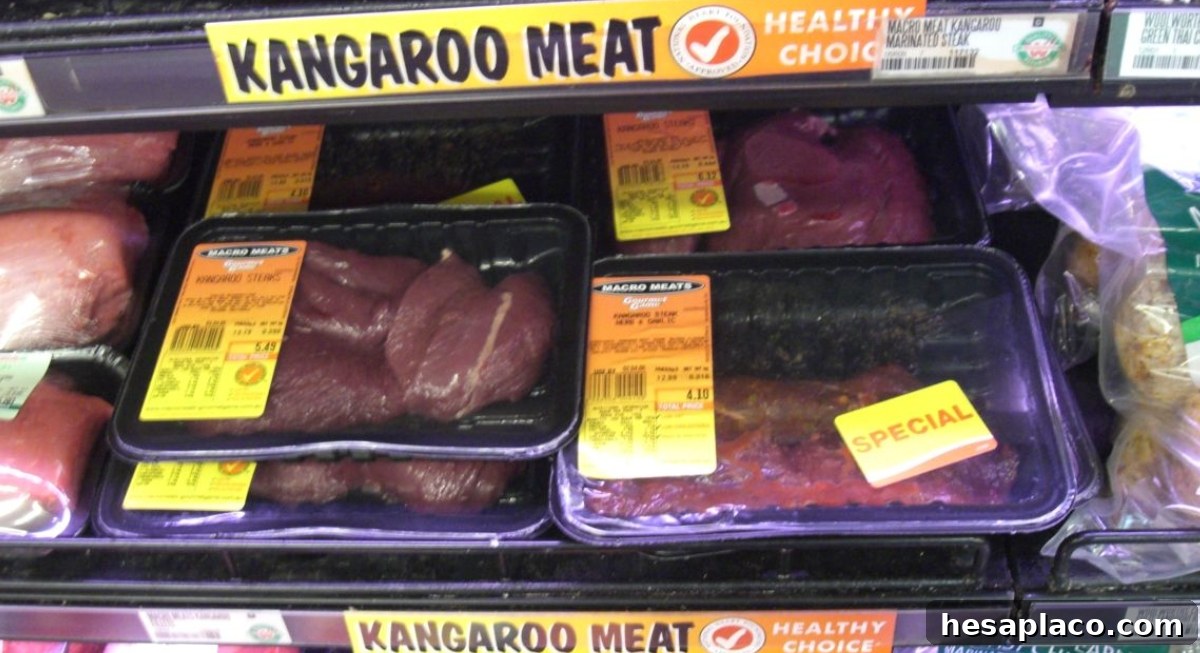
Marinated or pre-seasoned meats save time but usually cost more per pound than unseasoned cuts. The added marinade often includes excess salt, sugar, and artificial additives, and you may be paying for that convenience rather than better quality. Buying plain cuts and preparing your own marinades lets you control flavors, reduce unnecessary additives, and keep costs lower.
Pre-Made Salads
Credit: Canva
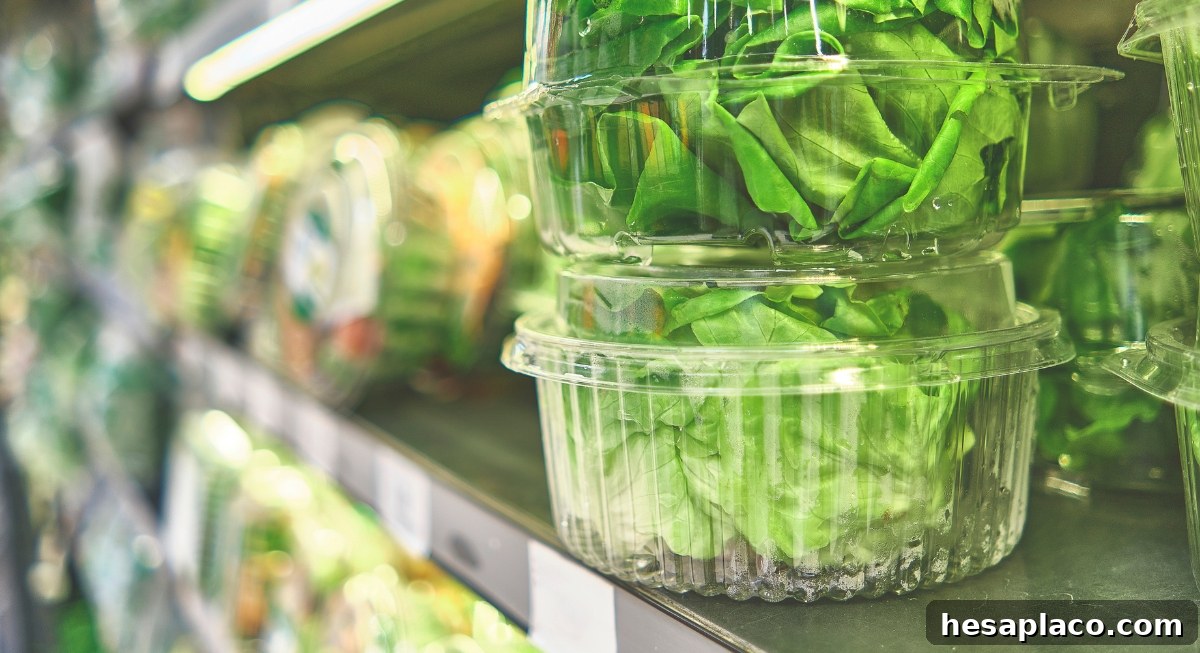
Pre-made salads offer speed and convenience but often come with a higher price tag than assembling your own. The ingredients—lettuce, vegetables, proteins, and dressing—are typically simple and inexpensive when bought separately. Making salads at home gives you fresher results, better portion control, and the ability to customize ingredients, which usually costs less per serving than ready-made options.
Small, convenience-driven purchases contribute to higher grocery bills over time. By recognizing which items carry a convenience premium—pre-cut produce, single-serve snacks, branded spices, and ready-made meals—you can make smarter substitutions without sacrificing convenience or flavor. Simple swaps like buying whole produce, preparing basics in larger quantities, using bulk spices, and batch-cooking meals deliver meaningful savings while keeping your meals enjoyable and nutritious.