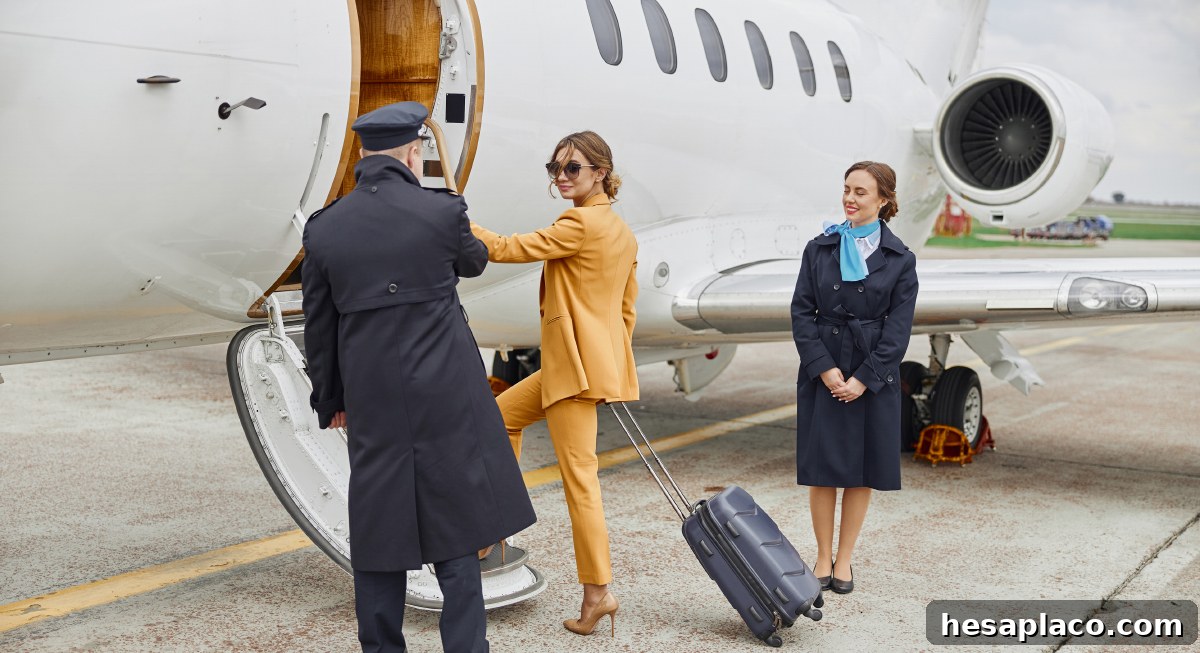
Flying private becomes enjoyable and effortless when you pay attention to the small details that shape the onboard experience. There’s an unspoken rhythm to how things work: when to take a seat, how to accept service, and how to respect others’ space without explicit instructions. Those subtle social cues often matter more than any written rule.
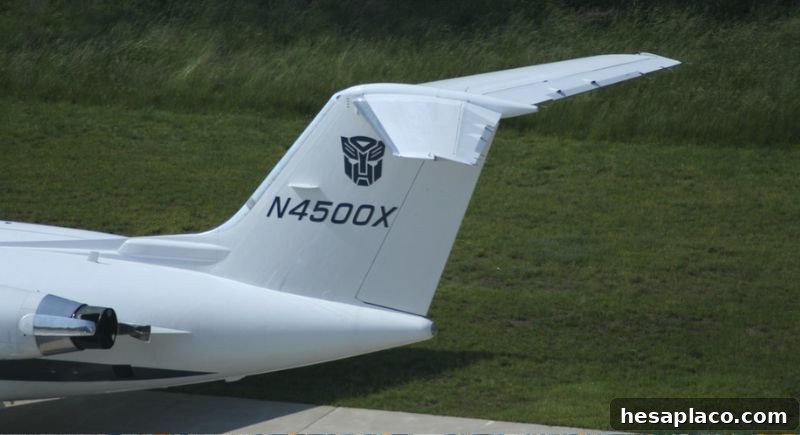
Don’t Share the Jet’s Tail Number
Credit: flickr
Taking a photo of a jet’s tail number may seem harmless, but it’s best avoided. That combination of letters and numbers can reveal flight paths and sometimes point to who’s traveling. With flight-tracking apps widely available, posting or sharing tail numbers can unintentionally expose details better kept private.
Capture the Ambiance — But Do It Thoughtfully
Credit: pixabay
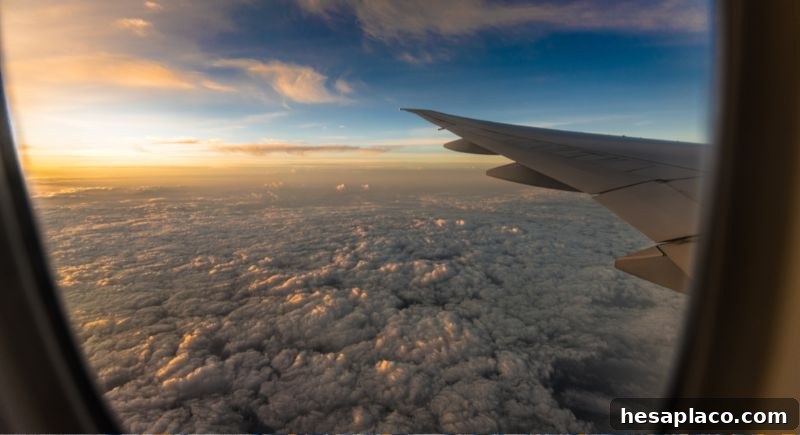
You can still share glamorous moments without revealing too much. Photos of the warm cabin light, elegant wood finishes, or a perfectly chilled glass of champagne capture the feeling of flying private without exposing identifying details. Industry professionals often encourage tasteful photos that highlight the vibe rather than specifics that could compromise privacy.
Keep Your Voice Low in the Cabin
Credit: Getty Images
Sound carries easily in a quiet, well-insulated cabin. Even a modestly loud conversation or a phone call can disrupt the calm atmosphere that private jets are designed to provide. Speak softly, avoid dramatic phone conversations, and be mindful that even normal-volume speech can feel amplified in those spaces.
Choose Practical, Low-Mess Foods
Credit: Getty Images
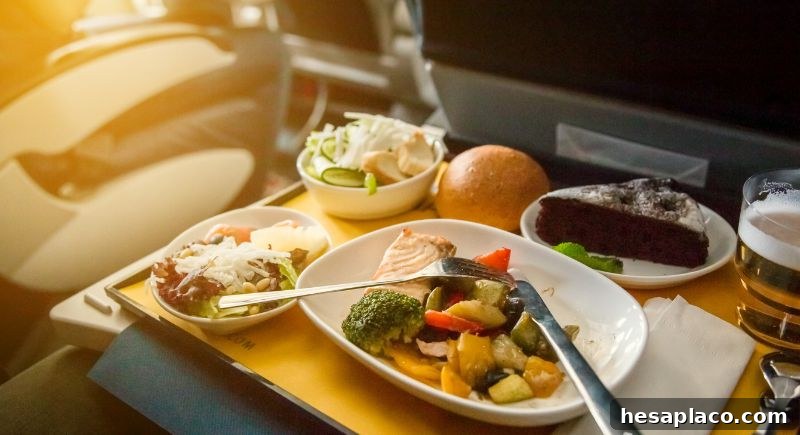
Gourmet in-flight catering is part of the appeal, but smart passengers pick items that are tidy and low on strong odors. Avoiding tuna, heavy-egg dishes, or anything prone to spilling keeps the cabin pleasant for everyone and reduces the chance of awkward cleanups.
Pack Light and Smart
Credit: corelens
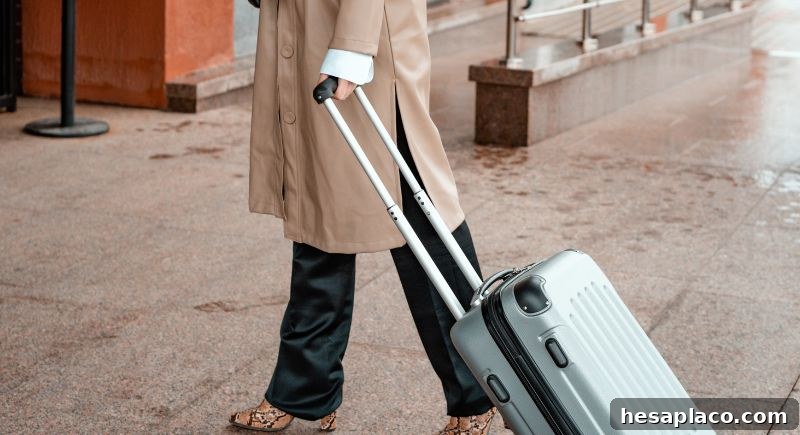
Cabin and baggage space on private jets is valuable. Smaller models may offer only a few dozen cubic feet of luggage room, while larger jets provide more but still require planning. Pack efficiently, know the aircraft’s storage capacity when possible, and aim for luggage that stows easily to keep boarding smooth and comfortable for everyone.
Don’t Assume Seat Assignments
Credit: Getty Images
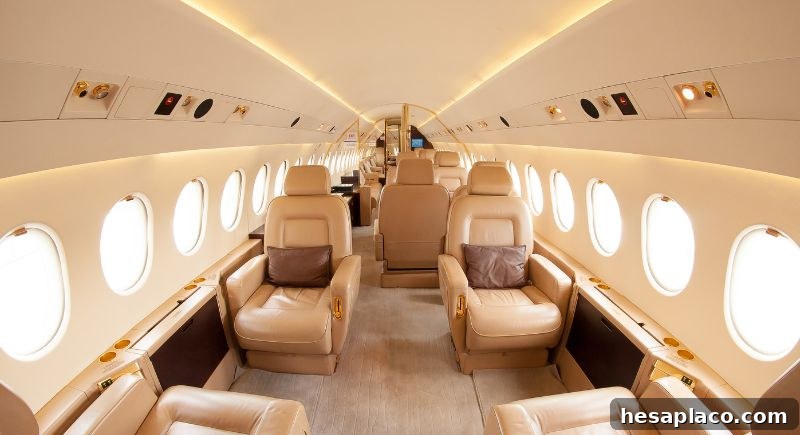
Some flights, particularly those serving business groups, use pre-assigned seating to facilitate conversation and logistics. Typically, the host or lead passenger selects their seat first—often a forward-facing spot on the right—and others follow. When in doubt, check with the crew or defer to the host to avoid awkwardness.
Arrive Early — Don’t Be Late

Credit: Getty Images
Private flights run on tight schedules and won’t wait indefinitely. Arriving around 30 minutes before departure gives you time to check in, stow bags, and settle without causing delays. If you anticipate being late, notify the operator immediately so they can decide whether an adjustment is possible.
Dress Comfortably and Neatly
Credit: Canva
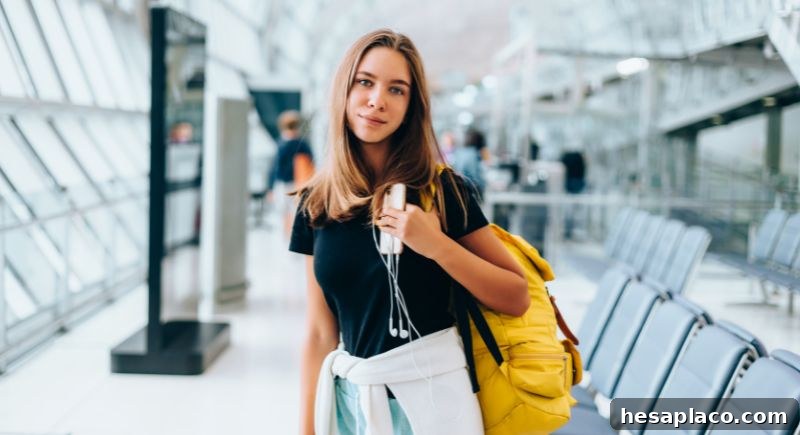
There’s no need for an overly formal outfit. The ideal approach is clean, comfortable, and presentable clothing that allows you to relax during the flight. Practical footwear and layers for cabin temperature changes are wise choices.
Book Ahead When Possible
Credit: Getty Images
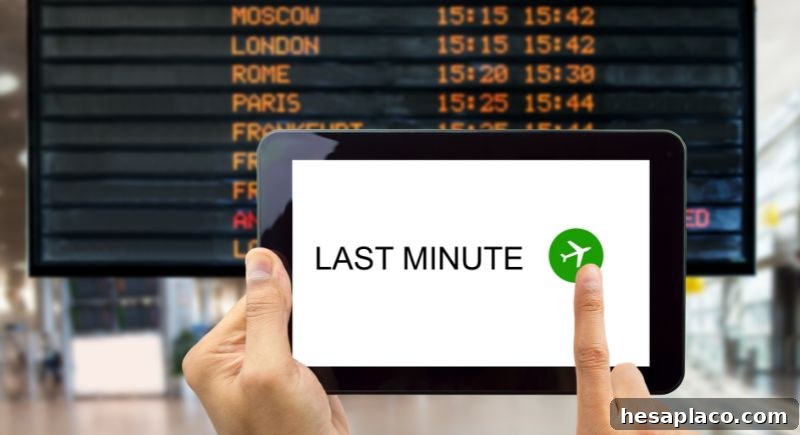
Planning your private jet trip in advance—often one to two months before travel—expands your options for aircraft, departure times, and onboard amenities. Early booking can also lead to better pricing and more flexibility, especially during busy travel seasons when demand drives up rates and availability becomes limited.
Communicate Your Preferences Early
Credit: Getty Images
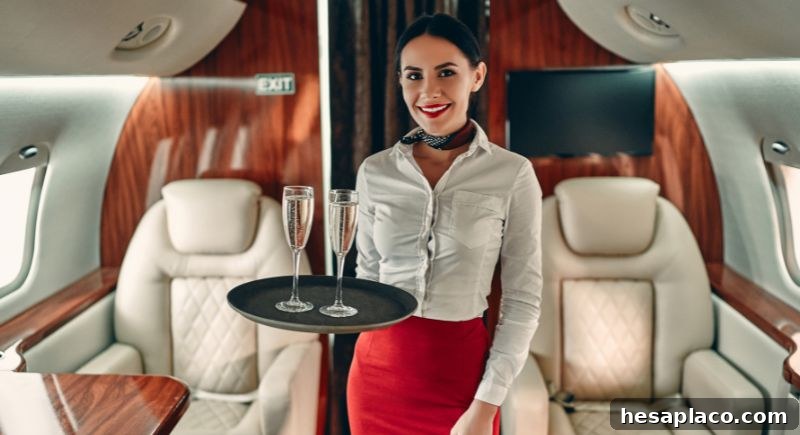
Sharing preferences ahead of time helps the crew tailor the flight to your needs. Whether you prefer a certain playlist, require gluten-free snacks, have allergies, are traveling with a pet, or need medical accommodations, communicating details in advance prevents last-minute complications and ensures a more comfortable journey.
Bring Proper Identification
Credit: Photo Images
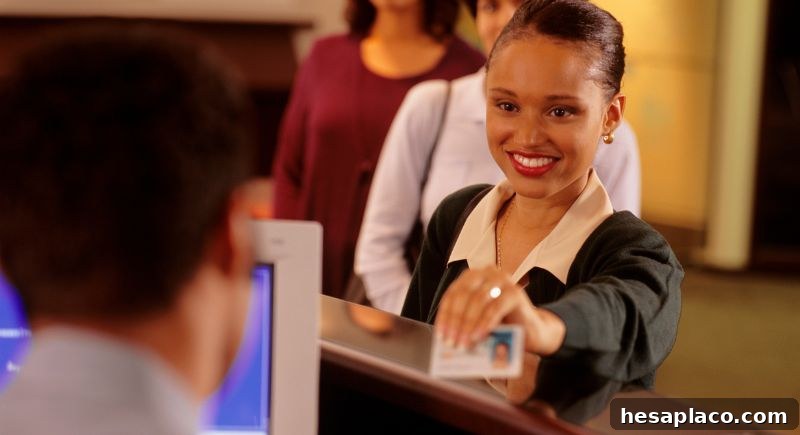
For domestic flights, a government-issued ID is required; international travel requires a passport and, where applicable, visas. Operators collect passenger details to create manifests for security and logistics, so having proper documentation and any necessary pet health records ready avoids delays at departure.
Avoid Using the Lavatory During Critical Phases
Credit: Getty Images
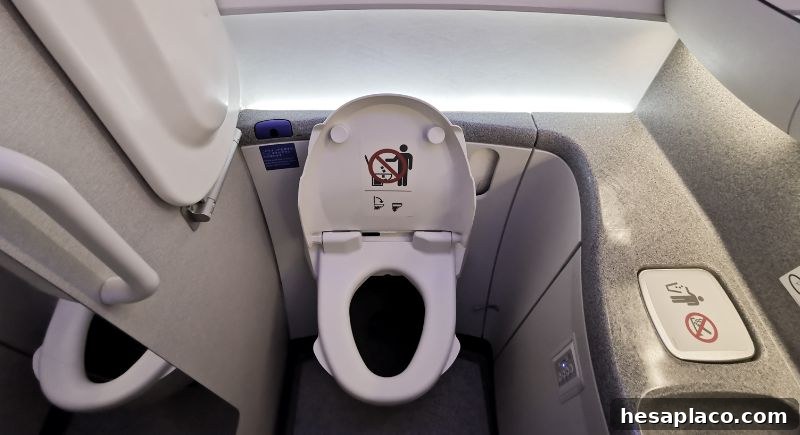
Even though private jet lavatories are functional and often well-appointed, common courtesy and safety mean avoiding them during takeoff, landing, or while taxiing. Plan restroom use for the quieter parts of the flight or take care of it before boarding to minimize cabin movement during critical phases.
Expect Possible Additional Fees

Credit: pexels
Chartering a jet includes many conveniences, but extra charges can apply. Upgraded catering, fuel surcharges, overnight crew accommodations, airport handling fees, and route changes are common examples. Ask about potential add-ons when booking so you’re not surprised by the final cost.
Observe Basic Courtesies
Credit: Getty Images
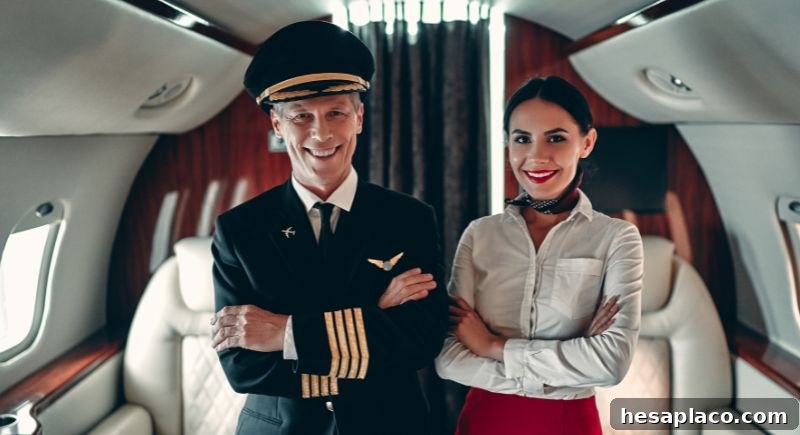
Simple gestures—saying “thank you” to the crew, offering a polite smile to fellow passengers, and keeping noise levels considerate—set a positive tone. Treat the cabin as a shared space, give others room, and be mindful of how your actions affect the group’s comfort.
Confirm Your Travel Details

Credit: Getty Images
Private travel often offers more flexibility, which also means you should double-check arrangements: confirm flight times, coordinate ground transportation, and verify hotel bookings. Knowing the specific jet assigned to your trip helps you prepare for luggage capacity and onboard amenities.
Moderate Alcohol Consumption
Credit: iStockphoto
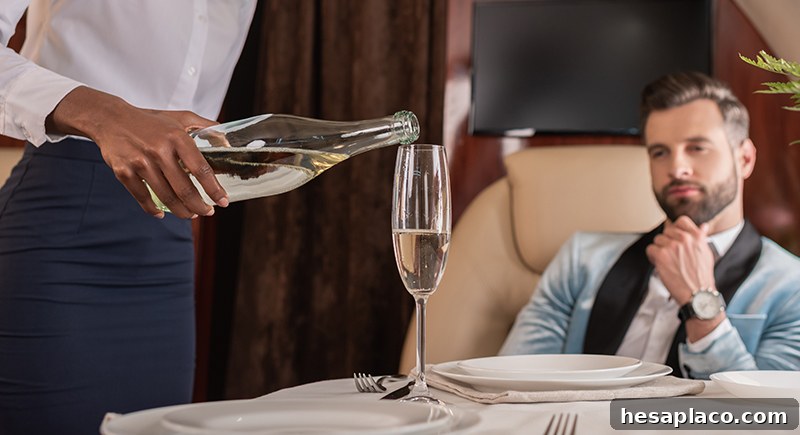
Premium drinks are part of the private jet experience, but alcohol affects people more at altitude and can change the cabin atmosphere quickly. Pace yourself, drink responsibly, and consider how your behavior will impact others in the confined cabin space.
Avoid Boarding with Red Wine
Credit: Getty Images
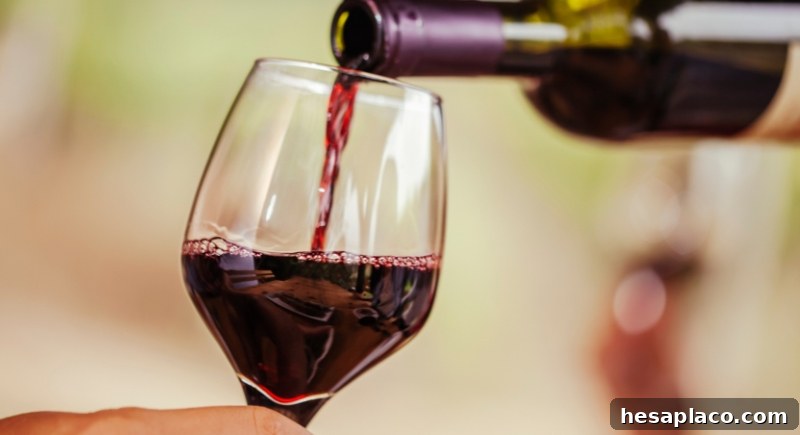
Red wine can easily stain light interiors and plush upholstery if spilled during turbulence or movement. Crews typically prefer to serve drinks once passengers are seated and settled to minimize the risk of spills and protect cabin finishes.