
Retirement in the South is more than rocking chairs and sweet tea. Costs can vary widely depending on the state and neighborhood, so finding the right place requires balancing affordability, healthcare access, and quality of life. Below is a practical, state-by-state look at what middle-class retirees might expect to save for a comfortable 20-year retirement, and what tax or cost features can affect their budgets.
Alabama
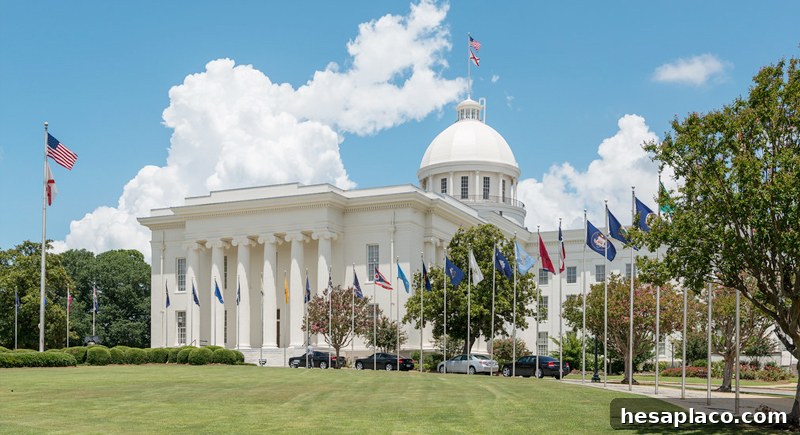
Credit: flickr
Alabama can feel like a peaceful change of pace, but retirees should plan carefully. A middle-class retiree aiming for a 20-year retirement would typically need roughly $364,868 in savings if they receive Social Security, or about $827,027 without it. While overall living costs are relatively low, housing and healthcare should be examined closely when choosing a location.
Arkansas

Credit: flickr
With mountains, rivers, and affordable living, Arkansas stands out for budget-conscious retirees. Middle-class households—earning between roughly $39,000 and $117,500—may need about $321,482 in savings for 20 years with Social Security, or around $783,640 without it. The state also does not tax Social Security benefits, which can improve retirement cash flow.
Florida
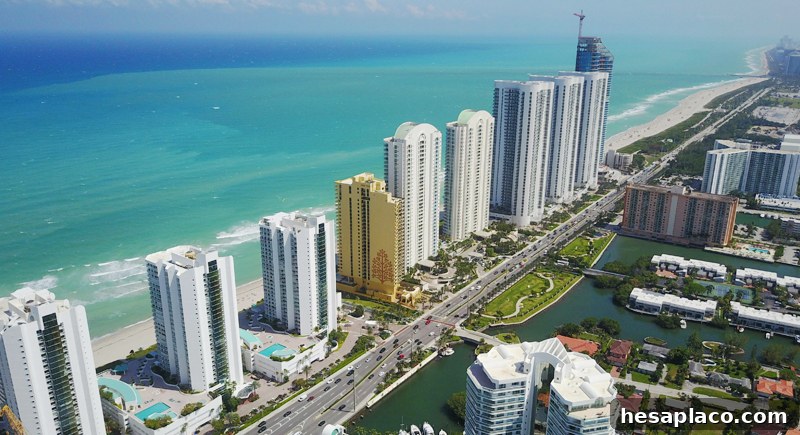
Credit: pexels
Florida is attractive to retirees for financial and lifestyle reasons. With no state income tax, Social Security, pensions, and retirement account withdrawals are not taxed at the state level. Middle-class retirees—earning roughly $48,000 to $143,400—should plan for about $493,988 in savings for a 20-year retirement with Social Security, or $956,147 without it.
Georgia

Credit: flickr
Georgia offers scenic small towns and varied retirement options. For middle-class retirees with incomes in the $47,800 to $143,400 range, saving about $533,362 will help cover 20 years of retirement with Social Security. Without Social Security, the target rises to approximately $995,520. Consider healthcare access and local cost differences when choosing between metro and rural areas.
Kentucky

Credit: flickr
Kentucky can be tax-friendly for retirees. The state does not tax Social Security benefits, and residents 65 and older may exclude up to $31,110 of other retirement income. Middle-class retirees earning roughly $47,800 to $143,400 should aim for about $370,068 in savings with Social Security, or about $832,227 without it.
Louisiana

Credit: flickr
Louisiana offers unique culture, music, and food along with relatively low housing costs—the average home price is notably below the national average. Middle-class retirees should target about $338,148 in savings for 20 years with Social Security or about $800,307 without it. Affordable housing can stretch retirement dollars, but local healthcare and insurance costs vary by region.
Mississippi

Credit: flickr
Mississippi tends to offer a slower pace and lower cost of living. Middle-class retirees with incomes between about $36,600 and $109,800 would likely need roughly $270,042 in savings for 20 years with Social Security, or around $732,200 without it. Lower day-to-day expenses help retirement savings last, but healthcare access should be reviewed by county.
North Carolina

Credit: flickr
North Carolina combines varied landscapes with reasonable costs in many areas. Middle-class retirees should consider saving about $469,895 for 20 years if counting Social Security, or about $932,053 without it. The state does not tax Social Security benefits, and competitive housing and healthcare prices in many counties help retirement budgets stretch further.
Oklahoma

Credit: Wikimedia Commons
Oklahoma offers lower costs for essentials like housing, food, and healthcare. Middle-class retirees earning between roughly $42,400 and $127,200 should plan for about $385,882 in savings with Social Security, or $848,040 without it. The state also allows a $10,000 retirement income exclusion for residents 65 and older, which can ease taxable income.
South Carolina
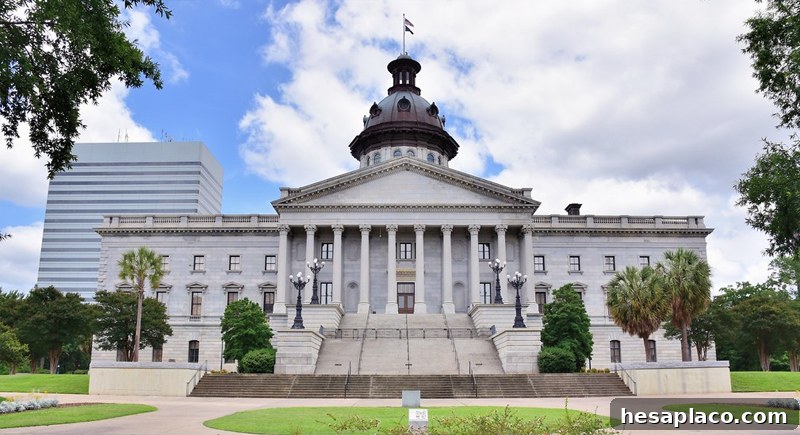
Credit: flickr
South Carolina offers coastal breezes, historic towns, and generally affordable living. Middle-class retirees with incomes between about $44,500 and $133,600 should target roughly $428,748 in savings for 20 years with Social Security, or about $890,907 without it. Local property values and health services vary, so location within the state matters to retirement costs.
Tennessee

Credit: Wikimedia Commons
Tennessee features a generally low cost of living and strong healthcare centers in larger cities. Middle-class retirees—earning around $44,700 to $134,200—should plan for about $432,468 in savings for 20 years with Social Security, or about $894,627 without it. While metropolitan areas provide robust medical care, rural locations may require more planning for access and services.
Texas

Credit: flickr
Texas combines wide open spaces, varied communities, and no state income tax. Middle-class retirees with incomes between about $50,900 and $152,600 should plan to save roughly $555,068 for a 20-year retirement with Social Security. The lack of state income tax can make a meaningful difference for retirement income, though property taxes and healthcare costs vary by locality.
Virginia

Credit: flickr
Virginia offers history, diverse communities, and higher overall costs in many areas. Middle-class retirees earning roughly $60,650 to $181,950 should consider saving about $750,828 for 20 years with Social Security, or about $1,212,987 without it. Urban and suburban regions tend to be pricier, so careful planning is crucial.
West Virginia
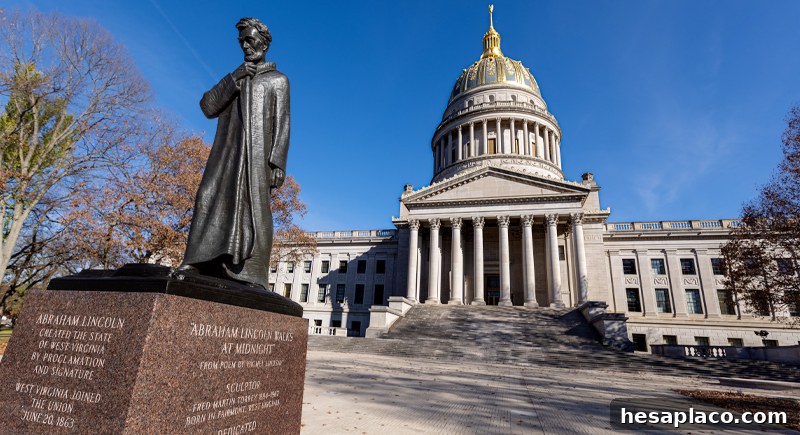
Credit: Wikimedia Commons
West Virginia’s lower prices and relaxed pace make it appealing to retirees who want their savings to last. Middle-class retirees with incomes between about $38,600 and $115,800 should plan for roughly $310,068 in savings for 20 years with Social Security. The state’s move to eliminate Social Security taxes by 2026 further enhances retirement affordability there.
Delaware
Credit: Wikimedia Commons
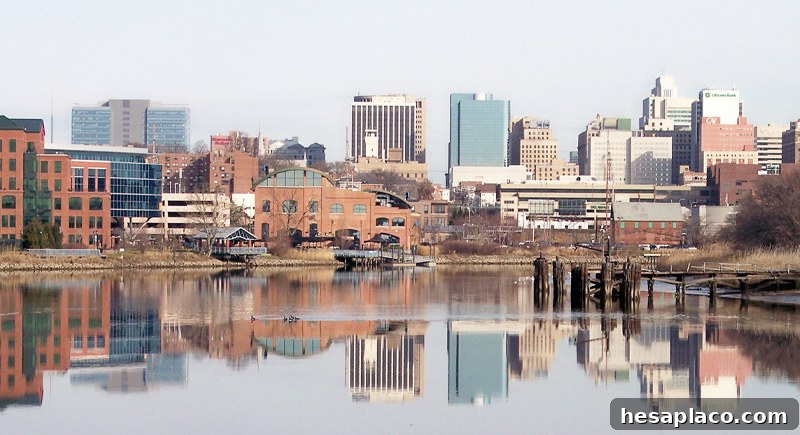
Delaware’s low property taxes and retirement income exclusions make it attractive to older residents. Middle-class retirees with incomes between about $55,200 and $165,700 should aim for roughly $642,575 in savings for 20 years with Social Security, or about $1,104,733 without it. The state also offers a retirement income exclusion for residents 60 and older, which can reduce taxable income.
Maryland

Credit: Canva
Maryland can be more expensive, particularly near major metropolitan areas. A middle-class retiree may need around $893,000 in savings to cover 20 years with Social Security, and significantly more without it. Higher taxes and healthcare costs in some regions make detailed planning essential.
Missouri
Credit: Wikimedia Commons
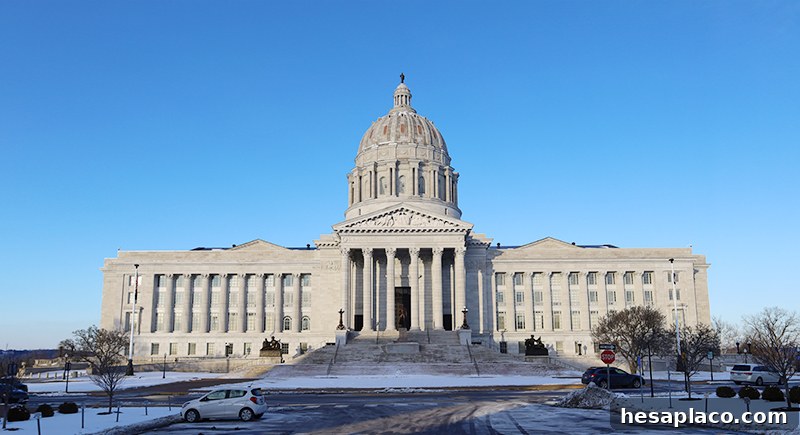
Missouri offers a gentler cost of living for retirees. Lower housing prices and everyday expenses translate to annual estimated costs of about $30,475 after Social Security for a middle-class retiree. This affordability can help savings last longer, though retirees should still review state tax rules on retirement income.
Choosing the right retirement destination in the South means weighing local housing costs, tax treatment of retirement income, healthcare access, and lifestyle preferences. Reviewing state-specific tax breaks and local healthcare resources can make a major difference in how far retirement savings will go.