
If your home has been on the market with little interest, it can be frustrating and puzzling. Many factors can cause a property to sit unsold, and they aren’t always related to the home’s actual value. Below are common reasons a house might not be selling and practical steps you can take to improve your chances of a successful sale.
Your Listing Price May Be Too High

Credit: freepik
One of the most common reasons homes don’t sell is an asking price that’s out of step with the market. Buyers quickly compare listings, and if similar properties nearby are priced lower, your home may be overlooked. Review recent comparable sales and current market trends, and be open to adjusting your price to attract more qualified buyers.
The Market Has Slowed
Credit: freepik
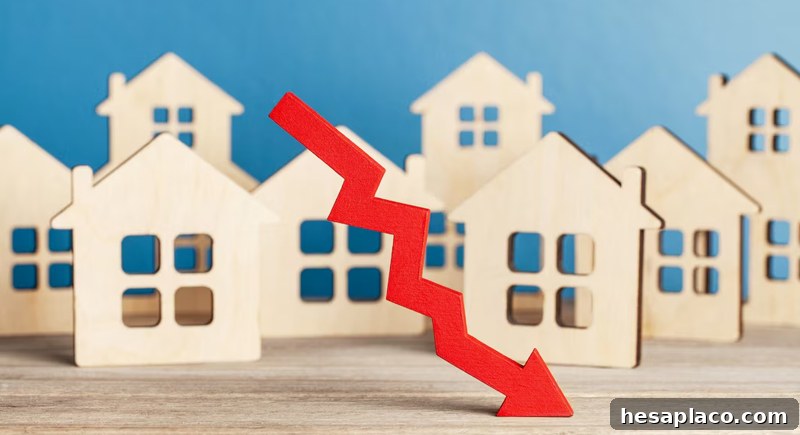
Real estate markets fluctuate. When demand softens or mortgage rates rise, buyers may hesitate. While you can’t control macroeconomic conditions, you can respond by being flexible on price, extending the closing timeline, or offering incentives like paying part of the closing costs to make the deal more attractive.
Needed Repairs Are Turning Buyers Off

Credit: freepik
Major maintenance issues or visible damage can scare buyers away or invite low offers. Address obvious problems—leaky faucets, broken windows, damaged floors—and don’t ignore small fixes like loose doorknobs or scuffed paint. Making basic repairs communicates care and reduces buyer objections during inspections.
Staging Matters

Credit: freepik
Proper staging helps buyers imagine living in the space. Declutter, deep-clean, and arrange furniture to highlight flow and room function. Neutral decor and thoughtful touches can make rooms feel larger and more inviting. Hiring a professional stager is often a worthwhile investment that can speed up the sale and improve offers.
Poor Photos Hurt Online Appeal

Credit: Getty Images
Most buyers begin their search online, so low-quality images can prevent showings before anyone steps inside. Use a professional photographer, ensure rooms are well-lit, and present the best angles. High-quality photos and virtual tours increase clicks and lead to more showings.
Location Drawbacks Need Positive Framing

Credit: freepik
Location strongly influences buyer interest, and some neighborhoods are more desirable than others. If your property lacks an ideal setting, highlight nearby positives—parks, transit, schools, or dining options—or future development plans that could elevate the area’s appeal.
First Impressions Count

Credit: Canva
Curb appeal sets the tone. An overgrown yard, dirty siding, or cluttered entry can make buyers form negative opinions before they walk through the door. Simple efforts—mowing, trimming, power washing, fresh mulch, or a clean doormat—can dramatically improve first impressions.
Outdated Style Can Be a Barrier

Credit: Getty Images
Older finishes and dated design cues make buyers imagine costly renovations. Focus on affordable updates that modernize the space—fresh paint in neutral tones, new lighting, updated cabinet hardware, and modern faucets can substantially improve perception without a full remodel.
Emotional Attachment Can Cloud Judgement

Credit: Canva
Selling a home filled with memories can be emotional, which may make it hard to evaluate offers objectively. Try to treat the sale as a financial transaction: set clear goals, rely on market data, and consult your agent to make decisions that benefit your bottom line.
Too Rigid in Negotiations

Credit: Getty Images
Refusing to negotiate can cost you a sale. Buyers expect some give-and-take, whether on price, closing date, or repairs. Be prepared to compromise on reasonable requests to keep offers alive and close the transaction.
Poor Natural Light Makes Spaces Feel Small
Credit: Canva
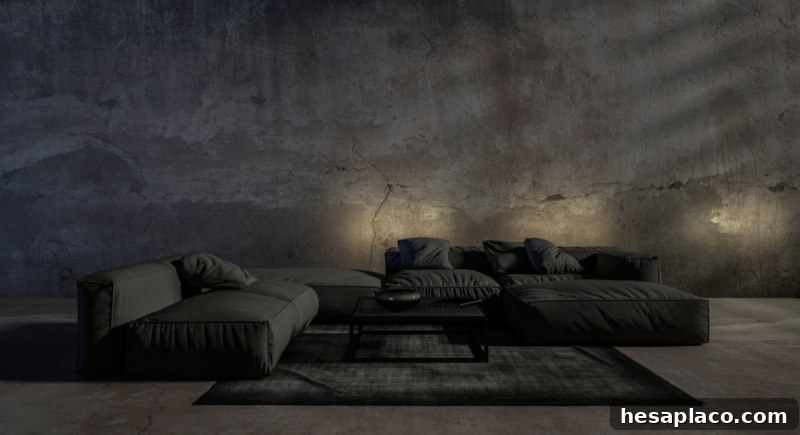
Dark rooms can feel cramped and unwelcoming. Simple solutions include cleaning windows, removing heavy curtains, using mirrors to reflect light, and choosing light-colored paint. For larger investments, consider installing skylights or additional windows to increase brightness and perceived space.
Unusual Layouts Can Confuse Buyers

Credit: freepik
An awkward floor plan can make it hard for buyers to picture living there. Rearranging or removing furniture to show functional layouts, or opening sightlines where feasible, can help buyers better understand each room’s potential.
Neighborhood Perception Affects Buyer Interest
Credit: freepik
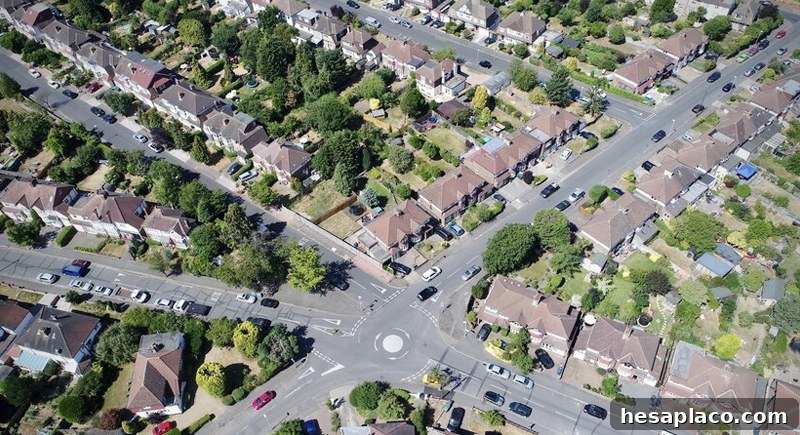
Local reputation, crime rates, and amenities influence decisions. While you can’t change the neighborhood overnight, you can present positives—good schools, transit access, or community projects—and be transparent about costs and benefits so buyers can make informed choices.
Negative History Can Be a Concern

Credit: freepik
If a property has been the site of tragic or unsettling events, some buyers may be deterred. Emphasize recent improvements, energy-efficient upgrades, or attractive features to shift attention toward the home’s strengths and reassure prospective buyers.
Weak Marketing Can Sabotage Interest

Credit: Getty Images
Even a great property can languish if it’s not marketed well. Ensure your listing appears on major real estate platforms, is supported by high-quality images and a clear, compelling description, and takes advantage of social media and local promotion to expand exposure.
Timing Affects Demand

Credit: freepik
Seasons influence buyer activity—spring and summer usually see higher demand, while fall and winter tend to slow. If your home is listed during a quieter season, consider pricing competitively or offering incentives to keep interest high until the market picks up.
Inflexible Showing Times Limit Opportunities

Credit: Getty Images
Restrictive showing schedules make it harder for buyers to view your home. Offer flexible showing windows, including evenings and weekends, to maximize the number of potential visitors. The more convenient it is to tour your property, the greater the chance of receiving an offer.
Lack of Modern Technology Can Date Your Home

Credit: Getty Images
Buyers increasingly expect tech conveniences like smart thermostats, programmable lighting, or modern security systems. These upgrades are often affordable and can make your home feel current, improving perceived value and appeal.
Lingering Pet Odors Reduce Appeal
Credit: Getty Images
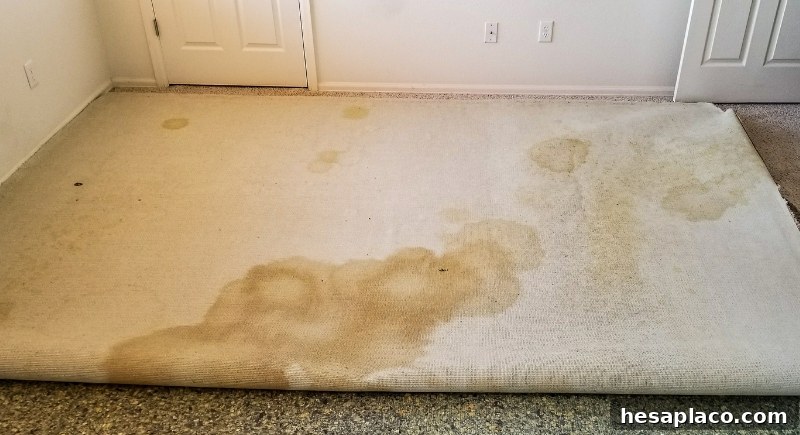
Pet smells embedded in carpets, upholstery, or hidden areas can be off-putting even if you’ve grown accustomed to them. Deep cleaning, professional carpet cleaning, airing the house, and addressing odor sources will help your home present as clean and inviting.
Confusing or High Property Taxes Can Discourage Buyers

Credit: Getty Images
Prospective buyers evaluate long-term costs, and high or unclear property taxes can be a red flag. Provide transparent documentation about current taxes, exemptions, and any recent assessments so buyers understand the financial picture and can make informed offers.
Addressing these common issues—pricing realistically, improving presentation and marketing, making targeted repairs, and staying flexible—will increase the likelihood of selling your home more quickly and for a better price. Work closely with a knowledgeable agent to prioritize changes that deliver the best return and to craft a strategy tailored to your local market.