
Many people tuck their high school yearbooks away and forget about them for years, not realizing the depth of information they contain. At first glance a yearbook may seem like a simple album of faces, but it actually preserves a detailed snapshot of daily life during a distinct period. Each page records events, people, and achievements, and over time those records grow more valuable as memories fade and digital files vanish.
It Holds a Complete Record of the School Year

Credit: Wikimedia Commons
A yearbook organizes the academic year in one place, compiling activities, milestones, and everyday moments you might overlook when simply recalling the past. Without that compilation, important moments can remain scattered or undocumented; individual photos rarely provide the full context that a dedicated annual captures.
It Preserves Cultural and Social Information

Credit: Wikimedia Commons
What people wore, how they styled their hair, and the poses they favored may have seemed trivial at the time, yet those details reflect broader trends and the social atmosphere of the era. A yearbook preserves those small signals of self-expression, helping you later understand how people presented themselves and fit into their community.
It Provides a Stable Physical Archive

Credit: Wikimedia Commons
Digital files can disappear unexpectedly: devices fail, accounts get locked, and platforms shut down. A printed yearbook avoids those risks. As a tangible object, it remains accessible in the same form you left it, providing a dependable resource you can return to years later without worrying about compatibility or lost access.
It Captures Authentic Personal Communication

Credit: Wikimedia Commons
Handwritten notes and signatures preserve the tone of your friendships, the inside jokes, and the informal language you used at the time. Those personal messages convey emotions and nuances that are often lost in later recollection. Reading them again can instantly bring back how relationships felt during that period.
It Expands Your View of the School Community
Credit: Wikimedia Commons
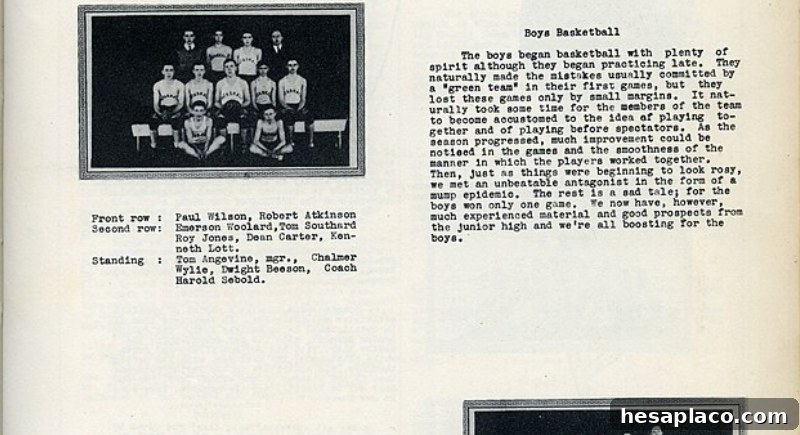
Many students see only a small social circle during the school year, which limits their perception of the broader environment. A yearbook broadens that perspective by documenting classmates, clubs, teams, and events beyond your immediate group, bringing together faces and moments you might otherwise forget.
It Documents Personal Growth

Credit: Wikimedia Commons
Yearbooks list achievements, participation, and roles across clubs, sports, and other activities, creating a clear record of how you developed over time. Daily routines can obscure progress, but looking back through a yearbook makes changes in interests, responsibilities, and accomplishments obvious.
It Supports Reconnection in Later Years

Credit: Getty Images
After graduation, people naturally drift apart. A yearbook can restore names, faces, and shared memories that help you reconnect. Those details make it easier to reach out or simply reminisce, especially when time has blurred the specifics of past relationships.
It Offers Long-Term Entertainment Value

Credit: Getty Images
Yearbooks can be a source of laughter and nostalgia—whether you cringe at a past haircut or smile at an awkward fashion choice. The candid authenticity of those pages makes them entertaining to revisit, and you may spot details you missed the first time around.
It Gives Families Insight into Student Experiences

Credit: pexels
Parents often miss much of their child’s daily school life. A yearbook offers glimpses into activities and friendships that may not surface in conversation, helping families build a fuller picture of the student’s year and experiences.
It Lists Achievements
Credit: Wikimedia Commons
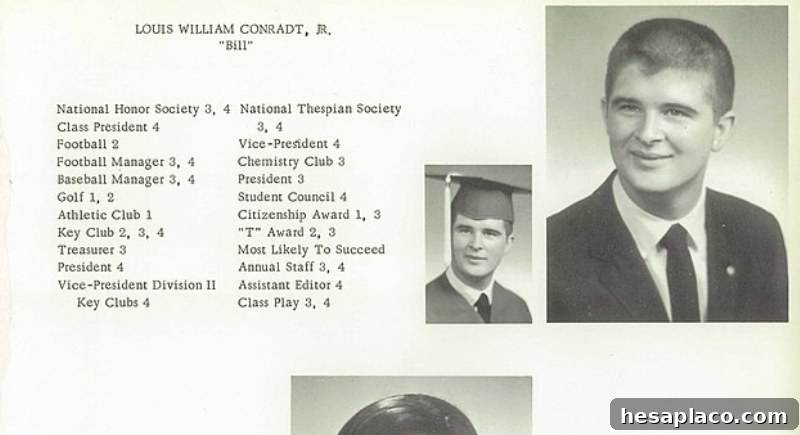
Memory alone can fail to preserve all the milestones you reached in school. A yearbook lists awards, recognitions, and participation, along with names and descriptions, making it an easy reference when you need to recall or document past accomplishments.