
Opening a monthly electricity bill often prompts a pause and a question: where did all that power go? Much of the consumption comes from everyday household devices that run quietly in the background. Energy experts say these common items can push up bills, but a few simple adjustments can reduce usage quickly.
Thermostats

Credit: Getty Images
Sometimes the heating or cooling runs longer than it should because the thermostat is in the wrong place. If the sensor sits near direct sunlight, air vents, or heat-emitting appliances, it can get an inaccurate reading and trigger the HVAC system to run unnecessarily. Relocating the thermostat to a neutral spot or installing a programmable model can reduce wasted runtime and lower energy use.
Televisions

Credit: pexels
Even when turned off, many modern TVs draw a small amount of power in standby mode so the remote works instantly and indicator lights remain lit. This “phantom” or standby energy adds up over time. Using a smart power strip or unplugging the TV when not in use can eliminate this ongoing drain and cut a bit from your monthly bill.
Old Refrigerators

Credit: pexels
Replacing an outdated refrigerator can make an immediate difference in electricity consumption. Models older than about 15 years often lose efficiency as insulation degrades and compressors age. Energy specialists estimate older units can use about 1,000 kilowatt-hours per year, which can add roughly $150 to annual energy costs depending on local rates.
Phone Chargers
Credit: Canva
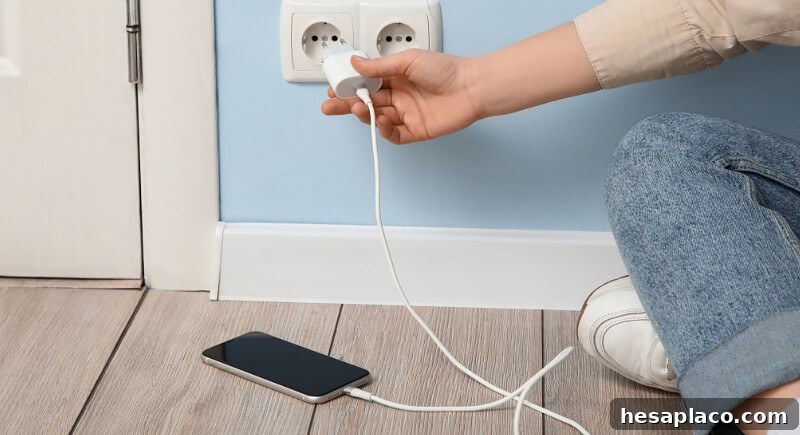
Small phone chargers can create a surprising, constant trickle of electricity when left plugged in. The adapter continues converting power even when no device is connected. One charger alone has minimal effect, but multiple chargers left around the home can add up. Unplugging chargers after use or using a switched power strip removes that steady, needless draw.
Streaming Devices

Credit: Wikimedia Commons
Streaming sticks and set-top boxes often remain active after the TV is turned off to maintain an internet connection and allow apps to open quickly. That continuous link means these devices keep drawing power throughout the day. Many also refresh app data and recommendations in the background, contributing further to standby energy use.
Game Consoles

Credit: pexels
Modern game consoles often include “rest” or “instant-on” modes that keep internal systems partially powered. In these states they can draw 10 to 15 watts or more, running background downloads and staying ready to resume quickly. That standby consumption makes them a common source of phantom energy in entertainment setups.
Microwaves

Credit: Getty Images
The glowing clock on a microwave is a small but constant power draw. The digital display and internal electronics remain energized 24/7 even when the appliance isn’t in regular use. Unplugging the microwave during extended absences, such as vacations, removes that continuous load and reduces household electricity use over the year.
HVAC Air Filters
Credit: pixabay
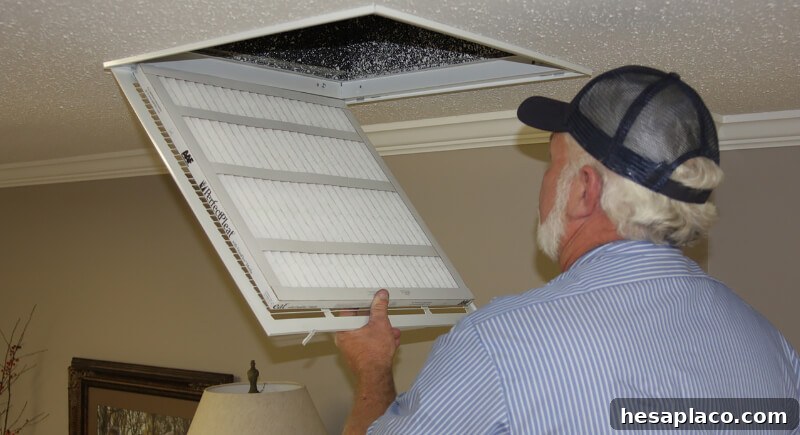
Replacing HVAC air filters every one to three months helps systems run more efficiently and can lower energy use. When filters become clogged with dust and debris, airflow drops and the system must work harder to move air, which increases electricity consumption. Experts estimate dirty filters can raise energy use by 10% to 20% if left unchanged.
Water Heaters
Credit: Photo Images
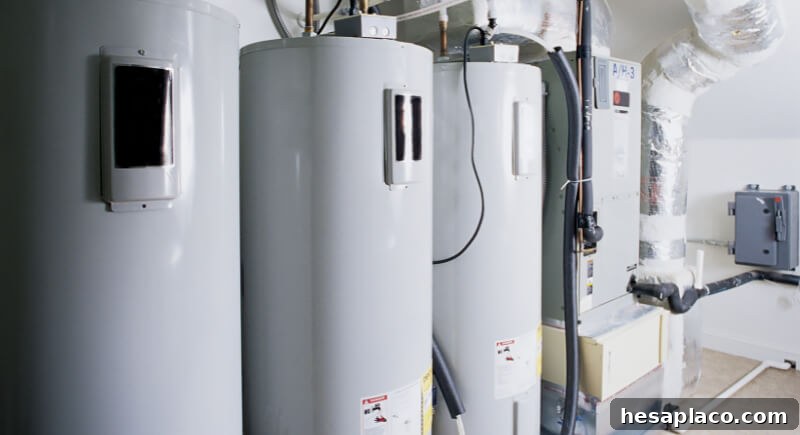
Traditional tank water heaters keep a volume of water hot around the clock so it’s ready for showers and dishwashing. Higher thermostat settings make the unit reheat more frequently. Energy professionals typically recommend setting water heaters to about 120°F to reduce energy use and lower the risk of scalding in many households.
Coffee Makers

Credit: pexels
Coffee makers with digital clocks and timers remain powered so they can start brewing on schedule. Those displays and internal electronics draw power throughout the day while the machine sits idle. Plugging a coffee maker into a switchable power strip or unplugging it after use eliminates that background consumption and saves a small but steady amount of electricity over time.