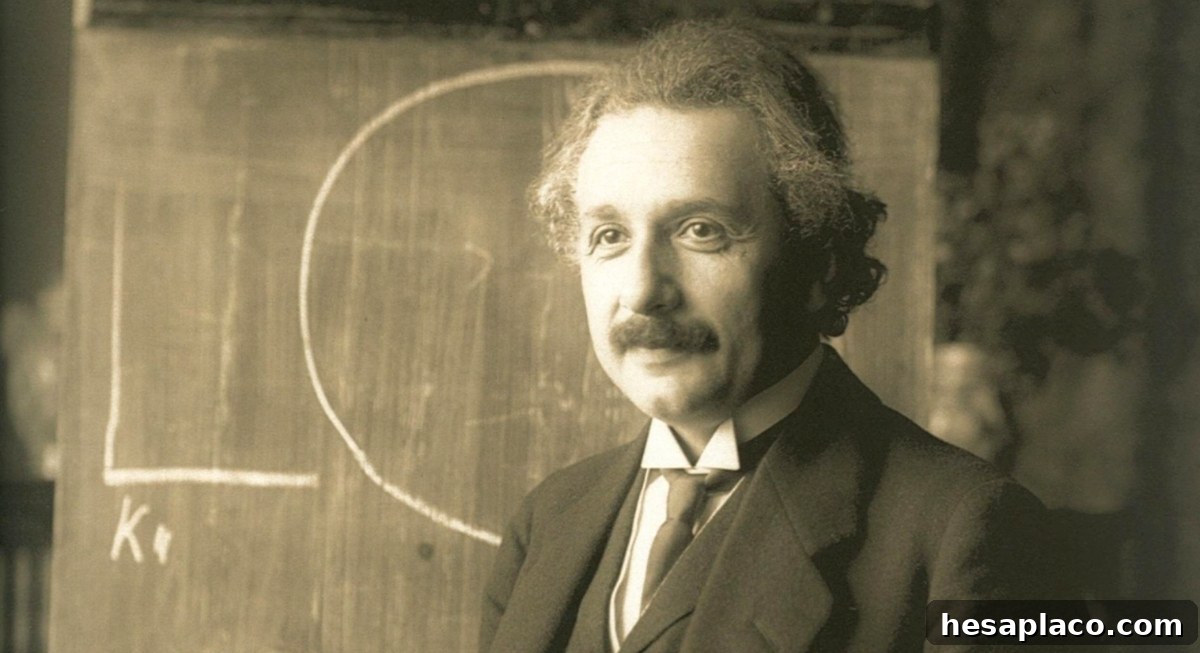
Most people recognize Albert Einstein for the equation E = mc², and popular myths often portray him as a solitary genius who struggled in school. Yet a closer look at his letters, personal correspondence, and documented life reveals a more nuanced story: Einstein’s life featured complex relationships, unconventional choices, and episodes that rarely appear in standard textbooks.
Helped Design a Safer Refrigerator
Credit: Wikimedia Commons
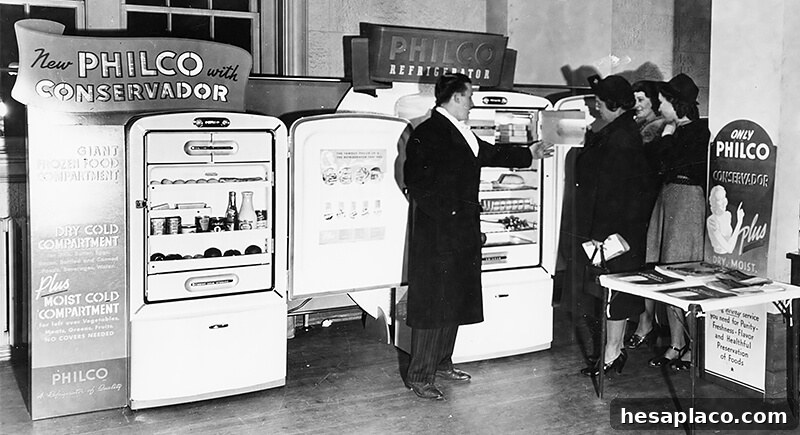
After reading about a tragic accident in which a family died from leaking refrigerator gases, Einstein became concerned about household safety. He teamed up with Hungarian physicist Leo Szilard to design a refrigerator that would reduce the risk of toxic leaks. Their design used a mix of ammonia, butane, water, and heat rather than a mechanical compressor and deliberately avoided moving parts, aiming for a simpler, more reliable system.
Spoke Later Than Many Children

Credit: Getty Images
Einstein began speaking later than most children—he did not form full sentences until around age 7. That delay prompted concern among adults and fueled speculation later about neurological differences. Economist Thomas Sowell coined the term “Einstein Syndrome” to describe some gifted individuals who develop speech later than typical peers, though such labels remain informal and should not be taken as clinical diagnoses.
The Claim That He Failed Math Is False

Credit: pexels
The widely repeated story that Einstein failed mathematics is a myth. Historical records show he excelled in math during his youth and had taught himself calculus by age 12. The confusion likely arose from a change in the grading system at one of his schools; later readers misunderstood the scores and mistakenly concluded they signified failure.
Had a Daughter Who Remained Largely Unknown

Credit: Photo Images
Before marrying Mileva Marić, Einstein fathered a daughter named Lieserl in 1902. Her existence remained unknown to the public until personal letters surfaced in the late 1980s. Very little reliable information exists about what happened to her; historians have suggested she either died in infancy or was given up for adoption, but the records do not provide a definitive answer.
Marriage Marked by Conflict and Extramarital Affairs
Credit: Wikipedia
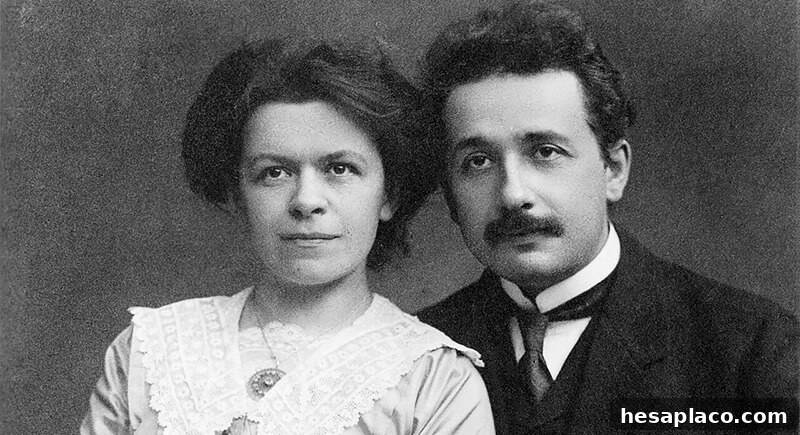
Einstein’s marriage to Mileva Marić began while they were students in Zurich, but as his career advanced their relationship became strained. Their correspondence documents growing emotional distance and disagreements, and Einstein engaged in romantic relationships outside the marriage. These tensions contributed to the couple’s eventual separation and divorce.
Worked at a Patent Office Before Rising to Fame
Credit: Institute for Advanced Study
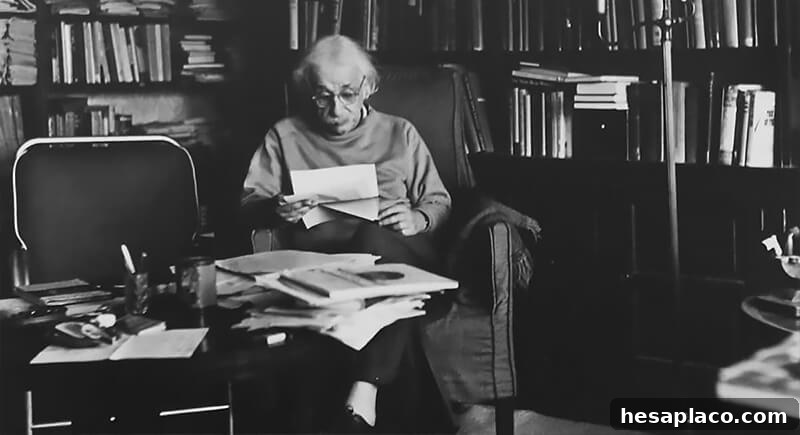
Despite his later renown, Einstein struggled to secure an academic post after university. His professors were not always supportive, in part because he skipped many lectures. He ultimately found steady work as a technical examiner at the Swiss Patent Office in Bern—a position that gave him time to think deeply about physics and contributed to his productive years.
The Miracle Year: Four Groundbreaking Papers in 1905
Credit: Wikimedia Commons
While working at the patent office, Einstein published four influential papers in 1905 that transformed physics. Each tackled a distinct problem—from the existence of light quanta to the special theory of relativity and the relationship between mass and energy—and together they launched him into the scientific spotlight. This burst of creativity earned 1905 the reputation of his “miracle year.”
A Solar Eclipse Helped Confirm General Relativity

Credit: Wikimedia Commons
Einstein completed the theory of general relativity in 1915, predicting that massive objects would bend light passing near them. This prediction remained untested until a total solar eclipse in 1919, when astronomers measured the apparent shift in starlight and obtained results consistent with Einstein’s calculations—an outcome that brought global attention to his theory.
The Nobel Prize Was Awarded for the Photoelectric Effect
Credit: Wikipedia
Although Einstein is closely associated with relativity, the 1921 Nobel Prize in Physics recognized his explanation of the photoelectric effect. In that work he showed that light can behave like particles (quanta) when interacting with matter—an insight that helped lay the groundwork for the development of quantum theory and clarified puzzling experimental results of the time.
Brain and Eyes Removed After His Death
Credit: Wikipedia
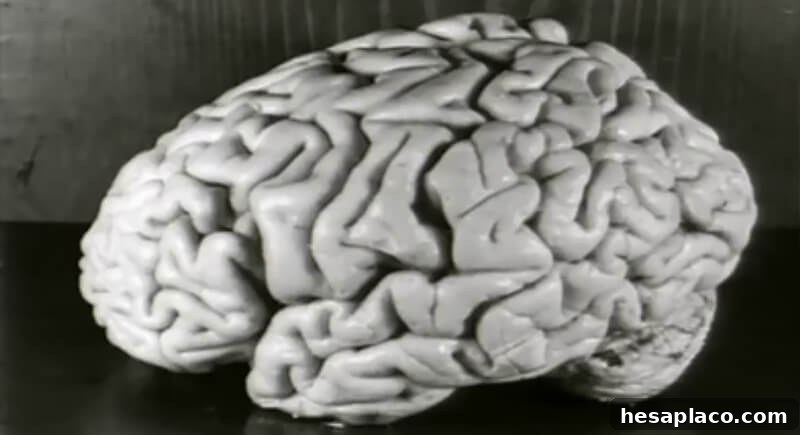
After Einstein died in April 1955 at Princeton Hospital, pathologist Thomas Harvey removed his brain during the autopsy without prior permission, intending to study it. Harvey preserved portions of the brain and transported them for research. He also removed Einstein’s eyes and later entrusted them to the deceased’s ophthalmologist. These actions sparked ethical debate about consent and the handling of remains.