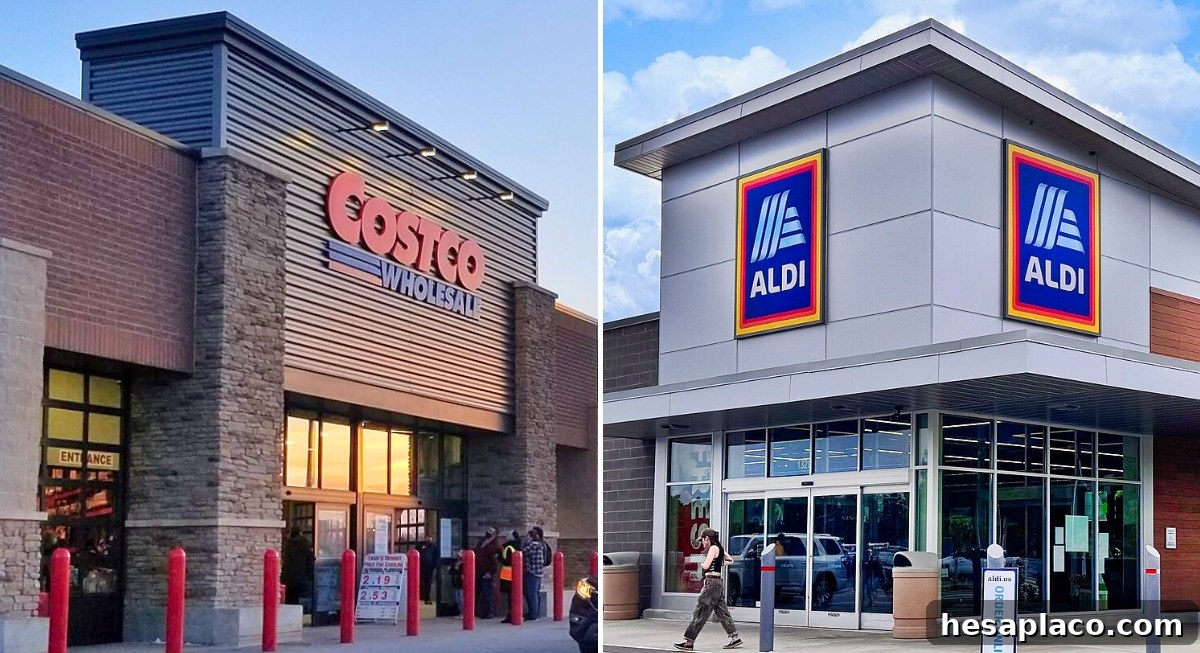
Many shoppers assume store brands are lower quality, but that’s not always the case. Numerous private-label products sold at Costco and Aldi are produced by the same manufacturers behind popular national brands. In many instances the ingredients, factories, and quality controls are nearly identical — the primary difference is the label on the package. That means shoppers can often pay significantly less for an item that performs like the name-brand counterpart.
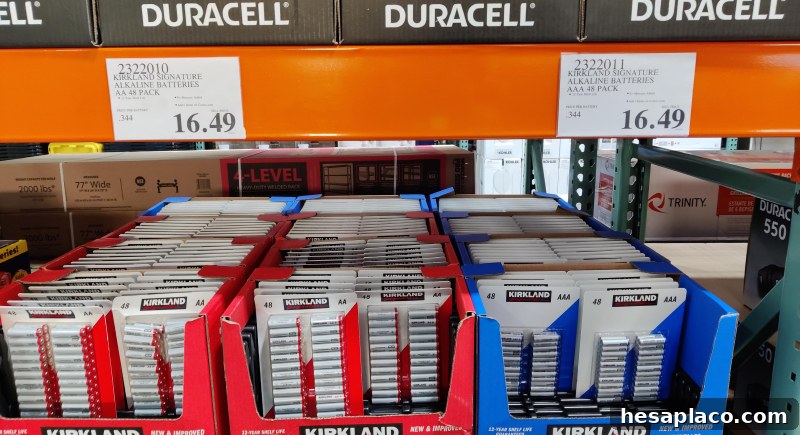
Kirkland Signature Batteries and Duracell
Credit: Reddit
Costco’s Kirkland Signature alkaline batteries have a familiar origin. In a 2016 interview with Atlanta’s WSB-TV, Costco CEO Craig Jelinek confirmed that Duracell manufactures Kirkland alkaline batteries. Independent testing and consumer experience indicate these batteries offer dependable performance for the price. Because Kirkland packs typically cost less per cell than the adjacent Duracell packages, bulk shoppers often find a noticeable savings without sacrificing reliability.
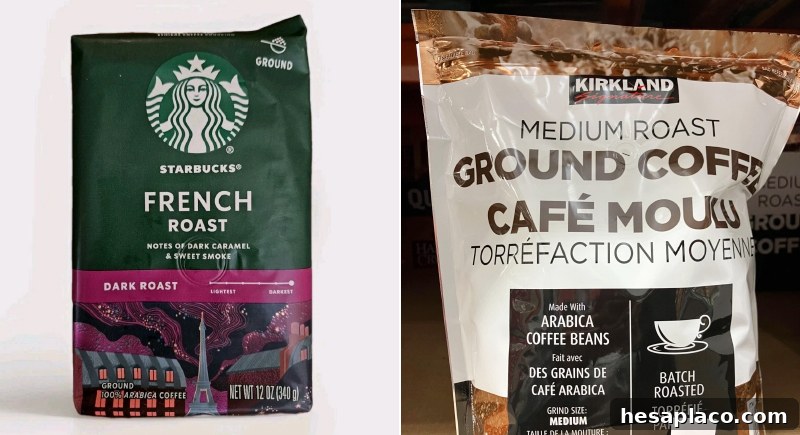
Starbucks and the Kirkland Coffee Bag
Credit: Ebay
For several years, certain Kirkland Signature coffee bags explicitly noted a Starbucks connection, labeling blends such as House Blend, Espresso, and Decaf as “Custom Roasted by Starbucks Coffee Company.” That wording disappeared from packaging around late 2023 or early 2024 without a public explanation. Starbucks continues to sell some of its offerings at Costco, and Kirkland K-Cup production has previously been handled through partnerships with established roasters, demonstrating how retailers sometimes collaborate with well-known coffee producers for private-label coffee.
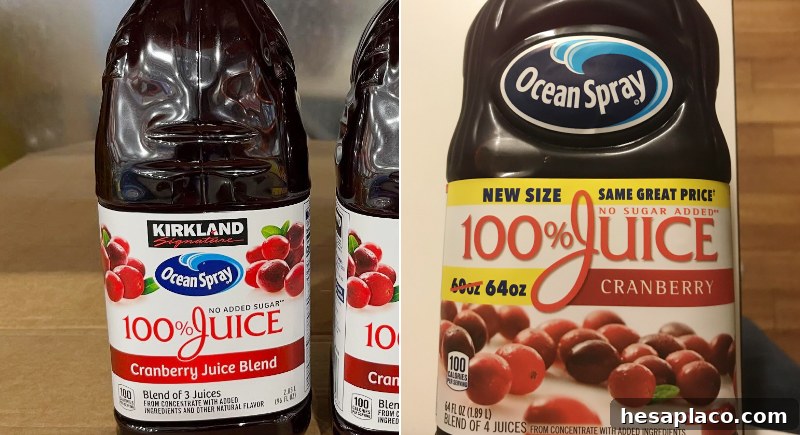
The Kirkland Cranberry Juice Bottle and Ocean Spray
Credit: Reddit
This example is straightforward: some Kirkland Signature cranberry juice bottles bear the Ocean Spray name and logo directly on the label. Ocean Spray has been a dominant cranberry juice producer in the U.S. for decades, so consumers know what they are buying. The difference is mostly price — the larger Kirkland bottles often cost less per ounce than Ocean Spray bottles sold at regular grocery stores, offering value for shoppers who favor bigger sizes.
Kimberly-Clark and Kirkland Diapers
Credit: Reddit
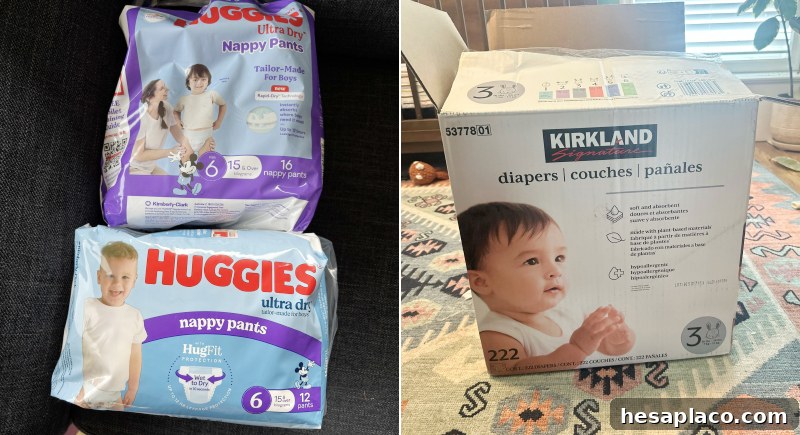
Kirkland Signature diapers are another private-label product made by a major manufacturer. In a 2017 Wall Street Journal interview, Costco CFO Richard Galanti confirmed that Kimberly-Clark — the company behind Huggies — produces Kirkland diapers. That arrangement came with a stipulation: Huggies would remain the only other diaper brand sold at Costco. At the time of the report, Kirkland diapers cost around $0.18 each compared with about $0.24 for Huggies, a meaningful saving for families purchasing large quantities.
Kirkland Signature Organic Extra Virgin Olive Oil
Credit: Reddit
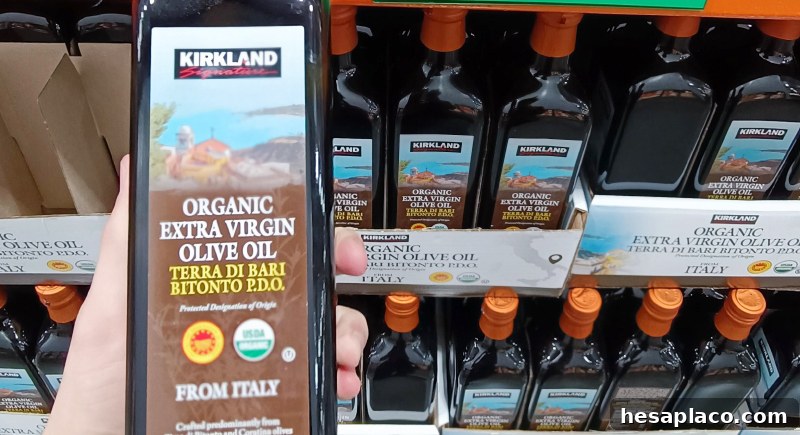
Many home cooks and even professional chefs praise Costco’s Kirkland Signature Organic Extra Virgin Olive Oil for quality that rivals — and sometimes exceeds — pricier boutique brands. The product is certified by Bureau Veritas and undergoes testing to verify it meets extra virgin standards and is traceable to Italian groves. Because some high-end bottled oils lack the same level of transparency, Kirkland’s certified oil provides a reliable Mediterranean staple at a competitive price.
Reynolds and the Kirkland Aluminum Foil
Credit: Ebay/Reddit
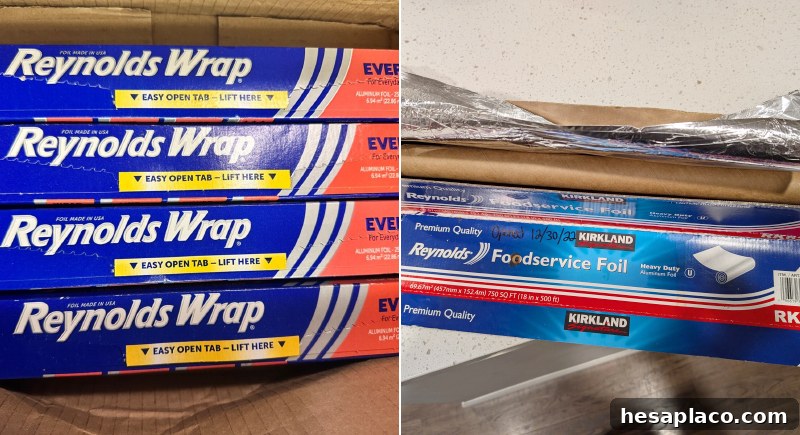
Kirkland Signature aluminum foil is manufactured by Reynolds, a long-established name in aluminum products. The Reynolds brand even appears on some Costco packaging. Kirkland’s foil is built to withstand heavier, commercial-style use — it tends to be thicker and stronger than many standard grocery-store foils — and yet typically costs less per square foot than comparable Reynolds Wrap products sold elsewhere.
Jelly Belly and the Kirkland Jelly Beans
Credit: Reddit/Instagram
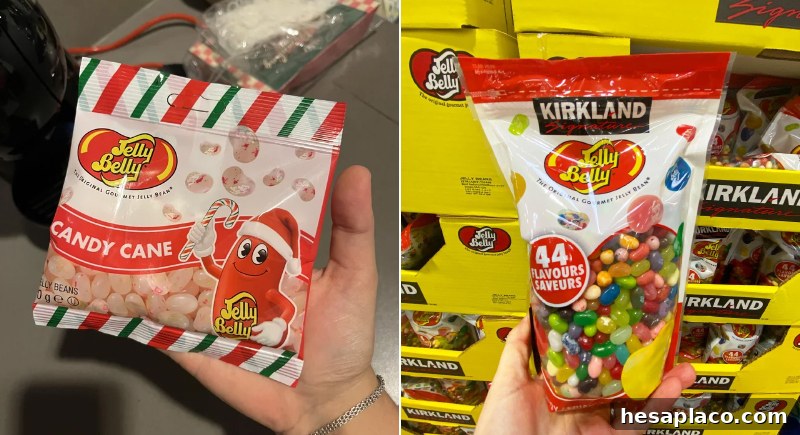
Kirkland sells Jelly Belly beans under the Jelly Belly name, typically in large containers. A 4-pound tub often includes dozens of flavors and tends to be less expensive per pound than smaller retail packages elsewhere. The brand’s cultural footprint is notable too — it gained national attention in part when former President Ronald Reagan publicly favored Jelly Belly beans.
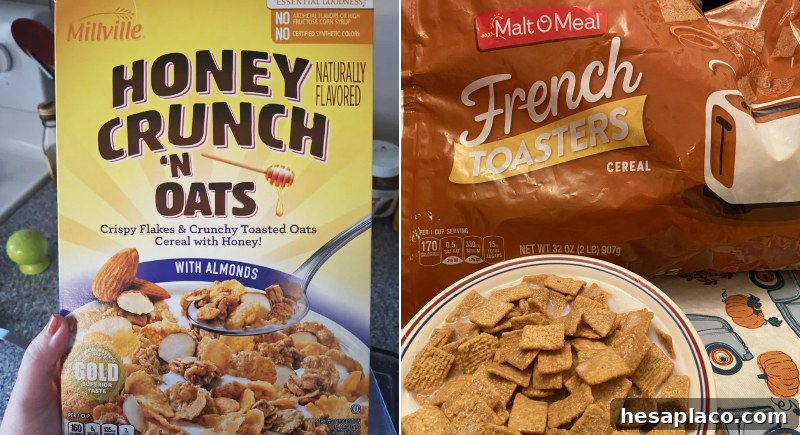
Aldi’s Millville Cereal and Malt-O-Meal
Credit: Reddit
Many Millville cereals sold at Aldi trace back to Malt-O-Meal. A 1998 CDC recall notice, for example, identified Millville Toasted Oats as produced by Malt-O-Meal, confirming a manufacturing link. Malt-O-Meal, now part of Post Holdings, has a long history of producing private-label cereals for major retailers. Millville cereals typically sell for substantially less than equivalent name-brand cereals found at traditional grocery stores.
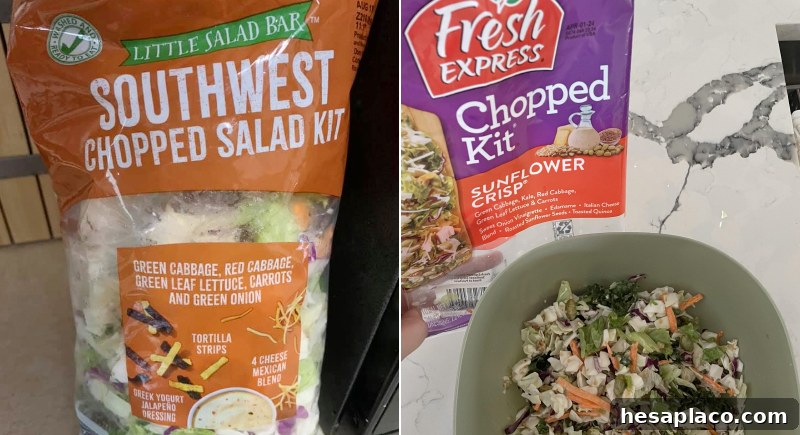
Aldi’s Little Salad Bar and Fresh Express
Credit: Facebook/Reddit
Several FDA recall notices, including those issued in 2020 and 2021, have named Fresh Express as the supplier for some of Aldi’s Little Salad Bar packaged salads. Fresh Express is among the largest salad producers in the U.S., and the Little Salad Bar line — which includes garden salads and chopped kits — often retails for less than comparable Fresh Express products sold at other grocery stores.
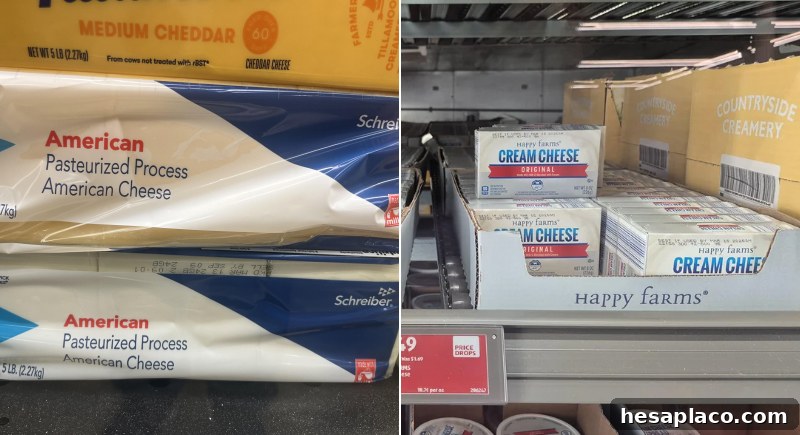
Schreiber Foods Makes Aldi’s Happy Farms Cream Cheese
Credit: Reddit
A May 2024 Aldi recall notice identified Schreiber Foods as the manufacturer behind Happy Farms cream cheese. Schreiber Foods is one of the largest dairy processors in the United States and supplies cream cheese to retailers nationwide. At Aldi, Happy Farms cream cheese generally sells at a lower price than comparable national brands such as Philadelphia, offering shoppers an affordable alternative without sacrificing basic product expectations.
Overall, these examples show that private-label products from large retailers can provide strong value because established manufacturers often produce them. When ingredients, production facilities, and quality controls are the same or very similar to national brands, the main advantage of private labels is cost savings — a compelling reason for shoppers to compare labels and consider store brands when seeking quality at a lower price.