You might assume many of America’s best-known brands remain fully American, but ownership of several recognizable companies has shifted overseas. Over the past decade and more, Chinese firms and state-backed entities have acquired or taken controlling stakes in a range of U.S. businesses—from food producers and manufacturers to technology firms, real estate, and automakers. This overview highlights major American companies that are now owned or significantly influenced by Chinese companies, illustrating how interconnected global business has become.
Smithfield Foods

Credit: flickr
In one of the most notable U.S. food-industry transactions, WH Group (formerly Shuanghui International) acquired Smithfield Foods in 2013 for $4.7 billion. The purchase included extensive farmland holdings across the United States. Smithfield remains headquartered in Virginia, but it is now fully owned by a Chinese company, underscoring how foreign buyers have expanded into core U.S. agriculture and food production.
GE Appliances
Credit: iStockphoto
Haier Group, a major Chinese appliance manufacturer, completed its acquisition of GE Appliances in 2016 for approximately $5.4 billion. While GE’s appliance plants and brand identity continue to operate in the U.S., ultimate control rests with Haier. The deal was a strategic move by Haier to strengthen its foothold in global home appliances.
Motorola Mobility
Credit: iStockphoto
Motorola played a pivotal role in the rise of mobile phones. In 2014, Lenovo—China’s largest PC maker—purchased Motorola Mobility from Google for $2.91 billion. The acquisition transferred decades of U.S.-based mobile technology and engineering talent to a Chinese company, accelerating Lenovo’s entrance into the global smartphone market.
Nexteer Automotive
Credit: Facebook
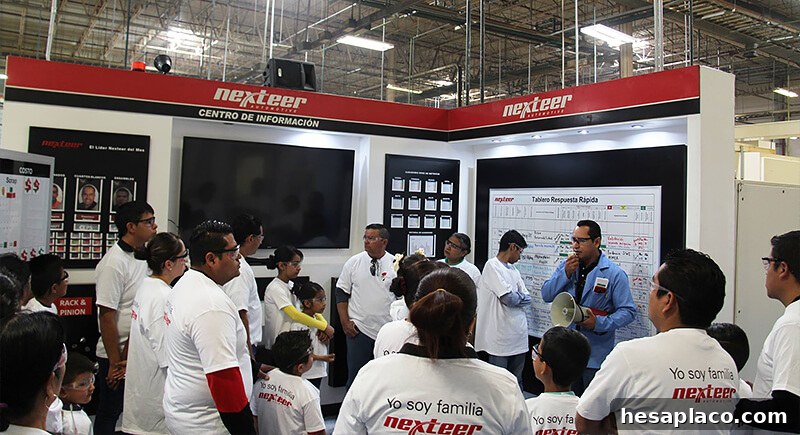
Nexteer Automotive, based in Michigan, manufactures steering and driveline systems for numerous automakers. In 2010, the company came under the control of a subsidiary of China’s state-owned AVIC. Although U.S. manufacturers continue to use Nexteer products, ownership by an entity with state ties raised concerns about strategic control in the automotive supply chain.
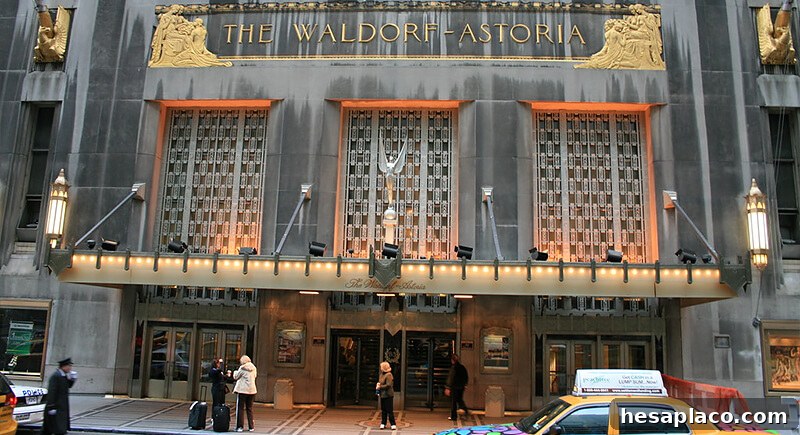
Waldorf Astoria
Credit: flickr
The Waldorf Astoria in New York, an iconic luxury hotel, was sold to China’s Anbang Insurance Group in 2014 for nearly $2 billion. The acquisition sparked debate about foreign investment in landmark U.S. properties and the implications of overseas ownership of prominent cultural and commercial assets.
Strategic Hotels & Resorts

Credit: Instagram
Anbang’s purchases extended beyond a single trophy hotel. In 2016, the company acquired Strategic Hotels & Resorts for about $6.5 billion, gaining numerous high-end properties across the U.S. When Chinese regulators later stepped in and took over Anbang, control of those assets shifted again—eventually settling under state influence—highlighting the fluid nature of cross-border investments.
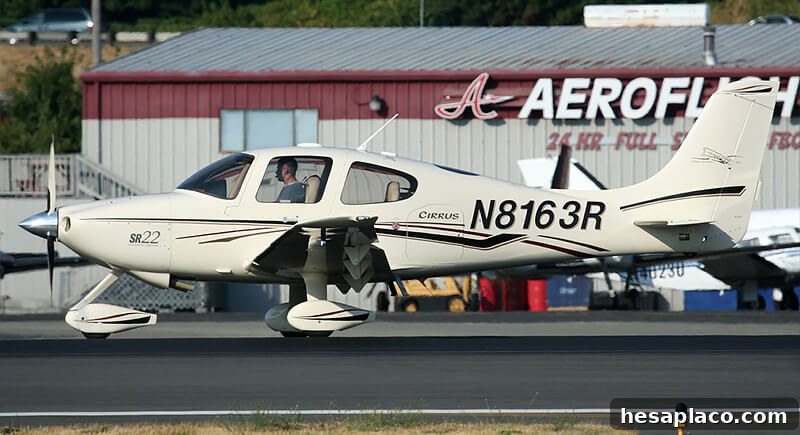
Cirrus Aircraft
Credit: Facebook
Cirrus Aircraft, known for high-performance personal aircraft, was acquired by China’s AVIC in 2011. The Minnesota-based company maintained its U.S. operations and design teams, but the sale gave AVIC direct access to technology and expertise within the American general aviation market.
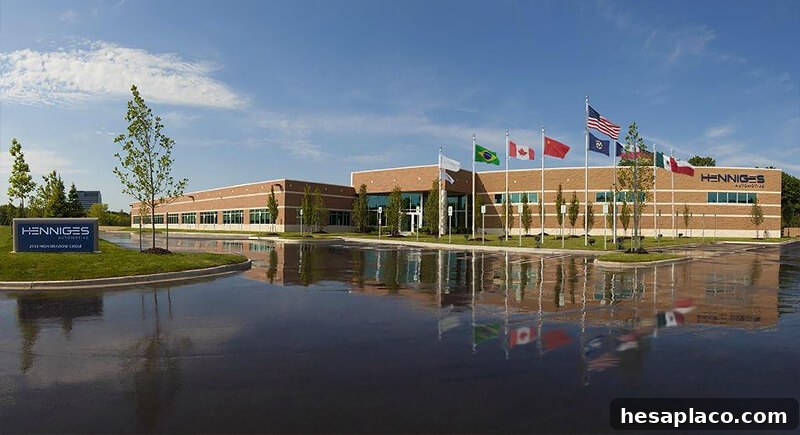
Henniges Automotive
Credit: Facebook
Henniges Automotive, which produces seals, vibration dampers, and insulation systems used in vehicles and other equipment, was purchased in 2015 by a partnership including AVIC and BHR Partners, a private equity firm. The deal drew scrutiny because of national security concerns and political ties, given the potential dual-use nature of some manufacturing technologies.
245 Park Avenue

Credit: Instagram
The Manhattan office tower at 245 Park Avenue sold to HNA Group in 2017 for $2.21 billion in one of New York’s most expensive commercial property deals. HNA later encountered financial difficulties and divested some assets, but the acquisition marked a high point in Chinese investment in U.S. real estate.
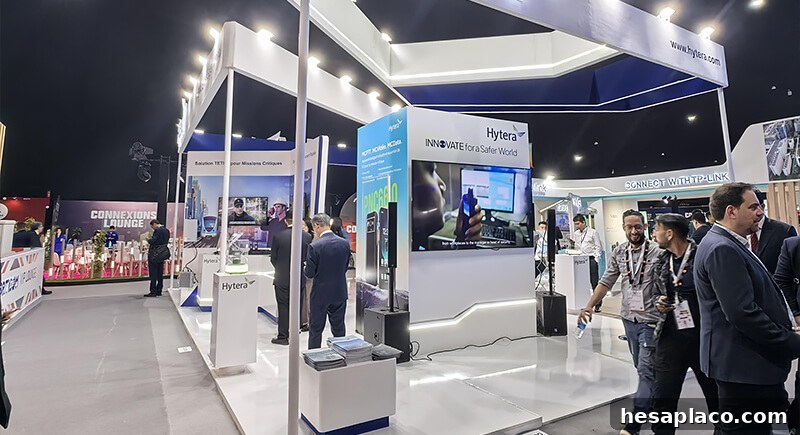
Hytera Communications
Credit: Facebook
Hytera, a radio communications manufacturer, has faced controversy. In 2025 the company was indicted in the U.S. over allegations of conspiring to steal trade secrets from Motorola. Despite operating in the U.S. market, Hytera’s legal troubles and connections to Chinese state-owned technology interests have cast a shadow over its operations.
Inspur Group
Credit: flickr
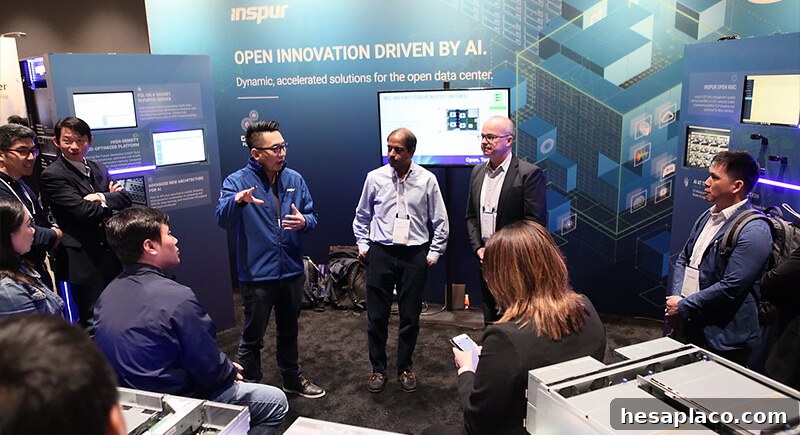
Inspur Group is a major Chinese provider of servers, cloud infrastructure, and artificial intelligence technologies used internationally. While not a household consumer brand, its role in supplying critical IT infrastructure prompted scrutiny; in 2023, it was added to a government blacklist due to alleged links with China’s military-industrial complex.
Riot Games
Credit: Wikipedia
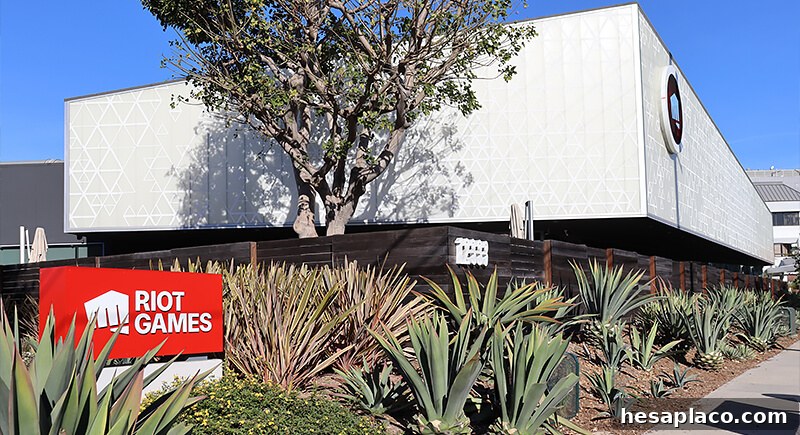
Riot Games, the studio behind League of Legends, became a Tencent subsidiary in 2015 after Tencent first acquired a majority stake in 2011. Riot continues to operate largely from the U.S., with its leadership based domestically, but its expansion and financing are heavily influenced by Tencent’s ownership and investment strategy.
Karma Automotive
Credit: Facebook
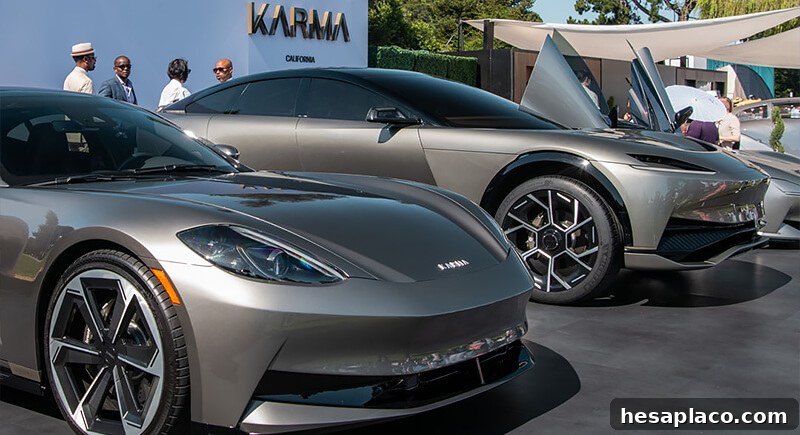
After Fisker Automotive went bankrupt, China’s Wanxiang Group purchased its assets in 2014 and relaunched the business as Karma Automotive. Headquartered in California, Karma builds luxury electric vehicles using Chinese capital and has attempted to revive and refine the original Fisker vision under new ownership.
Lexmark
Credit: Facebook
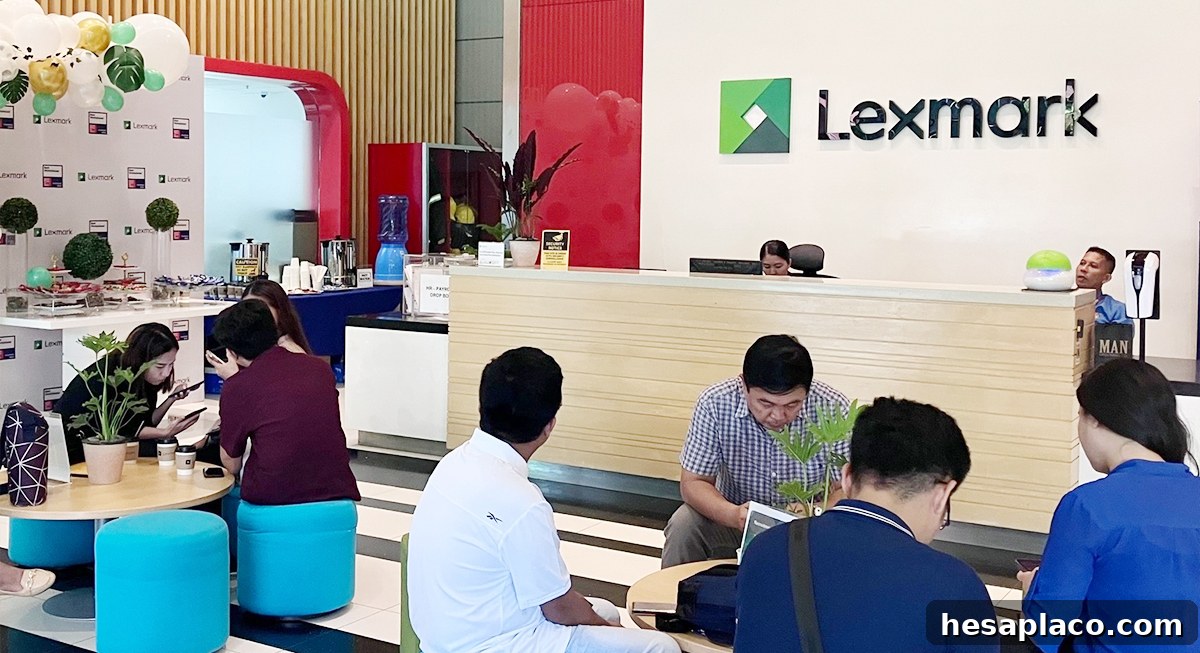
Lexmark, long associated with American printer technology, was sold in 2016 to a China-led investor group. The acquisition included backing from Apex Technology (now Ninestar), PAG Asia Capital, and Legend Holdings. Lexmark retained its U.S. operations, but strategic control moved to investors with ties to China.
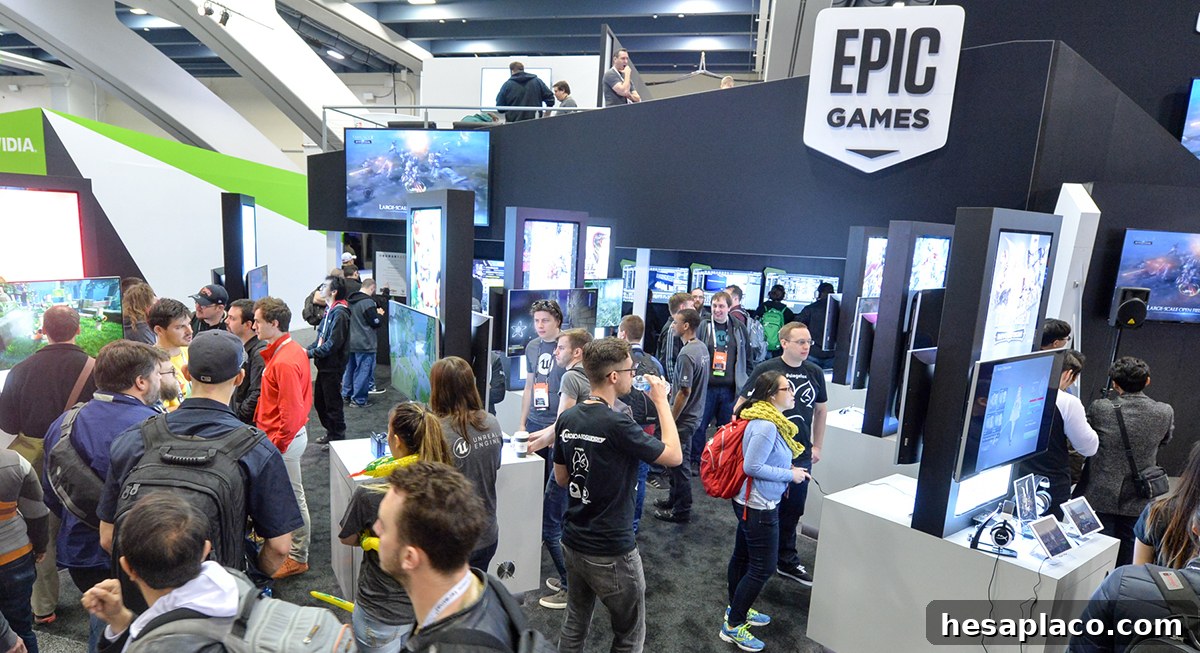
Epic Games
Credit: Wikimedia Commons
While Epic Games is not fully owned by a Chinese company, Tencent holds a substantial minority stake—around 40%—acquired in 2012. That investment gives Tencent significant influence within one of the United States’ largest game developers, even though founder Tim Sweeney and Epic’s executive team remain in control of day-to-day operations.
These examples show that familiar brands and important U.S. assets can be owned or influenced by foreign entities, including Chinese corporations and state-backed groups. Ownership changes do not always alter day-to-day operations or local employment, but they can shift strategic control, access to technology, and capital flows—factors that matter to consumers, policymakers, and industries alike.