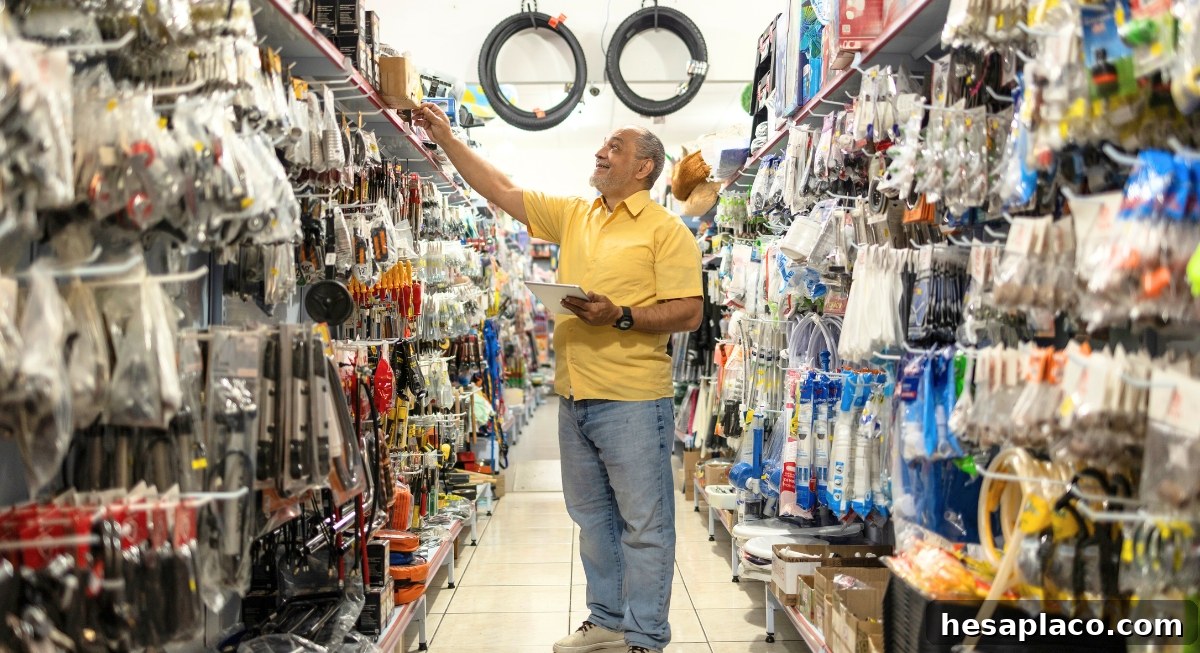
Dollar stores can seem like an effortless way to save. You go in for one item, spot familiar brands at very low prices, and suddenly your cart is full. On the surface it looks like a win, but some purchases that seem cheap at checkout reveal problems once you get home. Poor quality, smaller quantities, or safety issues can turn a bargain into a false economy. In many cases, paying a bit more for a dependable product ends up costing less over time.
Phone Chargers and Power Strips
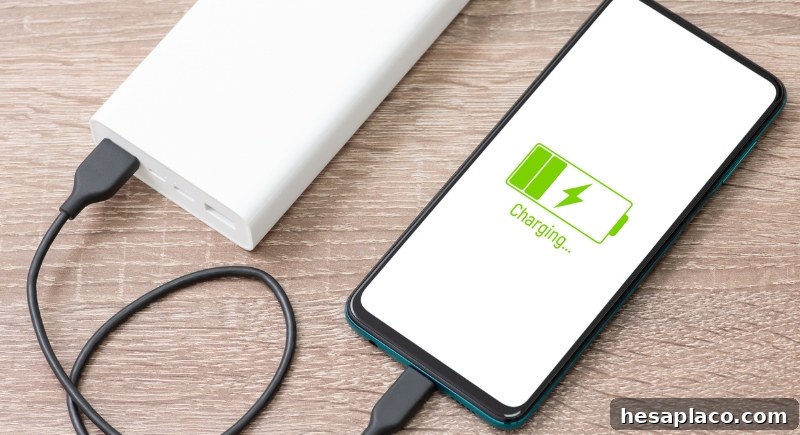
Credit: Getty Images
Extremely low-priced electronics often cut corners on materials and manufacturing standards. Cheap chargers and power strips may use thinner wiring, inferior insulation, or inconsistent quality control. Those weaknesses can cause devices to fail quickly, overheat, or even damage the electronics they power. Replacing a charger every few weeks or risking damaged gadgets negates any savings; when it comes to electrical accessories, reliability and safety should trump a tiny discount.
Batteries
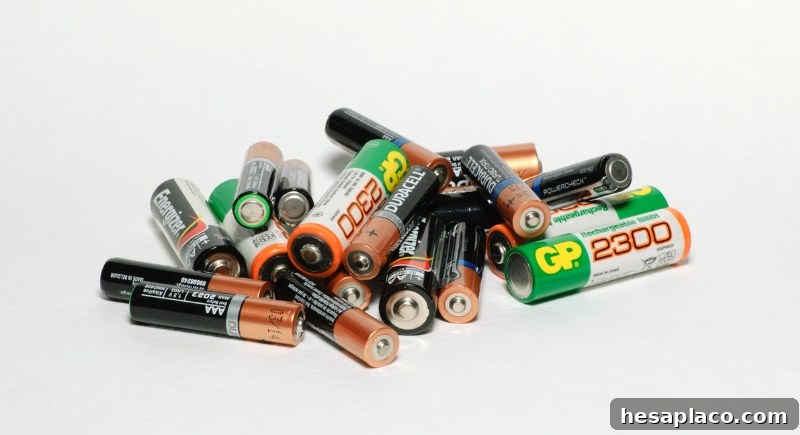
Credit: pixabay
Batteries from dollar stores often use older carbon-zinc chemistry instead of alkaline cells. Carbon-zinc batteries drain faster and are more prone to leaking. A leaking battery can corrode remote controls, toys, and flashlights, rendering them unusable. Because these batteries run out sooner, you replace them more often, and those repeat purchases quickly cost more than buying longer-lasting alkaline batteries initially.
Tools
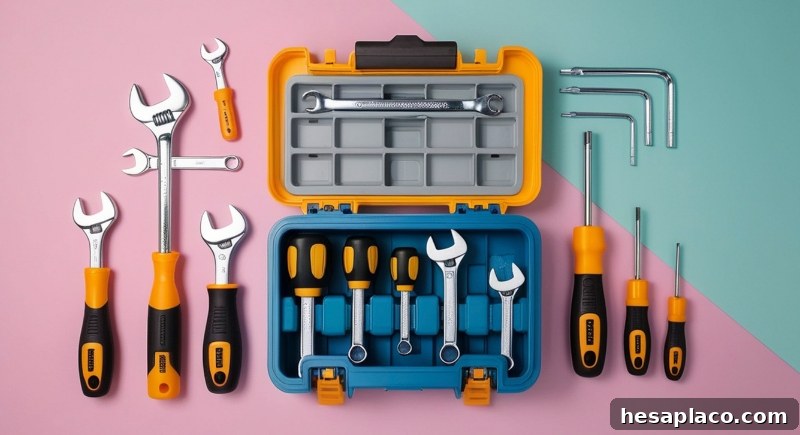
Credit: Canva
Inexpensive tools typically fail under stress because they are made from softer metals and lighter construction. A screwdriver tip that rounds out, a wrench that deforms, or a pair of pliers that slips can turn a simple repair into a frustrating, longer, and potentially more costly task. Spending more on durable tools saves time and prevents damage to fasteners or the items you’re working on.
Kitchen Knives
Credit: Canva
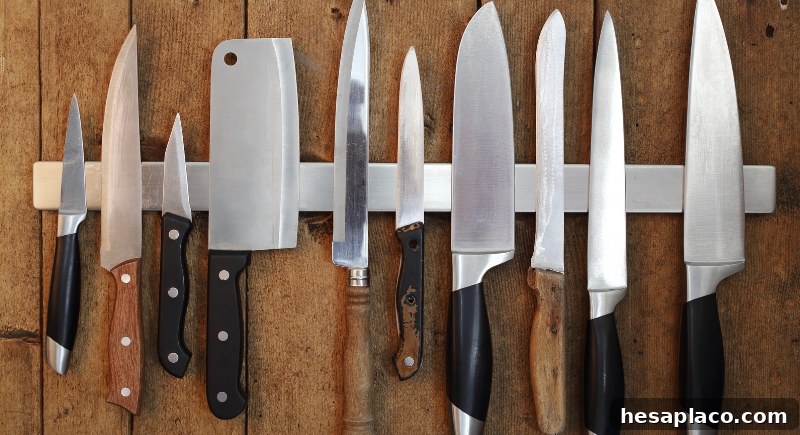
Knife blades sold at very low prices are often made from lower-grade steel that dulls quickly or chips. Dull knives force you to apply more pressure while cutting, increasing the chance of slips and accidental cuts. A sharp, well-made knife performs better and is safer, making it a smarter long-term investment than repeatedly replacing a cheap blade.
Sunscreen and SPF Products
Credit: Canva
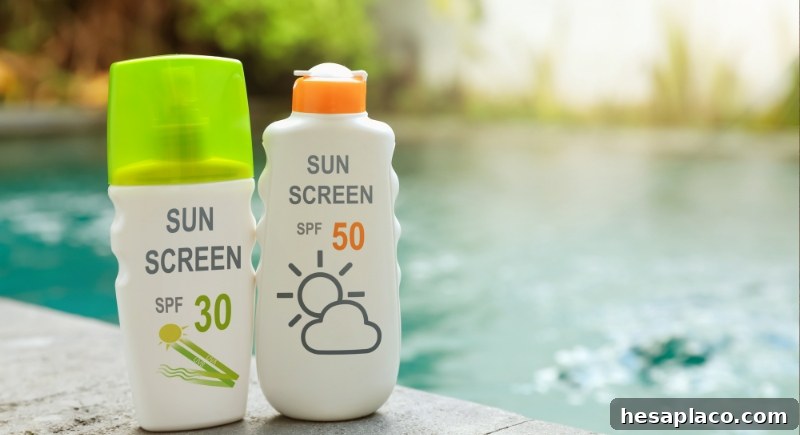
Sunscreen protects you only if it contains effective active ingredients in the correct concentrations. Prolonged exposure to heat, sunlight, or poor storage conditions can degrade these ingredients and reduce the actual SPF below what the label claims. When your skin’s health is at stake, consistent and reliable UVA/UVB protection is far more important than saving a few dollars.
Makeup and Skincare

Credit: Canva
Very inexpensive cosmetics can raise concerns about ingredient quality, freshness, and formulation. Some products may arrive dried out, separated, or near expiration. Since your skin absorbs what you apply, using poorly formulated or degraded cosmetics can trigger irritation, allergic reactions, or breakouts. Spending a bit more on reputable brands reduces those risks and often yields better, safer results.
Plastic Cooking Utensils and Food Containers
Credit: Canva
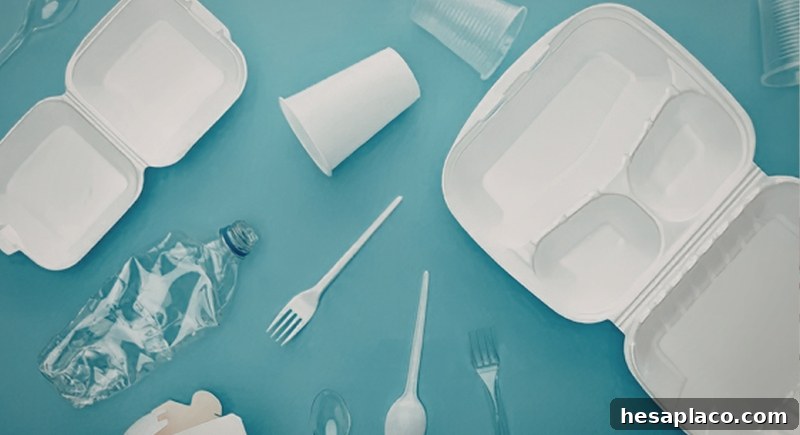
Low-cost plastic utensils can soften, warp, or melt when exposed to high heat from stovetops or hot dishwash cycles. Cheap food containers may degrade in the microwave, losing shape or integrity. When plastic breaks down under heat, it can leach chemicals into food or melt onto cookware. Investing in utensils and containers rated for high temperatures is safer and more durable for everyday cooking.
Pet Food and Treats
Credit: Canva
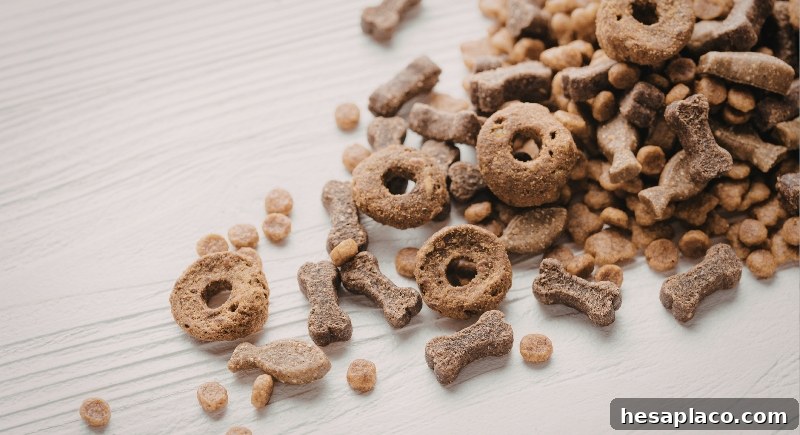
Pet foods sold at very low prices often contain more fillers and lower-quality byproducts. Even if the product meets basic safety standards, it may not provide the balanced nutrition pets need day after day. Because animals eat the same food repeatedly, ingredient quality matters for long-term health. Saving a little on price rarely makes sense if the formula lacks essential nutrients.
Oven Mitts

Credit: Canva
Oven mitts need sufficient insulation to protect hands from high temperatures. Thin fabric or poorly insulated mitts may allow heat to penetrate quickly, increasing the risk of burns. Well-constructed, heat-rated mitts provide much better protection for handling hot cookware safely.
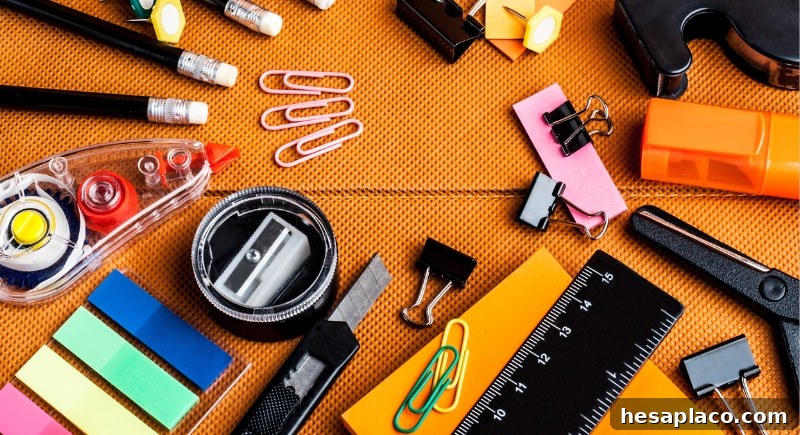
School and Office Supplies
Credit: Getty Images
Cheap pens, markers, and adhesives can be frustrating in daily use: pens stop writing even with ink remaining, markers dry out faster, and weak glue fails to hold. Although the low price is tempting, repeatedly replacing these items wipes out any savings. Buying reliable office or school supplies in quality packs often lasts longer and ends up costing less overall.
In summary, dollar stores are great for some items, but for products where safety, durability, and consistent performance matter—especially electrical accessories, tools, food-related items, healthcare and skin products—spending a bit more on quality typically saves money and reduces risk in the long run.