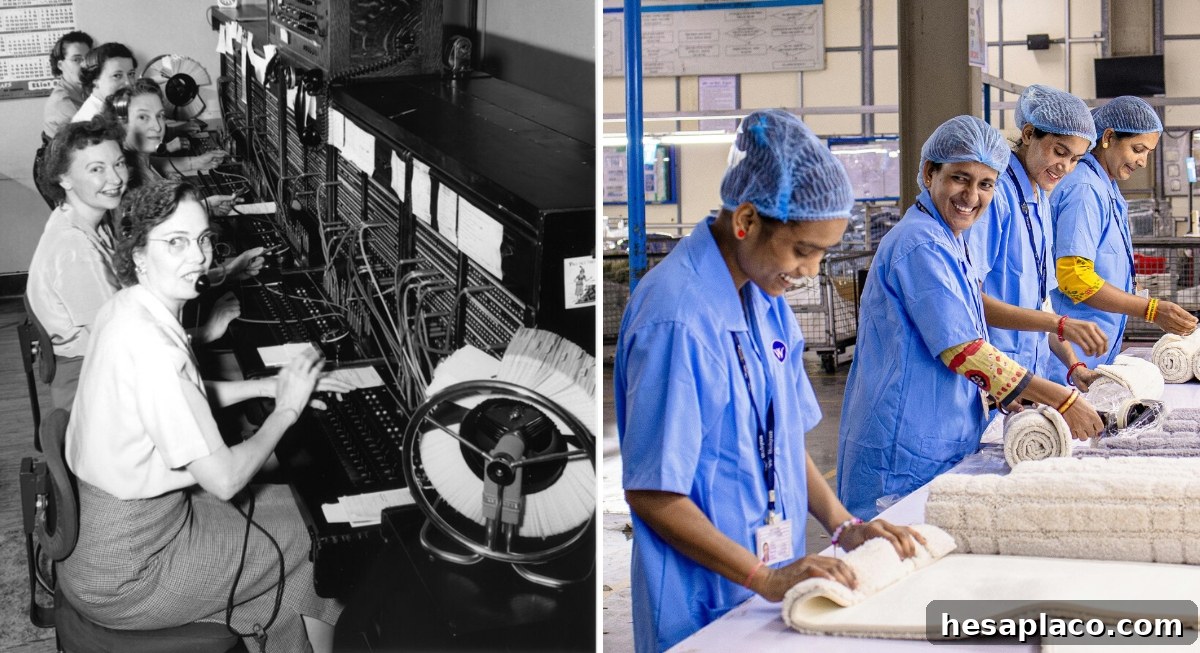
Work did not disappear overnight; it evolved gradually as technology took over repetitive tasks. Jobs that once required steady manual effort have been streamlined or replaced by software and machines. As automation advanced, some roles diminished while others vanished, and many new positions emerged that emphasize supervising systems, analyzing outputs, and maintaining equipment rather than performing physical tasks by hand.
Human Computer Specialists

Credit: Getty Images
Today we rely on electronic computers to perform complex calculations almost instantly, but there was a time when “computers” were people. Human computer specialists did lengthy, step-by-step calculations with pencil and paper, often filling notebooks and spending hours on a single problem. The shift to electronic computing dramatically accelerated mathematical work and freed people for other kinds of problem-solving and analysis.
Bowling Pin Setters
Credit: Wikipedia
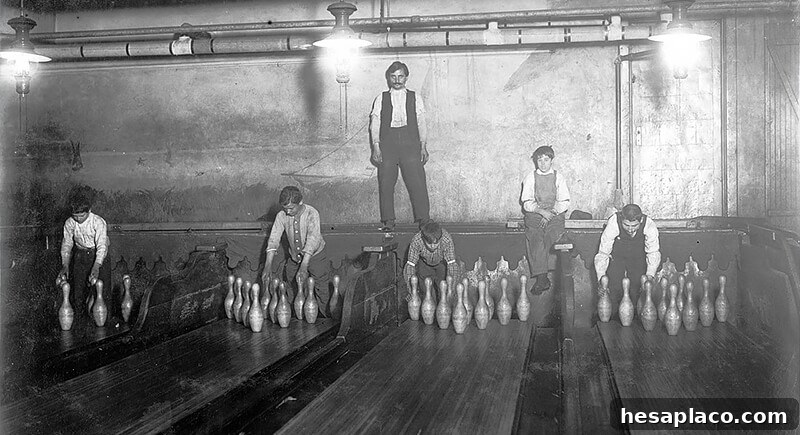
Before mechanical pinsetters became standard, pin boys manually reset pins and returned balls between frames. The job required constant attention, quick movements in a cramped space, and exposed workers to the risk of injury from fast-moving play. Automated pinsetters improved consistency and safety, eliminating much of the manual labor and the hazards associated with it.
Lift Operators

Credit: goerie
Modern elevators run automatically at the push of a button, but they used to require a dedicated operator. Lift operators controlled stops, managed schedules during peak periods, and monitored ride safety throughout the day. As elevator systems became automated, that role largely disappeared, and building occupants gained reliable, self-service vertical transport.
Switchboard Operators
Credit: Wikimedia Commons
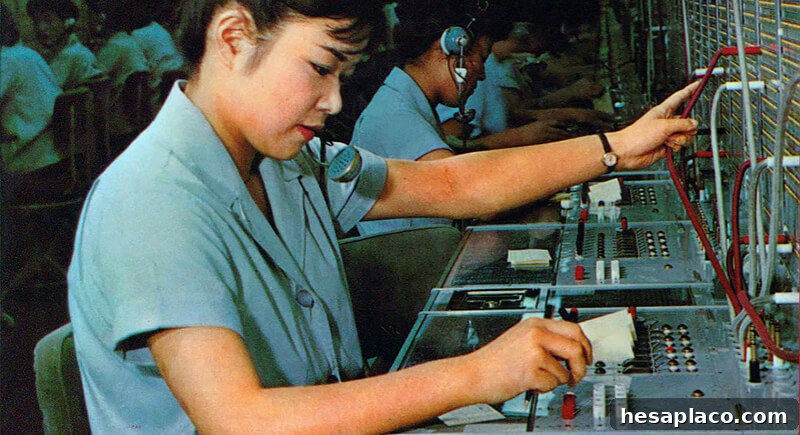
Making a phone call once depended on switchboard operators who manually connected lines using plugs and cords. They routed calls and ensured connections worked. With the arrival of automated switching and digital networks, connections became faster and more reliable, enabling many more simultaneous calls and rendering manual switching obsolete.
Retail Cashiers

Credit: Getty Images
Self-checkout systems have changed the retail experience by allowing shoppers to scan, pay, and leave without waiting in long lines. Previously, cashiers handled every step of transactions, from scanning items to accepting payment, which could slow service during busy periods. Automated checkout reduces wait times and reallocates staff toward customer service and inventory management tasks.
Factory Line Workers
Credit: Wikimedia Commons
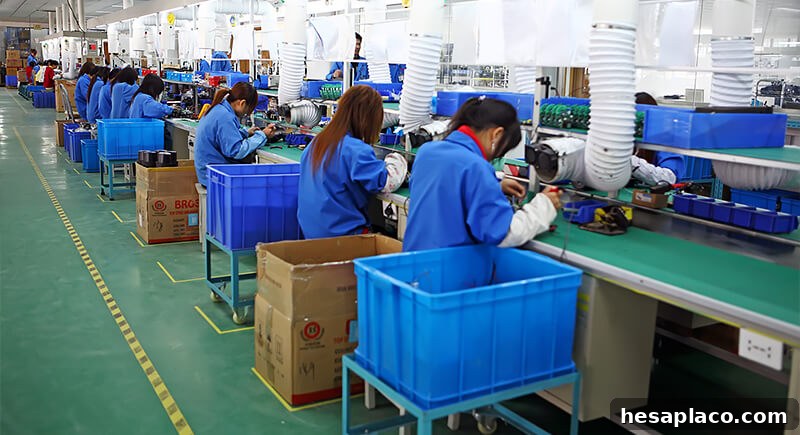
Many manufacturing tasks are now performed by automated machinery that operates with consistency and precision. While workers once carried out repetitive production tasks manually—often in demanding and hazardous conditions—modern factories typically require employees to supervise automated lines, perform quality control, and maintain equipment, shifting the skillset from repetitive labor to technical oversight.
Warehouse Workers

Credit: Getty Images
Modern warehouses increasingly depend on robots and automated systems to sort inventory, prepare shipments, and move goods efficiently. These technologies speed up operations and reduce errors. Historically, warehouse staff performed those tasks manually across large spaces, requiring considerable physical effort and long hours; automation has shifted many roles toward supervision, programming, and maintenance.
Data-Entry Clerks

Credit: Getty Images
Before automated extraction tools and integrated databases, data-entry clerks spent hours entering information manually, line by line. This work demanded continuous focus and repetitive effort, often under tight deadlines when large datasets needed rapid processing. Advances in software have automated much of this work, allowing people to shift to roles that validate, analyze, and interpret data instead of merely transcribing it.
Bank Tellers

Credit: Canva
Until the 1960s, most banking transactions were handled in person at branches by tellers processing deposits, withdrawals, and account services. The introduction of ATMs made cash and basic services accessible beyond branch hours, and online banking later expanded digital access to many financial services. These changes reduced the need for in-person transactions, allowing bank staff to focus on advisory and complex customer needs.
Travel Agents

Credit: Getty Images
Booking travel is now something most people can do in minutes by comparing options online, but travel agents once provided indispensable expertise. They arranged flights, hotels, and complex itineraries using reservation systems and knowledge that were inaccessible to the average traveler. While many routine bookings have shifted online, agents still play a valuable role for customized trips, complex logistics, and personalized advice.