Behind many well-known companies lies at least one decision that went terribly wrong. An idea that seemed brilliant in a boardroom can collapse once it reaches customers. Sometimes the mistake stems from overconfidence; other times nobody challenges the plan. When such errors scale inside large corporations, the cost can run into the millions or even billions. These corporate missteps have become classic lessons in how quickly a bad decision can turn expensive.
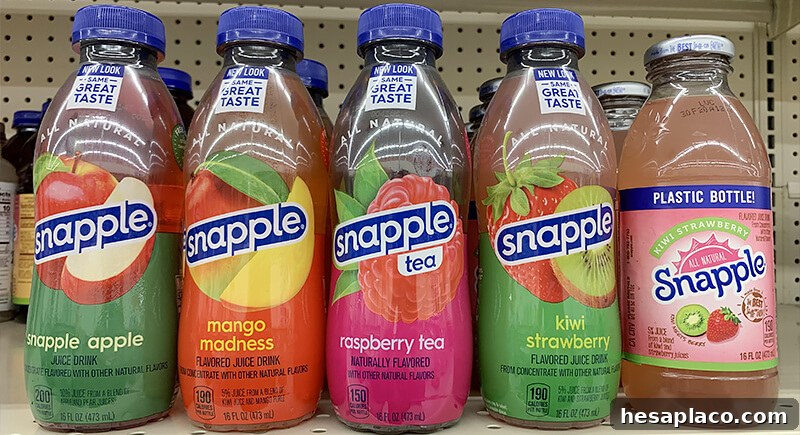
Quaker Oats Turned Snapple From Cool to Corporate
Credit: Reddit
In 1994, Quaker Oats acquired Snapple for $1.7 billion, believing it could replicate the success it had with Gatorade. On paper the move appeared logical, but Quaker misunderstood the core qualities that made Snapple popular. Snapple thrived through small independent distributors and neighborhood delis, which gave the brand a scrappy, authentic image. Quaker pushed Snapple into major supermarket channels, stripping away its distinctiveness and alienating customers. Sales plunged, and just 27 months later Snapple was sold for $300 million—a dramatic loss that underlines the danger of misreading brand DNA.
Yahoo Paid $1.1 Billion for Tumblr Then Sold It for $3 Million
Credit: Wikimedia Commons
In 2013 Yahoo bought Tumblr for $1.1 billion with assurances that it would preserve what made the platform culturally relevant. Executives hoped Tumblr’s young audience would revive Yahoo’s waning digital fortunes. Instead, revenue failed to meet expectations, advertising plans clashed with user culture, and moderation challenges mounted. The platform’s distinct voice faded under corporate influence. In 2019 Verizon, which had acquired Yahoo, sold Tumblr for roughly $3 million. The acquisition stands as a stark example of how corporate integration can destroy value.
AOL and Time Warner’s $165 Billion Culture Clash
Credit: Wikimedia Commons
The 2000 merger of AOL and Time Warner, valued at $165 billion, was promoted as the future of media. An internet pioneer merging with an entertainment powerhouse that owned HBO, CNN and Warner Bros sounded promising, but the alliance quickly unraveled. Cultural clashes, strategic disagreements and the bursting dot-com bubble led to a catastrophic collapse in AOL’s market value. The combined company later recorded nearly $99 billion in write-downs. The deal remains one of the most infamous corporate failures, illustrating how mismatched cultures and unrealistic expectations can doom even headline-grabbing mergers.
Hoover’s Free Flights That Weren’t Free
Credit: Wikimedia Commons
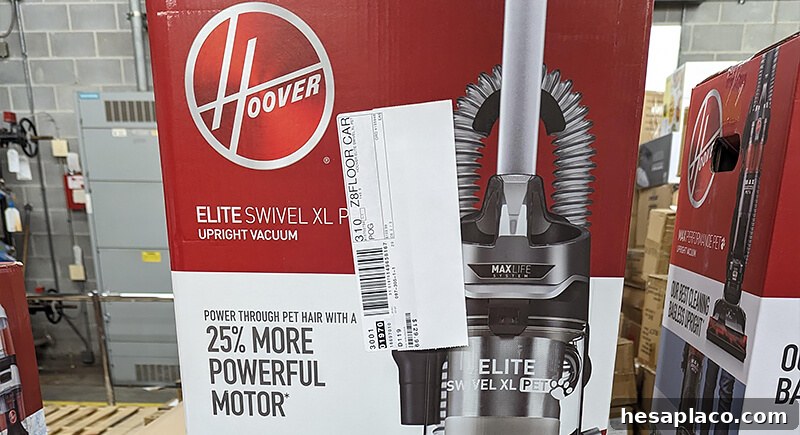
In the early 1990s Hoover UK launched a promotion offering free transatlantic flights to customers purchasing certain appliances. The campaign aimed to boost vacuum sales and succeeded beyond expectations—too well. Customers discovered they could qualify for airfare by buying low-cost items, and Hoover underestimated redemption rates and logistical costs. The promotion ultimately cost the company about £48 million and led to the dismissal of senior executives. It remains a cautionary tale about poorly designed incentives and the importance of anticipating consumer behavior.
Citibank Accidentally Wired $900 Million

Credit: Wikimedia Commons
In 2020 Citibank intended to make an interest payment to lenders on a Revlon loan but accidentally wired nearly $900 million—the full principal amount. The error exposed serious weaknesses in the bank’s internal controls. Some lenders returned the funds; others asserted legal rights to keep them. After lengthy legal battles, Citibank was unable to recover roughly $500 million. The incident highlighted how operational mistakes at major financial institutions can lead to huge losses and complex legal disputes.
Kodak Invented the Digital Camera and Protected Film Instead
Credit: Wikimedia Commons
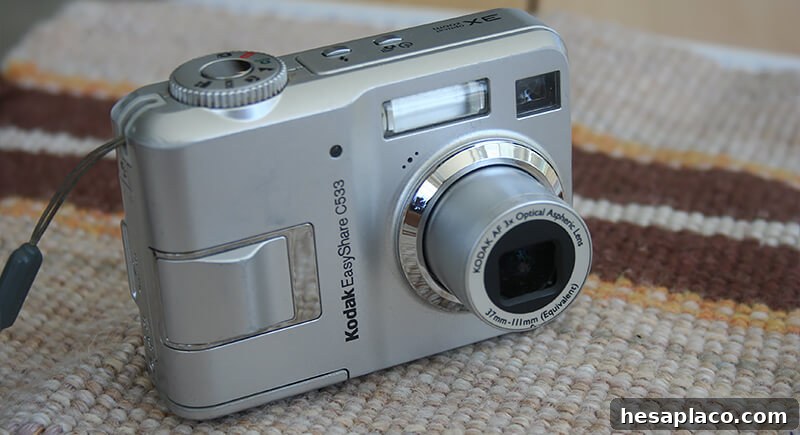
In 1975 a Kodak engineer, Steve Sasson, built the first digital camera prototype, capturing images electronically rather than on film. Company leaders, however, hesitated to push the innovation because film was highly profitable and executives feared digital would cannibalize core revenue. Competitors advanced digital photography through the 1990s and 2000s while Kodak clung to its legacy business. The company filed for bankruptcy protection in 2012. Kodak’s story is a powerful lesson in how protecting short-term profits can prevent long-term survival when disruptive technologies emerge.
Toys “R” Us Let Amazon Run Its Online Store
Credit: Wikimedia Commons
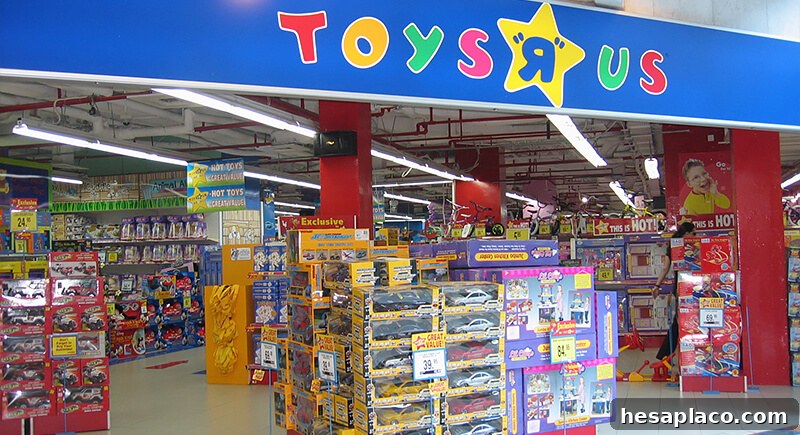
In 2000 Toys “R” Us signed a 10-year deal that paid Amazon $50 million a year to run its e-commerce operations. The retailer focused on physical stores and outsourced digital logistics, a decision that handed Amazon crucial data about toy sales and consumer demand. Over time Amazon became a dominant online toy seller, while Toys “R” Us struggled to compete and filed for bankruptcy in 2017. The arrangement illustrates the risks of outsourcing core customer relationships and ceding digital expertise to a potential competitor.
DaimlerChrysler’s “Merger of Equals”

Credit: Wikimedia Commons
The 1998 merger of Daimler-Benz and Chrysler was billed as a “merger of equals,” but integrating two distinct corporate cultures proved far more difficult than anticipated. German management practices clashed with American manufacturing approaches, and the companies struggled to align strategy. By 2007 Daimler divested Chrysler, absorbing losses estimated between $4 billion and $5.4 billion. The failed union has become a textbook example of the complexities and hidden costs in cross-border mergers.
Samsung’s $105 Billion “Ghost Stock” Glitch
Credit: Wikimedia Commons
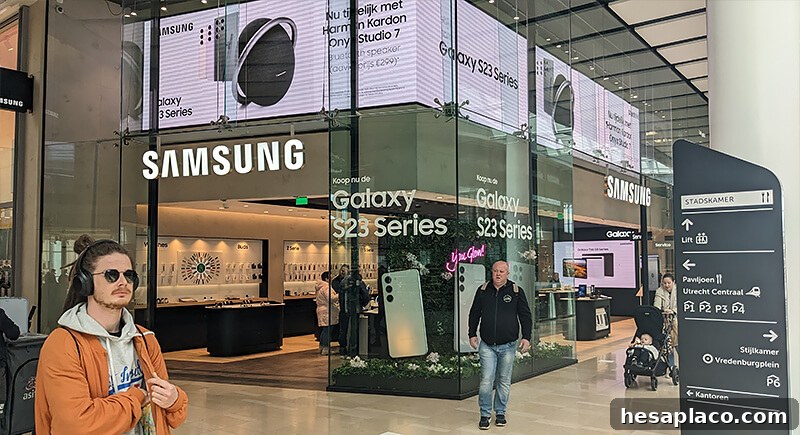
In 2018 Samsung Securities accidentally issued billions of dollars’ worth of phantom shares due to a data entry error. Some employees sold shares before the mistake was detected, briefly creating the illusion of about $105 billion in unauthorized stock. Although the company avoided a systemic crisis, the incident led to regulatory penalties and raised urgent questions about operational risk management and the robustness of internal controls.
News Corp Bought MySpace at the Peak

Credit: Mint
MySpace once defined online social culture, but its decline shows how quickly digital dominance can vanish. In 2005 News Corp bought MySpace for $580 million at the platform’s peak. Under new ownership increased pressure to monetize advertising and changes to the user experience drove users away, while Facebook expanded with a cleaner interface and broader appeal. By 2011 News Corp sold MySpace for about $35 million. The reversal underscores how fragile market leadership can be when product focus and user experience degrade.