
Many of today’s best-known global companies began their journeys in entirely different industries. Some started as small shops, mills, or suppliers and later transformed into leaders in technology, consumer goods, entertainment, and defense. These surprising origin stories show that business success often comes through unexpected pivots and long-term adaptation rather than a straight, predictable path.
Adidas
Credit: Wikimedia Commons
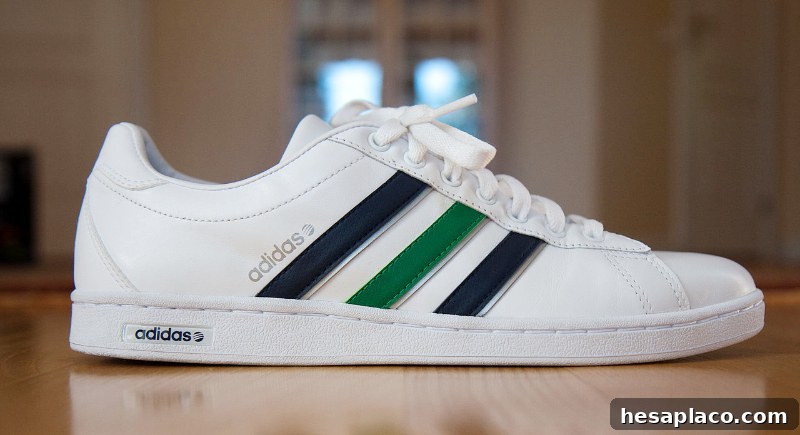
Adolf Dassler began making and repairing shoes in a small German workshop in 1924. During World War II his factory produced boots for soldiers, keeping the business afloat through difficult times. After the war, with Germany’s economy in ruins, Dassler reassessed the company’s direction. In 1949, at age forty-nine, he focused the business on athletic footwear—a decision that eventually led to the internationally recognized brand Adidas.
NASCAR

Credit: Wikimedia Commons
NASCAR’s origins trace back to the era of Prohibition in the United States, when moonshiners in the South modified cars with stronger suspensions and more powerful engines to transport illegal liquor while evading law enforcement. The skills developed by those drivers and their souped-up vehicles created a local culture of fast, skilled driving. Promoter Bill France channeled that energy into organized competition, staging NASCAR’s first sanctioned event at Daytona Beach in 1948 and establishing the organization’s headquarters in Charlotte the following year.
Nokia
Credit: pixabay
Nokia started in 1865 when Knut Fredrik Idestam opened a paper mill by a river in Tampere, Finland. For decades the company focused on paper production. As competition increased in the mid-twentieth century and margins tightened, Nokia diversified into manufacturing electrical cables in the early 1960s. That shift into electronics laid the groundwork for Nokia’s later rise as a dominant mobile phone manufacturer.

Credit: Wikimedia Commons
Twitter emerged from a struggling podcast startup called Odeo in the early 2000s. When Apple added podcasts to iTunes, Odeo’s original business model became difficult to sustain. During a company brainstorming session, Jack Dorsey proposed a simple messaging service that let people post short text updates. These messages were limited to 140 characters to align with SMS constraints. Launched in 2006, the platform quickly expanded beyond its experimental roots to become a major social media network.
Procter & Gamble

Credit: iStockphoto
Procter & Gamble originated from a 1837 conversation between William Procter and James Gamble at a family dinner in Cincinnati. One man made candles and the other made soap, and they decided to pool their skills into a business selling practical household goods. Through steady expansion and strategic acquisitions, P&G gradually broadened its product range across the United States. Nearly two centuries later, the company remains one of the world’s largest consumer goods manufacturers.
SEGA
Credit: Wikimedia Commons
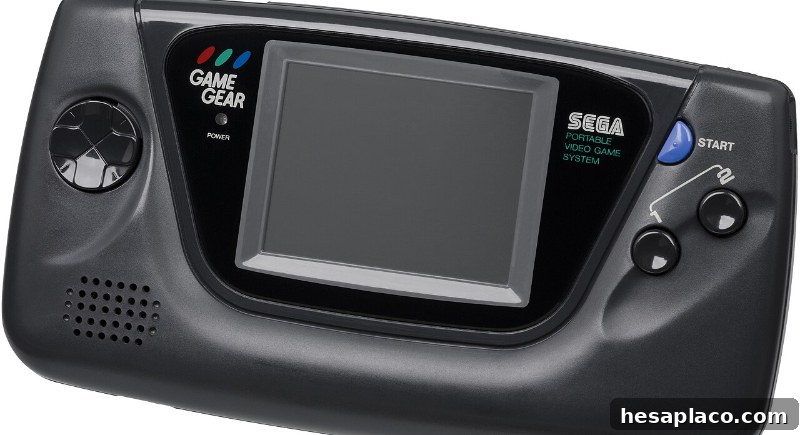
SEGA’s path to becoming a video game icon involved several dramatic shifts. The company began in 1940 as Standard Games in Hawaii, supplying slot machines and other amusements to U.S. military bases in the Pacific. After World War II and a 1952 ban on slot machines that reduced demand, the business was sold and rebranded in Japan. Over the following decades it moved into arcade games and eventually home video game hardware, establishing itself as a major player in the gaming industry by the 1990s.
Coca-Cola
Credit: Canva
Coca-Cola began as a medicinal tonic in the 1880s. Pharmacist John Stith Pemberton developed the formula in part as a remedy related to issues of the era, including morphine addiction. Early versions of the drink were non-alcoholic due to local prohibition regulations, and they originally contained small amounts of cocaine, an ingredient later removed. By 1892, Coca-Cola had been rebranded as a sweet, carbonated soft drink and positioned for broad national consumption.
Raytheon
Credit: iStockphoto
Raytheon’s beginnings were far removed from its later identity as a major defense contractor. Founded in 1922, the company initially focused on consumer appliances like refrigerators and early microwave technology. After World War II, Raytheon shifted its attention to defense contracts as Cold War tensions and government spending increased. That strategic pivot helped the company become one of the United States’ largest manufacturers of defense systems.
Samsung
Credit: iStockphoto
Samsung began in 1938 as a small grocery business in Seoul, where founder Lee Byung-chul sold dried fish and produce. The company diversified into sugar refining and textiles during the 1950s in response to intense competition and the disruptions of the Korean War. In the early 1960s Samsung entered electronics manufacturing, a move that over decades transformed the firm into a global technology leader known for semiconductors, displays, and smartphones.
DuPont
Credit: Facebook
DuPont began in 1802 when Éleuthère Irénée du Pont founded the company to manufacture gunpowder. For many decades, the firm supplied explosives and related materials, including contributions during major conflicts such as World War II. Over time DuPont expanded into broader chemical research and development, creating materials like rayon and Teflon that later became common in consumer products. The company’s evolution from explosives manufacturer to diversified chemical innovator illustrates how long-term reinvention can reshape an enterprise’s identity.
These stories illustrate that many of the world’s most recognizable brands started in modest or unrelated ventures. Whether through necessity, innovation, or strategic shifts, each company adapted to changing markets and opportunities—often arriving at success by following unexpected routes rather than a single planned trajectory.