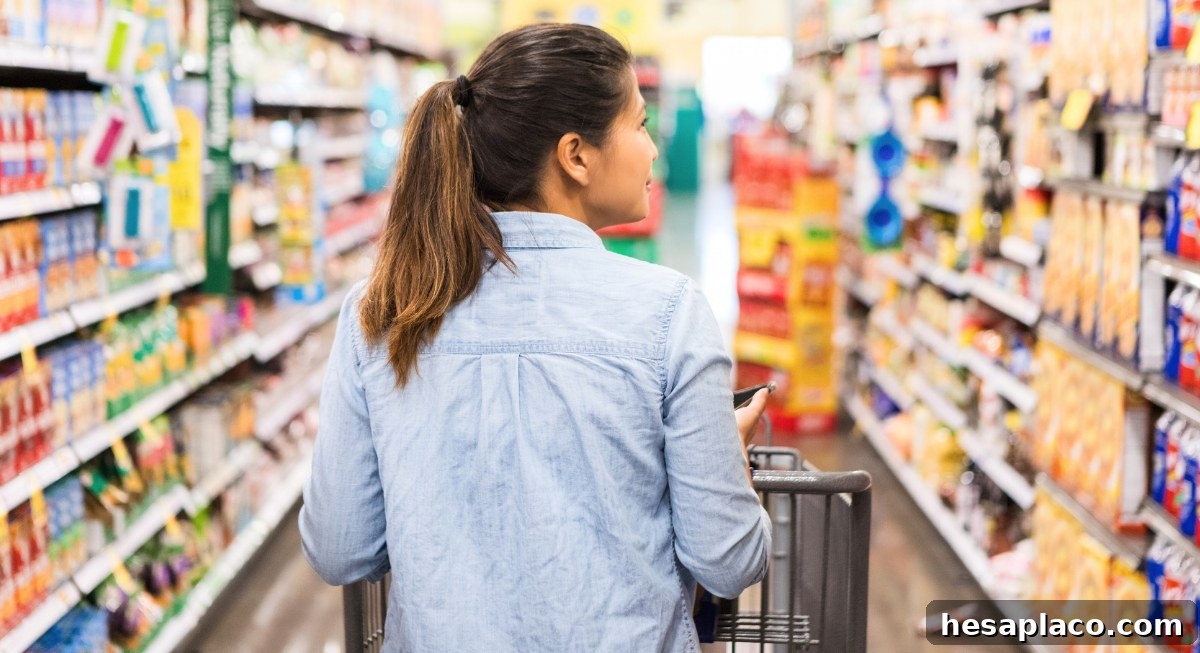
You walk into a grocery store for one or two items and somehow leave with a cart full of things you never intended to buy. Your budget stretches and the one item you needed can be forgotten entirely. This common experience often has less to do with willpower and more to do with deliberate store design. Supermarkets use a range of subtle strategies—developed from decades of research—to encourage shoppers to spend more, often without their conscious awareness.
The Aroma That Greets You
Credit: iStockphoto
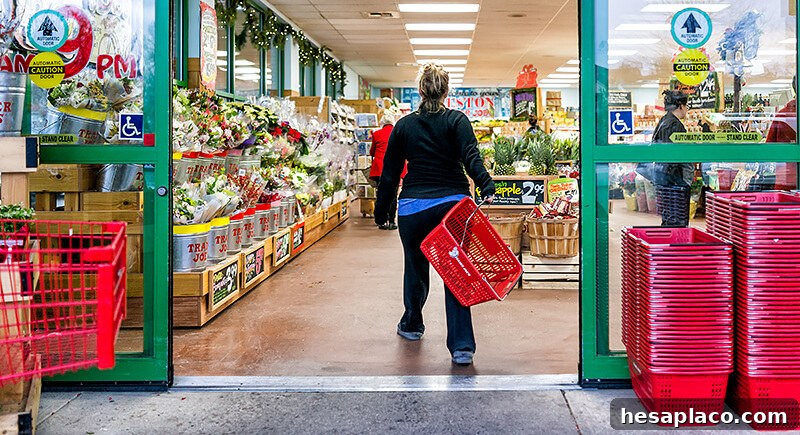
The fresh-baked bread smell near the entrance is rarely accidental. Many supermarkets place their bakeries by the front doors so the aroma drifts through the store as shoppers arrive; some chains even use scent-diffusion systems to enhance the effect. Studies have found that food aromas increase purchases of indulgent, high-calorie items, which helps explain why stores engineer that welcoming scent into their layouts.
Milk Is Placed Farther In
Credit: Wikimedia Commons
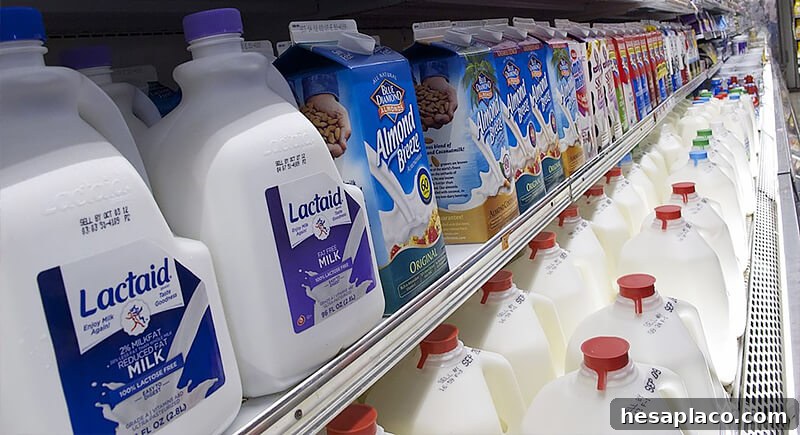
Staples like milk and eggs are often located in the back or far corners of the store. Because these are high-demand items, placing them away from the entrance pulls customers through many aisles on the way, increasing the chance of unplanned purchases. Layouts differ between chains and regions, but the principle of positioning everyday essentials deeper inside the store is a common retail tactic.
Carts Designed to Hold More
Credit: Canva
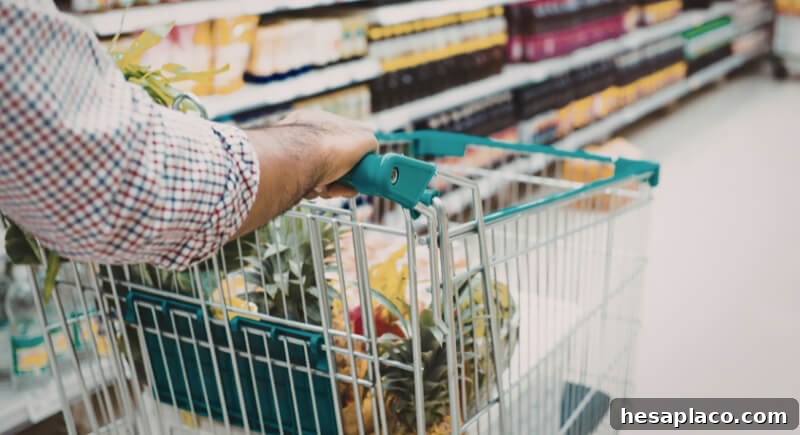
Shopping carts today are often much larger than they once were, and that change is intentional. Industry consultants have shown that larger carts lead customers to purchase more—sometimes dramatically so. An emptier cart can create a feeling of incompleteness, prompting shoppers to add extra items almost automatically. Retailers replace smaller carts with larger ones because a half-empty cart nudges people to keep shopping.
The Power of .99 Pricing
Credit: Reddit
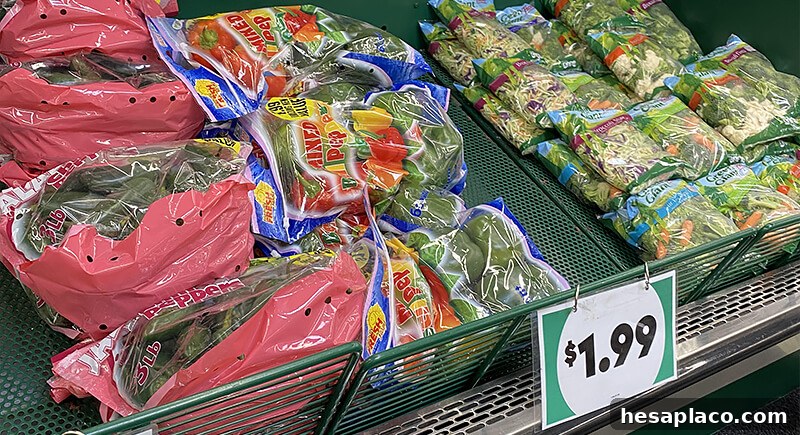
Prices that end in .99 generally sell better than the next whole-dollar price, even though the difference is only a cent. Research on “charm pricing” shows that consumers often perceive $3.99 as closer to $3 than to $4 because they read numbers left to right, making the lower-appearing digit more salient. This psychological effect helps explain why retailers frequently use .99 endings.
Color and the “Health Halo”
Credit: Wikimedia Commons
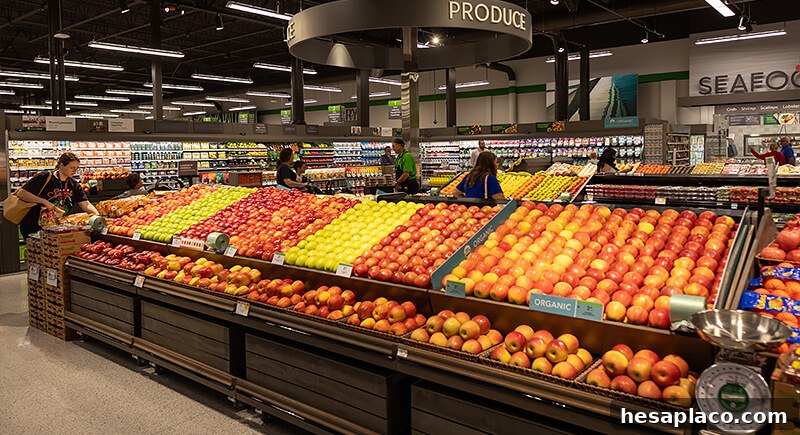
Many stores place a bright produce section near the entrance because colorful fruits and vegetables create a “health halo.” When shoppers feel they’ve made a healthy choice early in their trip, they’re more likely to permit themselves indulgences later. Intentionally positioning fresh produce at the start of the store capitalizes on this psychological effect to encourage subsequent discretionary purchases.
Temptations at Checkout
Credit: Wikimedia Commons
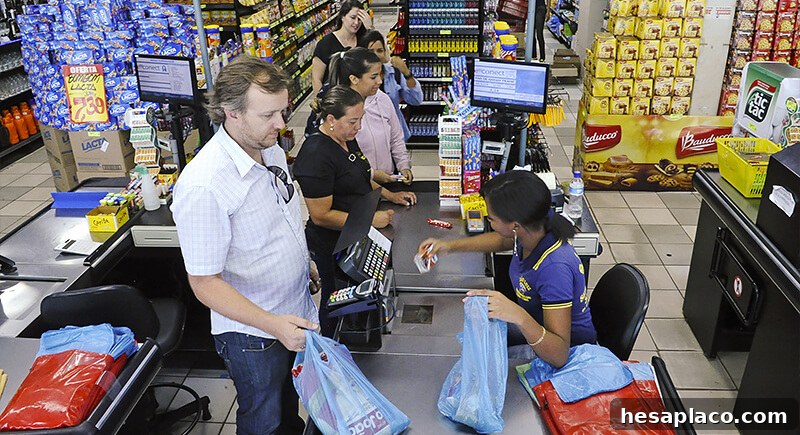
Items placed at eye level in checkout lanes—especially candy and snack packs—sell particularly well. Children standing in carts have an easy line of sight to these treats while parents focus on paying, which increases impulse purchases. Checkout areas are known for being especially effective zones for brief, targeted marketing that prompts last-minute additions to the basket.
Music That Slows You Down
Credit: Canva
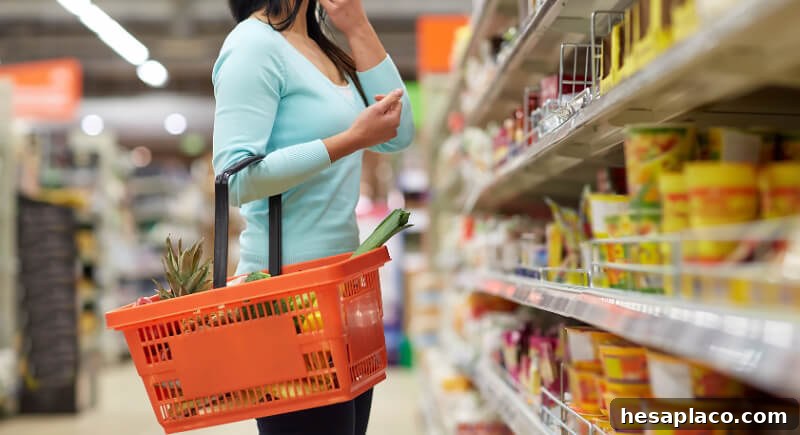
Research has shown that slower background music causes shoppers to move more slowly and spend more time in the store, which increases spending. Faster tempos tend to speed shoppers up, so many supermarkets lower the tempo during busy periods to keep customers browsing longer. This subtle atmospheric change is a long-standing retail technique that consistently boosts sales.
Store Brands Placed Next to Name Brands
Credit: Reddit
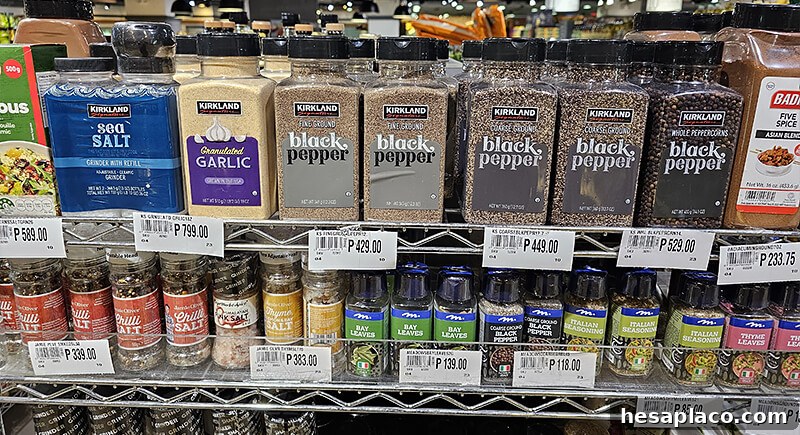
Private-label products are frequently shelved beside the national brands they imitate, making it easy for shoppers to swap to a lower-priced alternative. Retailers profit from higher margins on their own brands, so placing them side-by-side encourages buyers to choose the store label without having to search. This tactic has helped private-label sales grow substantially in recent years.
Lighting That Enhances Appeal
Credit: Canva
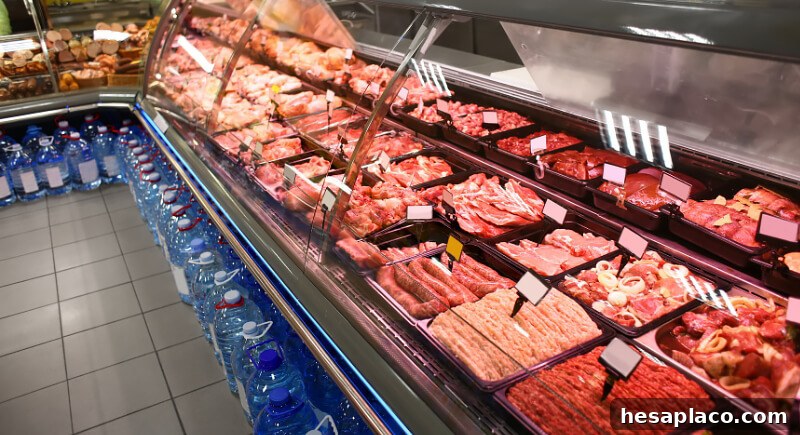
Lighting plays a big role in product perception. Warm, reddish lights make meat look fresher and more appealing; cool, bright lighting helps produce colors pop; and soft golden lights give bakery goods a freshly made appearance. Stores tailor lighting by department because the right color temperature and brightness can make items look more desirable and boost sales.
The Cost of Free Samples
Credit: Photo Images
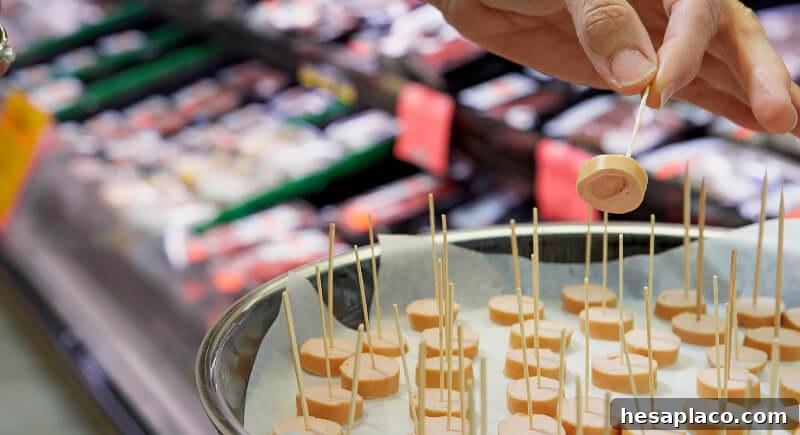
Free samples trigger a reciprocity instinct: when someone receives a small favor, they often feel compelled to reciprocate. In supermarkets, that favor frequently translates into purchasing the sampled product. Research shows sampling boosts short-term sales, which is why stores dedicate floor space and staff time to offer bite-sized tastes—especially on busy weekends.
Understanding these tactics can help you shop more intentionally. Making a list, sticking to it, and using a smaller cart or a basket can reduce impulse buys. Awareness alone doesn’t eliminate the influence of smart retail design, but it can give you a better chance of staying on budget and getting out with only what you intended to buy.