You probably notice hundreds of logos every week without giving them much thought. They flash across your phone screen, appear on delivery boxes, sit on coffee cups, or pass by on billboards—and most vanish from memory within seconds.
Yet some of the world’s most recognizable brands hide clever design details inside their logos. These subtle elements are deliberate: designers craft them as quiet storytelling devices. Once you spot them, they’re hard to unsee, and familiar logos begin to look different and more meaningful.
FedEx

Credit: Wikimedia Commons
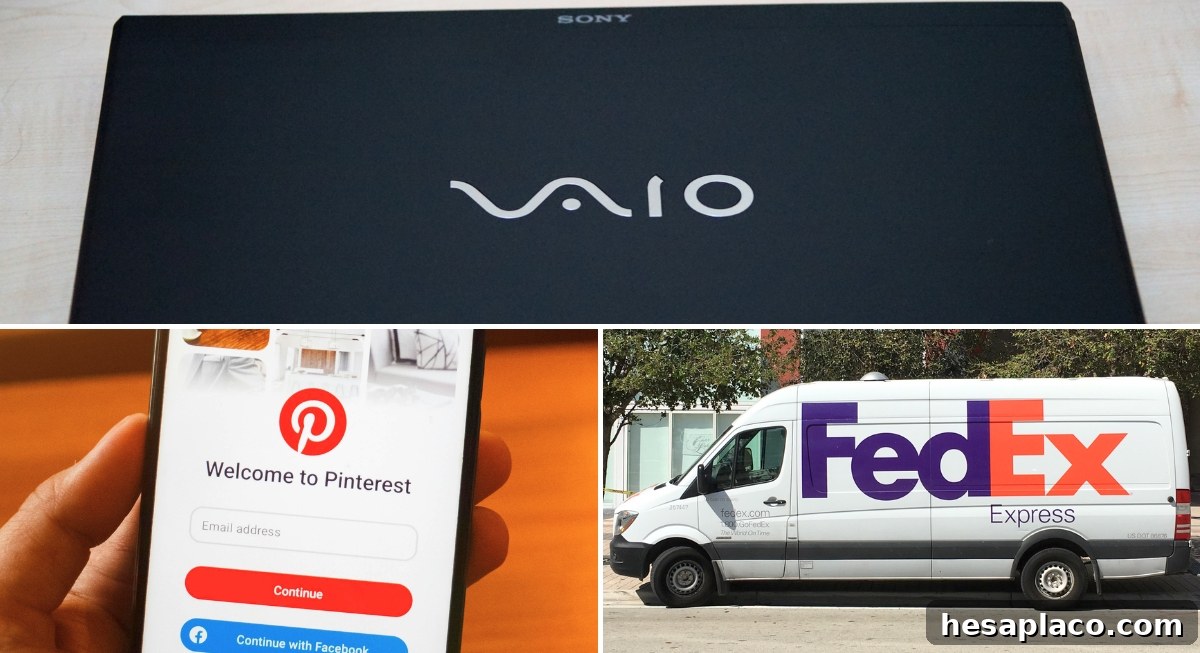
At first glance, the FedEx mark reads as clean, modern typography in purple and orange. The real trick lies in the negative space: between the capital E and the lowercase x sits a white arrow pointing forward. Designer Lindon Leader added this arrow in 1994 to convey speed, precision, and forward motion. Most viewers don’t notice it immediately, but once discovered it becomes impossible to ignore—elevating the logo beyond simple text.
Amazon
Credit: iStockphoto
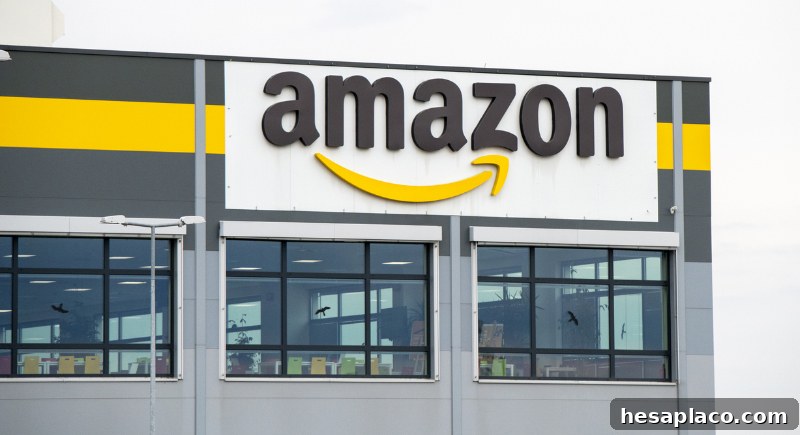
Amazon’s yellow curved arrow performs two functions. It spans from the letter A to the letter Z, reinforcing the company’s promise to sell everything from A to Z. At the same time the curve forms a subtle smile, creating a positive emotional cue that strengthens brand recall. Amazon signals wide selection and links purchases to satisfaction and friendly service.
Toblerone
Credit: Wikimedia Commons
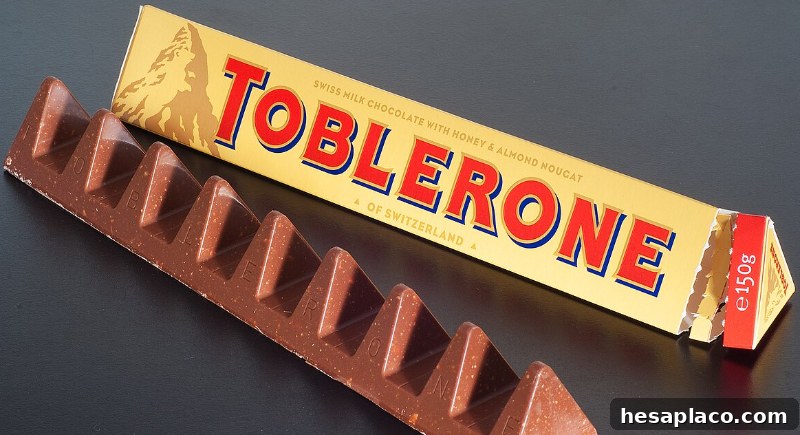
The Toblerone logo features the iconic Matterhorn silhouette, and inside that mountain a bear appears in the negative space. The bear references Bern, Switzerland—Toblerone’s birthplace—often nicknamed “The City of Bears.” Rather than adding an obvious hometown emblem, Toblerone subtly weaves a local tribute into the packaging artwork.
Baskin-Robbins
Credit: Wikimedia Commons
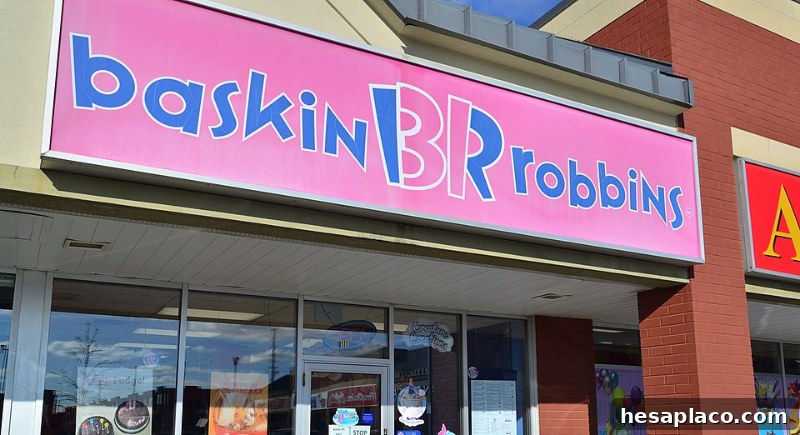
The Baskin-Robbins logo looks like playful pink-and-blue lettering, but the B and R cleverly form the number 31 in pink. That number dates to 1953 when the chain promoted 31 flavors—one for every day of the month. Although the menu now includes hundreds of flavors and the brand refreshed its identity in 2022, the hidden 31 remains as a nod to its original promise.
Beats by Dre

Credit: bbay
Beats by Dre uses a lowercase “b” inside a bold red circle, and the mark does more than represent a letter. The circle outlines a human head while the “b” becomes a single headphone resting over the ear. Without drawing a full pair of headphones, the logo communicates the product and turns the name itself into the listener—an economical, purposeful visual that fits the brand.
Tour de France
Credit: Facebook
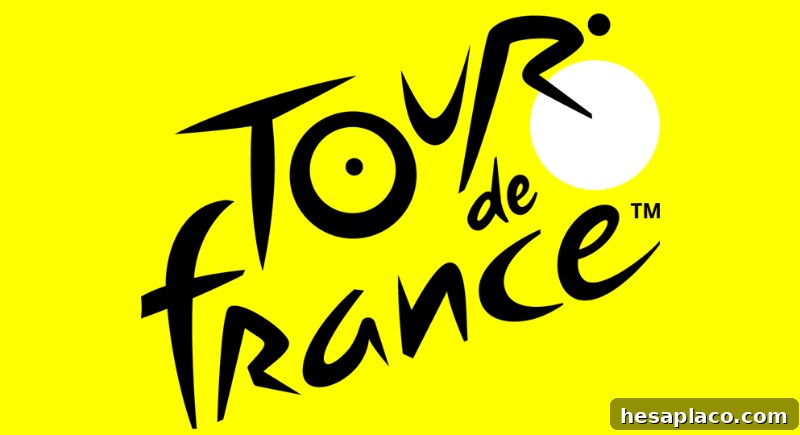
The Tour de France wordmark looks playful and slightly abstract, but its details are intentional. The letter “R” in “Tour” is shaped to suggest a cyclist leaning forward over handlebars, while the yellow circle doubles as a sun and a bicycle wheel. Instead of adding a separate bike icon, the designers embedded the sport directly into the typography, so the race lives within the name itself.
Sony Vaio
Credit: Wikimedia Commons
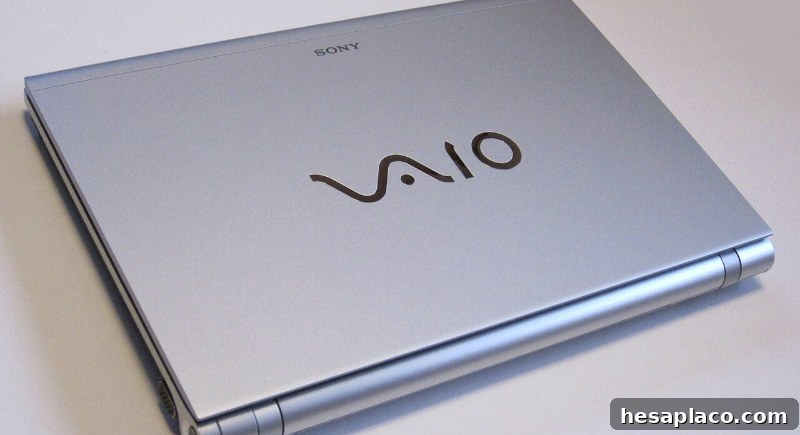
Sony’s Vaio logo is a smart example of conceptual typography in tech branding. The “V” and “A” are drawn to resemble an analog waveform, symbolizing traditional audio signals, while the “I” and “O” represent the binary digits 1 and 0, evoking digital computing. The design visualizes the transition from analog to digital, making the logo both meaningful and memorable.
Unilever
Credit: iStockphoto
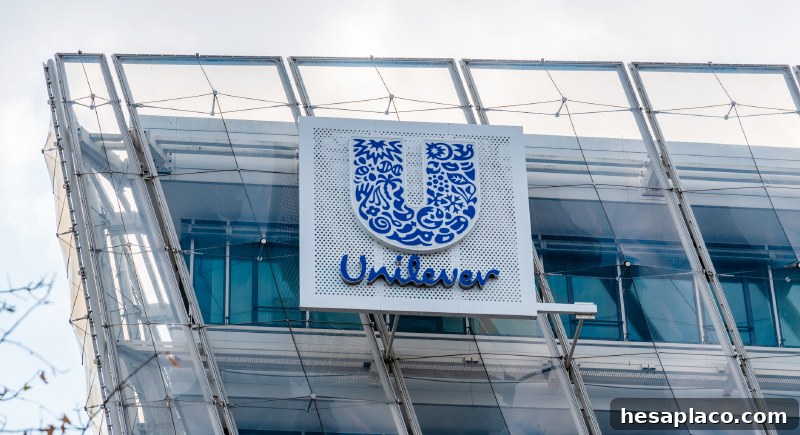
Unilever’s large blue “U” contains dozens of small icons, each representing a different category within the company’s broad portfolio—food, hygiene, sustainability, and more. Look closely and you’ll find a spoon, a heart, a bird, water droplets, and leaves. Instead of listing brands or product lines, Unilever conveys its scale and diversity visually within a single emblem.
Milwaukee Brewers
Credit: Facebook
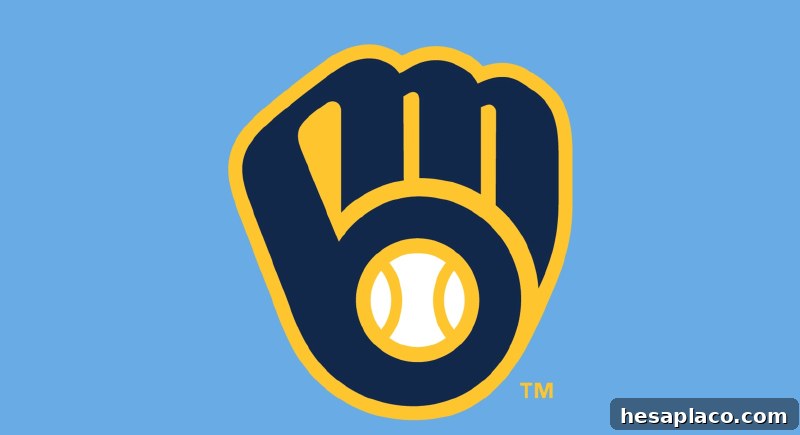
The Milwaukee Brewers logo reads at first like a classic baseball glove cradling a ball, but its curves form a clever secret: the negative space outlines a lowercase “m” and “b,” the team’s initials. The mark functions immediately as a baseball symbol and reveals a second layer of meaning for fans who notice the hidden lettering.

Credit: iStockphoto
Pinterest’s red circular mark looks like a stylized capital “P,” but the letter also functions as a map pin. That dual meaning is deliberate: the platform is built around “pinning” ideas—recipes, outfits, home projects—to digital boards. Instead of placing a separate pin icon next to the name, Pinterest integrates the action into the letter itself.
These logos show how a small, thoughtful detail can turn a simple mark into a story, a promise, or a piece of brand identity. Once designers embed meaning into a logo—through negative space, subtle shapes, or layered symbolism—the mark becomes more than a name: it becomes a memorable visual signpost for what the brand stands for.