
Cigarettes have killed more Americans than all U.S. wars combined. That sobering reality reflects decades of deliberate tactics by tobacco companies to obscure the harm their products caused. Rather than openly acknowledge the risks, industry leaders used advertising, research funding, targeted marketing, and legal maneuvers to protect profits and delay public understanding. The following overview highlights major deceptions and strategies used by Big Tobacco, and the real consequences for public health.
Doctors Once Endorsed Specific Brands
Credit: Reddit
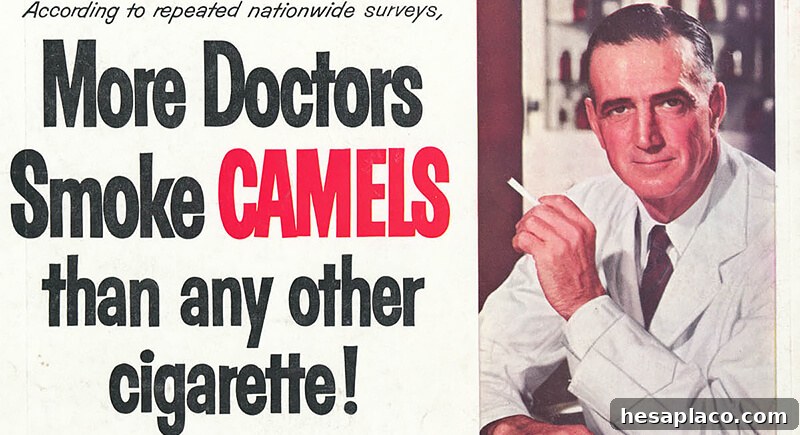
It may seem astonishing today, but for years cigarette advertising featured physicians in white coats recommending specific brands. Ads claiming “More doctors smoke Camels than any other cigarette” and similar slogans gave consumers false reassurance that smoking was safe or even healthful. Archival records, including collections at Stanford, show that the American Medical Association permitted cigarette advertising into the 1950s, lending undeserved medical credibility to tobacco products.
Deliberate Nicotine Manipulation

Credit: Wikimedia Commons
Internal industry documents later revealed that addiction was not an accidental byproduct but an intended outcome. Files from the Legacy Tobacco Documents Library show companies such as Brown & Williamson deliberately adjusted nicotine delivery to increase dependence. Memos referring to cigarettes as “nicotine delivery devices” show that boosting nicotine levels was an explicit commercial strategy designed to secure repeat customers.
Using Media to Undermine Health Concerns
Credit: Wikipedia
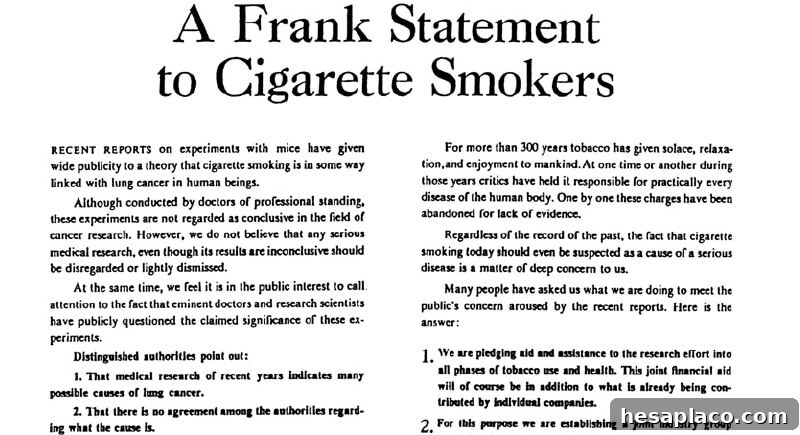
By the 1950s, tobacco executives already had internal evidence linking smoking to cancer. Instead of warning the public, they launched public relations campaigns aimed at casting doubt and buying time. The 1954 “Frank Statement to Cigarette Smokers,” published in hundreds of newspapers, promised concern and impartial research while sidestepping the scientific evidence. Later reviews, including National Cancer Institute reports, document how these tactics exploited media to protect sales rather than public health.
Joe Camel and Youth Targeting

Credit: ebay
The Joe Camel campaign was carefully designed to attract attention—and it succeeded in reaching children. Research published in JAMA showed that preschool-aged children recognized the Joe Camel character as readily as universally known figures like Mickey Mouse, indicating the campaign’s strong appeal to young audiences. After regulatory action by the Federal Trade Commission in 1997, RJ Reynolds retired the mascot, but internal documents later revealed systematic tracking of youth perceptions and brand appeal.
Menthol Was Used Strategically
Credit: ebay
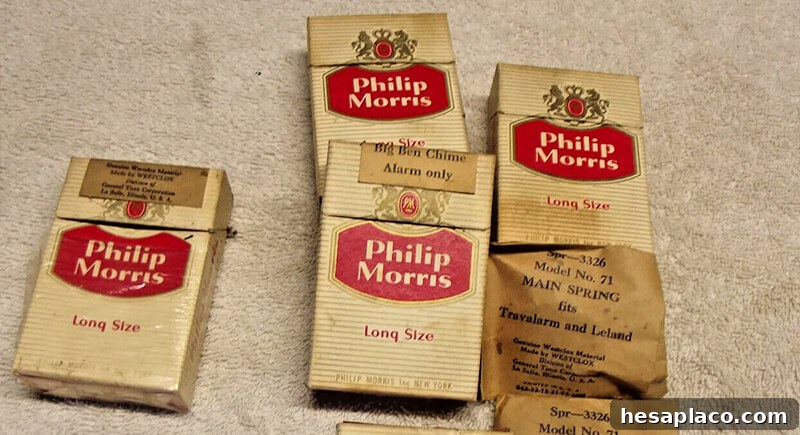
Menthol in cigarettes served more than a flavor purpose. Its cooling sensation masks harshness, enabling deeper inhalation and easing initiation for some smokers. Internal Philip Morris documents reveal focused marketing efforts in Black communities, contributing to stark disparities: by 2022, nearly 85 percent of non-Hispanic Black smokers used menthol cigarettes. That gap reflects decades of intentional, targeted industry strategy rather than coincidence.
Funding “Independent” Science

Credit: Canva
In 1954, tobacco companies formed the Tobacco Industry Research Committee and presented it as an independent scientific organization. In reality, it was industry-funded and directed. Peer-reviewed histories and public health analyses show how this and similar groups were used to cast doubt on clear links between smoking and disease, labeling damaging findings as unsettled and thereby delaying regulatory and public health responses for years.
Lobbying to Stymie Regulation

Credit: Wikimedia Commons
The 1998 Master Settlement Agreement required U.S. tobacco companies to pay roughly $206 billion, but it did not end industry influence over policy. Subsequent reporting revealed efforts by major companies to undermine or weaken tobacco control measures globally, including attempts to influence international treaty negotiations. Public statements promoting change often contrasted with behind-the-scenes lobbying aimed at blocking or diluting health protections.
Denial of Secondhand Smoke Harms

Credit: iStockphoto
Internal assessments in the 1970s warned that evidence of harm from secondhand smoke posed a major risk to the business. Instead of mitigating the danger, companies funded research intended to cast doubt and lobbied against smoke-free legislation. Even after the EPA classified secondhand smoke as a Group A carcinogen in 1992, industry efforts continued to challenge and discredit the science, delaying wider adoption of smoke-free policies.
“Light” Cigarettes: A Misleading Label
Credit: flickr
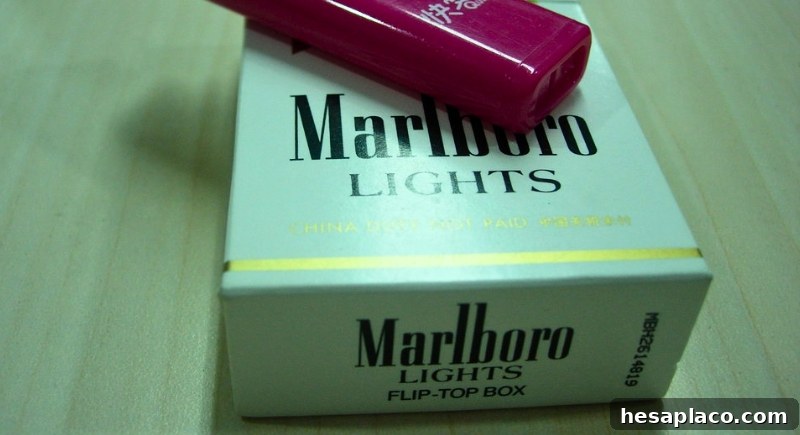
Brands labeled “light” suggested lower risk, but research and internal documents exposed the myth. The National Cancer Institute reported that smokers of light cigarettes often inhaled more deeply or smoked longer to achieve nicotine satisfaction, producing exposures to tar and nicotine similar to those from regular cigarettes. Acknowledging the deception, regulators moved to remove misleading descriptors; by 2008, the FTC warned that “light” labels were deceptive and guidance on machine-measured yields was withdrawn.
Courts Found Deceptive Practices

Credit: Canva
In 2006, U.S. District Judge Gladys Kessler issued a landmark 1,683-page opinion in United States v. Philip Morris USA, concluding that major tobacco companies—including Philip Morris, R.J. Reynolds, and Lorillard—had engaged in a long-running scheme to deceive the public about the health risks and addictiveness of cigarettes. The ruling found that these actions violated federal racketeering laws and ordered corrective disclosures, some of which began appearing years later.
The history of Big Tobacco is a cautionary example of how corporate influence, marketing, and manipulation of science can distort public perception and cost lives. Understanding these tactics helps explain persistent health disparities and the continuing need for transparent regulation, robust public health education, and measures that protect vulnerable populations from targeted industry practices.