
Retirement is often sold as leisurely days and endless margaritas, but for many, it becomes a stream of contractor calls and ongoing repairs. Homeownership can shift from a rewarding milestone to an unending to-do list. That’s why renting is increasingly attractive for retirees seeking flexibility, lower stress, and predictable expenses.
The Illusion of Investment Security

Credit: Canva
The popular narrative says buy a house, build equity, and enjoy a mortgage-free retirement. But markets fluctuate, neighborhoods evolve, and home values don’t always rise. Economic downturns and localized drops in demand have left homeowners selling at a loss. For retirees who can’t wait out a slump, that supposed “safe” investment can quickly become a financial liability.
Tied to a Single Location
Credit: pexels
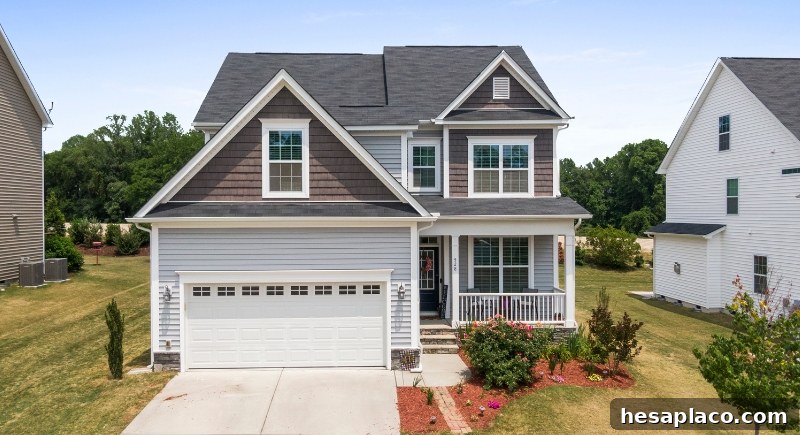
A beloved house can become an anchor that prevents life changes: moving closer to family, accessing better healthcare, or exploring a new city. Renting offers mobility—retirees can relocate, downsize, or try a new community without the friction and cost of selling a home.
Unexpected Accessibility Needs

Credit: Getty Images
Features that once felt charming—steep stairs, narrow hallways, or small bathrooms—can become major obstacles with age. Retrofitting a home for accessibility, such as installing stair lifts or widening doorways, often costs thousands of dollars and involves disruptive construction. Renting in an accessible unit eliminates renovation headaches and preserves comfort without the upfront expense.
The Emotional Toll of Decluttering

Credit: Getty Images
Downsizing is more than logistics—it’s deeply emotional. Decades of belongings carry memories, and deciding what to keep or discard can be painful and time-consuming. Renting reduces the pressure to hold onto space-consuming possessions and simplifies the process of creating a smaller, more manageable home.
Property Taxes Eating into Fixed Income

Credit: Getty Images
Rising property taxes can quickly disrupt a fixed retirement budget. Homeowners sometimes face sharp reassessments that significantly increase annual bills, even without making changes to the property. For retirees on a fixed income, sudden tax hikes can force difficult choices between essential expenses and maintaining their home.
HOA Restrictions and Unexpected Assessments

Credit: Getty Images
Homeowners associations can bring rules, fines, and special assessments that quickly sour life in an otherwise peaceful community. Surprise fees—sometimes tens of thousands of dollars for unplanned repairs—can arrive without homeowner support and strain retirement savings. Renting avoids many HOA surprises and the responsibility for large, unexpected costs.
Missed Opportunities for Travel and Experiences

Credit: Getty Images
Many retirees envision travel and new experiences, but homeownership often turns them into caretakers of yards, appliances, and minor crises. Lawn care, maintenance, and unexpected repairs can consume both time and money that could otherwise be spent on trips, hobbies, or quality time with family. Renting frees retirees from many of those ongoing obligations.
The “Fixer-Upper” Regret

Credit: Getty Images
The appeal of a fixer-upper—character, lower purchase price, and customization—can fade when months of construction interrupt daily life. For those wanting a relaxed retirement, move-in-ready options provide immediate comfort and predictable costs, avoiding the stress and hidden expenses associated with extensive renovations.
The Opportunity Cost of Capital

Credit: Canva
Locking a large portion of savings into a home reduces liquidity and limits financial flexibility. Those funds could be invested in diversified assets that generate income, cover healthcare, or pay for travel. Renting can preserve capital, giving retirees the freedom to allocate money where it best supports their lifestyle and security.
Gaining a Built-in Community

Credit: pexels
Renting, especially in communities geared toward older adults, often includes shared activities and common spaces that foster social connection. Group classes, social events, and communal areas help reduce isolation and build friendships—benefits that can be harder to achieve when living alone in a single-family home.
Predictable Monthly Expenses

Credit: Getty Images
Rent can bundle maintenance, taxes, and sometimes utilities into a single monthly payment. That predictability makes budgeting easier and reduces the risk of sudden, large expenditures. For retirees on a fixed income, knowing what to expect each month allows for better financial planning and greater peace of mind.
Amenities Without the Headaches

Credit: Getty Images
Many rental communities include amenities—fitness centers, pools, gardens, and organized activities—that feel like resort living without the responsibilities of ownership. These conveniences let retirees enjoy an enriched lifestyle while leaving upkeep and management to the property operator.
Rising Property Taxes and Insurance Costs

Credit: Canva
Property taxes and homeowner’s insurance can climb over time, especially after natural disasters or reassessments. These recurring, often unpredictable increases can erode retirement savings and complicate long-term budgeting. Renters typically avoid direct exposure to these variable costs.
The Burden of Exterior Maintenance and Landscaping
Credit: Getty Images
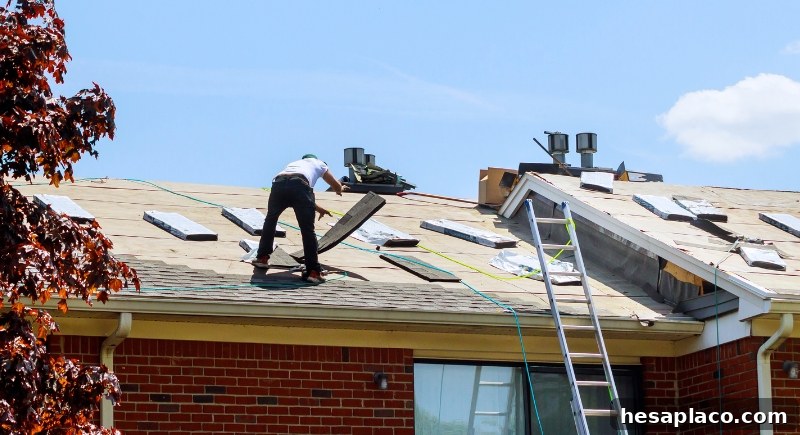
Maintaining a yard and exterior features takes regular effort or outsourcing that costs money. Lawn care, gutter cleaning, and roof maintenance can be both physically demanding and expensive. Renting often transfers these responsibilities to the property owner or management company, freeing retirees from ongoing outdoor chores.