
Replacing a laptop or phone immediately is not always an option. When a device fails without warning, buying used gear can seem like the only practical choice. Many people have faced that situation. However, secondhand electronics come with risks that are easy to overlook, especially when you’re in a hurry. Hidden damage, worn batteries, or expired warranties can turn an apparent bargain into a costly problem. Planning ahead for major tech purchases usually saves time, money, and stress.
Wearables

Credit: pexels
Fitness trackers and smartwatches include advanced sensors in very compact housings, leaving little room for large, long-lasting batteries. Most of these devices require daily charging, which accelerates battery wear. After a few years, capacity can decline sharply. Buying new ensures full battery cycles, intact warranty coverage, and a clean account setup, reducing the chance of unexpected downtime or repair costs.
In-Ear Wireless Earbuds

Credit: Canva
Pre-owned true wireless earbuds can be tempting by price, but consider more than the sticker. These tiny devices sit deep in the ear canal, where moisture and earwax build up in crevices that are difficult to clean thoroughly. Replacing silicone tips does not address internal buildup. The small internal batteries also degrade quickly and are usually not user-replaceable, so a used pair may have significantly reduced listening time before needing professional service or replacement.
Solid-State Drives
Credit: Canva
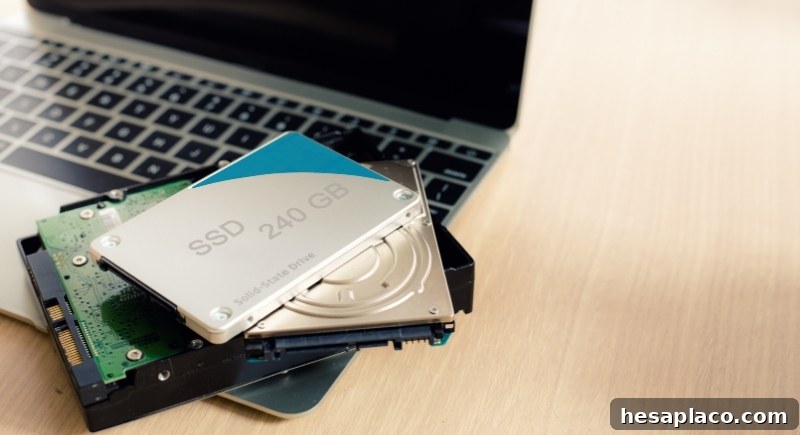
Solid-state drives (SSDs) naturally wear down because every write cycle slowly degrades the flash memory cells. Manufacturers rate drives by total terabytes written to estimate lifespan, but a seller’s health report may not tell the whole story. Past exposure to high temperatures speeds up cell degradation and raises the risk of failure shortly after purchase. When buying used storage, check write totals, warranty status, and any signs of heat damage if possible.
Drones

Credit: Canva
A brief visual inspection of a used drone rarely reveals internal stress, motor wear, or past crash damage. Hairline fractures, strained prop mounts, or fatigued motors can be hidden beneath an otherwise intact shell. New drones arrive with fresh motors, calibrated components, and manufacturer warranties that matter the moment you take off—especially since repairs for motors and flight controllers can be expensive.
Robot Vacuums
Credit: Canva
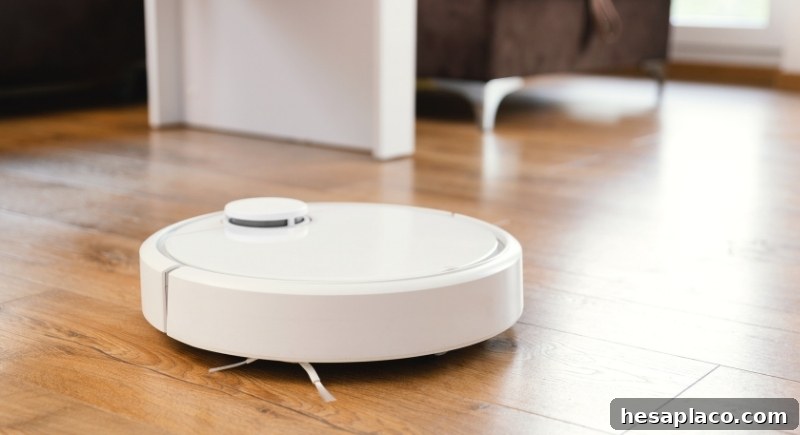
Robot vacuums have been in homes for decades, so many older units appear on resale markets. These machines often run daily, placing ongoing stress on batteries and mechanical parts. Brushes, rollers, and filters wear out, and navigation sensors can drift. Software and app support are also important—devices that no longer receive firmware updates may lose smart-home integrations or critical bug fixes, reducing their long-term usefulness.
Chromebooks
Credit: Wikimedia Commons
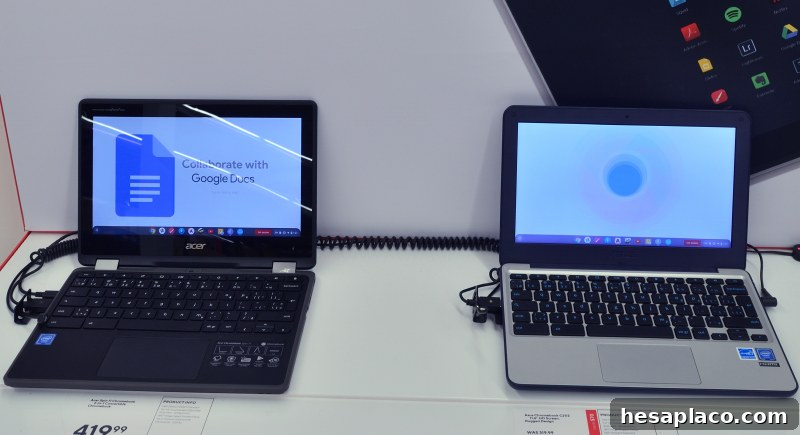
Chromebooks are popular for being affordable, simple, and easy to manage. They’re widely used in schools and businesses for centralized control and low upfront cost. However, used Chromebooks are often several years old. Entry-level hardware can become sluggish, and Chrome OS devices have an Auto Update Expiration (AUE) date after which system and security updates stop. Buying a device nearing or past its AUE can leave you without important updates.
OLED TVs

Credit: Wikimedia Commons
OLED TVs deliver deep blacks and high contrast because each pixel emits its own light using organic compounds. Over time, those organic materials age and pixels wear at different rates. Uneven usage—such as static logos or persistent menu elements—can cause permanent image retention or burn-in. As the panel ages, peak brightness also diminishes. For these reasons, buying a used OLED risks reduced picture quality and potential permanent artifacts.
Action Cameras
Credit: Getty Images
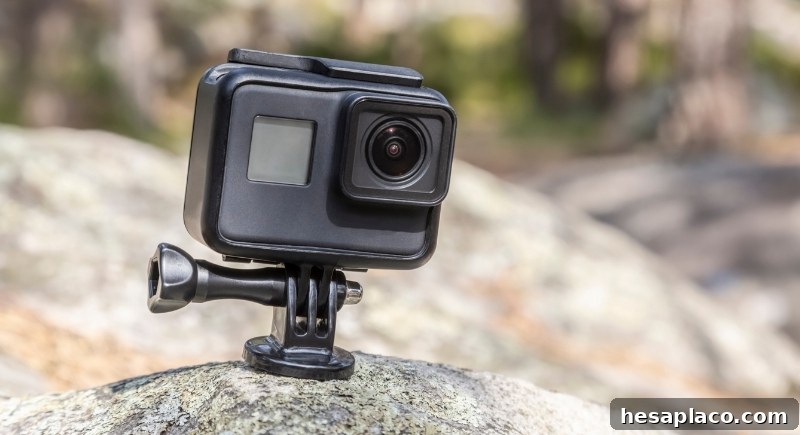
Action cameras are built for rough use, but a used unit may hide damage from drops, water exposure, or repeated impacts. Cracked internal components or compromised seals are not always visible during a quick check, and weakened waterproofing can lead to catastrophic failure on the next outing. Purchasing new ensures intact seals, the latest app compatibility, and easier access to replacement batteries and accessories.
IP Security Cameras
Credit: Canva
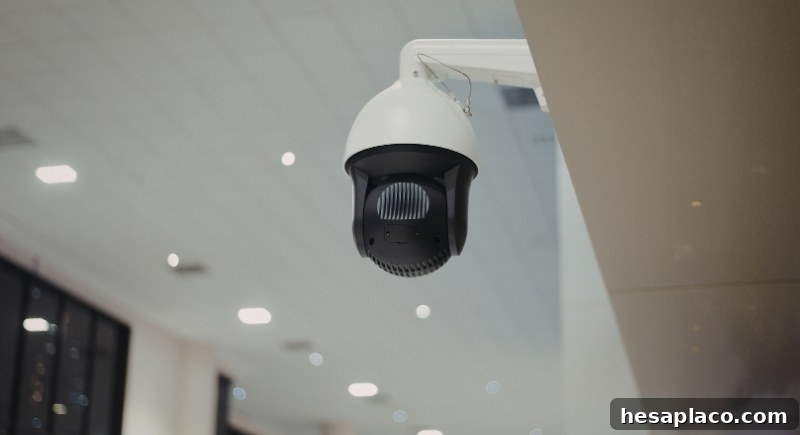
Used IP security cameras present unique challenges because they have already been connected to someone else’s network. It can be difficult to confirm firmware history, previous configuration changes, or whether the device was involved in a security incident. These cameras handle sensitive video data and connect directly to home Wi‑Fi, so older firmware with known vulnerabilities or undocumented changes can introduce privacy and security risks that are hard to fully assess after purchase.
Smartphones at Thrift Stores
Credit: Canva
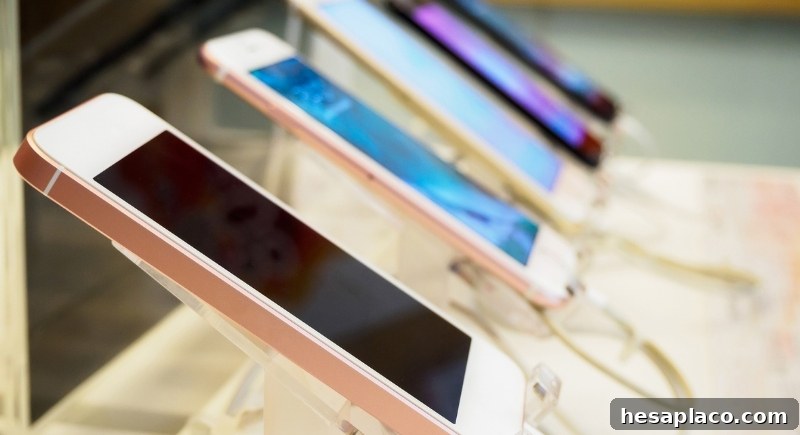
Thrift stores sometimes offer low-priced smartphones, but those savings often come with uncertainty. Donated devices may have stopped working for a reason before being donated. Carrier locks can prevent activation on your network and may require additional steps to unlock. Some phones could be rooted, modified, or have issues that affect stability and security. If you consider buying a thrift-store phone, test activation, battery health, and basic functionality before leaving the store.
When considering used electronics, weigh short-term savings against potential hidden costs. Inspect devices carefully when possible, ask sellers specific questions about battery life, repair history, and firmware status, and verify warranties or return policies. For items that rely on batteries, waterproofing, or firmware updates—such as wearables, earbuds, SSDs, drones, robot vacuums, OLED TVs, action cameras, IP cameras, and used phones—buying new often offers better long-term value and peace of mind.