
Most of us don’t like to think of ourselves as easy marks. It’s understandable — no one wants to admit they can be misled. Yet modern marketing and scam tactics are built to fool smart, ordinary people by exploiting everyday habits: the thrill of a bargain, the pressure to act quickly, and the trust we place in things that look official.
That’s why these tactics persist. The FTC reports Americans lost roughly $12.5 billion to fraud recently. Many of these schemes succeed because they feel perfectly plausible in the moment, and there’s a strong chance you’ve encountered one or more of them yourself.
The Price That Was Never Real
Credit: pexels
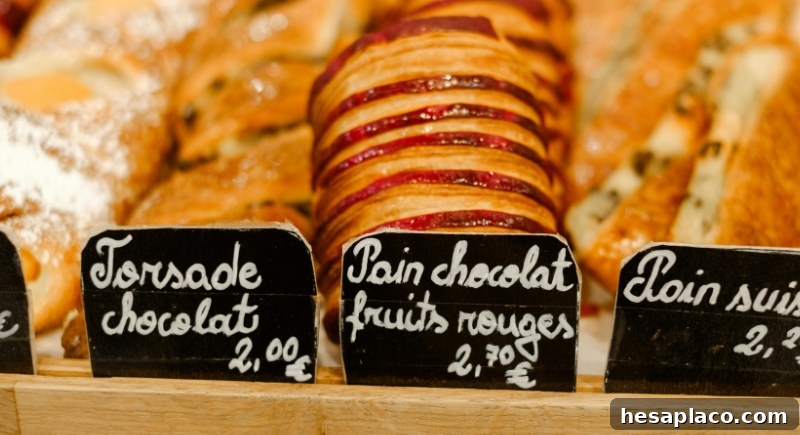
Retailers know the first price you see anchors your perception of value. A crossed-out $120 beside a $60 sale price creates an immediate sense of saving. Yet often the higher “regular” price never reflected a real, widespread selling price. Consumers’ Checkbook tracked 25 major retailers and discovered that at eight of them, more than half of items were “on sale” almost every week — a pattern that undermines the idea that those original prices were ever genuine.
Free Trials That Cost a Fortune
Credit: Getty Images
The credit-card field on a “free” trial isn’t just for verification — it’s a deliberate way to charge you once the trial ends. Companies rely on the fact that many people forget to cancel. Nearly half of Americans who tried a free trial missed the cancellation window; among millennials the share rises to about 65%. The result: recurring charges for services no longer used, and predictable revenue for the provider.
Same Price, Less Everything
Credit: Reddit
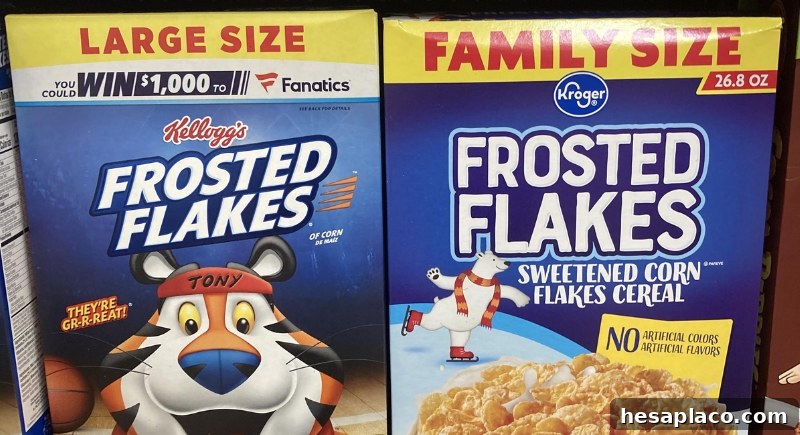
Between 2019 and 2024, many everyday household items quietly shrank in size while their price tags stayed the same. For example, family-size Frosted Flakes dropped from 24 ounces to 21.7 ounces, raising the per-ounce cost by roughly 40%. Angel Soft cut its sheet count by more than 25% in the same timeframe. Research indicates about one-third of common products were reduced in quantity without a corresponding price cut, effectively increasing the unit cost without an obvious sticker shock.
The Price That Grows at Checkout

Credit: Getty Images
Advertised prices that balloon at checkout are now commonplace. A hotel might list a room at $89, then add resort fees, service charges, and processing fees so the final bill is $140. Known as drip pricing, this approach is widespread among airlines, hotels, and ticketing sites. In 2024, more than three-quarters of sites reviewed by the International Consumer Protection and Enforcement Network used at least one form of this practice.
The Countdown Timer That Never Runs Out

Credit: Getty Images
You’ve likely encountered an on-screen countdown warning that a deal will soon vanish. Princeton researchers have documented cases where those timers reached zero — and the offer remained available. That manufactured urgency pressures shoppers to act impulsively rather than pause and evaluate. Regulators in India and Europe have labeled false urgency a deceptive tactic and taken steps to curb it.
Made-Up Five Stars
Credit: Canva
Fake reviews remain a widespread problem. Estimates suggest about 30% of online reviews are not genuine, and analyses like Fakespot’s have found a large share of reviews on top-selling products are unreliable. One additional star on a product’s rating can boost demand by nearly 38%, which explains why some sellers resort to buying or fabricating reviews. The FTC now treats fake reviews as illegal, with significant fines possible for violators.
What Got Added to Your Cart
Credit: Canva
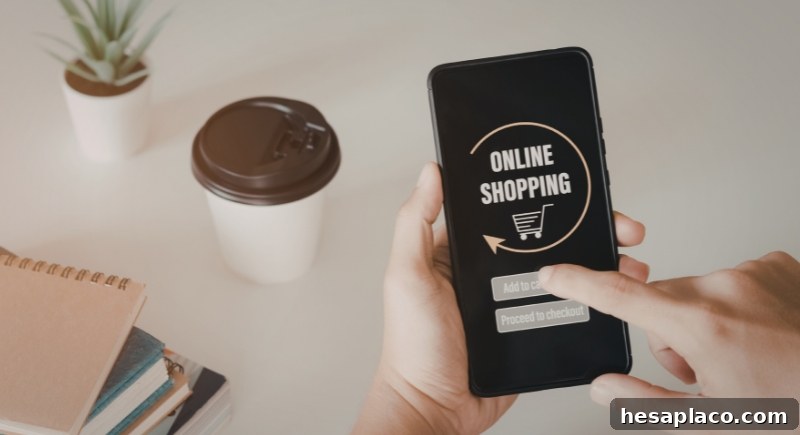
Some online stores quietly insert items into your cart or select add-ons by default. Travel insurance, small donations, or optional warranties can appear as pre-checked boxes or sneaky line items, especially on mobile screens where small text and compact layouts make them easy to miss. The European Commission found nearly 40% of reviewed shopping sites used manipulative interfaces that exploited inattention.
Expensive Plans and Bureaucratic Exit Routes
Credit: Dragon Images
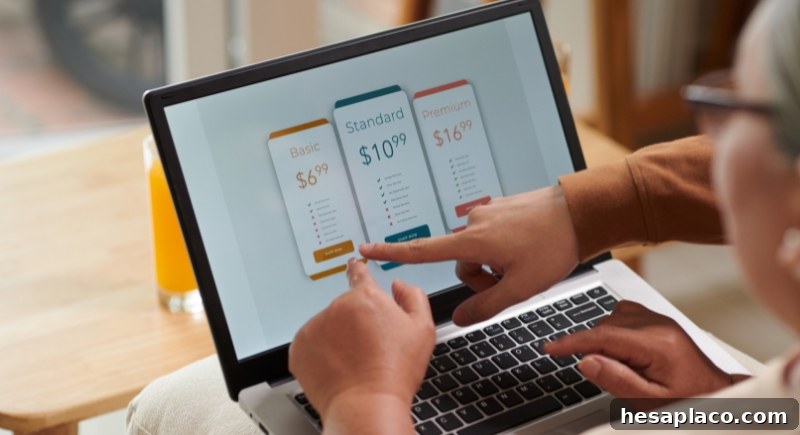
Subscription fatigue is real. Americans spend an average of about $91 a month on subscription services, and many of those charges go unnoticed. Providers often start with a low price that rises later, and notifications of increases can be buried among promotional messages. Canceling can be harder than signing up; companies sometimes add obstacles that increase friction, knowing some customers will give up and continue paying.
The Button Designed to Make You Feel Dumb

Credit: Getty Images
Pop-ups that shame you into choosing a particular option are common. One button might read “I want to save money,” while the other says, “No thanks, I prefer to pay full price.” That phrasing — called confirmshaming — frames one choice as smart and the other as foolish, steering people toward the option the company wants. It’s a subtle psychological nudge used across countless sites.
The “Healthy” Label That Means Almost Nothing
Credit: Getty Images
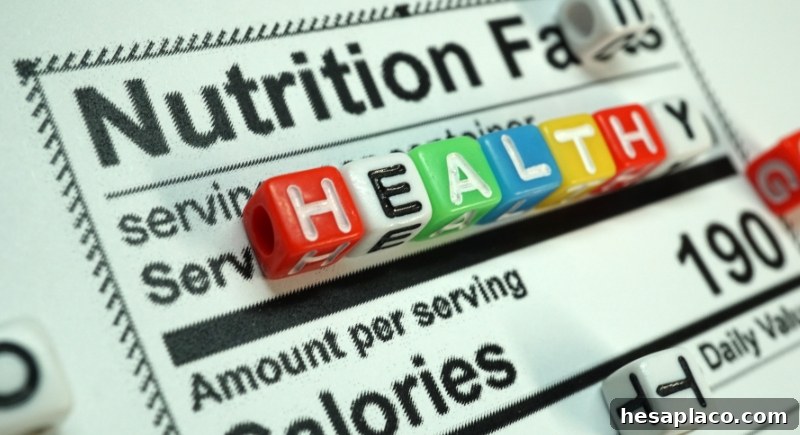
Terms like “healthy” on food packaging can give a false sense of regulatory oversight. The FDA does not pre-approve most such claims before products hit shelves, and marketers may use vague language like “supports immunity” without prior clearance. Although the FDA updated its definition for certain claims in late 2024, full compliance with those changes is not required until later, so consumers should still read labels carefully rather than relying on buzzwords.
Recognizing these tactics is the first step to avoiding them. Look past flashy banners, double-check totals at checkout, read product labels and fine print, and treat urgency prompts with skepticism. Small habits — pausing before buying, using price trackers, and reviewing your subscriptions regularly — can save you money and protect you from being nudged into choices that benefit sellers more than they do you.