
Retirement changes how income arrives, but taxes remain very much part of the picture. Pensions, Social Security, and investment accounts each follow different tax rules, and those rules can raise your tax bill through required withdrawals, income thresholds, and Medicare premium adjustments. Planning ahead gives you flexibility and protects your long-term cash flow—no complex tricks required, just timely, informed decisions.
Recognize Today’s Lower Tax Environment

Credit: Getty Images
Federal income tax rates have changed dramatically over the decades: at times they were well above today’s levels. The top rate is currently 37%, and the 2017 Tax Cuts and Jobs Act reduced many individual brackets. Those cuts are scheduled to expire after 2025 unless Congress acts. Retirees who plan can use the current, relatively lower rates to their advantage—for example, by timing withdrawals or Roth conversions in years when taxable income is lower.
Understand the Social Security Tax Formula

Credit: pexels
Before taking extra withdrawals from retirement accounts, review how they affect your combined income and how that, in turn, affects taxation of Social Security benefits. To estimate whether any benefits become taxable, add your adjusted gross income, tax-exempt interest, and half of your Social Security benefits. If that total exceeds $25,000 for single filers or $32,000 for married couples filing jointly, a portion of your Social Security benefits will be taxable. Managing other income sources can keep more of your benefits tax-free.
Treat Tax-Deferred Accounts Realistically

Credit: Getty Images
Traditional 401(k)s and IRAs defer taxes while you are working, which usually leads to substantial balances at retirement. However, withdrawals are taxed as ordinary income. That means a one-million-dollar IRA is not equal to one million dollars in take-home spending power—taxes apply when money is distributed. When planning, treat those accounts as sources of taxable income and model future withdrawals to understand their effect on your tax bracket over time.
Use the Early Retirement Window Strategically

Credit: Getty Images
The years immediately after you stop working and before Social Security or pension payments begin can be a valuable planning window. Taxable income often drops in that interval, potentially creating room in lower tax brackets. Strategic withdrawals or Roth conversions during this period can reduce future required minimum distributions (RMDs) and lower forced taxable income later in retirement. Run scenarios to identify years that are ideal for converting or withdrawing.
Monitor Income to Control Medicare Premiums

Credit: Getty Images
Medicare Part B and Part D premiums increase when your modified adjusted gross income exceeds specific thresholds. The Income-Related Monthly Adjustment Amount (IRMAA) system raises premiums for higher earners, sometimes substantially. A large distribution, Roth conversion, or unexpected income spike can push you into a higher IRMAA bracket and add thousands to your annual healthcare costs. Track income closely during the years Medicare uses to set premiums (typically two years prior) to avoid unintended premium increases.
Coordinate Withdrawals Across Account Types

Credit: Canva
Coordinating withdrawals from taxable brokerage accounts, traditional retirement accounts, and Roth accounts can protect more of your retirement income. Taxable accounts may generate capital gains; traditional accounts produce ordinary income upon withdrawal; Roth distributions are generally tax-free. A balanced withdrawal strategy considers current tax brackets, future expected income, and planned RMDs. Using taxable account funds earlier and conserving tax-deferred balances for later years can smooth taxable income and potentially reduce lifetime taxes.
Approach Roth Conversions with Care
Credit: Getty Images
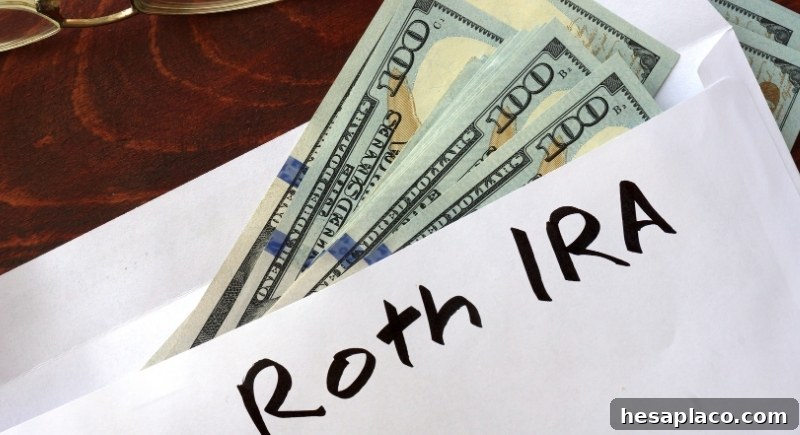
A Roth conversion involves moving funds from a traditional retirement account into a Roth account and paying income tax on the converted amount in the year of conversion. The benefit is future tax-free growth and the absence of lifetime RMDs for Roth IRAs. Conversions can be powerful, but they must be evaluated in context—consider current tax rates, expected future rates, Medicare IRMAA impacts, and the estate planning implications. A modest, well-timed conversion may save taxes over the long run; an overly large conversion could create higher taxes and Medicare premiums today.
Prepare Early for Required Minimum Distributions

Credit: Getty Images
Most retirement accounts require annual Required Minimum Distributions beginning at a specified age. These mandatory withdrawals are treated as taxable income and can raise your tax bracket as they increase over time. A retiree who also receives pension income and Social Security could quickly find themselves in a higher tax bracket once RMDs start. Preparing in advance—through partial Roth conversions, planned withdrawals, or charitable strategies—can help manage the tax impact of RMDs.
Leverage Qualified Charitable Distributions Wisely

Credit: Getty Images
If you are 70½ or older and already make charitable gifts, a Qualified Charitable Distribution (QCD) lets you transfer up to $100,000 per year from a traditional IRA directly to a qualified charity. A QCD counts toward your RMD and does not increase your adjusted gross income, which can help reduce taxable income and potentially lower the impact on Medicare premiums and Social Security taxation. Use QCDs where they fit your philanthropic goals and tax plan.
Plan Ahead for Spouse and Heirs

Credit: Getty Images
Tax consequences often continue after death. Surviving spouses may face different tax filing rules and could move into higher tax brackets at modest income levels if they lose a second benefit or if inherited accounts trigger distributions. Estate and beneficiary planning that considers tax treatment, survivor income needs, and account types can preserve more assets for heirs. Coordinate beneficiary designations, consider Roth conversions when appropriate, and discuss plans with your spouse and financial advisor to avoid surprises.
Taxes in retirement are manageable with planning: know how each income source is taxed, watch the timing of withdrawals and conversions, and be mindful of Medicare and Social Security interactions. Taking a proactive approach can reduce unnecessary tax costs, protect benefits, and create a more predictable retirement cash flow.