
Markets slump and wallets tighten, but for a subset of strategic thinkers, those moments are opportunities rather than threats. While many panic-sell, experienced investors launch new ventures and acquire assets others are desperate to unload. If you’re tired of watching downturns pass by, learn how fortunes are built during these periods of upheaval.
Recessions Offer Opportunity for the Prepared

Credit: flickr
Economic downturns occur periodically, but savvy investors don’t panic. They anticipate cycles, refine strategies, and treat market dips like clearance sales for quality assets. By acquiring real estate, stocks, and businesses at reduced prices, they position themselves for outsized returns when recovery arrives. Historically, many wealthy investors took advantage of past recessions to make significant gains.
Holding Through Market Dips Pays Off

Credit: flickr
When markets plunge, the instinct to sell is strong, but history favors those who remain invested. Investors who held through the 2008 crisis, for example, saw substantial recoveries afterward. Staying disciplined and avoiding emotional decision-making often yields the best long-term results.
Build the Most Powerful Account: Your Emergency Fund

Credit: Getty Images
Financial resilience starts with an emergency fund. It’s not glamorous, but an emergency cushion covering three to six months of essentials—rent, utilities, groceries—lets you weather job loss or unexpected bills without liquidating investments at a loss. Consistent contributions to a liquid, low-risk account create peace of mind and flexibility.
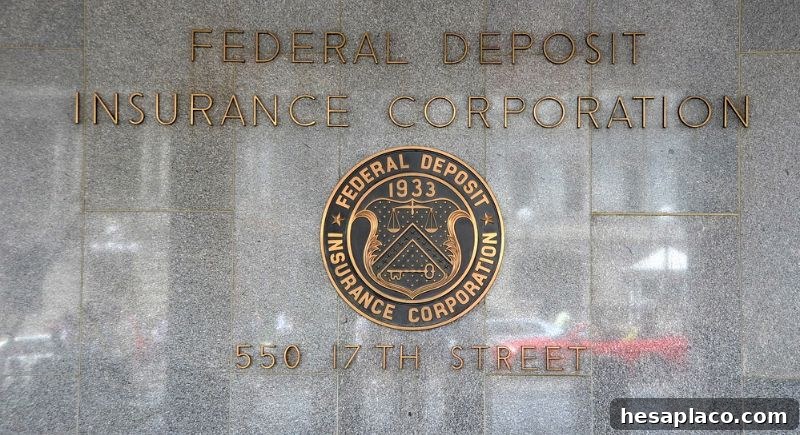
Keep Savings FDIC-Protected
Credit: flickr
Securing your savings is crucial during uncertainty. Deposits in FDIC-insured accounts are protected up to $250,000 per depositor, per insured bank, for each account ownership category. Keeping funds within these limits helps ensure your cash is safe even if a bank faces trouble.
Spread Funds to Maintain Coverage

Credit: Getty Images
Holding more than $250,000 in a single bank can expose deposits beyond FDIC coverage. To reduce risk, distribute funds across multiple FDIC-insured institutions or use different account ownership types such as joint or retirement accounts. Some deposit allocation services also spread funds across banks while allowing you to maintain a single relationship for convenience.
Prefer Stability Over Local Drama

Credit: Wikimedia Commons
Not every bank is equally prepared for economic turbulence. Large national banks typically have deeper reserves, diversified portfolios, and broader resources to navigate downturns. While local banks offer personal service, national institutions often provide stronger stability and continuity when markets get rocky.
Eliminate High-Interest Debt

Credit: 89Stocker
Building wealth often starts with reducing liabilities that erode savings. Credit card interest rates can be around 24% or higher, which quickly wastes income. Use the debt avalanche method—pay off the highest-interest balances first—and avoid new non-essential charges until your high-cost debt is under control.
Seek Professional Help When Needed

Credit: Canva
You don’t have to manage debt alone. Nonprofit credit counseling agencies provide budgeting help and debt management programs that can lower interest rates and fees. Many clients see meaningful reductions in revolving debt within months, making these services a practical component of a recession-resilient plan.
Turn Market Panic Into Opportunity

Credit: Wikimedia Commons
High-profile investors have shown how bold moves during crises can pay off. You don’t need vast capital to apply the same principles: focus on thorough research, maintain discipline, and target assets that represent long-term value. Downtime can be a chance to build wealth by buying quality at reduced prices.
Index Funds: Efficient and Proven

Credit: Getty Images
Index funds offer broad market exposure with low fees by tracking major indices like the S&P 500. Their low overhead and diversification make them a practical choice for long-term investors who want consistent returns without active stock-picking. Over time, disciplined contributions to index funds can generate substantial wealth through compounding.
Automate and Stay Consistent

Credit: Rido
Target-date funds and automated investing strategies take the guesswork out of portfolio management. Target-date funds gradually shift asset allocation from growth-oriented stocks to more conservative bonds as you approach retirement. Automating contributions and rebalancing helps maintain discipline and keeps your plan aligned with long-term goals.
Use Robo-Advisors for Hands-Off Investing

Credit: PhonlamaiPhoto’s Images
Robo-advisors provide automated portfolio construction and management based on your goals and risk tolerance. They typically offer diversified portfolios, automatic rebalancing, and lower fees than many active managers. For investors who prefer a low-effort approach, robo-advisors can be an efficient way to stay invested through market cycles.
Consider Consumer Staples for Downturn Resilience

Credit: Getty Images
Companies that produce everyday essentials—food, household items, personal care products—tend to hold up better during recessions because demand for staples remains relatively steady. Investing in these businesses or funds that include them can add defensive stability to a portfolio during volatile periods.
Stick to the Plan and Let Compounding Work

Credit: Getty Images
Long-term investing benefits from compound returns—your earnings generate further earnings over time. Staying invested through downturns, reinvesting dividends, and maintaining a disciplined savings habit allow incremental gains to accumulate into significant wealth.
Compounding Rewards Patient Investors

Credit: Getty Images
Attempting to time the market often backfires. Missing just a handful of the market’s best days can dramatically reduce long-term returns. A steady, patient approach—remaining invested and avoiding reactionary moves—typically captures the largest gains over decades.
Real Estate Deals Appear in Downturns

Credit: Getty Images
When housing markets soften, motivated sellers often reduce prices. Investors with ready cash or reliable financing can negotiate favorable deals on foreclosures, short sales, and properties needing renovation. Purchasing during a downturn, then holding through recovery while collecting rental income or realizing appreciation, can generate strong returns over time.
Use Strategic Losses to Reduce Taxes

Credit: Getty Images
Market declines also create tax-planning opportunities. Tax-loss harvesting—selling investments at a loss to offset capital gains—can lower taxable income when used carefully. Properly timed, these strategies can preserve more of your capital and improve after-tax returns.