
Ignoring a tax bill can trigger a cascade of serious consequences from the Internal Revenue Service. When taxpayers fail to pay what they owe, the IRS has a range of collection tools at its disposal. Below is a clear explanation of what can happen if you refuse or fail to address unpaid federal taxes.
The IRS Sends a Bill
Credit: iStockphoto
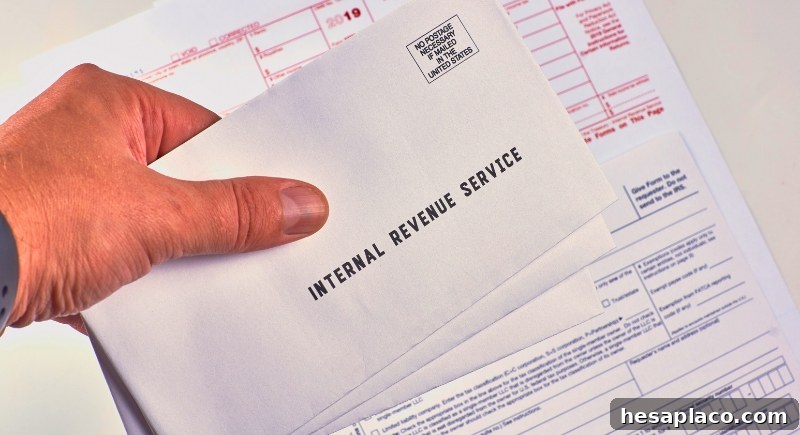
It starts with a notice. The IRS will mail a bill that specifies the amount owed, any past-due balance, and the penalties and interest that are accruing. That first letter is intended to inform and prompt payment—treat it as a serious warning rather than an idle threat.
Interest Starts Piling Up

Credit: pexels
Interest accrues daily on unpaid taxes, causing the balance to grow the longer it remains unpaid. Because the IRS compounds interest every day, even a modest unpaid amount can expand significantly over time, much like high-interest consumer debt.
Late Payment Penalties Kick In

Credit: Canva
In addition to interest, the IRS imposes a late payment penalty—typically 0.5% of the unpaid tax per month, up to a maximum of 25%. Over time, penalties can add a substantial amount to your balance, so delaying payment quickly becomes costly.
Federal Tax Liens Appear

Credit: Getty Images
The IRS can file a Notice of Federal Tax Lien to secure its claim against your property. A lien becomes a public record, alerting creditors that the government has a legal interest in your assets and potentially damaging your credit and ability to borrow.
Your Wages Can Be Garnished

Credit: Getty Images
Persistent nonpayment can lead the IRS to garnish your wages. Employers can be ordered to withhold part of your paycheck and send it directly to the IRS until the tax debt is satisfied. Wage garnishment happens automatically once the action is authorized.
Bank Accounts Might Get Frozen

Credit: Canva
The IRS can levy bank accounts without a court order, taking funds from checking or savings to satisfy tax debts. Taxpayers typically receive a final notice with a 30-day window before funds can be seized, so act quickly if you receive such a notice.
They’ll Seize Your Refunds

Credit: Getty Images
If you expect a tax refund, the IRS can apply any future refunds to outstanding tax debts. Rather than receiving your refund, those funds will be redirected to reduce or eliminate past-due obligations.
You Could Lose Your Passport

Credit: Canva
The IRS coordinates with the State Department when tax debts become seriously delinquent. If your unpaid balance reaches certain thresholds, the IRS can request that a passport be revoked or denied, which can prevent international travel until the debt is resolved.
Social Security Payments Shrink

Credit: Canva
Social Security benefits can also be subject to levy. The IRS can garnish a portion of Social Security payments, which is particularly harmful to retirees and those on fixed incomes. The amounts withheld can significantly impact monthly budgets.
Property May Be Seized
Credit: flickr
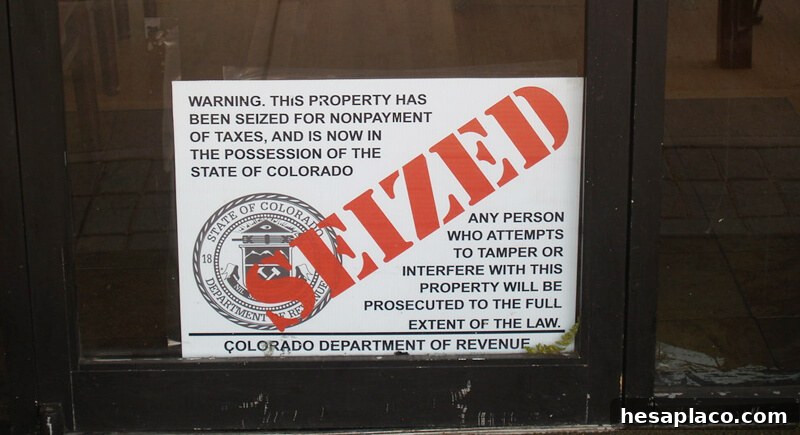
As a last resort, the IRS can seize real property, vehicles, and other assets to satisfy tax liabilities. Seized items may be sold at auction, and the proceeds applied to the tax debt. While not common in every case, asset seizure is a real and serious possibility for large unpaid balances.
Tax Debt May Go to Private Collectors

Credit: pexels
At times, the IRS may assign certain accounts to private collection agencies. These agencies act on behalf of the government and can be persistent in attempting to collect the debt. While they lack some governmental powers, their contacts and demands can be frequent and uncomfortable.
You May Face Legal Action

Credit: Canva
In cases involving tax evasion or fraud, the IRS can pursue criminal charges. Although imprisonment is uncommon and typically reserved for severe and deliberate wrongdoing, civil suits and court judgments are more frequent and can complicate efforts to resolve old tax problems.
Levies Can Target Insurance or Investment Accounts

Credit: Getty Images
Levies are not limited to paychecks and bank accounts. The IRS can place levies on life insurance proceeds, retirement accounts, brokerage accounts, and even rent payments. Any steady source of funds tied to you may be vulnerable to collection actions.
They Can Send a Revenue Officer

Credit: flickr
If communication stops, the IRS may assign a revenue officer to your case. This indicates a more intensive collection effort: a revenue officer will investigate your finances and may visit to discuss assets, income, and potential resolution options.
They Won’t Forget

Credit: Getty Images
The IRS has a long window for collections. Generally, the statute of limitations for collecting a tax debt is ten years from the date the assessment is made. During that period, the IRS can continue to assess interest, file liens, and use other collection tools—time alone won’t make the debt disappear.
Security Clearances Could Be Revoked

Credit: iStockphoto
Unpaid taxes can affect security clearances. Clearance reviews consider financial responsibility and legal compliance; significant or ignored tax debts can raise concerns about judgment and reliability, potentially leading to suspension or revocation of a federal security clearance.
Professional Licenses Could Be Suspended

Credit: iStockphoto
In some states, serious tax delinquency can affect professional licensing. Regulatory bodies may suspend or deny license renewals for occupations like healthcare providers, contractors, real estate agents, and others if tax issues remain unresolved. Ignoring the IRS can therefore threaten both income and professional standing.
In short, unpaid federal taxes can lead to escalating financial, legal, and professional consequences. If you find yourself facing an IRS bill you can’t pay in full, consider contacting the IRS to discuss payment plans, offer-in-compromise options, or seek advice from a qualified tax professional to avoid the worst outcomes.