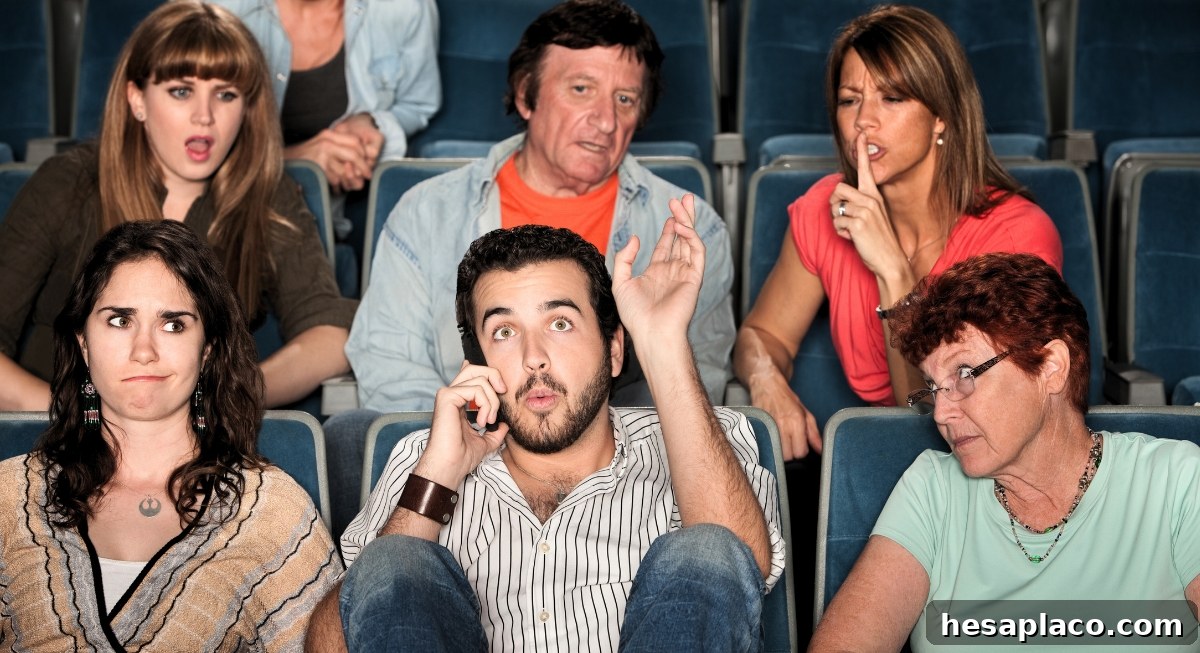
Studios invest millions in producing and distributing films, and movie theaters rely on ticket sales and concessions to stay in business. Audiences likewise invest time and money for a focused, shared experience. Interrupting that experience with disruptive behavior—whether intentional or not—not only disrespects the creative work on screen but also diminishes other viewers’ enjoyment.
Ringing phones, loud commentary, bright screens, and other distractions can undo hours of creative effort in seconds. Industry surveys consistently identify disruptive audience behavior as a major reason some people avoid theaters. Observing simple courtesies helps preserve pacing, tension, and emotional impact for everyone in the auditorium.
Talking During the Movie
Credit: Canva
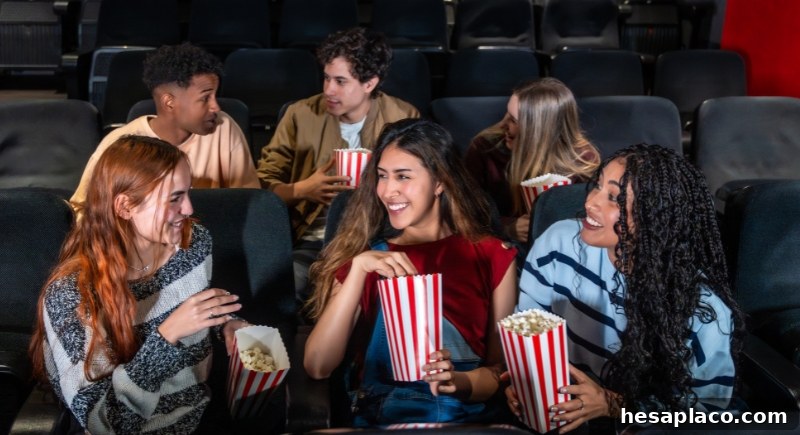
Theater sound systems are calibrated so dialogue reaches every seat evenly—which also means side conversations carry farther than you might expect. Continuous commentary competes with the film’s soundtrack and fragments the audience’s focus, disrupting the timing and emotional beats the filmmakers intended. Shared, natural responses—like laughter at a funny moment—are part of the theatrical experience, but persistent chatter should be kept to a minimum.
Answering Your Phone During the Film
Credit: Canva
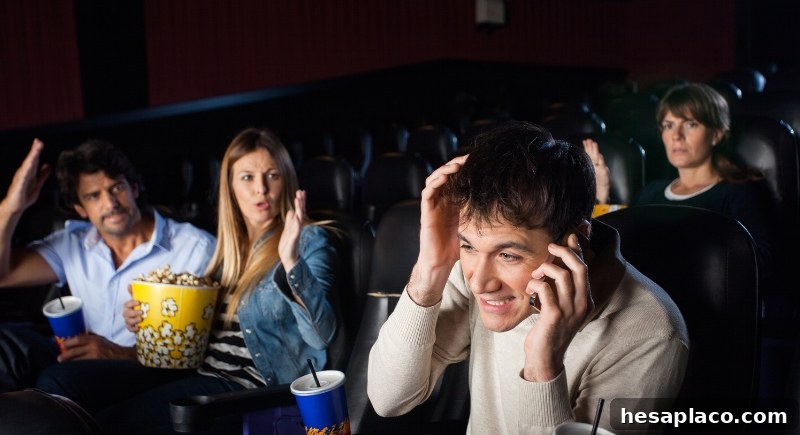
Pre-show announcements asking viewers to silence their devices are standard for a reason. A single ringtone can pierce through a quiet scene and destroy carefully built suspense; even picking up a phone creates a glow that’s visible across rows. Turning phones fully off or switching them to silent and avoiding any screen use helps maintain an immersive environment.
Bringing a Baby to a Standard Screening

Credit: Canva
Some cinemas run baby-friendly showings with adjusted sound levels and a more relaxed noise policy to accommodate parents and infants. In contrast, standard screenings assume prolonged silence; feeding, diaper changes, or a crying infant can repeatedly interrupt the film and frustrate nearby patrons. Choosing an appropriate screening time or using specialized family showings makes outings easier for both parents and other viewers.
Using Social Media or Recording the Screen
Credit: Getty Images
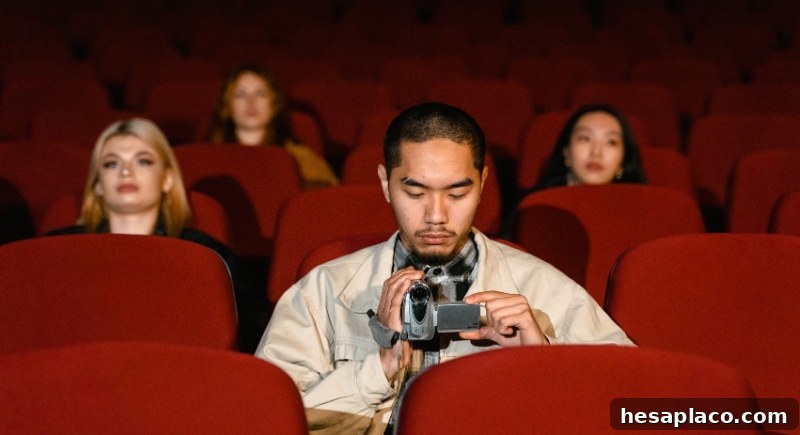
Pulling out a phone to record scenes or post real-time updates changes the atmosphere for everyone nearby. Modern smartphones can capture clear video instantly, and recording inside a theater usually violates house policy and can infringe copyright law. Even quick uploads or live posts distract both the user and those around them through light and sound.
Spoiling the Plot for Others

Credit: Getty Images
Most moviegoers make an effort to avoid spoilers before and during a new release. Announcing key plot twists or shouting details in the theater undermines that effort and can ruin the experience for others. Even loud discussions about spoilers in lobbies and hallways can reach incoming patrons, so keeping plot details to yourself until after others have seen the film is polite.
Arriving Late and Disturbing Seated Guests

Credit: Getty Images
Showing up late forces others to stand or be climbed over while the film plays. Trailers usually provide a short grace period to settle in, but arriving long after the feature has started is disruptive. Early arrival gives you time to choose a seat, silence devices, and fetch snacks without interrupting the audience.
Treating the Theater Like Your Living Room

Credit: pexels
The auditorium is shared space for everyone with a ticket. Removing shoes, placing feet on seats, reclining excessively, or vaping in the theater disrespects fellow patrons and can create health and comfort issues. Staff enforce policies against smoking and disruptive conduct to maintain a safe, comfortable environment for all attendees.
Leaving Trash Behind or Violating Ticket Rules

Credit: Canva
Cleaning crews work quickly between screenings, and leaving large messes slows turnarounds and affects the next audience. Tossing wrappers in a nearby bin and taking personal trash out when you leave is a small courtesy with a big impact. Likewise, sneaking in additional guests or moving between screenings without paying undermines theater operations and can create problems for staff and patrons.
Bringing Loud or Strong-Smelling Food

Credit: pexels
Theaters depend on concession sales, which is why many venues restrict outside food. When people do sneak snacks in, noisy packaging and strong odors can travel several rows and become a distraction. Choosing quiet, unobtrusive snacks or buying concessions on site helps preserve the environment for others while supporting the venue that made the screening possible.
In short, simple consideration for fellow viewers—keeping voices low, silencing devices, arriving on time, and following house rules—maintains the immersive communal experience that makes going to the movies special. Small acts of courtesy protect both the craft on screen and the enjoyment of everyone in the theater.