When one company acquires another, headlines often sound upbeat: promises of growth, larger budgets, and improved products. On paper, these deals can make sense. In practice, though, takeovers frequently disrupt the qualities that made the acquired brand successful. New management, shifting priorities, and cultural clashes often affect employees and loyal customers first. Sometimes the harm is immediate; other times a brand’s relevance erodes gradually. The following examples illustrate how complex and unpredictable corporate mergers can be.

Credit: Wikimedia Commons
Facebook acquired Instagram in 2012 for $1 billion, one of the most discussed tech purchases of the time. Soon after the acquisition, changes to the app’s Terms of Service triggered user backlash over content usage, and integration with other platforms shifted. Restrictions on cross-posting and evolving policies altered the feel of the once-independent photo-sharing app, driving some early users away and reshaping community expectations.
Nokia
Credit: Wikimedia Commons
Nokia once led global handset sales and influenced early mobile design. Microsoft bought Nokia’s phone division in 2014 for $7.2 billion, hoping to strengthen Windows Phone. The strategy failed to compete with Android and iOS, leading to widespread layoffs and large write-downs. By 2016 Microsoft had largely written off the purchase and sold remaining assets to HMD Global, illustrating how even market leadership can be undone by strategic misalignment after an acquisition.
AOL

Credit: Wikimedia Commons
The 2000 merger of AOL and Time Warner, valued at $182 billion, created AOL Time Warner and later became emblematic of a headline-making failure. Conflicts between traditional media practices and fast-moving internet operations slowed decision-making. As broadband supplanted dial-up services, AOL’s valuation dropped sharply, culminating in a 2009 spin-off and a long reassessment of synergies that never materialized.
MySpace
Credit: iStockphoto
News Corporation bought MySpace in 2005 for $580 million, acquiring the dominant social network of that moment. MySpace had grown through highly customizable user profiles and strong music features, but under new ownership innovation slowed. Competitors—most notably Facebook—moved quickly to capture users with cleaner designs and better product focus. By 2011 MySpace had been sold for a fraction of its purchase price, a cautionary tale about missed product development and platform neglect.
Yahoo
Credit: Wikimedia Commons
Verizon acquired Yahoo’s core internet operations in 2017 for $4.48 billion and folded them into a division initially called Oath. The acquisition prompted layoffs and multiple shifts in brand strategy. Over time Yahoo’s relevance in search, email, and media continued to decline. In 2021 Verizon sold Yahoo’s media assets to Apollo Global Management for $5 billion, reflecting continued restructuring and attempts to find viable paths forward.
Tumblr
Credit: iStockphoto
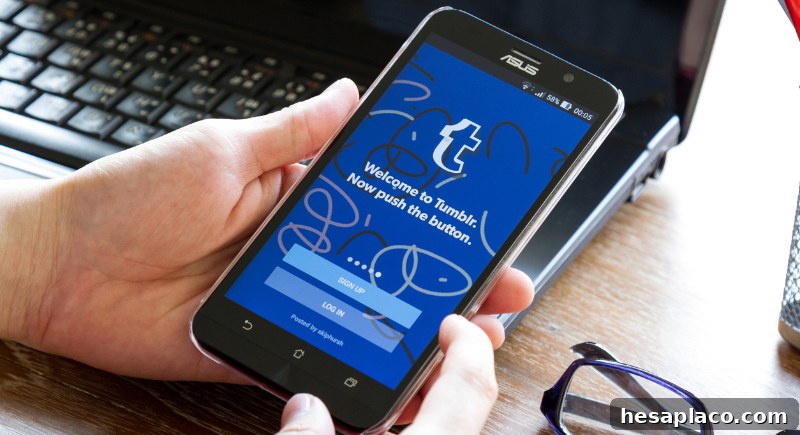
Yahoo purchased Tumblr in 2013 for $1.1 billion to attract younger users and grow digital ad revenue. The platform struggled to reconcile monetization with a fiercely independent creative community. A broad ban on adult content in 2018 alienated many users and creators, driving traffic away. After a series of ownership changes following Verizon’s acquisition of Yahoo, Tumblr was sold to Automattic in 2019 for roughly $3 million—an abrupt decline from its earlier valuation.
Skype

Credit: Wikimedia Commons
Microsoft acquired Skype in 2011 for $8.5 billion to bolster its communications portfolio. Over time, repeated interface updates and changing priorities frustrated longtime users. Microsoft emphasized enterprise integrations and product bundling, which shifted Skype away from its original consumer-focused identity. As alternatives such as WhatsApp and Zoom rose in popularity, consumer loyalty toward Skype diminished.
Flickr

Credit: Wikimedia Commons
Yahoo acquired Flickr in 2005 for an estimated $25–35 million, bringing a respected photo-sharing community into its holdings. Over time, growth slowed as Yahoo prioritized advertising revenue and struggled to invest in product innovation. Meanwhile, new competitors such as Instagram and TikTok scaled rapidly. When SmugMug purchased Flickr in 2018, active user numbers were far below their earlier peaks.
Hotmail
Credit: Business Insider
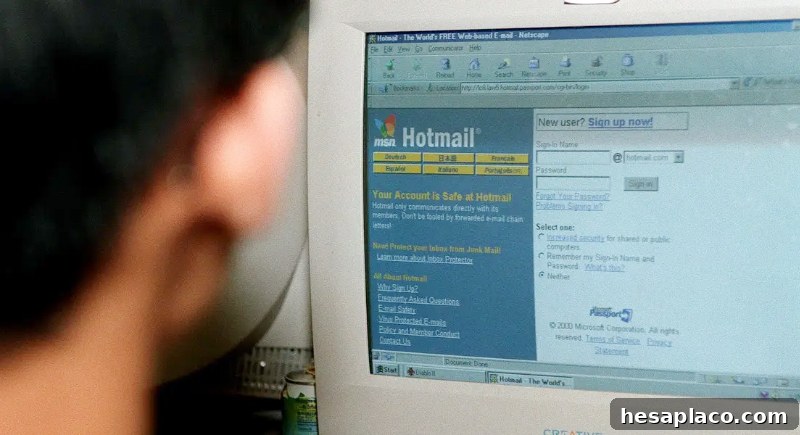
Microsoft bought Hotmail in 1997 for $400 million during the early surge of web-based email. Hotmail introduced millions to internet-based messaging and became a cornerstone product for many users. Over time, complaints about outages and security, combined with Gmail’s introduction of larger storage limits and a simpler interface, caused Hotmail to lose competitive advantage. Microsoft eventually replaced the brand with Outlook.com as it retooled its email offerings.
Ben & Jerry’s

Credit: Wikimedia Commons
Unilever acquired Ben & Jerry’s in 2000 for $326 million. Following the purchase, Unilever streamlined operations, reducing some production facilities and replacing veteran staff with its own management systems. The introduction of larger corporate processes and performance metrics altered the company’s internal structure and decision-making style, prompting debate about how to balance global efficiency with the ice cream brand’s original values and identity.