
A sharp suit makes an impression before you say a word. But where is the balance between a regrettable bargain and paying too much for a label? The right price depends on your needs and how often the suit will be worn. This guide explains what to expect at different price points—from a $200 quick fix to a $5,000 bespoke investment—so you can shop smarter and spend where it actually matters.
$200 Suit: Budget-First, Quality-Last
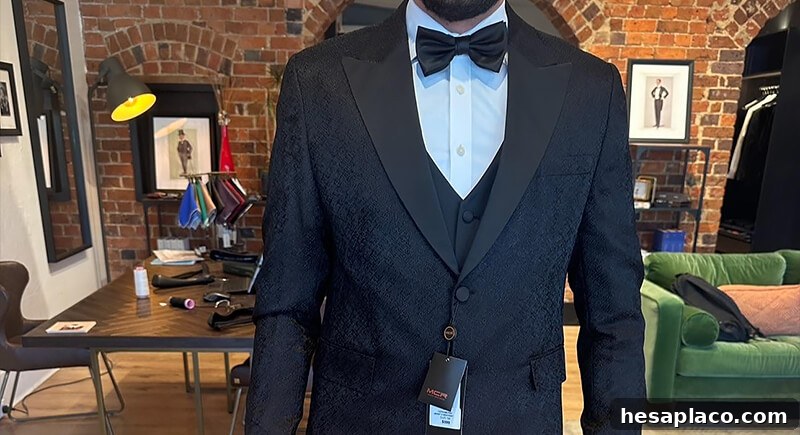
Credit: Reddit
At this entry level, suits are mass-produced and largely machine-finished. They serve for single events—emergency weddings, a quick headshot session, or a one-off meeting—but typically cut costs on fabric and construction. Stitching can fray sooner, linings are basic, and tailoring options are limited. Expect a functional look rather than lasting quality or refined details.
$300 Suit: Decent… with Limits
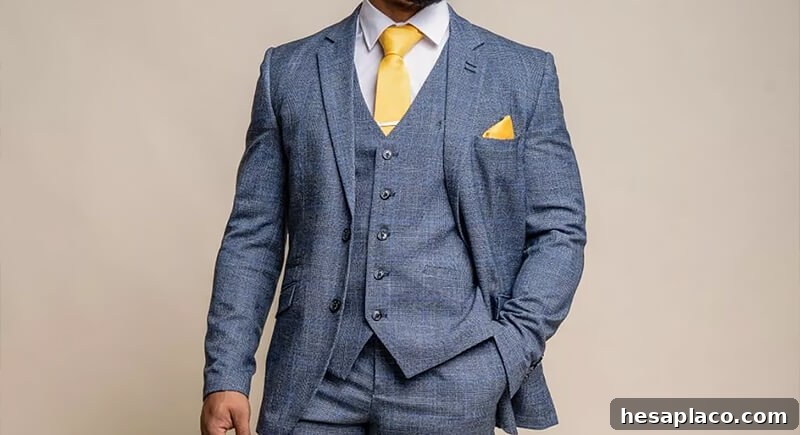
Credit: ebay
These suits are still off-the-rack, but some tailoring becomes practical. Expect polyester blends that add shine but can also look cheap if the cut and finish aren’t strong. They’re an improvement over the lowest tier, yet structure and fabric quality remain limited.
$400 Suit: The Beginner’s Upgrade
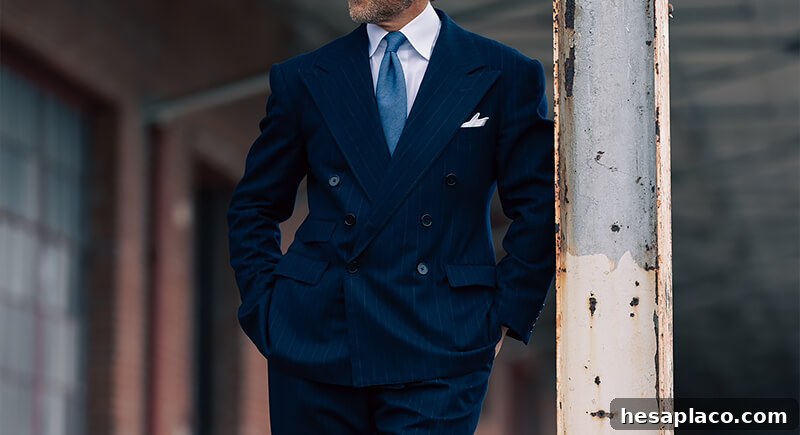
Credit: X
At this price you start to see better construction and occasional wool blends. Mass production still dominates, but a quality $400 suit can be transformed by a good tailor. It’s an ideal first suit for students, interns, or anyone seeking a clean, dependable look without significant investment.
$500 Suit: Respectable and Repairable
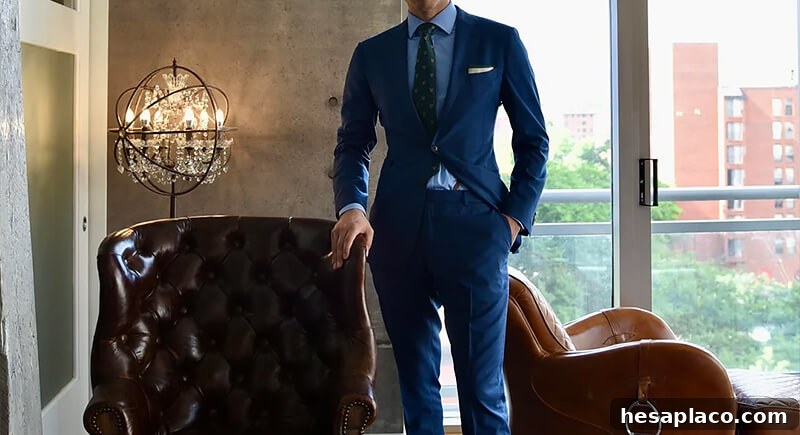
Credit: Reddit
Here, the wool content often improves and lapels and construction become sturdier. These suits hold up to regular wear and respond well to dry cleaning and minor repairs. It’s where details start to get noticed and where a suit begins to be a reliable part of a rotation.
$600 Suit: High Street Step-Up
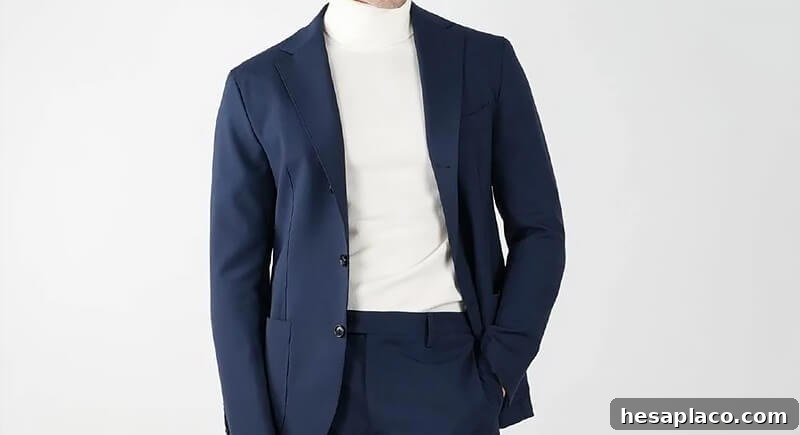
Credit: ebay
At this level, brands improve cut and construction: higher armholes, better drape, and more breathable fabrics. Suits feel like they were designed to work with your body instead of just sitting on it. They remain off-the-rack but are more flattering and versatile—good for daily wear with a sharper silhouette.
$700 Suit: Tailor-Friendly Territory
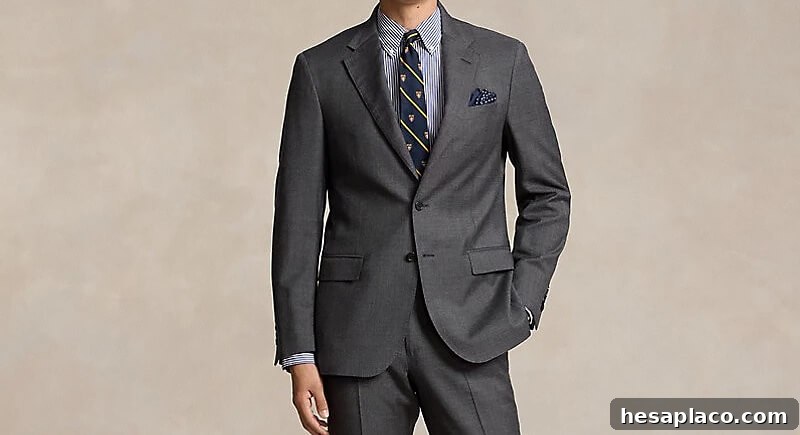
Credit: ebay
Most suits here benefit noticeably from light tailoring. Fabrics feel smoother, drape improves, and finishing touches—buttons, linings, and seams—become more refined. This is a solid price range for professionals who need both style and durability.
$800 Suit: Quietly Classy

Credit: Syda Productions
Subtle differences become clear at this price. You may find half-canvassed jackets, natural shoulder shapes, and more thoughtful pattern matching. The silhouette and comfort lift the suit out of the standard department-store offering and toward something understated and refined.
$900 Suit: The Sartorial Sweet Spot

Credit: Instagram
At around $900, wool quality takes a noticeable step up. Finishes feel richer and the fit conforms in the right places without pulling. Some brands begin to offer made-to-measure options at this range, producing results that can look far more expensive. This is where you’ll reach for the suit when you want to feel confidently dressed.
$1,000 Suit: Boardroom-Ready

Credit: iStockphoto
Near the $1,000 mark you’ll commonly find full-canvas or near-full-canvas construction, hand-finished details, and high-quality wool. These suits withstand close inspection and heavy rotation—clean shoulders, smooth drape, and jackets that move naturally with your body. They elevate presence in professional settings.
$1,200 Suit: Fabric Takes the Lead
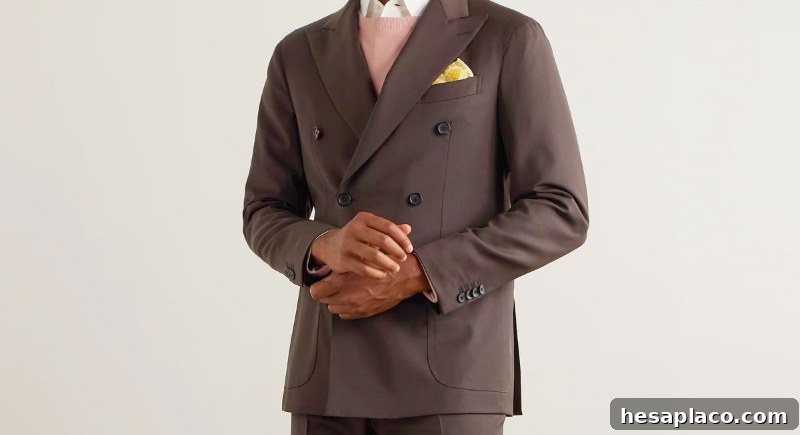
Credit: mrporter
At this price point, fabric choices become a major selling point—Super 120s wool, fine twills, or cashmere blends. Patterns and textures are more considered, and the overall aesthetic rewards tasteful choices and precise tailoring. A well-cut $1,200 suit offers maturity, refinement, and longevity.
$1,400 Suit: Subtle Artistry
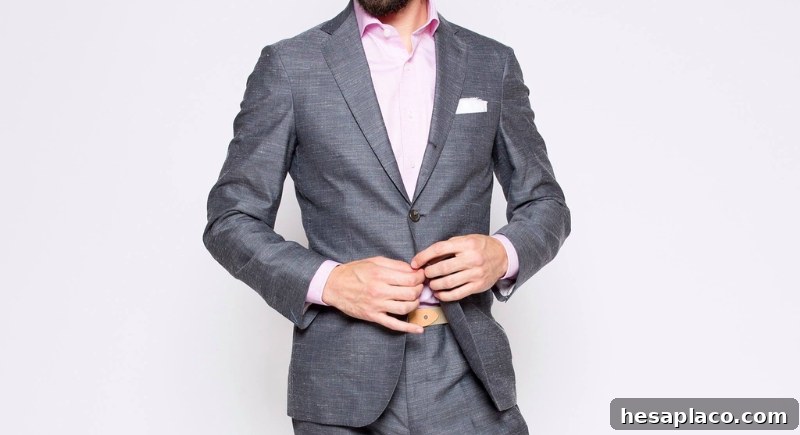
Credit: Facebook
Brands in this tier emphasize craftsmanship: hand-stitched armholes, floating canvases, and precise structural work that creates a close, comfortable fit. These suits feel like a second skin for those who rely on a polished wardrobe regularly.
$1,600 Suit: Personalized Precision
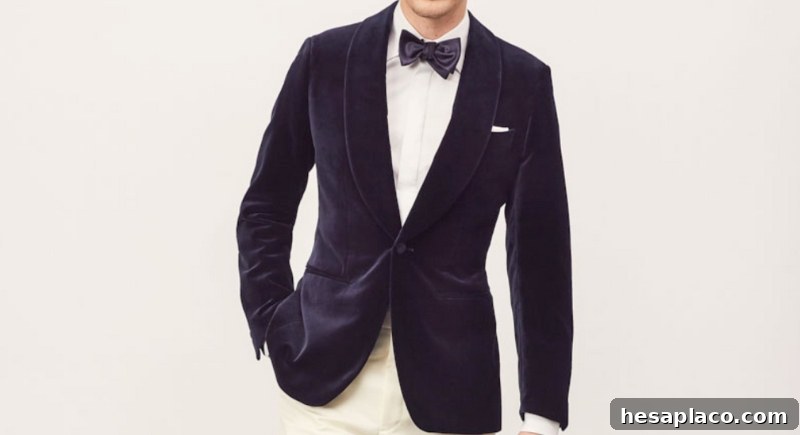
Credit: hellomay
Made-to-measure options become common in this range, with garments shaped to your posture, stride, and preferences. The fit is much closer to bespoke because patterns are adjusted and refined to match your body, delivering near-flawless wear straight off the rack.
$1,800 Suit: Legacy-Level Style
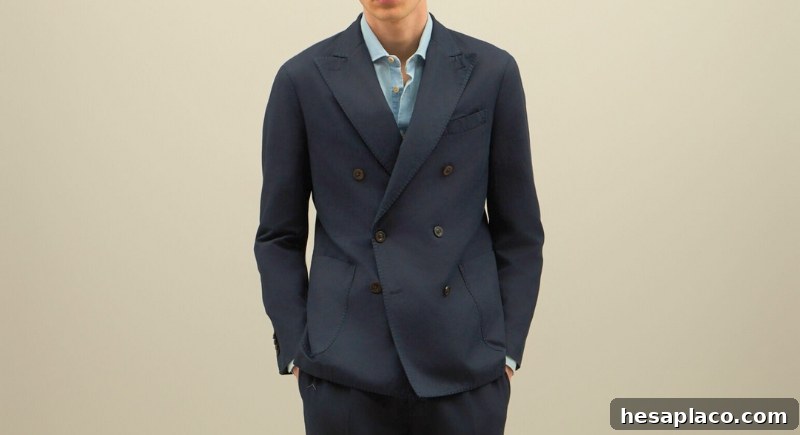
Credit: Boglioli
Suits at this price are often produced by heritage tailors using cloth milled in Italy or the UK. Construction and milling quality create pieces meant to last and even be passed down: considered purchases that emphasize tradition, materials, and timeless style.
$2,000 Suit: The Statement Without a Logo
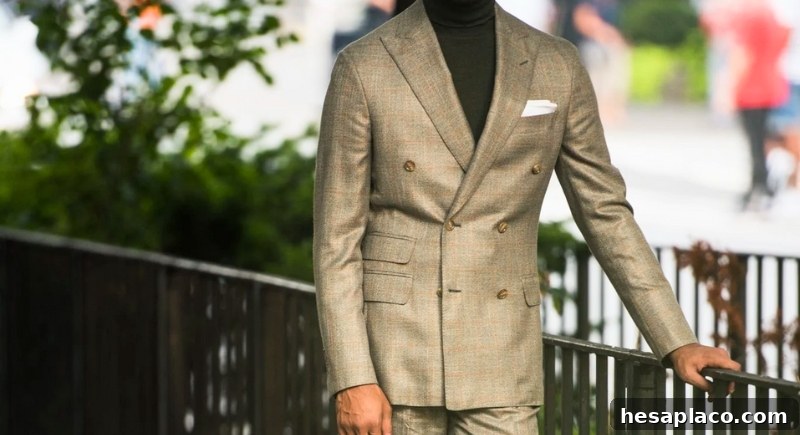
Credit: Articles of Style
A $2,000 suit offers superior stitching, refined structure, and silk-smooth movement. If you wear suits daily or nearly every day, this range rewards you with comfort, longevity, and confidence. The garment reads as quality rather than branding—an intentional, lasting statement.
$2,500 Suit: The “Handmade” Horizon
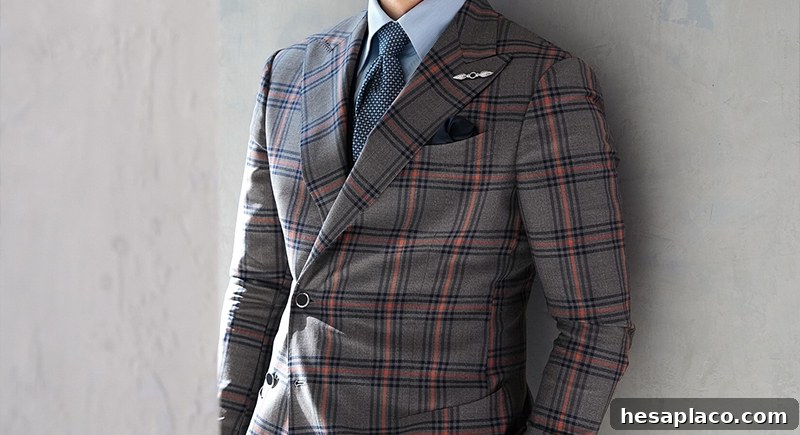
Credit: Instagram
Here craftsmanship takes center stage: full canvases, hand-set sleeves, and high-grade wool from respected mills in Italy or England. Many garments start from standard patterns but receive significant handwork and alterations, resulting in a near-custom fit with heirloom potential.
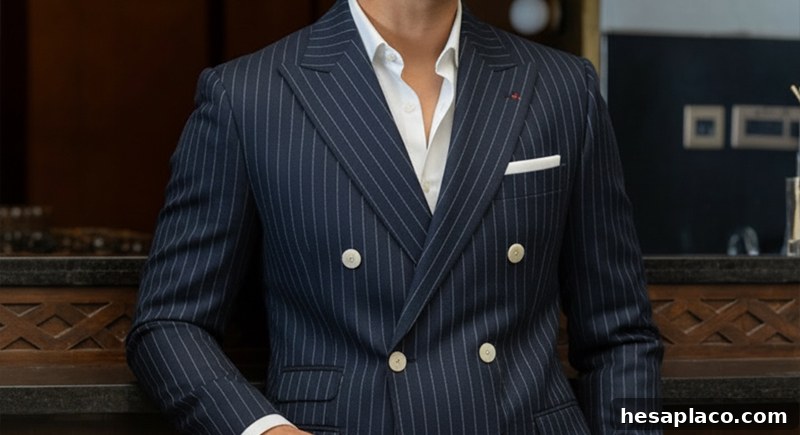
$5,000+ Suit: True Bespoke
Credit: Instagram
At the top end you reach true bespoke tailoring: patterns drafted from scratch to your exact measurements, multiple fittings, extensive hand stitching, and the finest cloth options from premium mills. These suits are built to last generations and prioritize individual fit, comfort, and timeless construction over fleeting trends.