Luxury brands frequently push creative boundaries, sometimes producing items that feel more like artistic statements than practical products. These pieces often provoke strong reactions — amusement, disbelief, admiration — and spark heated debates online. Despite the controversy, many of these unconventional items have been stocked in stores, sold out quickly, and become emblematic of how far high-end labels will go to grab attention. Below is a look at standout examples that blurred the line between fashion, art, and provocation.
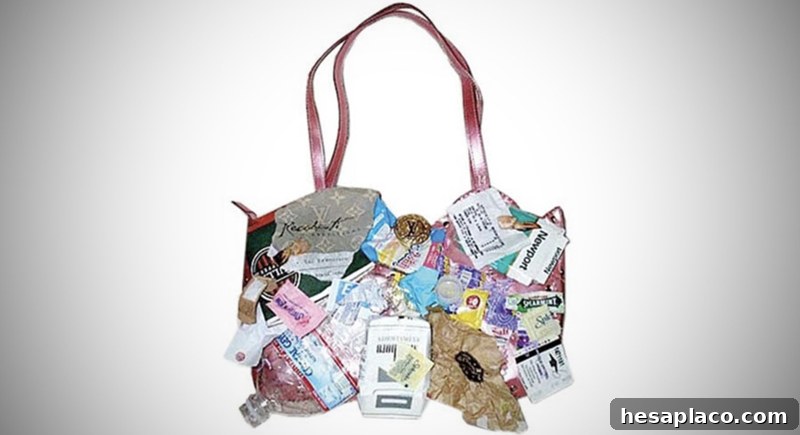
Louis Vuitton Urban Satchel — $150,000
Credit: Facebook
Created as a limited-edition statement piece in the mid-2000s, the Louis Vuitton Urban Satchel was crafted from discarded materials such as chewing gum wrappers, plastic bottles, and cigarette boxes. Marketed as a commentary on consumer culture and waste, the bag’s concept traded on irony: everyday trash reimagined as a luxury object. Even so, the satchel carried an eye-watering price tag of $150,000, underscoring how concept and brand prestige can vastly increase perceived value.
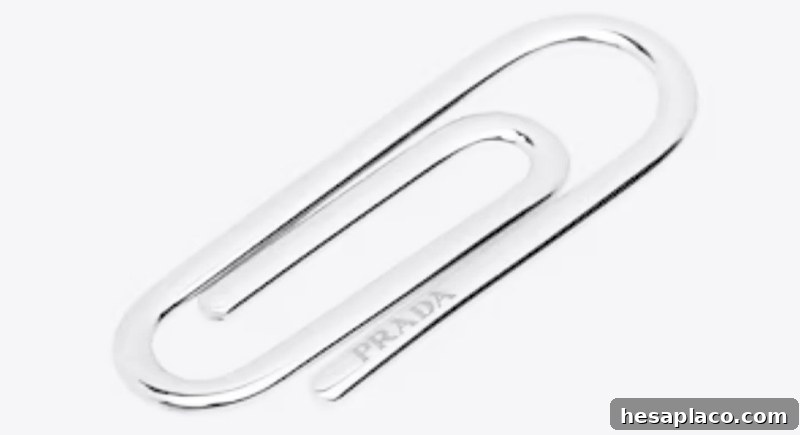
Prada Paperclip — £150
Credit: Instagram
Prada once sold a silver-toned paperclip intended to function as a money clip. Nearly identical in appearance to ordinary office paperclips, the six-centimeter accessory retailed for about £150 and briefly appeared at stores like Barneys. Reactions ranged from bemusement to criticism, with many pointing out that equivalent clips can be purchased for a fraction of the price at everyday retailers. The product highlighted how branding alone can convert a commonplace object into a luxury item.
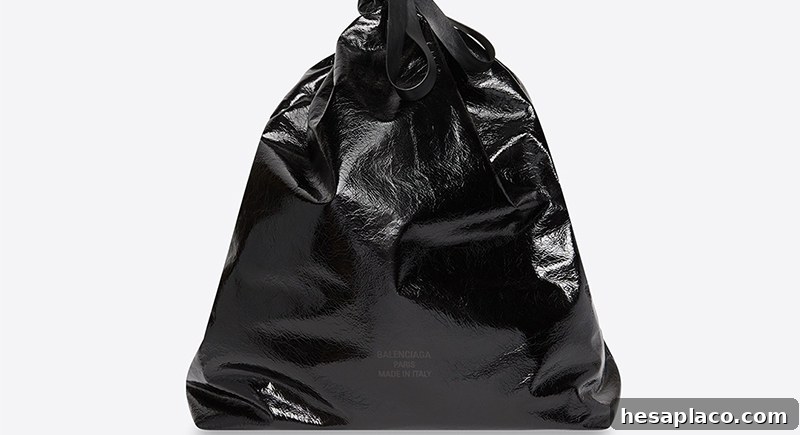
Balenciaga Trash Pouch — £1,200
Credit: Instagram
Balenciaga’s Trash Pouch mimicked the look of a crumpled garbage bag while being crafted from premium calfskin leather. Introduced during the Fall/Winter 2022 collection, the pouch was priced around £1,200. Designed under the direction of Demna Gvasalia, the piece leaned into irony and commentary on consumption, challenging ideas of desirability by transforming an object associated with refuse into an expensive accessory.
Chanel Boomerang — $1,725
Credit: Instagram
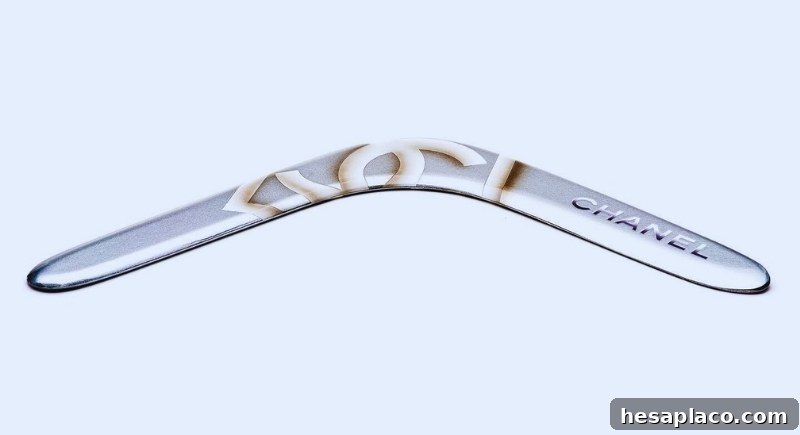
In 2017, Chanel offered a wooden-and-resin boomerang embellished with the brand’s logo and priced at $1,725. The item drew significant backlash for appropriating an Indigenous Australian object with cultural and spiritual significance. Critics argued that using the boomerang as a fashion novelty ignored its heritage and meaning. Chanel later issued a statement expressing regret, and the product became a cautionary example of cultural insensitivity in luxury design.
Hermès Leather Horse Toy “Marley” — $133,800

Credit: Instagram
Hermès produced a 56-inch leather sculpture of a horse called Marley that retailed for $133,800. Far from a playful toy, the oversized leather piece functioned primarily as a decorative sculpture. The price reflected the brand’s craftsmanship, the scale of the work, and the luxury contexts in which Hermès operates. Public reaction ranged from admiration for the artisanship to discomfort about the object’s aesthetic and uncertain purpose.
Tiffany & Co. Tin Can — $1,000

Credit: Instagram
Tiffany & Co.’s Everyday Objects series included a sterling silver reproduction of a tin can, complete with a vermeil interior and precise sculptural detail. Priced at $1,000, the piece was intended as a playful, conceptual object — a luxury reinterpretation of a familiar household item. For many observers, the piece symbolized the collection’s tongue-in-cheek approach to value and craftsmanship, prioritizing concept over utility.
Supreme MetroCard — $11 Retail, $500 Resale
Credit: X
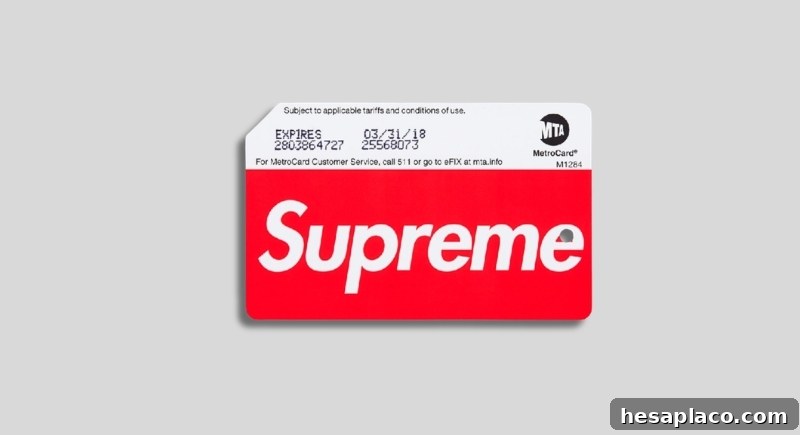
Supreme’s collaboration with New York’s Metropolitan Transit Authority produced MetroCards imprinted with the brand’s logo that functioned like standard subway fare cards. Sold for $11 from selected subway vending machines in 2017, the cards quickly surfaced on resale platforms for prices far above face value — sometimes several hundred dollars. Collectors pursued the novelty and exclusivity more than the cards’ practical use, turning a routine transport token into a sought-after fashion collectible.
Balenciaga Towel Skirt — $925
Credit: Instagram
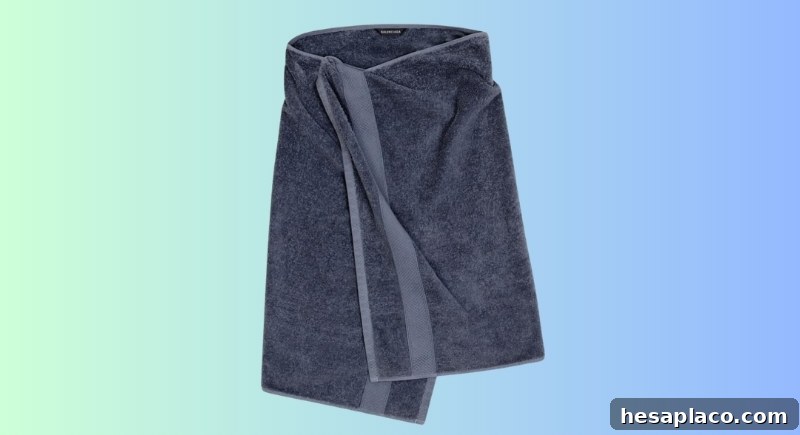
Appearing in Balenciaga’s Spring 2024 menswear lineup, the Towel Skirt was crafted from cotton terry cloth and designed to look like a bath towel wrapped around the body. It fastened with two buttons and included an internal belt for fit, retailing at approximately $925. The piece continued the brand’s exploration of irony and elevated loungewear, translating familiar domestic textiles into high-fashion silhouettes.
Marc Jacobs Hair Tie — $30
Credit: Getty Images
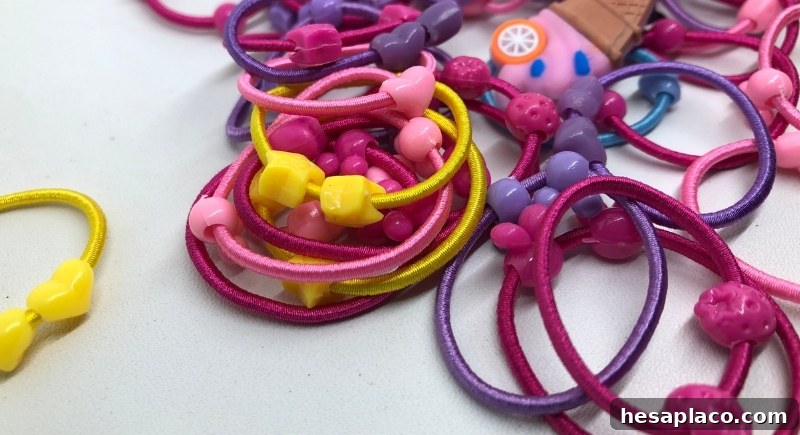
Marc Jacobs sold a hair tie composed of a basic elastic band topped with a decorative stone element, retailing for around $30. While the accessory performed the same function as inexpensive multipacks of hair ties, the designer branding and decorative detail positioned it as a fashion accessory rather than a utilitarian item. The product highlighted how simple items can be recontextualized through design and label to command premium pricing.
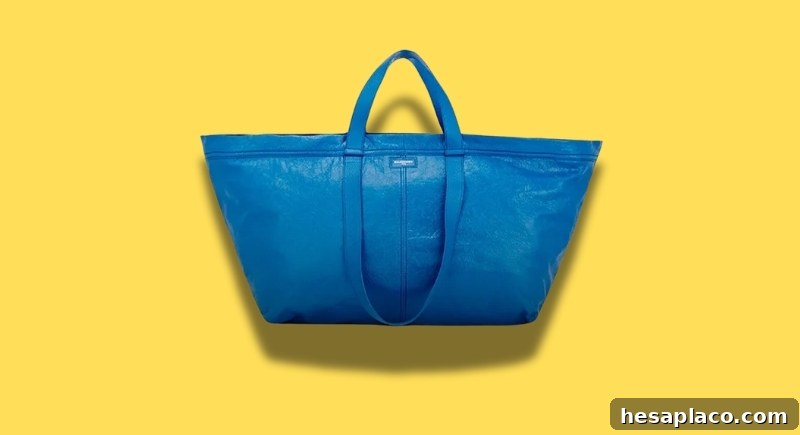
Balenciaga “IKEA” Bag — $2,145
Credit: Instagram
Balenciaga’s Arena Extra-Large Shopper Tote was designed in a vivid blue shade and oversized silhouette that closely mirrored IKEA’s ubiquitous Frakta bag. Priced at about $2,145, Balenciaga’s leather version drew sharp comparisons to IKEA’s humble polypropylene original, which retails for under a dollar. While the luxury bag used textured leather and couture construction, the visual similarity sparked discussions about parody, inspiration, and the boundaries of high fashion borrowing from everyday design.
These examples illustrate how luxury labels experiment with concepts and materials to provoke conversation, comment on culture, or simply challenge expectations. Whether viewed as clever social critique, artistic expression, or baffling excess, such items reveal the power of brand prestige to transform ordinary objects into headline-making luxury statements.