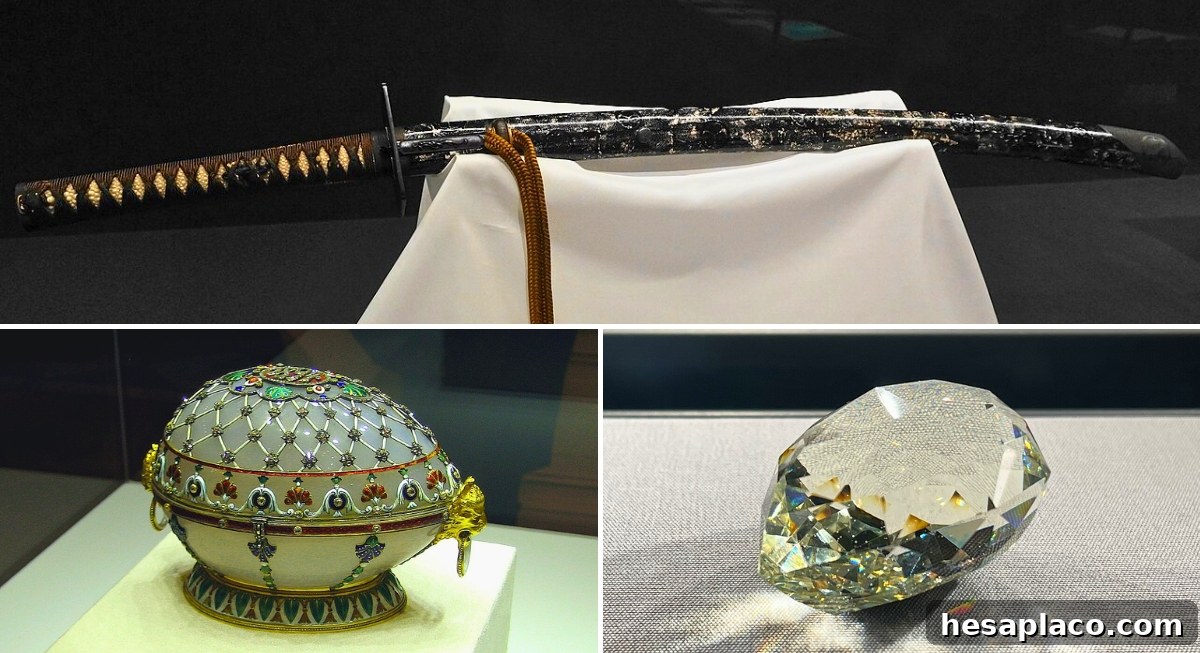
Some of the most valuable creations in history are no longer available for viewing in museums—because they are missing. Lost, destroyed, or buried, these objects are gone without a trace. Their value went beyond mere monetary worth; they embodied cultural significance, artistic skill, religious meaning, or political power. Wars, thefts, natural disasters, and human error have erased many of them, leaving behind stories, theories, and unanswered questions instead of the artifacts themselves.
The Amber Room
Credit: Wikimedia Commons
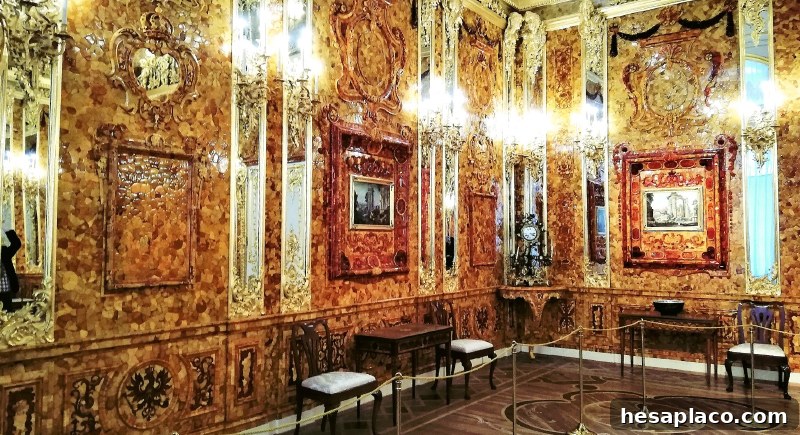
Once hailed as one of the world’s most extraordinary interior masterpieces, the Amber Room featured walls covered in intricately carved amber panels set against gold leaf within the Catherine Palace. Contemporaries described its appearance as almost otherworldly. In 1941, Nazi forces dismantled the room in less than two days and transported its components to Königsberg. As Allied bombing intensified, the panels were crated for protection—and then disappeared. Over subsequent decades, only fragments surfaced, including a single mosaic panel traced to the family of a soldier, while the majority of the room’s elements remain missing.
Peking Man Fossils

Credit: Wikimedia Commons
In 1941, American scientists packed the important Peking Man fossils into crates to evacuate them from China amid the Japanese invasion. The plan was to send the specimens to the United States for safekeeping, but the fossils never reached their destination. Their fate remains uncertain: hypotheses range from loss when a transport ship sank to confiscation or looting by soldiers, or deliberate concealment beneath a military installation. Despite many searches and investigations, the original fossils have not been recovered.
Florentine Diamond

Credit: Wikimedia Commons
The Florentine Diamond was a famous large yellow gem, historically linked to the Medici family and later part of the Habsburg treasury. Weighing about 137 carats, its brilliance made it a symbol of royal wealth. After World War I and the collapse of the Austro-Hungarian Empire, Emperor Charles I took the imperial jewels with him into exile in Switzerland, entrusting the Florentine Diamond to a lawyer, Bruno Steiner, for safekeeping. When Steiner was later arrested in connection with a separate fraud case, the diamond vanished. Its ultimate whereabouts remain a mystery, fueling speculation that it may have been recut, sold, or hidden in a private collection.
Ark of the Covenant
Credit: Wikimedia Commons
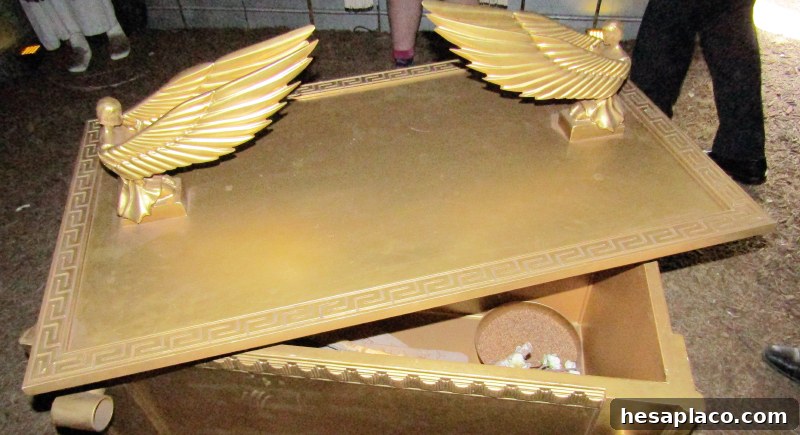
The Ark of the Covenant, traditionally believed to have contained the original stone tablets of the Ten Commandments, disappeared after the Babylonians sacked Jerusalem and destroyed the First Temple in 587 B.C. Ancient texts offer conflicting accounts: some indicate the Babylonians captured it, while others suggest Jewish temple custodians concealed the Ark to protect it. A longstanding tradition in Ethiopia claims the Ark resides in Aksum, guarded by a single appointed priest, but that claim cannot be independently verified. The Ark’s fate remains one of the most enduring religious and archaeological mysteries.
Honjo Masamune
Credit: Wikimedia Commons
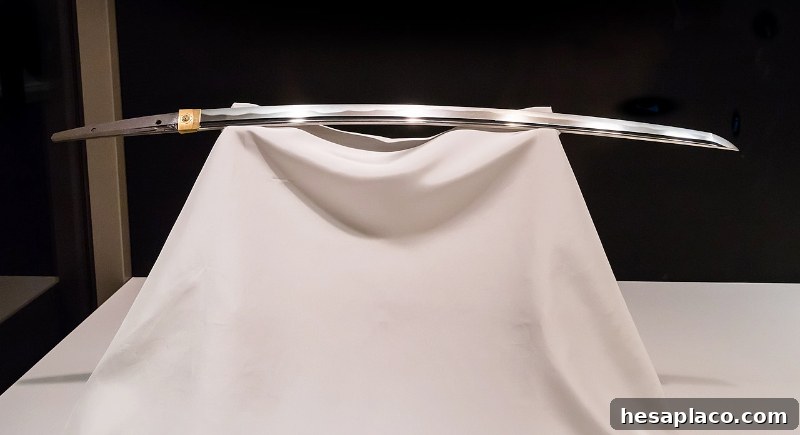
Forged by the celebrated Japanese swordsmith Masamune in the 13th century, the Honjo Masamune became a symbol of Tokugawa authority. After World War II, the occupying forces required Japanese leaders to surrender swords and other weapons. Records indicate the Honjo Masamune was handed over to U.S. forces, but it was never cataloged in Allied inventories and subsequently disappeared from the historical record. Researchers and collectors continue to comb auction catalogues, museum records, and private holdings in the hope it will reappear; its last confirmed location remains the subject of debate.
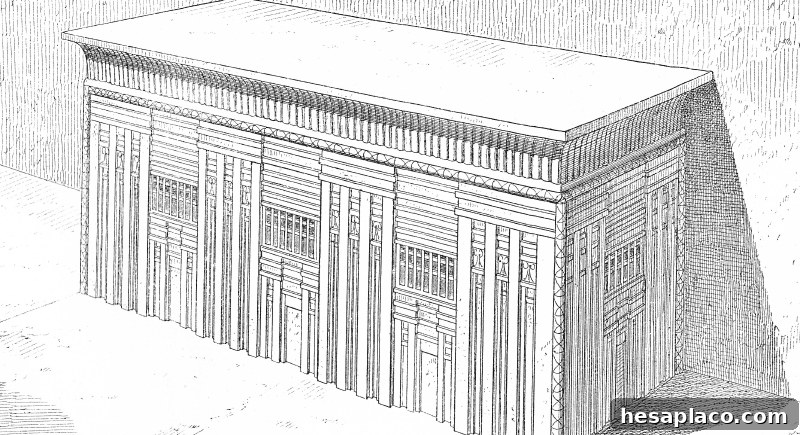
Menkaure’s Sarcophagus
Credit: Wikimedia Commons
In 1837, explorer Colonel Howard Vyse discovered an ornate stone sarcophagus inside the pyramid of Menkaure at Giza. He arranged for the piece to be transported to England aboard the merchant ship Beatrice. During the voyage, the Beatrice sank and the sarcophagus went down with it. Despite ongoing interest and occasional recovery efforts, the shipwreck has not been definitively located, and the sarcophagus may still lie on the seabed, potentially preserved but inaccessible beneath centuries of sediment.
Just Judges Panel

Credit: Wikimedia Commons
Part of the celebrated 15th-century Ghent Altarpiece, the “Just Judges” panel painted by Hubert and Jan van Eyck went missing in 1934. Thought to include portraits and important iconography, the panel’s disappearance provoked a major investigation. The thieves left a ransom note, then communication stopped; police received a string of tips, hoaxes, and anonymous letters, but no credible leads followed. To this day, the panel has not been recovered, and its absence remains one of Belgium’s most famous art theft mysteries.
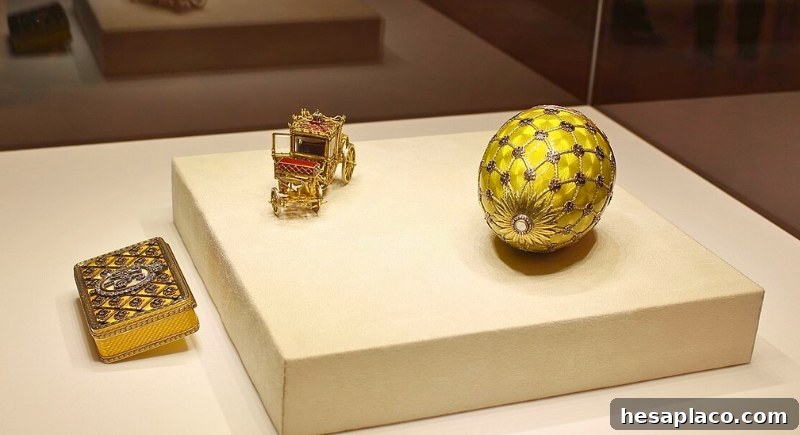
Fabergé Eggs
Credit: Wikimedia Commons
Between 1885 and 1916, the Russian jeweler Peter Carl Fabergé crafted around 50 jeweled imperial Easter eggs for the Romanov family, each containing intricate surprises and mechanical wonders. Over the decades, many of these masterpieces were lost, stolen, or dispersed. Eight imperial eggs remain unaccounted for. Occasionally one reappears—most notably in 2014 when a scrap dealer inadvertently bought an egg at a flea market that turned out to be authentic and later appraised at more than $30 million.
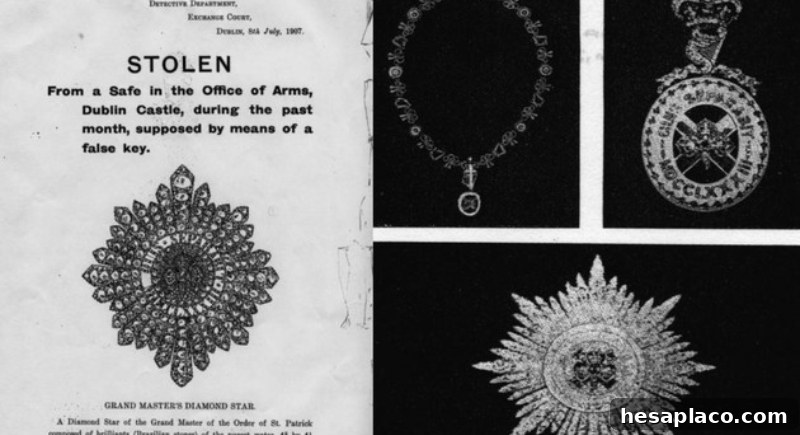
Crown Jewels of Ireland
Credit: Wikimedia Commons
Stolen in 1907 from a secure safe in a library at Dublin Castle, the Crown Jewels of Ireland were regalia of the Order of St. Patrick rather than items used for a coronation. Made with Brazilian diamonds and incorporating Mughal-era rupee coins, the jewels symbolized prestige and colonial authority. There were no obvious signs of forced entry, and the theft occurred just days before a royal visit, sparking political embarrassment and scandal. Despite investigations, the jewels were never recovered.
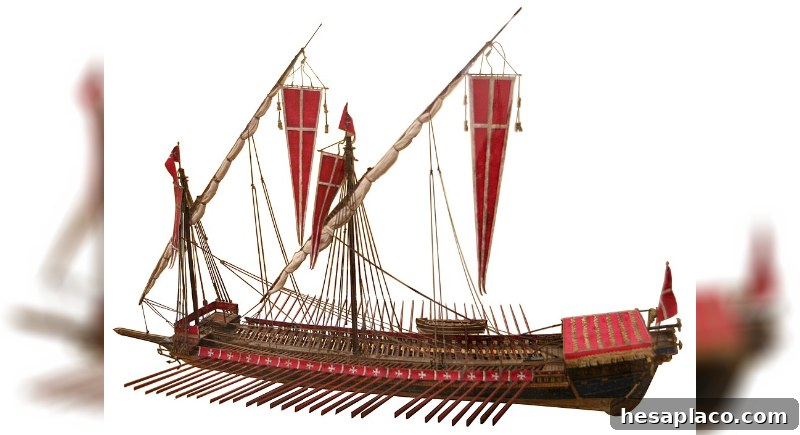
Treasure of the São Vicente
Credit: Wikimedia Commons
In 1357 the Portuguese ship São Vicente sailed from Lisbon carrying the belongings of Thibaud de Castillon, a bishop who had died on a recent journey. The cargo included gold, jewels, rings, tapestries, and portable altars. Near Cartagena the ship was attacked by pirates; one pirate vessel was captured, while another escaped with the treasure. Over the centuries no verifiable trace of that cargo has surfaced, leaving the São Vicente’s manifest among the many medieval shipwrecks that tantalize historians and treasure hunters alike.