Renters often learn landlord-tenant law the hard way—when something goes wrong. A repair is delayed, a security deposit disappears, or an eviction notice appears on the door. That’s when the fine print and legal protections matter most.
Most rental laws are set at the state level, with federal oversight by the U.S. Department of Housing and Urban Development. Understanding core rights and obligations before signing a lease can save money, reduce stress, and prevent protracted disputes with landlords.
Fair Housing Protections

Credit: Canva
Federal law prohibits housing discrimination based on race, color, national origin, religion, disability, familial status, and sex. These protections apply to listings, tenant screening, lease terms, and property policies. Many states and municipalities add additional protected categories—such as source of income or sexual orientation—so local rules can expand protections beyond the federal baseline. Advertising or screening practices that intentionally or effectively exclude certain groups can trigger violations.
Right to Privacy

Credit: Canva
Once a tenant receives the keys, they control access to the unit. Landlords generally may enter for repairs, inspections, or showings, but most states require reasonable advance notice—commonly around 24 hours—except in emergencies. Repeated, unannounced visits or intrusions that interfere with a tenant’s quiet enjoyment can be unlawful.
Legal Lease Requirements
Credit: Getty Images
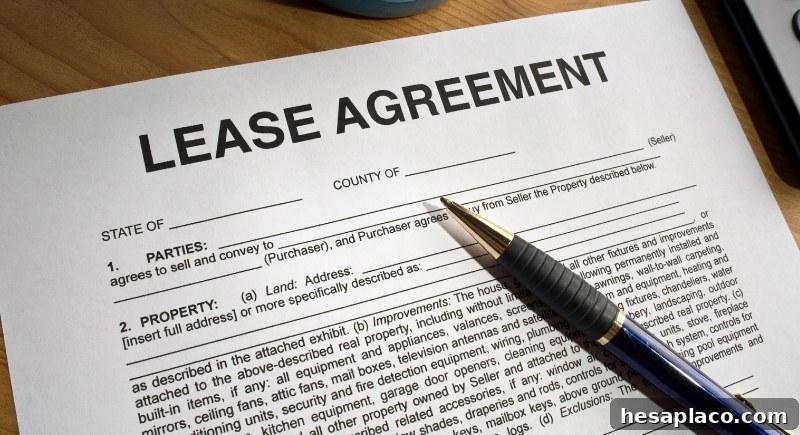
A lease is a binding contract that records expectations for both parties. A valid lease should clearly state the rent amount and payment schedule, lease duration, security deposit terms, and who is permitted to live in the unit. Local law determines which lease provisions are enforceable; unlawful or omitted terms can limit a landlord’s ability to impose certain rules later. Tenants should read leases carefully and ask for clarification on ambiguous terms.
Required Disclosures

Credit: pexels
Renters are entitled to certain disclosures before moving in. Federally, landlords must disclose known lead-based paint hazards for homes built before 1978. Many states require additional notices—such as prior mold problems, floodplain status, bedbug history, or nearby hazards. Failure to provide required disclosures can give tenants legal remedies, including lease termination or damages in some jurisdictions.
Habitability Standards

Credit: pexels
All rental units must meet basic habitability standards. That generally includes working plumbing, electricity, heating, and a structurally sound building. Significant infestations, mold that poses health risks, or broken heating systems commonly violate habitability requirements. When a unit becomes unsafe or uninhabitable, tenants may have options such as repair requests, rent withholding, repair-and-deduct remedies, or lease termination—depending on state and local law.
Repairs and Maintenance

Credit: Canva
Tenants are generally responsible for reporting needed repairs, while landlords are obligated to address problems within a reasonable timeframe. Health- or safety-related repairs receive priority over cosmetic issues. Ignoring significant needed repairs can open the door to legal remedies for tenants, including withholding rent or pursuing court action in some areas. At the same time, leases usually assign tenants responsibility for routine cleaning and minor upkeep.
Security Deposit Rules

Credit: Canva
Security deposits are not additional rent and are governed by state law. Regulations typically limit how much can be charged, outline how deposits must be stored, and set deadlines for returning funds after move-out—commonly within 30 to 60 days. Landlords usually must provide itemized statements for any deductions. Failure to follow deposit rules can result in penalties that exceed the deposit amount.
Abandoned Property Handling
Credit: pexels
Belongings left behind after a tenant moves out are not automatically considered trash. State abandoned property laws typically require landlords to notify the former tenant, securely store valuable items, and give the tenant a specific period to reclaim possessions. Improper disposal or failure to follow statutory procedures can expose landlords to liability even after tenancy ends.
Criminal Activity Obligations

Credit: Canva
Landlords are not generally required to act as law enforcement, but they may have obligations when they become aware of criminal or dangerous conduct on the property. Local laws or lease terms can require landlords to take reasonable steps—such as notifying authorities, cooperating with investigations, or taking measures to protect other tenants—when criminal activity threatens safety.
Eviction Protections
Credit: Canva
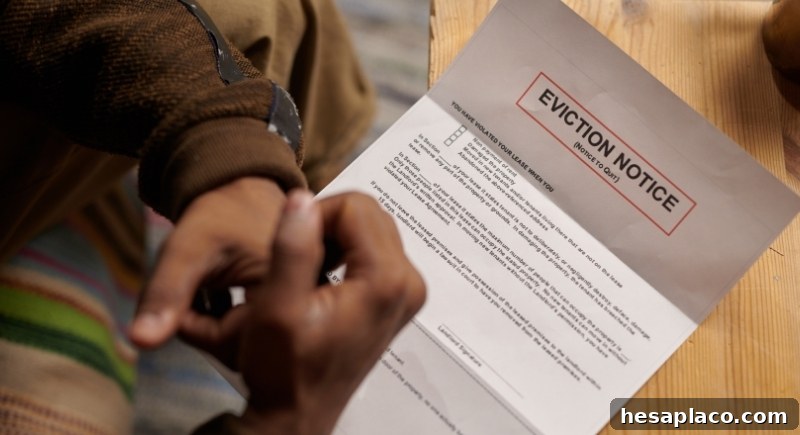
Evictions must follow the legal process. Common grounds for eviction include unpaid rent, material lease violations, or overstaying after lease termination. Most jurisdictions require written notice before initiating court proceedings. Self-help measures—such as changing locks, shutting off utilities, or physically removing a tenant without a court order—are illegal everywhere and can expose landlords to legal penalties.
Knowing these basics helps tenants recognize when their rights are being respected and when to seek advice. Because landlord-tenant rules vary by state and city, consult local statutes or a tenant advocate for guidance specific to your situation.