
In the 1970s and 1980s, many American fast-food chains expanded overseas by following a simple template: open stores, keep the core menu, and make small adjustments for local tastes. In the Philippines, that method missed a crucial truth about how families ate and what they valued. Tony Tan Caktiong approached the market differently: he studied everyday eating habits, pricing sensitivity, and local flavor preferences, then built Jollibee around those insights. That strategy transformed the local market and created a multibillion-dollar company.
Humble Beginnings in a Family Kitchen

Credit: Wikimedia Commons
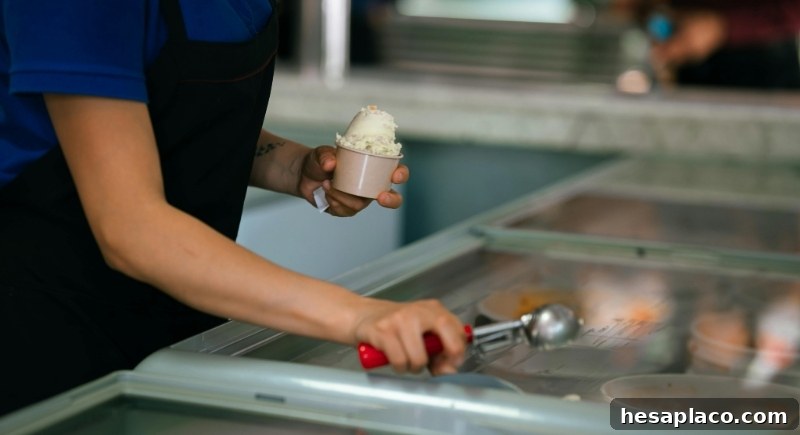
Before business-school case studies captured his story, the front lines of restaurants in Davao taught Tony Tan Caktiong his first lessons. As a child he cleared tables and observed ordering patterns during rush hours. After completing a degree in chemical engineering, he and his family invested savings into two Manila ice cream franchise outlets when he was 22. Rather than run them from a distance, he treated those shops as real-world laboratories for customer behavior.
The Ice Cream Pivot That Changed Everything
Credit: pexels
Weather and routine influenced customer choices. In Manila’s rainy seasons, customers came in cold, wet, and hungry—and staff began to hear a recurring request: do you have anything hot? Tony tracked those requests closely. Within weeks, his hot items—burgers, spaghetti, and rice meals—started outselling frozen desserts. By 1978 he made a decisive change: he abandoned the pure ice-cream model and retooled the business into the fast-food concept that would become Jollibee.
Beating Global Chains on Home Turf
Credit: Jollibee Group
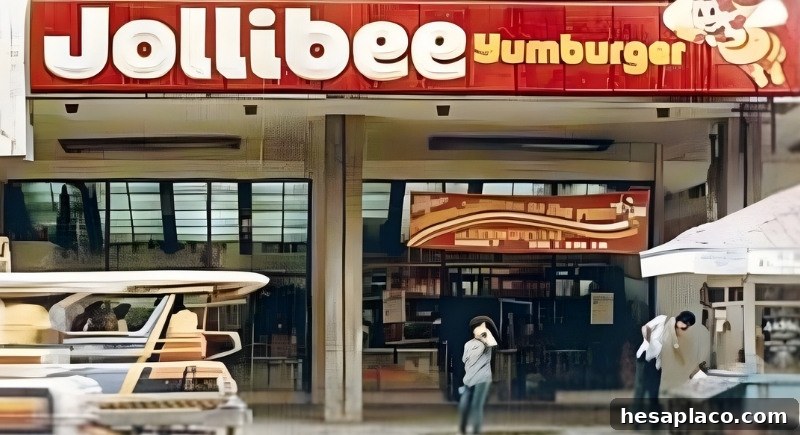
When international giants like McDonald’s entered the Philippine market in the 1980s, many observers expected them to dominate. Jollibee instead focused on what Filipino families actually wanted: rice plates, sweeter sauces, and affordable combo meals that could be purchased regularly. That menu strategy, combined with value pricing and a strong operational focus on family-sized orders, kept regular customers returning and steadily grew store traffic. Over time Jollibee captured more local market share than the global leader.
Langhap Sarap and the Power of Food Psychology
Credit: Reddit
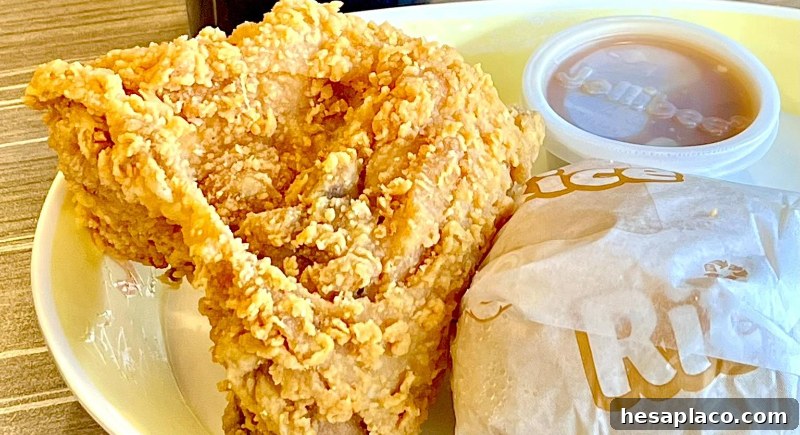
Along the way Jollibee discovered an emotional and sensory truth: in many Filipino homes, aroma is the first sign of a satisfying meal. The phrase langhap sarap—literally “inhale the deliciousness”—became more than advertising; it reflected how customers judged food. Jollibee designed kitchens and service flows so the scent of freshly fried Chickenjoy reached ordering areas quickly, creating appetite and reinforcing brand recognition even before customers decided what to order.
The Diaspora Expansion Playbook
Credit: Wikimedia Commons
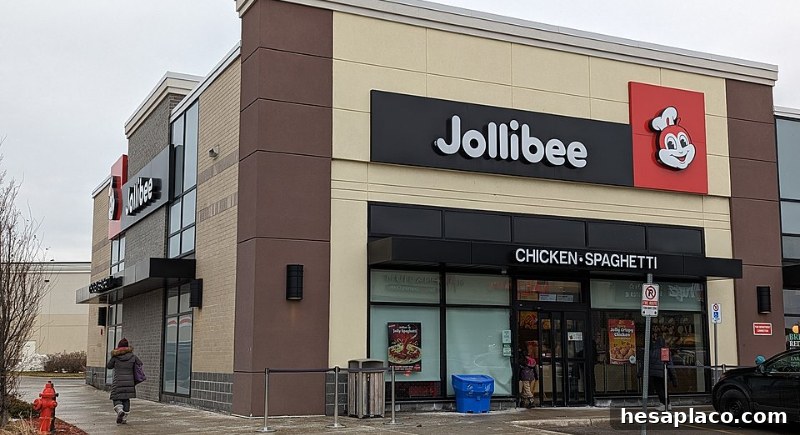
That sensory and emotional connection shaped Jollibee’s international rollout. Early overseas outlets often served Filipino expatriates seeking a familiar taste of home. Those initial crowds created strong opening-week momentum; soon friends, coworkers, and local residents followed. Nostalgia brought customers through the door, and consistent quality and familiar flavors turned occasional visits into steady, mainstream demand.
Buying Competitors to Grow Faster
Credit: Youtube
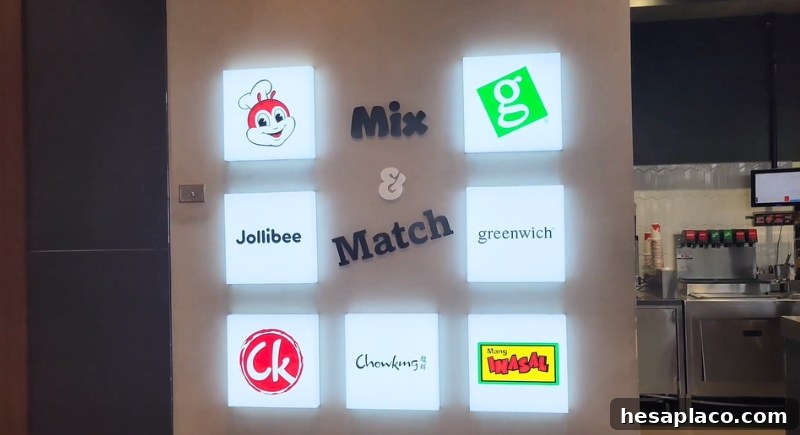
Once Jollibee proved its model at home and showed it could attract diaspora customers abroad, the company accelerated growth through acquisitions. Buying local brands such as Mang Inasal and Greenwich strengthened its dominance in the Philippines, while purchases like Smashburger and stakes in other international concepts broadened its global footprint. This acquisition strategy allowed Jollibee to enter new categories and markets without building unfamiliar brands from scratch.
Cloud Kitchens and Pandemic Survival Moves
Credit: Facebook
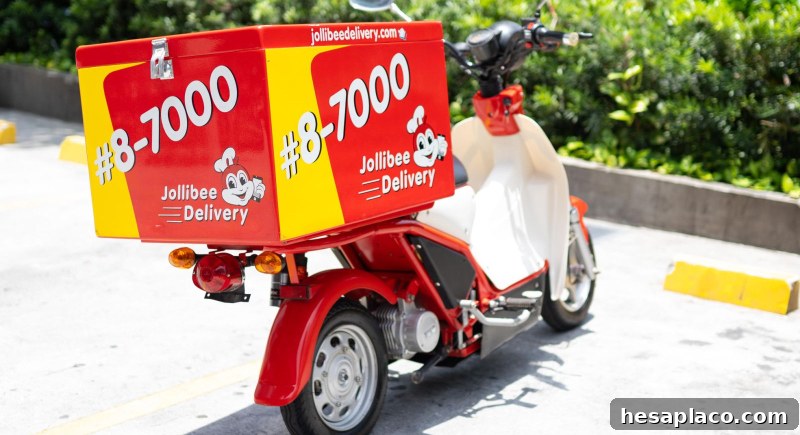
The COVID-19 pandemic forced rapid changes across the restaurant industry, and Jollibee adapted by rethinking daily operations. With dining rooms closed or limited, delivery became the primary revenue driver. The company shifted investment into cloud kitchens and strengthened digital ordering and delivery infrastructure. Even after in-person dining resumed, the convenience of online ordering remained a permanent part of customer behavior.
The Secret Weapon Was Always Flavor
Credit: Reddit
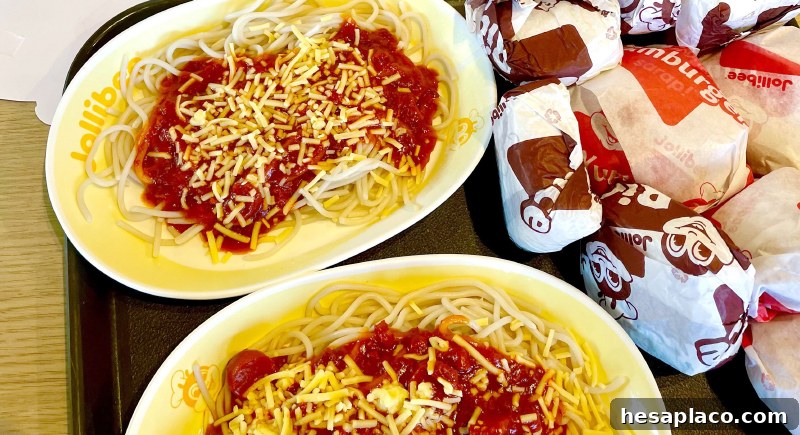
New customers often expect a familiar fast-food experience but quickly notice Jollibee’s distinctive flavors. Menu items reflect Filipino comfort-food traditions—sweet-style spaghetti, burgers topped with pineapple, and mango desserts—so the brand stands out while remaining accessible to people who already know fast-food formats. That combination of novelty and comfort helped Jollibee differentiate itself in crowded markets.
Store Density and Smart Real Estate Strategy
Credit: Wikimedia Commons
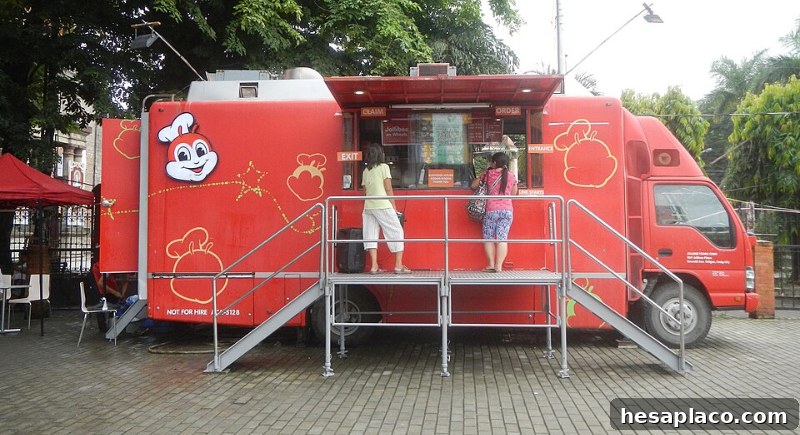
In major Philippine cities, Jollibee locations cluster where daily foot traffic is highest: near jeepney routes, malls, schools, and wet markets. Opening multiple branches within short distances increases convenience for commuters and families, capturing different dayparts—breakfast, lunch, and late-night—while keeping the brand highly visible in dense neighborhoods. That density strategy made it easy for customers to choose Jollibee regularly.
The Race Toward Global Top-Five Restaurant Status
Credit: Facebook
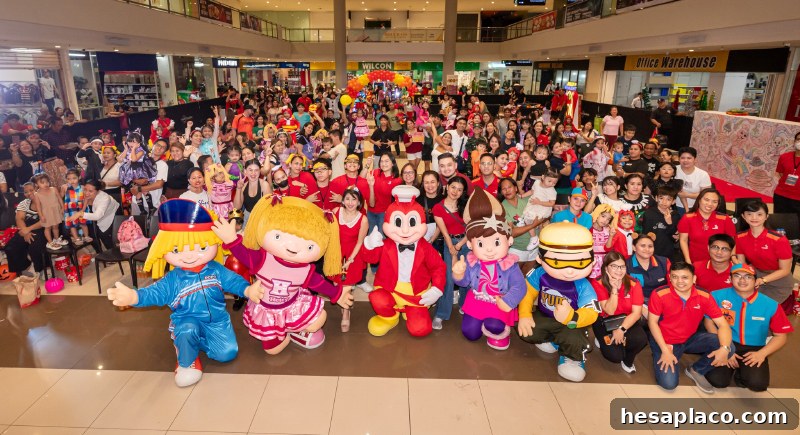
Jollibee evolved into more than a convenient place to eat. It became a setting for birthday parties, school celebrations, and family gatherings—moments that build emotional loyalty. That loyalty helped the brand outlast and outperform international competitors in its home market. Tony Tan Caktiong’s focus on local habits, flavor-driven branding, strategic real estate, and targeted acquisitions produced a company capable of holding leadership at home while using that momentum to expand across international markets.