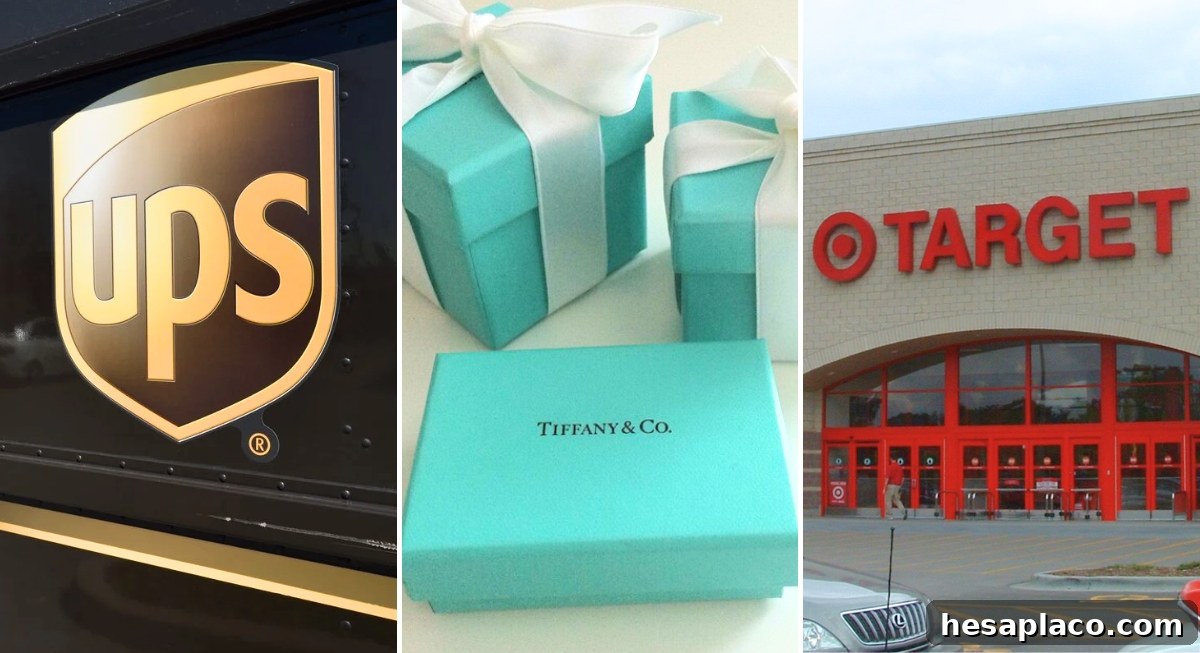
People react strongly when brands “own” colors, but trademark law allows it when repeated use trains consumers to recognize a hue as identifying a single source. The legal goal is practical: prevent marketplace confusion where purchases are at stake. When a color signals origin faster than a logo or wordmark, courts and trademark offices take notice. Marketers know visual memory drives buying decisions, and lawyers work to keep those visual cues exclusive.
Tiffany Blue
Credit: Wikimedia Commons
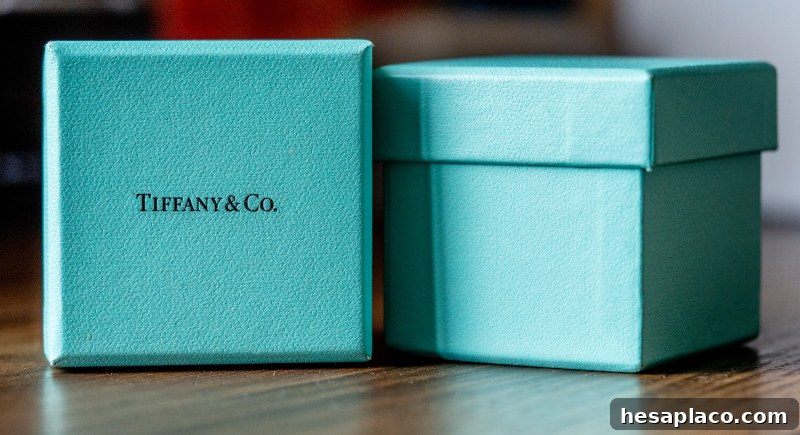
Tiffany & Co. secured trademark protection for Tiffany Blue used in its jewelry packaging after decades of consistent application taught shoppers to link the pale blue with luxury purchases. Courts accepted the color as a source identifier, so that soft blue now signals engagement rings and anniversary gifts even when no name appears. The shade functions as an immediate cue to the brand’s heritage and price tier.
Cadbury Purple
Credit: Reddit
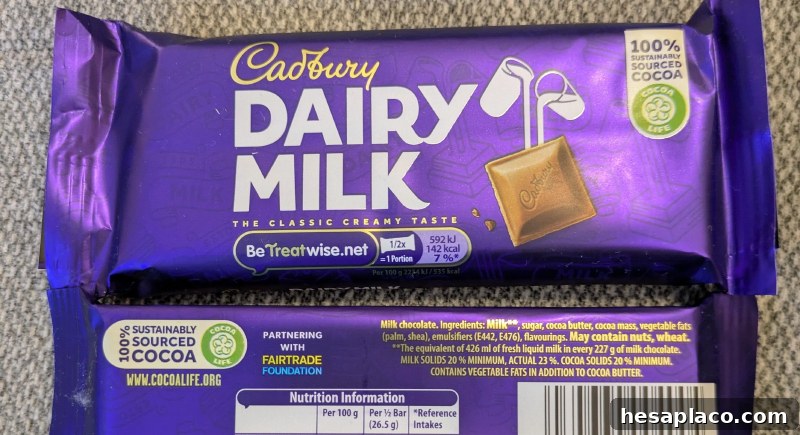
Cadbury’s distinctive purple wrappers sparked legal battles well before social media amplified branding disputes. To win protection in places like the UK and Australia, the company had to show that consumers associated that purple with its chocolate. Courts evaluated recognition specifically within confectionery aisles, and the color continues to anchor Cadbury’s identity as competitors probe how close they can come without triggering infringement claims.
Barbie Pink
Credit: Reddit
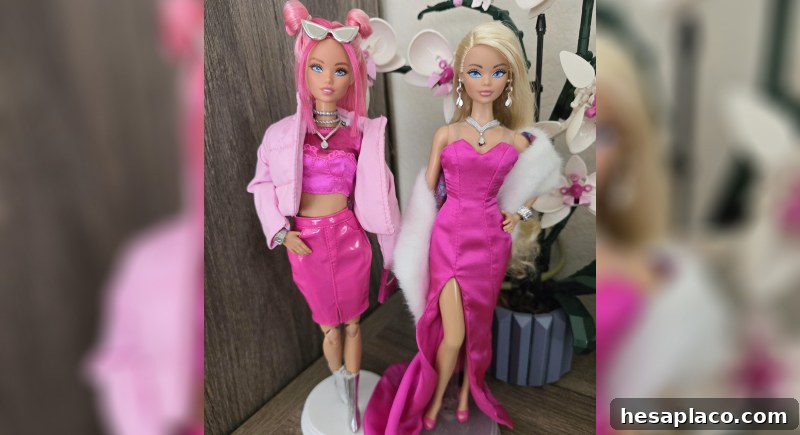
Mattel trademarked Barbie Pink for dolls, packaging, and promotional materials after sustained exposure taught global audiences to associate the bright pink with the brand. That shade serves as branding in films, toys, billboards, clothing, and retail displays, announcing Barbie’s presence at a glance even when the logo is absent. The color’s cultural saturation helped justify its legal protection.
Louboutin Red
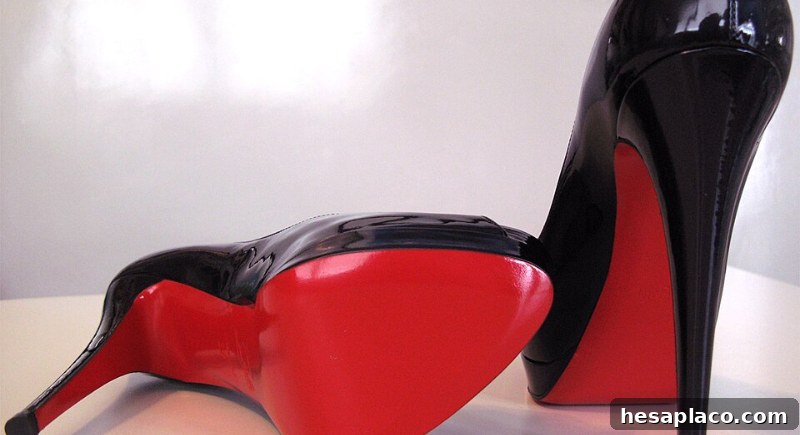
Credit: Wikimedia Commons
Christian Louboutin obtained trademark rights for glossy red soles—but the protection is narrowly defined. Courts found that the red sole, when contrasted with the upper in a specific visual formula, functions as a badge of origin for luxury footwear. The ruling draws precise boundaries: red shoes remain commonplace, but that exact red-on-contrast-sole presentation in high-fashion channels is legally protected.
T-Mobile Magenta
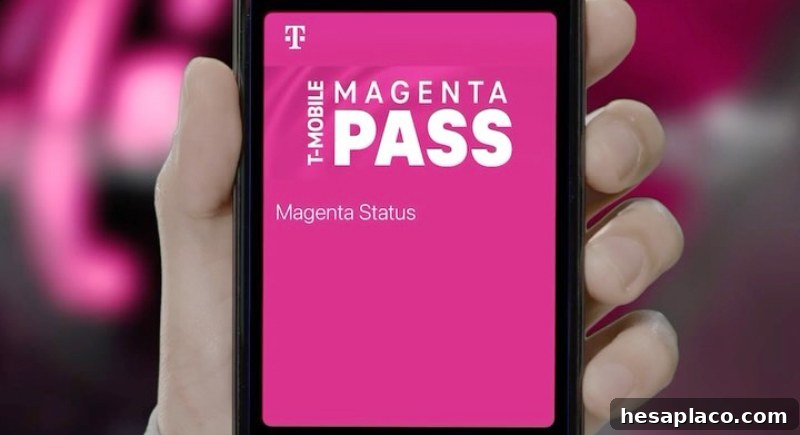
Credit: Instagram
Deutsche Telekom’s T-Mobile has legally claimed a distinctive magenta for its branding and advertising. The company supported its rights with consumer surveys and filings showing that the color identifies its services. Legal teams actively monitor the market because similar shades can prompt infringement challenges, so competitors often steer clear or adjust their palettes to avoid disputes.
Target Red
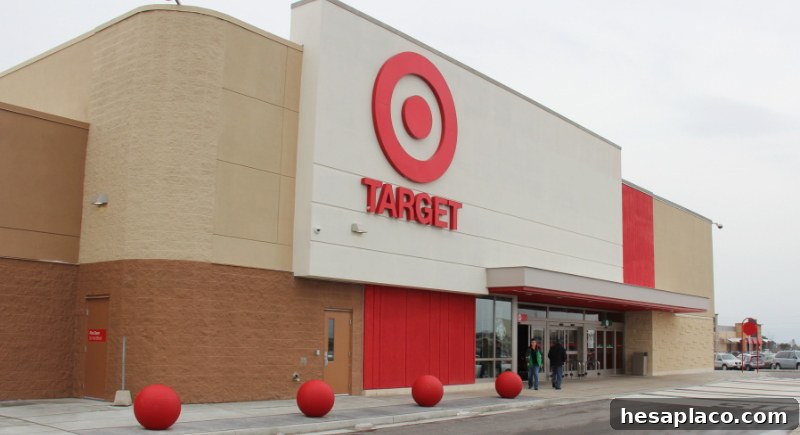
Credit: Wikimedia Commons
Target protects its specific shade of red across storefronts and signage because consumers associate that color with the retail experience. Trademark rights apply to the store’s use of the color, not to unrelated products, and the red helps customers spot Target locations quickly while reinforcing the chain’s visual identity.
UPS Brown

Credit: Wikimedia Commons
What began as a practical choice became a national trademark: UPS’s Pullman Brown now identifies trucks, uniforms, and shipping materials after decades of consistent use. The brown stands out because few delivery fleets adopt that exact shade across vehicles and uniforms, making UPS instantly recognizable on city streets and highways without additional signage.
Post-it Yellow
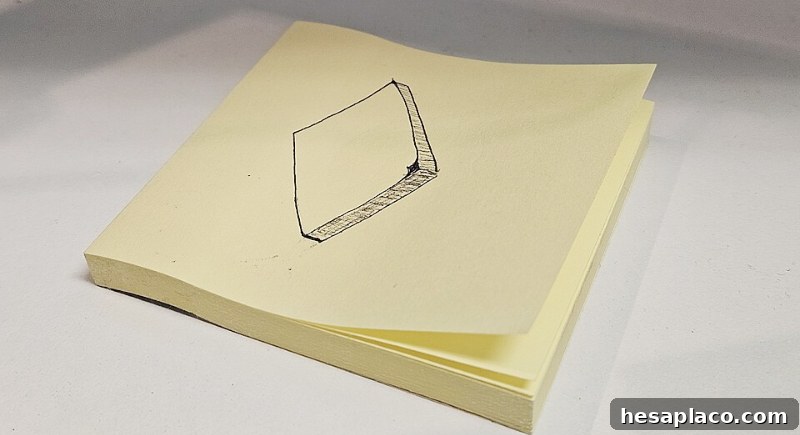
Credit: Wikimedia Commons
Post-it notes became synonymous with canary yellow through long-term exclusive use, and that color recognition earned the product trademark protection in the stationery category. Today the yellow alone often signals sticky notes, cueing brainstorming sessions and cluttered desks across schools, offices, and homes around the world.
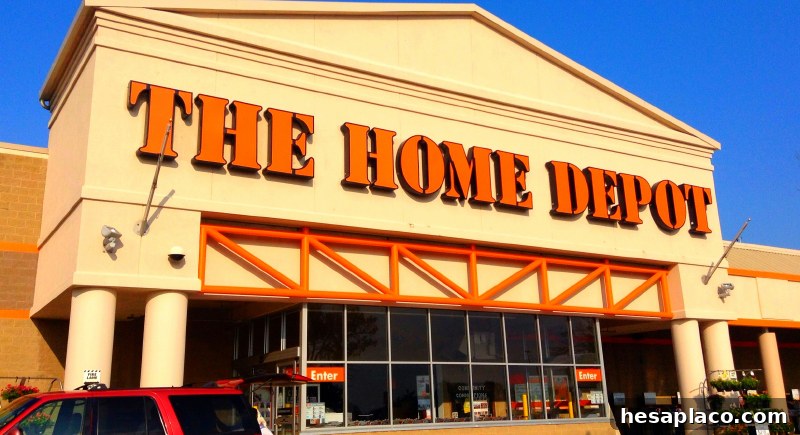
Home Depot Orange
Credit: Wikimedia Commons
Home Depot trademarked its bright orange for store signage, employee aprons, and other brand elements because the color improves visibility from parking lots and roads and reinforces the home improvement retail identity. While protection is limited to the relevant retail context, the orange has come to visually dominate that category for DIYers, contractors, and homeowners.
John Deere Green

Credit: Wikimedia Commons
Decades of exclusive use made John Deere’s green (paired with yellow) defensible as a trademark. Competitors avoid copying that particular green to prevent confusion during equipment sales at dealerships, auctions, trade shows, and on farms where machinery serves as moving brand billboards. Farmers and buyers recognize John Deere colors at a distance, which helps preserve the company’s market identity.