
Achieving the American dream can be extremely costly in certain metropolitan areas. In some cities, a household income above $200,000 is required to live comfortably—more than double the national median. A GoBankingRates analysis of the 50 most populous U.S. metros used cost-of-living indexes, Zillow housing data, and the 50/30/20 budgeting rule to determine what “comfortable” living looks like across major cities. The results highlight particularly steep housing markets—especially in California.
San Jose, California
Credit: Getty Images
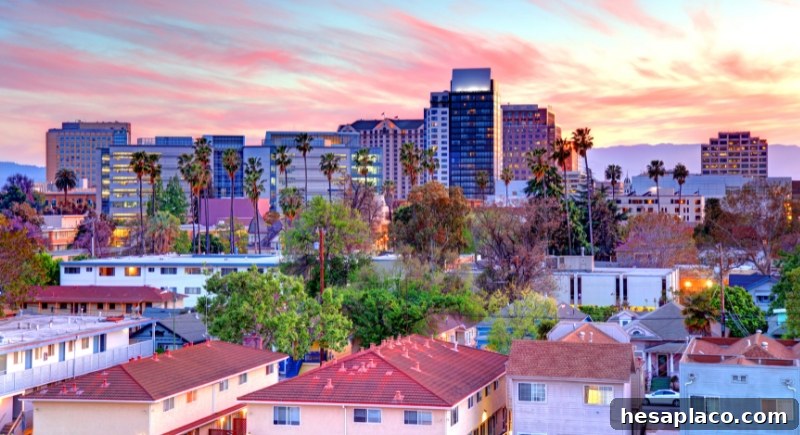
Silicon Valley’s housing market is among the nation’s most expensive. With average single-family home prices exceeding $1.5 million, a household needs roughly $264,946 per year to live comfortably. Necessities alone can consume about $132,473 of that income. The concentration of high-paying tech jobs has driven demand and prices upward, often leaving even well-paid engineers unable to afford typical family homes.
San Francisco, California

Credit: Getty Images
To live comfortably in San Francisco, a household needs about $251,398 annually. The average single-family home value sits around $1,410,552, and housing dominates monthly expenses even for high earners. Groceries, transportation, and utilities all run higher than national averages. While tech salaries help many residents manage, mortgage payments and everyday costs still place significant pressure on budgets.
San Diego, California
Credit: Getty Images
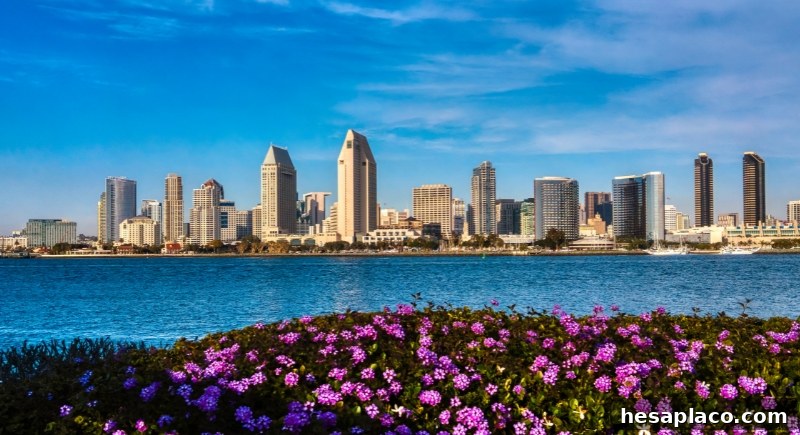
San Diego’s climate, cultural attractions, and growing biotech sector make it desirable, but housing is costly. With average home prices around $1,140,127, a comfortable household income is approximately $206,353. Many families accept longer commutes from inland communities such as Escondido or Chula Vista to find more affordable housing options.
Los Angeles, California

Credit: Getty Images
In Los Angeles, comfortable living requires about $194,920 per year, with average single-family homes near $1,025,128. The region’s entertainment, tech, and executive job markets attract many high earners, but highly desirable neighborhoods close to job centers command premium prices. Many residents weigh location against housing cost when choosing where to live.
New York City, New York

Credit: Getty Images
New York City offers iconic parks and culture but also faces high living costs. A household needs about $184,420 to live comfortably, with necessities averaging $92,210 per year. Apartments and groceries are expensive, and transportation and taxes add further pressure. Still, the city’s diverse job market and higher wages help offset some of the financial strain.
Long Beach, California
Credit: Canva
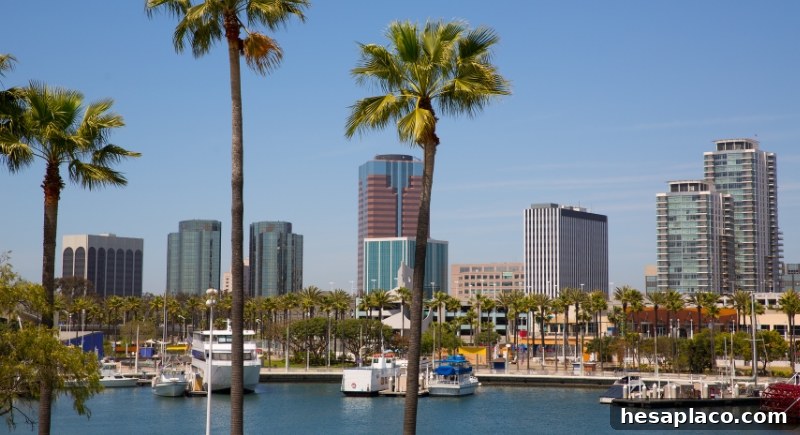
Just south of Los Angeles, Long Beach requires roughly $179,359 for comfortable living. The coastal location and nearby attractions like The Queen Mary are draws, but California’s broader housing challenges—limited supply and high construction costs—keep prices elevated. Many residents commute to higher-paying jobs in neighboring cities and accept heavier traffic in exchange for slightly lower housing expenses.
Seattle, Washington

Credit: Canva
Seattle’s economy, greatly influenced by Amazon and other tech firms, has pushed housing prices higher. With average home values around $941,803, a comfortable household income is approximately $178,520 per year. High salaries attract talent and support local amenities like Pike Place Market, but housing costs in many neighborhoods remain steep.
Boston, Massachusetts

Credit: Wikimedia Commons
Boston’s historic character and strong clusters of biotech and higher education keep demand for housing high and supply constrained. The analysis estimates a comfortable household income at about $169,155 per year. Average single-family home prices are near $839,566, and necessities can run around $84,578 annually. Many buyers look to suburbs such as Newton and Brookline for more space while still accessing Boston’s job market.
Oakland, California
Credit: Getty Images
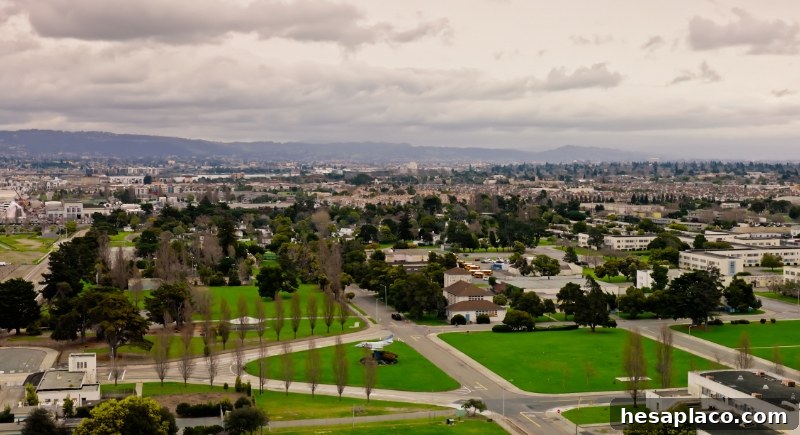
Oakland rounds out the list of expensive metros, with average single-family home prices near $797,148. The city’s cultural attractions, arts scene, and proximity to San Francisco contribute to strong housing demand. Zoning and development challenges in California also limit supply, leading some buyers to accept smaller homes in exchange for Bay Area access.
Washington, D.C.
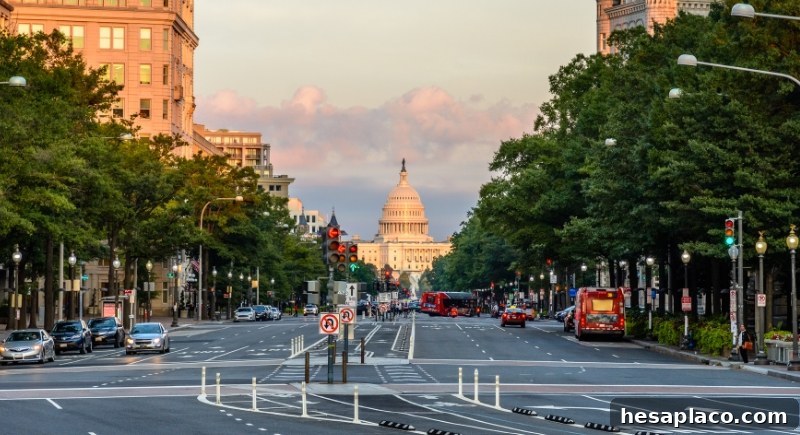
Credit: Wikimedia Commons
Living in the nation’s capital comes with a price: a household in Washington, D.C. needs about $157,960 to live comfortably. Average home prices in the city are around $749,377, and necessities account for roughly $78,980 of annual expenses. Federal employment and a robust lobbying and professional services sector contribute to demand in a compact urban area with limited housing inventory.
Across these metros, high housing costs—and in many cases elevated prices for groceries, transportation, and utilities—are the primary drivers pushing comfortable living thresholds well above national norms. While strong local job markets and high salaries help many households manage these costs, affordability remains a central challenge as demand continues to outpace supply in desirable urban areas.