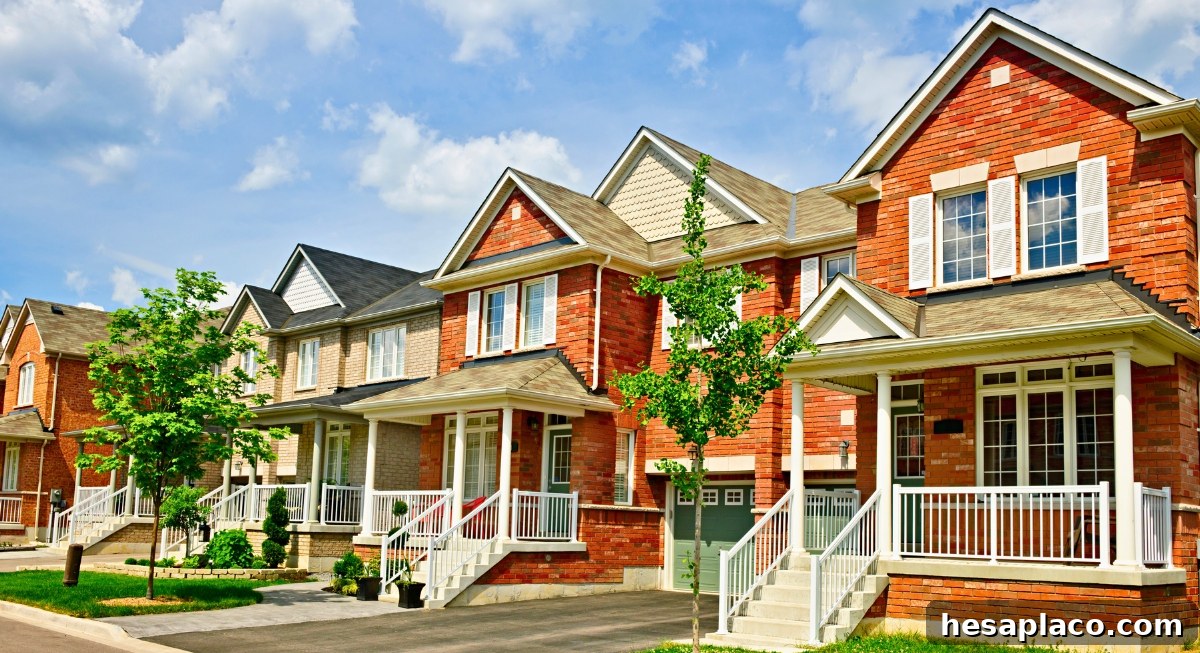
If you’ve been browsing home listings in major U.S. cities recently, you’ve likely experienced sticker shock. What used to be considered expensive now feels out of reach for many prospective buyers. With the national median home price around $530,000, several metropolitan areas command prices that are double—or even triple—that amount. These high prices reflect strong local job markets, limited housing supply, and concentrated regional demand, which is driving more buyers to look beyond traditional hotspots.
San Jose, California
Credit: Wikimedia Commons
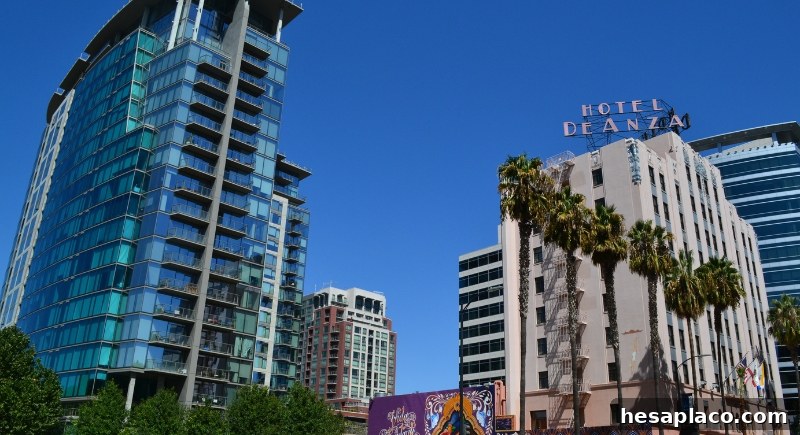
In the heart of Silicon Valley, open houses often feel more like industry gatherings than casual weekend tours. Many buyers come from the same tech firms and understand how competitive bidding can become. By 2025, typical home prices surpassed $1.6 million. Monthly mortgage payments often match or exceed high executive salaries, but stock compensation and equity still give many tech employees an edge that traditional salaried households lack.
San Francisco, California

Credit: Wikimedia Commons
San Francisco’s older housing stock plays a major role in pricing: many buildings date back decades, and replacing or adding housing is slowed by zoning reviews and preservation rules. That limited turnover keeps supply tight. In 2025, it remains common to find small condominiums listed above $1.3 million, especially near transit corridors or major employment centers.
Los Angeles, California

Credit: Wikimedia Commons
Housing in Los Angeles doesn’t fit a single price band. Values vary widely depending on commute times, wildfire and flood risk, insurance costs, and school districts. Many neighborhoods still see listings around the $1 million mark. That price point has pushed numerous middle-income buyers farther inland, where homeownership is more attainable and monthly payments are easier to manage.
San Diego, California

Credit: pexels
San Diego’s housing demand is shaped by military transfers, biotech hiring cycles, and seasonal tourism employment—factors that can be easy to overlook from outside the region. Many homes sell for over $1 million. Coastal building restrictions and lengthy environmental reviews can delay new projects for years, preventing supply from keeping pace with population growth.
Seattle, Washington

Credit: Wikimedia Commons
Seattle is still feeling the effects of the tech hiring surge from the 2010s. Neighborhoods built for smaller populations never fully caught up with demand, and land and permitting constraints keep new housing slow to arrive. Homes near major employment corridors commonly trade around or slightly below $1 million, and long permitting timelines continue to restrict new construction.
Boston, Massachusetts
Credit: Wikimedia Commons
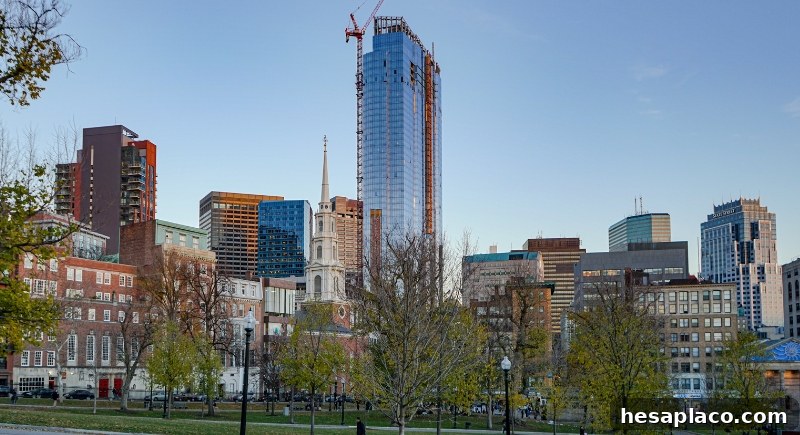
In Boston, conversations about housing often begin with universities and medical centers, which generate a steady flow of renters and buyers year-round. Some homes now sell above $1 million, particularly those close to transit lines and medical campuses. The city’s older building stock and the cost of renovations also push prices higher than buyers often expect.
Honolulu, Hawaii

Credit: Wikimedia Commons
Most construction projects in Honolulu start with shipping logistics because building materials largely arrive by cargo ship. Those added transport costs increase development expenses long before homes reach the market. Average home prices in the city commonly exceed $700,000. Limited land availability means even small changes in supply can rapidly affect prices across the island.
New York City Metro Area, New York

Credit: Canva
Across the New York metro area, many buyers prioritize commute times and access to transit over square footage. In Manhattan, select neighborhoods routinely see listings exceed $3 million. Throughout the broader metro, average home values often cluster near $700,000, especially in commuter-friendly communities with strong transit connections.
Bridgeport Metro Area, Connecticut

Credit: Getty Images
Many house hunters in the Bridgeport area are priced out of New York but still want access to the same job market. In recent years, prices climbed beyond $650,000 as remote and hybrid work options expanded. Numerous households now trade longer train commutes for larger homes and lower overall living costs compared with the city.
Oxnard, California
Credit: Getty Images
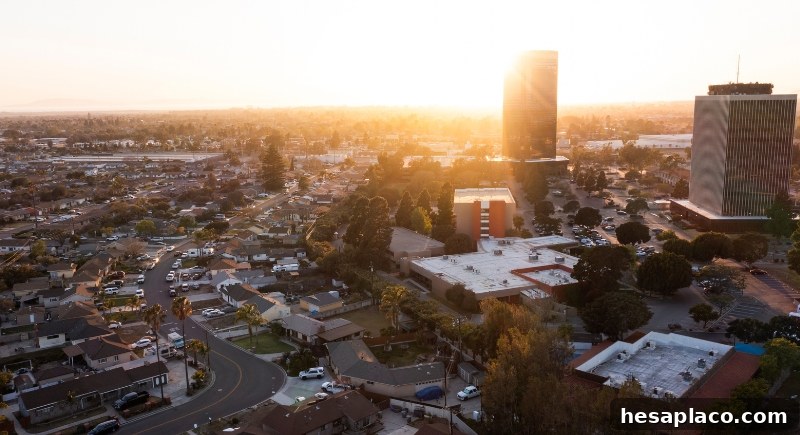
In Southern California, prices rise quickly when you approach the coast, and Oxnard sits within that shift. Many homes in the area now approach $900,000. Agricultural land protections and ocean boundaries limit outward expansion, so even modest population increases can tighten supply faster than buyers expect in Ventura County’s coastal communities.