
Choosing a mortgage lender isn’t exciting, but it’s one of the most important decisions you’ll make when buying a home. The wrong lender can cost you money, create delays, or even derail a purchase. Understanding common mistakes and how to avoid them will help you stay in control of your home-buying process. Below are key pitfalls to watch for and practical advice to keep your mortgage on track.
Not Getting Preapproved
Credit: Getty Images
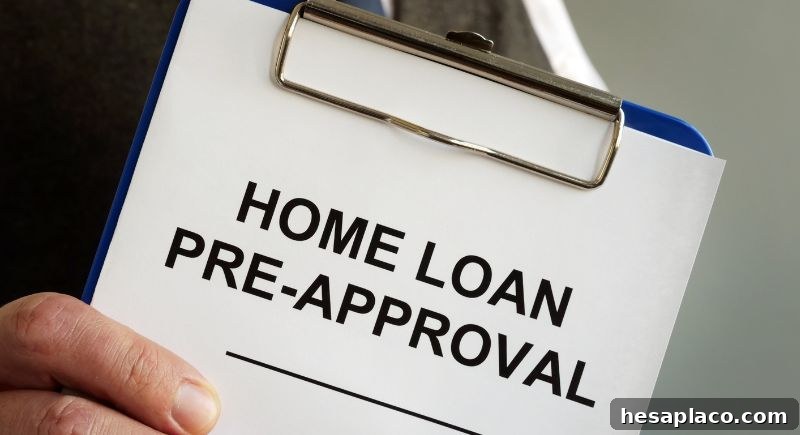
Skipping preapproval is like showing up to a dealership without a budget. Preapproval tells you what you can actually afford and signals to sellers that you’re a serious buyer. It speeds up offers and reduces the risk of surprises later in the process.
Choosing Based Solely On Interest Rate
Credit: bongkarngraphic
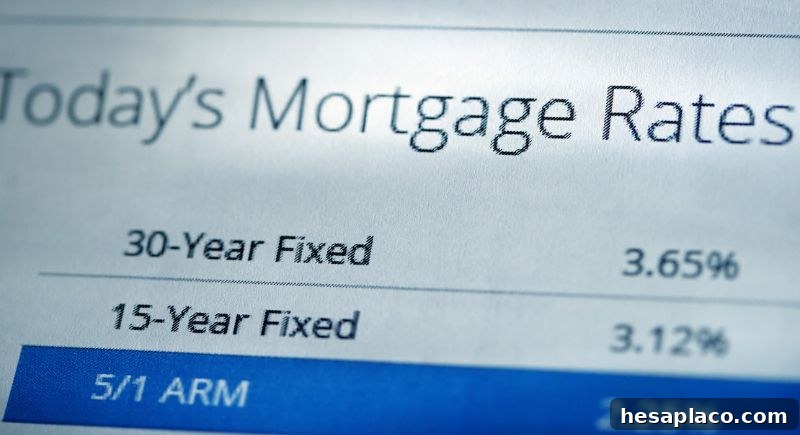
A low interest rate can be appealing, but it’s not the only factor that matters. Lenders with the lowest advertised rates may charge higher fees, provide poor customer service, or impose restrictive terms. Compare the full package—rate, fees, flexibility, and reputation—before committing.
Ignoring Mortgage Insurance

Credit: bongkarngraphic
If you put down less than 20%, mortgage insurance is likely unavoidable. Private mortgage insurance (PMI) or other insurance types can add substantially to your monthly payment and sometimes remain in place for years. Ask lenders how much it will cost, under what conditions it can be removed, and whether any alternatives are available.
Opening New Credit Accounts

Credit: Getty Images
Taking on new credit or opening store accounts before closing can hurt your mortgage approval. New inquiries and increased balances can lower your credit score and raise questions from underwriters. Avoid major credit moves while your loan is in process.
Not Shopping Around

Credit: Getty Images
Accepting the first offer you receive can be costly. Different lenders charge different fees and offer different levels of service. Get multiple Loan Estimates, compare APRs and fees, and consider both large banks and local lenders to find the best overall deal for your situation.
Overlooking Closing Costs

Credit: Canva
Closing costs can add up quickly—commonly ranging from 2% to 5% of the home price and covering items such as appraisal, title insurance, and escrow fees. Request a detailed loan estimate early and budget for these expenses so they don’t derail your purchase at the last minute.
Misjudging Loan-To-Value Ratio

Credit: Canva
Loan-to-value (LTV) ratio matters to lenders because it indicates risk. A lower LTV—achieved by a larger down payment or a higher appraised value—usually results in better rates and terms. Factor LTV into your financial plan rather than focusing only on the home’s sticker price.
Adding Excessive Debt

Ctedit: Canva
Taking on new loans or charging large balances before closing can raise your debt-to-income (DTI) ratio and jeopardize approval. Keep existing debt steady and avoid financing big purchases until your loan has closed.
Underestimating Homeownership Costs

Credit: Getty Images
Owning a home includes more than a mortgage payment. Budget for property taxes, homeowner’s insurance, utilities, routine maintenance, and unexpected repairs. A realistic cash reserve will help you handle the ongoing costs of ownership without stress.
Skipping Home Inspection

Credit: Getty Images
Forgoing an inspection to speed up a deal can be costly. A professional inspection uncovers issues—electrical, plumbing, structural, or pest-related—that can require significant repairs. Know what you’re buying before you commit.
Delaying The Process

Credit: pexels
Procrastinating on rate locks, document submission, or requested clarifications can cost you. Mortgage rates can change quickly, and delays may lengthen processing or allow conditions to shift. Stay organized and responsive throughout the transaction.
Neglecting Credit Score
Credit: Getty Images
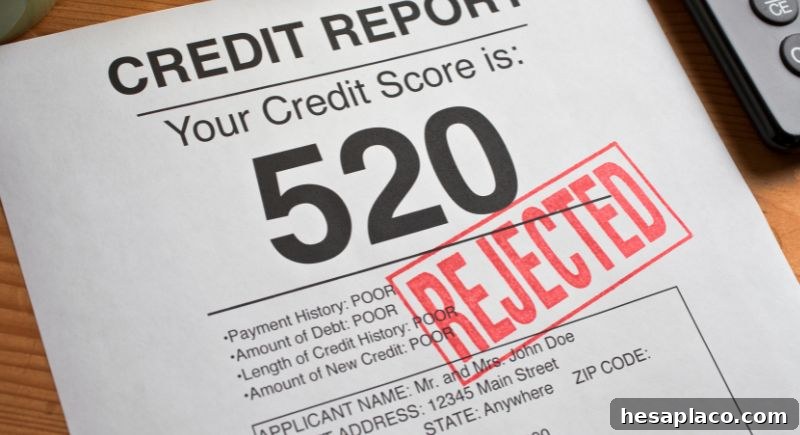
Your credit score affects the rates and loan options available to you. Check your score early, correct any errors, and improve it where possible before applying. Even modest improvements can reduce interest costs over the life of the loan.
Overlooking Loan Terms
Credit: Getty Images
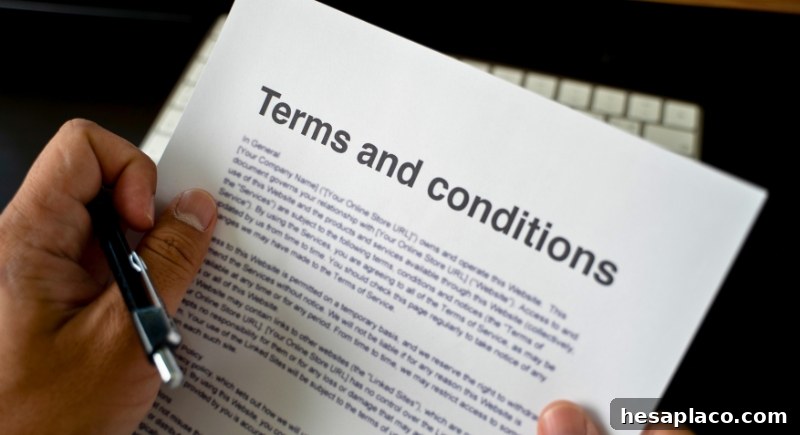
Don’t focus only on the monthly payment; read the terms carefully. Loan length, prepayment penalties, adjustable-rate features, and balloon payments all affect the total cost and flexibility of your mortgage. Understand long-term implications before signing.
Not Asking for References

Credit: studioroman
Ask for references from recent clients or check reviews from people who have worked with the lender. Firsthand experiences reveal how responsive, transparent, and reliable a lender is during closing and after. Hesitation or defensiveness about references is a red flag.
Ignoring the “Builder Buydown”

Credit: iStockphoto
Builder buydowns can reduce early payments but are usually temporary. Buyers sometimes focus only on the initial lower payment and forget to calculate what their monthly obligation will be once the buydown ends. Confirm the long-term payment schedule before accepting such offers.
Overlooking the “APR vs. Interest Rate” Gap

Credit: pexels
The stated interest rate tells you the nominal cost of borrowing, while APR reflects interest plus most lender fees. Comparing APRs gives a clearer picture of the total cost. A slightly higher rate with lower fees can be cheaper overall, so evaluate both metrics.
Being informed and proactive can make a big difference in your mortgage experience. Shop thoughtfully, read the fine print, and ask direct questions about fees, timelines, and contingencies. With preparation and attention to detail, you’ll avoid common missteps and secure a mortgage that fits your financial goals.