For many people, tea is an everyday ritual: heat water, steep leaves, and continue with the day. Yet at the top end of the market, certain teas command prices that rival luxury cars and watches. Rarity, age, provenance, and the labor involved in production drive those figures. Some varieties are harvested in minuscule quantities, others are aged for decades, and a few require exceptionally careful processing. This article highlights some of the rarest and most valuable teas, where deep tradition meets serious money.
Gyokuro ($500 per pound)
Credit: Wikimedia Commons
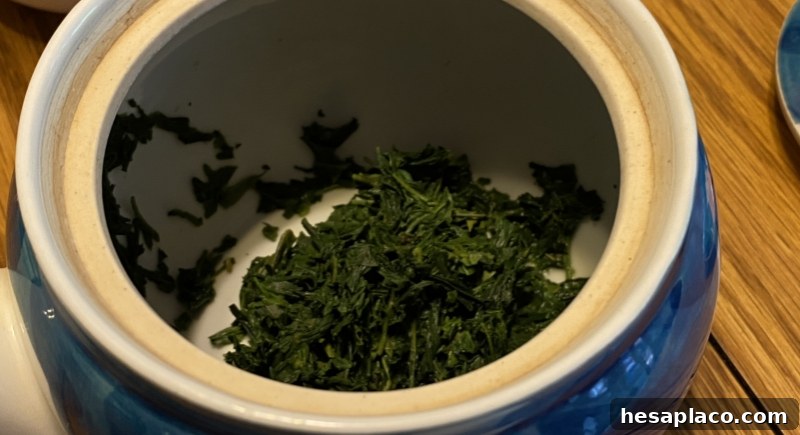
Gyokuro’s striking green hue reflects a distinctive growing method: the tea plants are shaded for roughly three weeks before harvest. This shading raises amino acid levels and reduces yield, producing a cup that is rich, subtly sweet, and deeply savory. Exceptional Gyokuro can fetch around $500 per pound. Because of its appealing flavor profile, many aficionados drink it frequently rather than reserving it only for special occasions.
Silver Tips Imperial ($3,000–$10,000 per kilogram)
Credit: Facebook
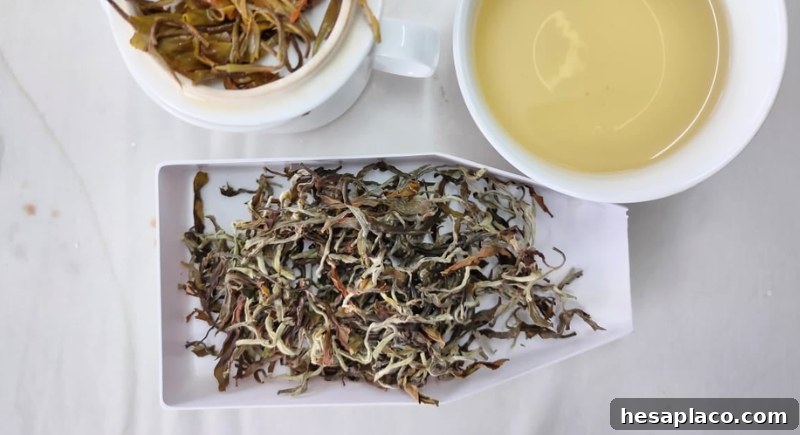
Silver Tips Imperial consists exclusively of unopened leaf buds, each hand-picked within a narrow harvest window. The most coveted lots come from select estates in India and Sri Lanka. Low yields and precise timing mean that when season, quality, and demand line up, auction prices can climb into the thousands per kilogram.
Junshan Yinzhen ($3,000 per kilogram)
Credit: Wikimedia Commons
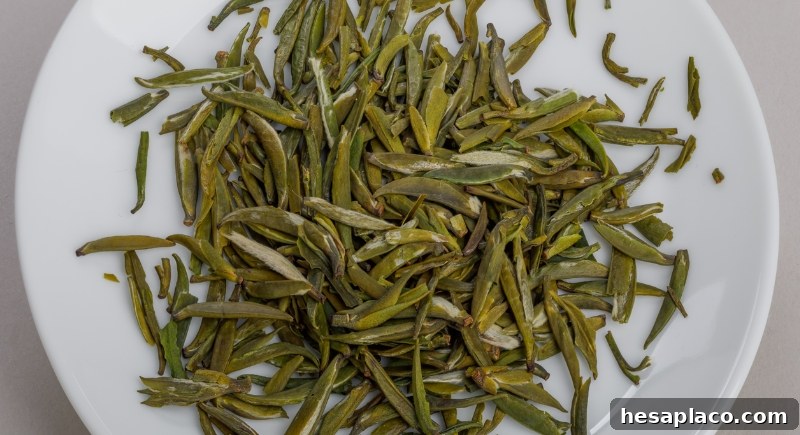
Junshan Yinzhen is harvested on a small Chinese island and has long imperial associations. Its production involves slow, meticulous processing that curtails output. Beyond scarcity and tradition, the extensive care required to produce authentic Junshan Yinzhen contributes to its elevated price among connoisseurs.
Yellow Gold Tea Buds ($3,000 per kilogram)
Credit: Instagram
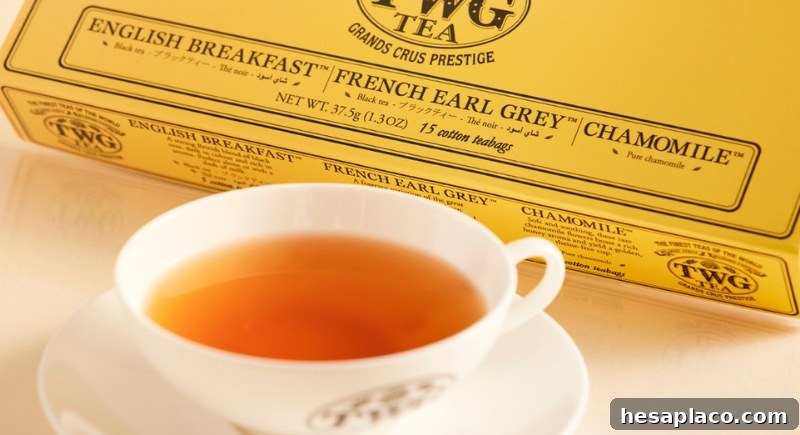
Yellow Gold Tea Buds are notable for their showmanship. Harvesters trim buds with gold-colored scissors and finish them with edible 24-karat gold flakes. The brewed infusion remains delicate and light, while production quantities stay small. Much of the price reflects craftsmanship, novelty, and the appeal of an extravagant gift for collectors or special events.
Longjing ($6,000 per kilogram)
Credit: Wikimedia Commons
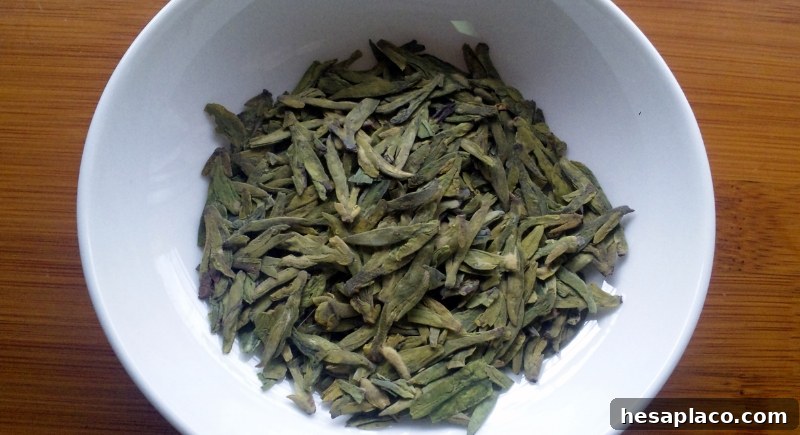
Also called Dragon Well, Longjing is traditionally pan-roasted by hand, a technique that demands precise timing and skilled hands. The most prized harvests are picked in early spring around Hangzhou’s West Lake. When origin, freshness, and reputation converge, top-quality Longjing can reach prices near $6,000 per kilogram during competitive buying seasons.
Vintage Narcissus Oolong ($6,500 per kilogram)
Credit: Reddit
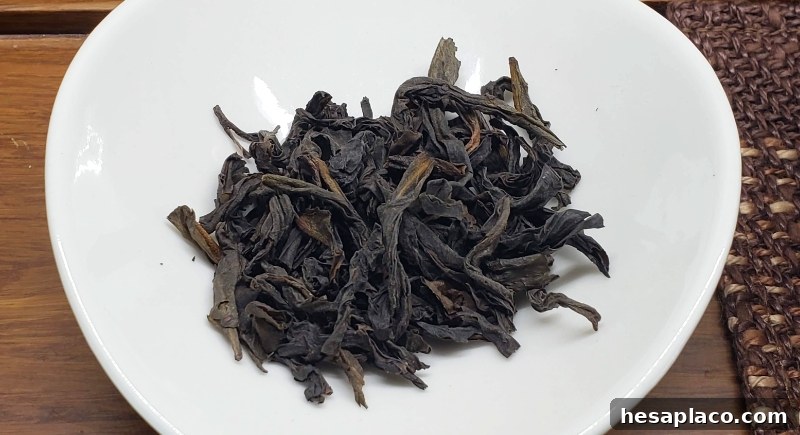
Often known as Shui Xian or Vintage Narcissus Oolong, this tea hails from the Wuyi Mountains and is sometimes aged for years or even decades. Aging deepens its roasted and mineral character while supply dwindles. Proper storage and documented provenance materially affect value, especially among collectors who prize clear origin and careful stewardship.
Luxury Concept Teas (Up to $15,000 per serving)
Credit: Canva
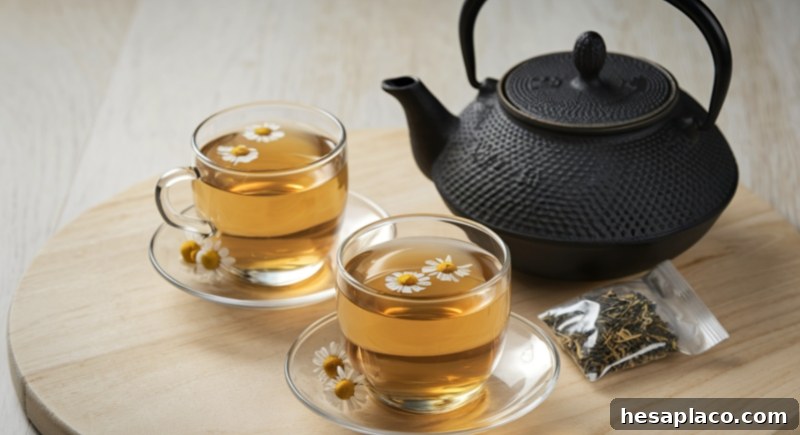
Some brands emphasize presentation as much as taste, creating limited-edition offerings with jewel-studded sachets, gold accents, or elaborate packaging. These concept teas are aimed at collectors and luxury buyers; on rare occasions, a single serving has sold for thousands. The price typically reflects design, exclusivity, and the narrative surrounding the release.
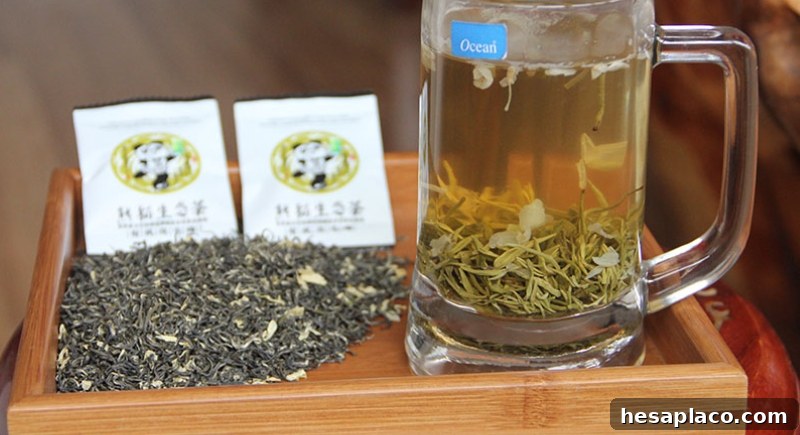
Panda Dung Tea ($70,000 per kilogram)
Credit: Wikipedia
Panda Dung Tea originated in Sichuan and uses fertilizer derived from panda droppings, which are nutrient-rich because pandas ferment and retain little digestible nutrition. Output is extremely limited, and early releases attracted intense media attention for their novelty. That attention, combined with scarcity, helped push initial prices to around $70,000 per kilogram.
High-Auction Ceylon Teas (Record Prices Vary by Auction)
Credit: Wikimedia Commons
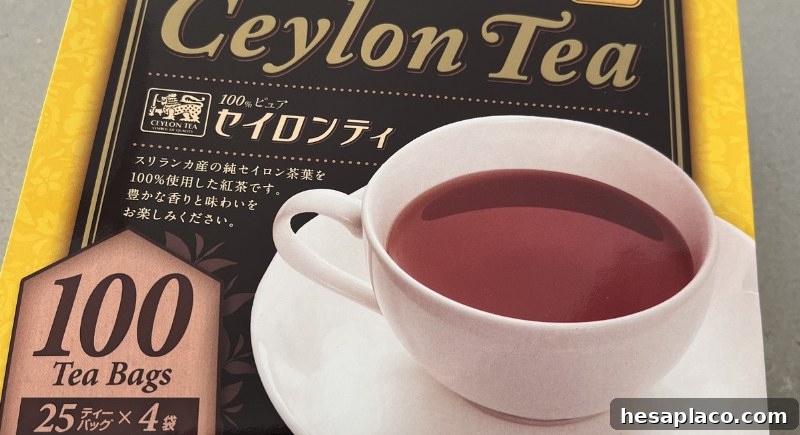
Top lots of Ceylon tea have fetched remarkable sums at specialty and charity auctions, notably in Japan. Prices depend on estate reputation, harvest quality, and competitive bidding. In exceptional cases, certain lots have sold for amounts more commonly associated with fine art or rare collectibles, reflecting both the prestige of the estate and the excitement of high-stakes auctions.
Da Hong Pao ($1.2 Million per kilogram)
Credit: Wikimedia Commons
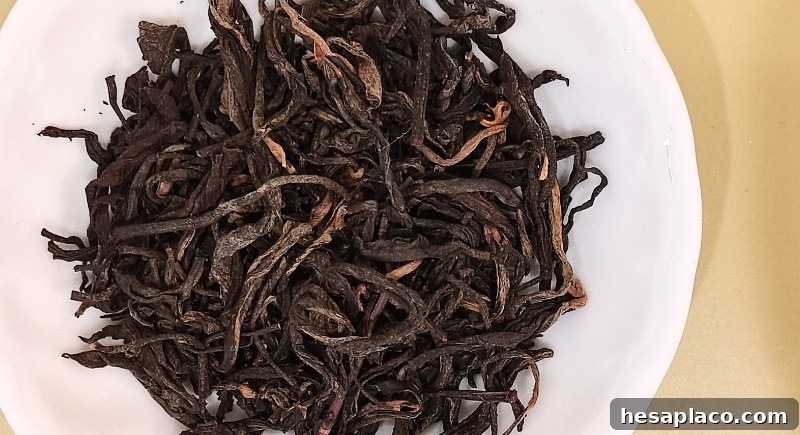
Da Hong Pao occupies a category unto itself. The original mother bushes grow on the cliffs of the Wuyi Mountains in China and are believed to be centuries old. Harvests are minuscule, and the plants enjoy state protection. Historic auctions have reported astounding prices approaching $1.2 million per kilogram, figures that reflect extreme rarity, cultural significance, and centuries of prestige.