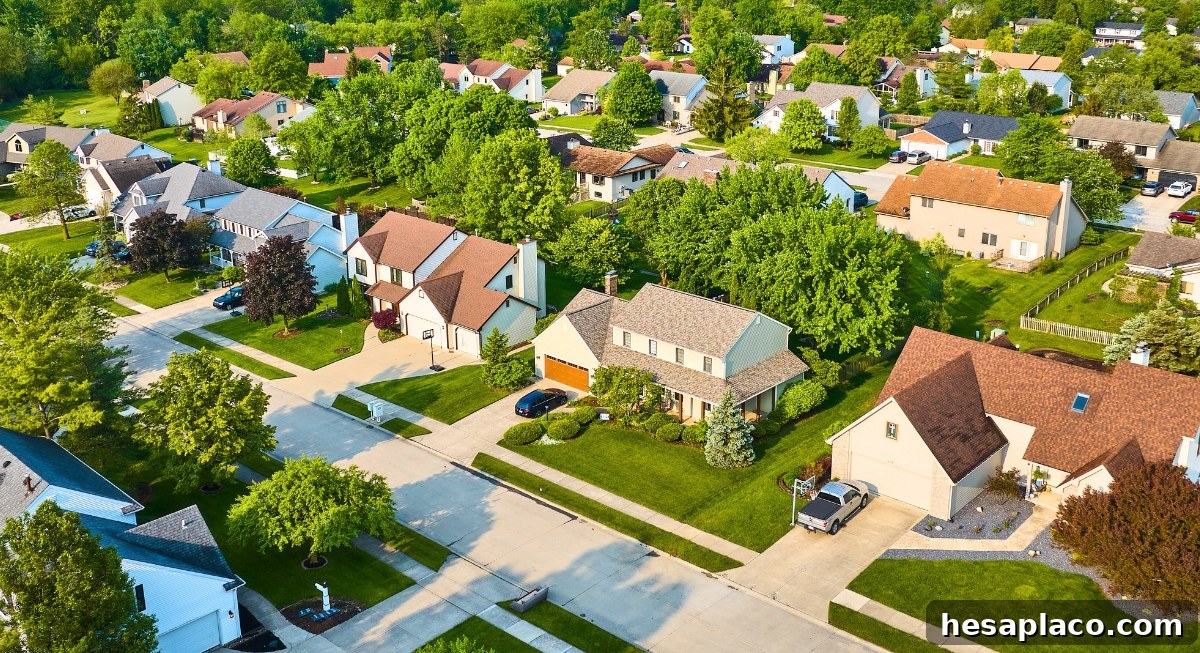
Higher borrowing costs and uneven home prices have reshaped how short-term rental investors evaluate markets. Demand has stabilized since the post-pandemic surge, and investors increasingly favor cities with steady, year-round activity rather than highly seasonal destinations. Priority factors now include affordable entry prices, reliable local travel flows, resilient infrastructure, and pricing that leaves room for profitable returns. The ten U.S. cities below meet those criteria, offering workable home prices, consistent bookings, and returns that look sustainable into 2026.
Port Arthur

Credit: Wikimedia Commons
Port Arthur stands out as a Gulf Coast market driven primarily by industry rather than leisure tourism. With average home prices near $243,000, entry costs remain reasonable for investors. Short-term rentals here benefit from steady demand tied to refinery operations, port activity, and contractor housing for energy projects. The new LNG terminal and ongoing industrial activity add pressure to local housing supply, while nearby state parks and occasional cruise departures help maintain occupancy without relying exclusively on seasonal visitors.
Akron
Credit: Wikimedia Commons
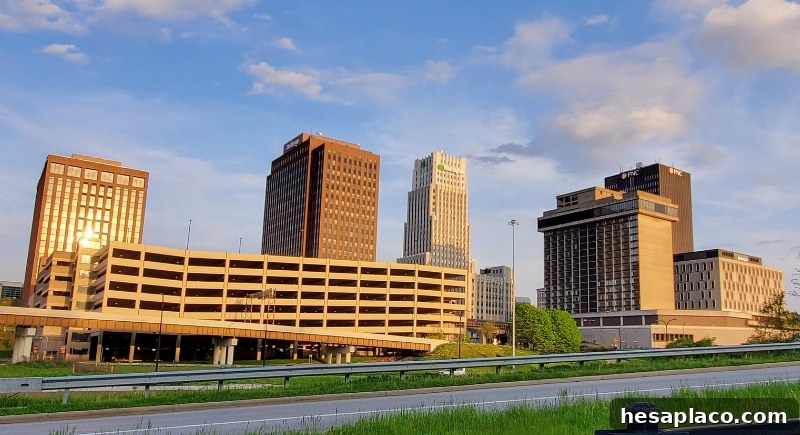
Akron’s short-term rental market is supported by strong healthcare systems, multiple universities, and a manufacturing base. Proximity to Cuyahoga Valley National Park brings leisure demand that supplements steady institutional bookings. With average home prices around $297,000 and occupancy rates commonly above 60%, Akron benefits from a mix of weekend and midweek stays—many guests arrive for work or medical reasons, which smooths revenue across the year.
Abilene
Credit: Wikimedia Commons
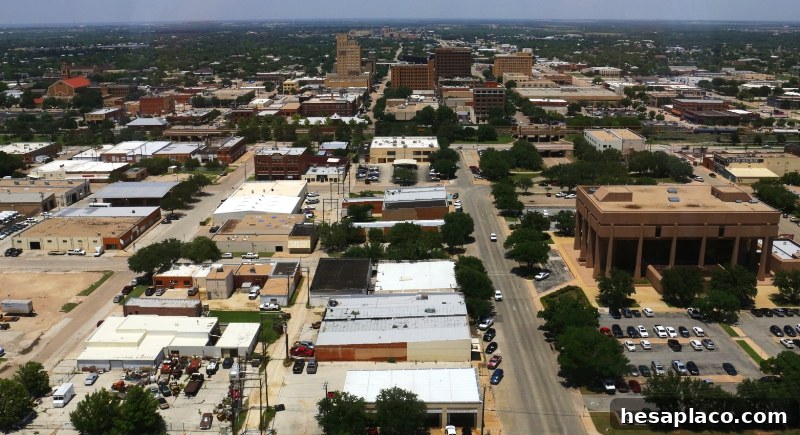
Abilene remains an affordable option for investors, with average home prices near $336,000. Consistent lodging demand stems from Dyess Air Force Base—military personnel, contractors, and visiting families create predictable bookings throughout the year. The presence of hospitals and universities adds steady midweek demand, while large technology and infrastructure projects draw engineers and support staff who often prefer furnished rentals to hotels for longer stays.
Lebanon
Credit: Wikimedia Commons
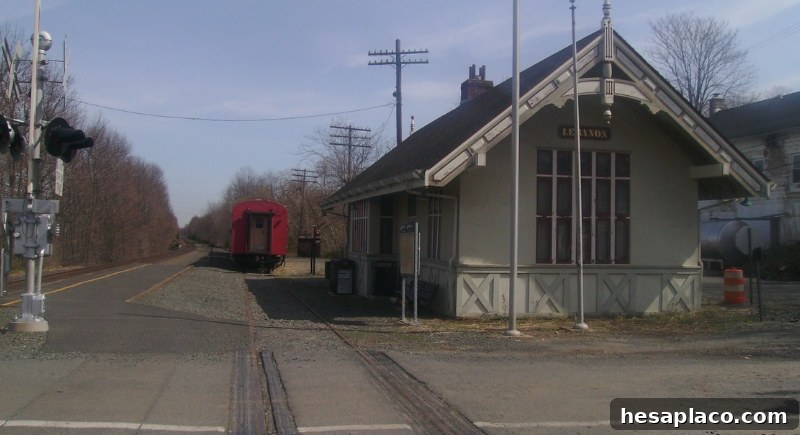
Lebanon attracts visitors seeking lower lodging costs while traveling through Central Pennsylvania or attending nearby events. Its closeness to Fort Indiantown Gap produces regular military-related stays that fill calendars beyond peak tourist seasons. With average home prices around $265,000, the market often sees family-sized bookings and longer stays that support steady income for short-term rental owners.
Springfield
Credit: Wikimedia Commons
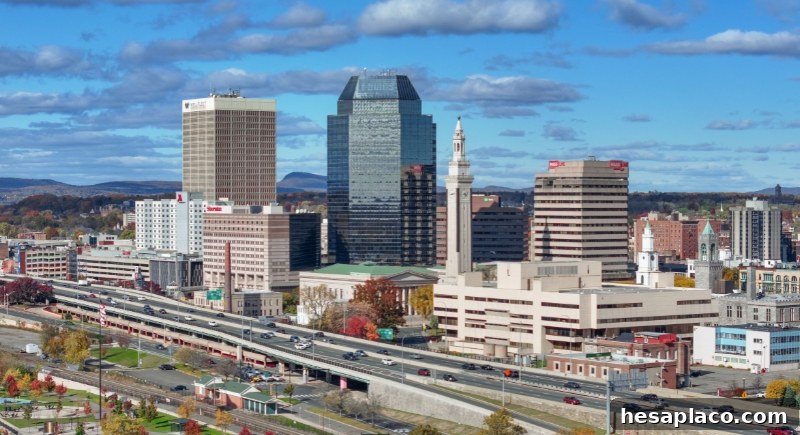
Government activity quietly underpins Springfield’s short-term rental market. As the Illinois state capital, the city draws lawmakers, staffers, and consultants year-round, creating dependable occupancy. Historical attractions related to Abraham Lincoln add a tourism layer, while major annual events—like the Illinois State Fair, which attracted over one million visitors in 2025—produce predictable seasonal spikes. Average home prices hover near $262,000, making short-term rental investments here attractive for those targeting stable, event-driven demand.
Lake Charles
Credit: Wikimedia Commons
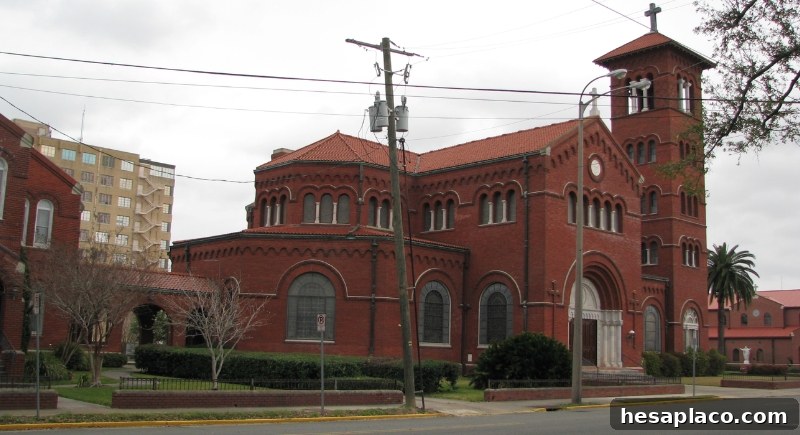
Lake Charles offers steady demand from extended business travel. Energy facilities, shipping operations, and aviation maintenance attract contractors and specialist crews who often opt for furnished homes instead of hotels, which supports longer bookings and lower turnover. Property prices average around $287,000, and the presence of casinos and nearby wildlife refuges encourages weekend leisure stays that complement the business-driven occupancy.
Downtown St. Paul
Credit: Wikimedia Commons
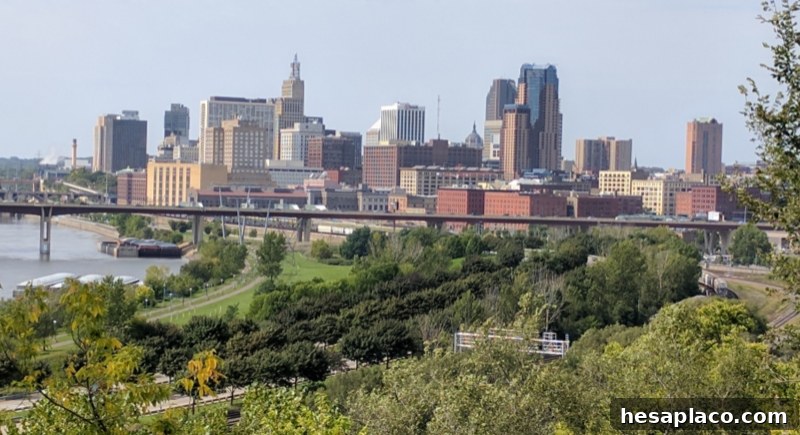
Downtown St. Paul combines big-city demand with relatively manageable prices. The state capital’s legislative schedule brings lawmakers, lobbyists, and officials, while the medical sector and corporate travelers add consistent midweek demand. Cultural attractions and venues—such as the Xcel Energy Center, the Science Museum of Minnesota, and the Cathedral of Saint Paul—generate weekend traffic. Average property prices are about $331,000, and typical annual revenue near $45,000 makes central St. Paul a balanced option for investors seeking predictable earnings.
Charleston
Credit: Wikimedia Commons
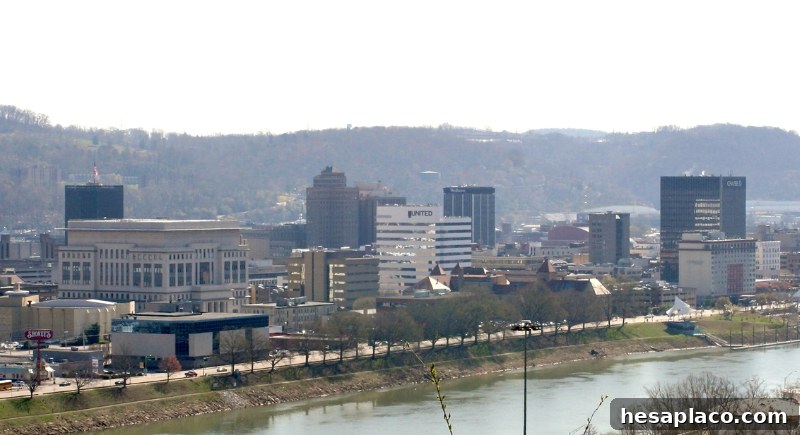
West Virginia’s largest city offers an attractive entry point—average property prices near $228,000—with reported gross yields around 14.1%. The Charleston Area Medical Center is a major employer that draws patients and visiting families, while chemical plants and energy firms in the Kanawha Valley bring engineers and contractors who book extended stays. As the state capital, Charleston also sees steady government travel and year-round events at the downtown civic center, providing diversified demand streams.
Montgomery
Credit: Wikimedia Commons
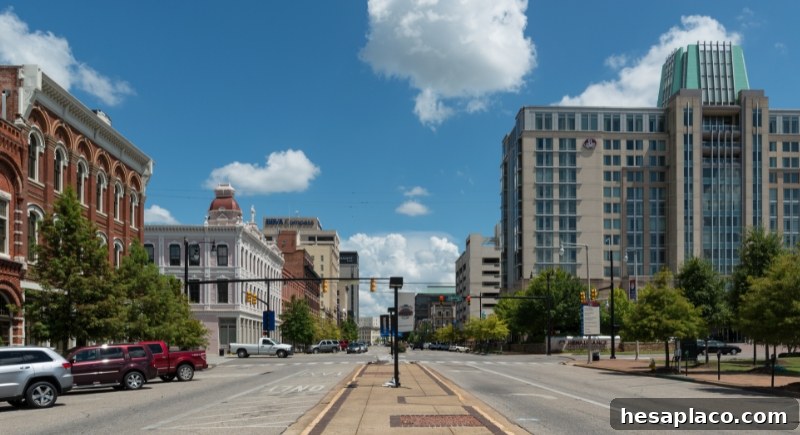
Montgomery sits toward the higher end of the price range on this list, with average property values around $342,000, yet it still delivers attractive returns—about a 12.2% yield. Government travel, higher education institutions, and regional tourism provide a steady mix of guests. State employees, medical professionals, and university visitors form the base of reservations, making Montgomery less sensitive to downturns that often hit vacation-dependent markets.
Jackson
Credit: Wikimedia Commons
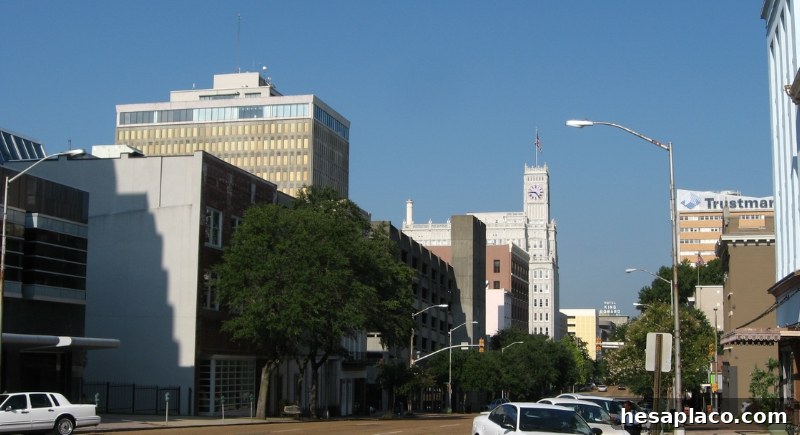
Jackson rounds out the list with the highest average home price among these cities—about $366,000—yet still posts solid gross yields near 11.9%. Anchors such as the University of Mississippi Medical Center and Jackson State University create dependable demand, while the Jackson Convention Complex hosts regional events. Cultural institutions like the Mississippi Civil Rights Museum and the Mississippi Children’s Museum boost weekend and school-break bookings. Booked listings increased roughly 11.6% in 2025, reflecting rising investor interest in the market.
Across these markets, the common thread is dependable, non-seasonal demand driven by employment, government activity, medical care, education, and infrastructure projects. For investors focused on sustainable returns in a higher-rate environment, targeting cities with diversified demand and affordable entry prices can reduce risk and produce steadier cash flow through 2026 and beyond.