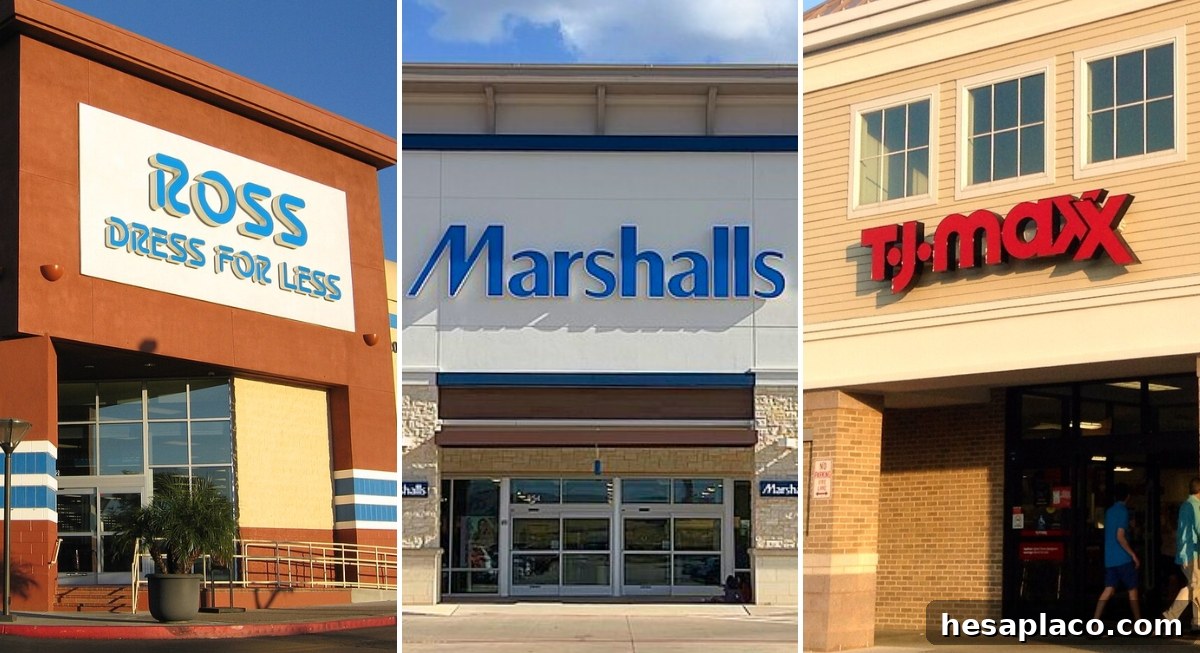
Shopping at off-price retailers becomes far more productive once you understand how their apparent disorder actually benefits shoppers. These stores don’t operate on the neat restocking cadence or pristine merchandising standards of traditional retail. Shipments arrive in waves, prices change frequently, and displays shift constantly. That unpredictability is where the best deals are found.
Adjusting your expectations away from a typical retail experience and toward thinking of these outlets as fast-moving warehouses makes the process simpler and more rewarding. A bit of patience, curiosity, and well-timed visits can turn what looks like a lucky find into intentional savings. Below are practical, tested strategies to help you shop smarter at off-price stores.
Shop Early on Weekday Mornings

Credit: Getty Images
Arrive shortly after opening and the store will look very different than it does later in the day. Racks are fuller, shoe walls tend to still have pairs together, and merchandise hasn’t been picked through. Most deliveries are processed overnight or in the early morning, so new inventory is most visible right after the store opens. By midday, popular sizes and recognizable brands are often gone.
Learn the Color Tag System
Credit: Reddit
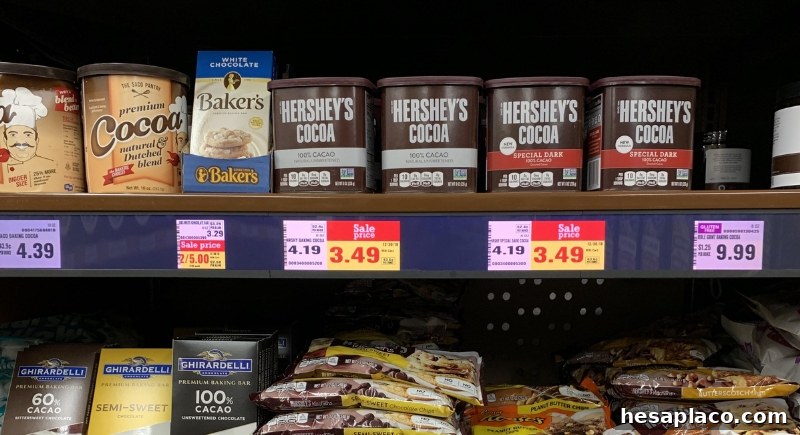
Many off-price chains use color-coded tags or stickers to mark items’ pricing stages. For example, a red sticker might indicate clearance, yellow can signal a final markdown, and certain colors at specific stores highlight designer or overstocked items. Some chains hide the same clues in date codes rather than color. Learning how to read these tags will speed decision-making and help you recognize true bargains.
Check Items for Minor Damage

Credit: pexels
Small flaws can work in your favor. A loose button, a tiny chip on a mug, or a dented box often won’t affect the item’s usefulness, and associates may be able to mark those items down further. Politely asking at checkout about a modest additional discount on noticeably damaged goods can sometimes reduce the price without drama. It’s worth inspecting pieces closely if you want the best value.
Compare Prices Before Buying

Credit: Getty Images
That prominent “compare at” price is intended to nudge you toward a quick purchase. It reflects what an item might sell for elsewhere, not the price people actually pay today. Taking a few moments to check a brand’s website or a major retailer gives real context. A quick search turns an impulsive “deal” into an informed choice so you know whether you’re truly saving.
Buy It When You See It

Credit: Getty Images
When you find the right size, color, and price, it’s often a one-time alignment. Off-price inventory moves quickly and restocks are unpredictable. Shoes get separated from their pairs, coats disappear overnight, and accessories infrequently reappear. If an item fits and meets your standards, walk away only if you’re certain you won’t regret it—waiting can mean missing it altogether.
Shop in January and July
Credit: pexels
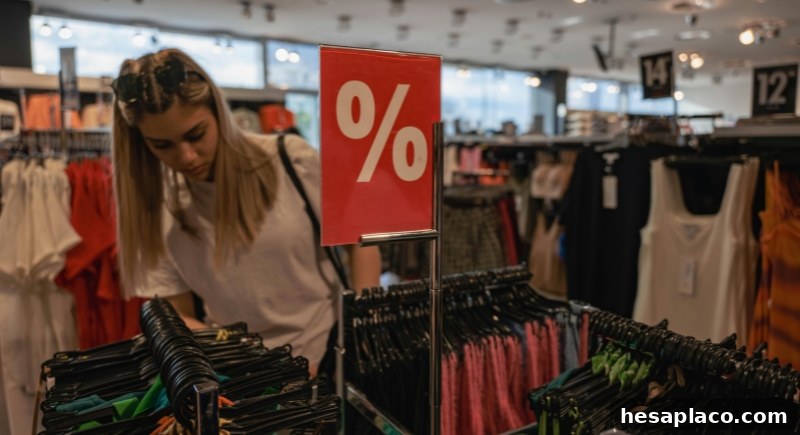
Seasonal resets are messy, but they’re also when stores loosen prices to clear space. January typically clears holiday leftovers and heavy winter gear, while July shifts out summer items to make room for upcoming fall stock. Those transitional periods often yield steep markdowns on merchandise that was priced higher just weeks earlier.
Visit Multiple Locations

Credit: Wikimedia Commons
Stores that share a brand name can still carry vastly different inventory depending on location. Stock reflects neighborhood demand and what nearby customers tend to return or leave behind. One store might be rich in designer clothing while another focuses on home goods. Visiting multiple locations, especially in different neighborhoods, increases your odds of finding exactly what you want.
Use Discounted Gift Cards First

Credit: Facebook
Buying discounted gift cards reduces your effective spend across purchases. Marketplaces often sell off-price retailer gift cards below face value, which means every purchase you make stretches a little further. Because these cards typically work across the retailer’s sister stores, the savings follow you regardless of which location you visit.
Know the Best Departments
Credit: yelp
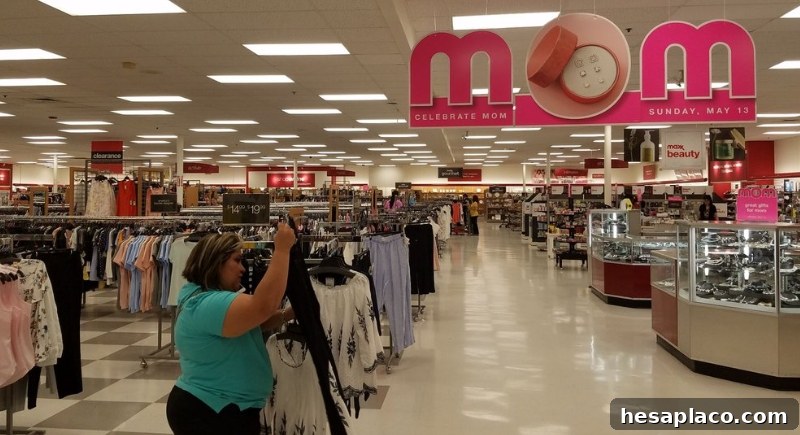
Some sections reliably deliver better value. Footwear, cookware, bedding, and handbags often arrive with deeper, steadier discounts because those categories move predictably and sizes or styles are easier to accommodate. Trend-driven apparel is more hit-or-miss. Focusing on dependable departments makes each shopping trip feel targeted rather than a gamble.
Track New Shipment Patterns

Credit: Getty Images
Frequent shoppers soon notice rhythms: certain days when racks look fuller, or the shoe shelves seem untouched. These patterns typically track with delivery schedules. Most locations receive trucks several times a week, and staff will often mention timing if you ask casually. Short visits on delivery days usually beat long weekend hunts through leftovers.
In short, off-price shopping rewards patience, observation, and a little strategy. Treat these stores as rotating inventories rather than static showrooms: shop early, learn the tagging language, inspect items for small flaws that might yield extra savings, compare prices when necessary, and visit multiple locations and departments. Over time, those small habits compound into consistent bargains rather than occasional lucky finds.