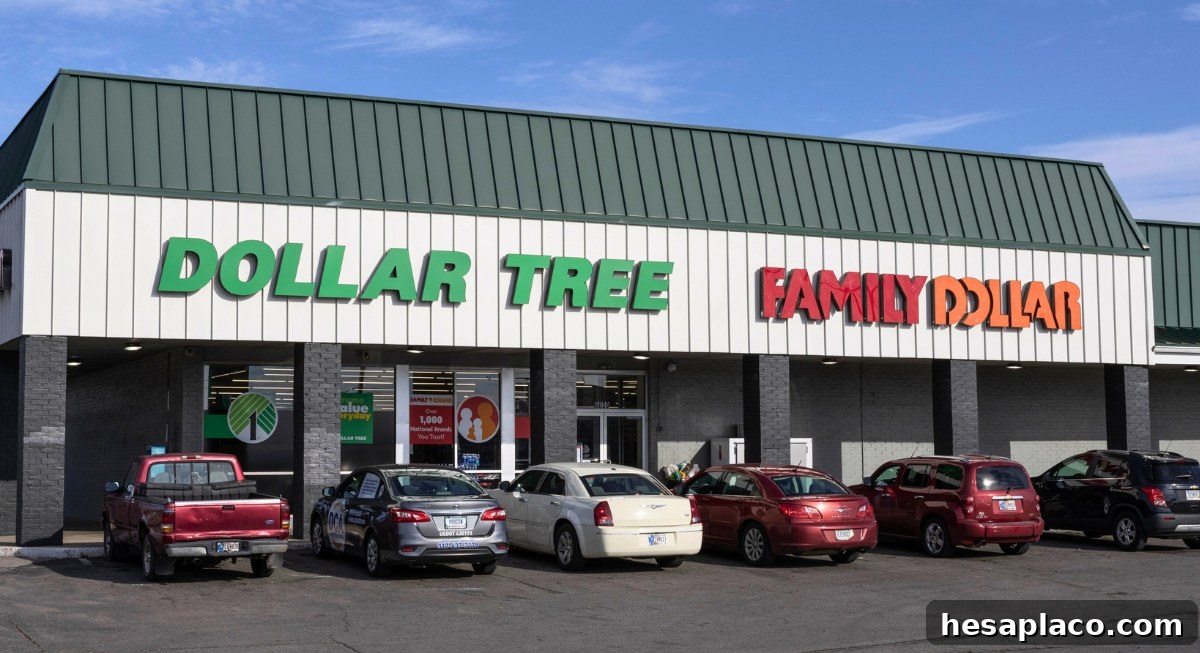
Dollar stores are a favorite for budget-conscious shoppers, and the surprising part is how these retailers remain profitable while offering such low prices. Their success relies on deliberate strategies rather than luck. If you’ve ever wondered how dollar stores keep prices so low and still make money, the reasons are straightforward and often clever.
Bulk Buying Keeps Costs Down
Credit: flickr
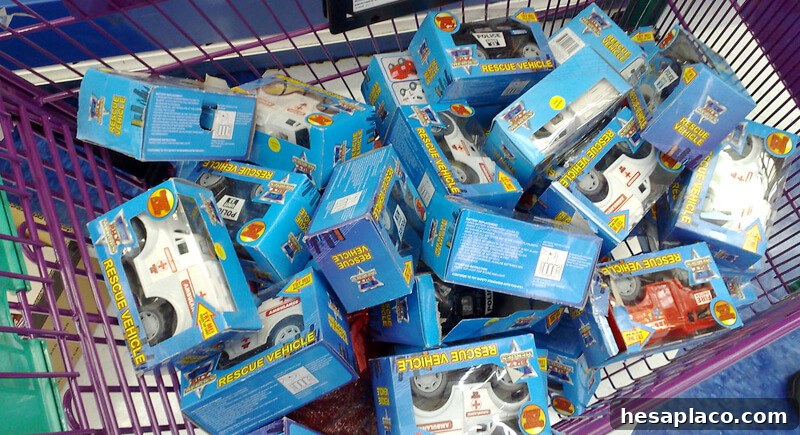
Buying in very large quantities is a cornerstone of the dollar-store model. By purchasing millions of identical units from suppliers, these retailers secure steep volume discounts. Those reduced per-unit costs allow stores to sell items at very low price points while still maintaining a margin. Spreading inventory across many locations further leverages economies of scale.
Tiny Products, Big Profit Margins

Credit: Youtube
Another tactic is selling smaller-sized products. Shrinking package size keeps the shelf price low while preserving or even increasing margins. Consumers see the low price and often feel they’re getting a deal, even if the quantity is smaller than a typical supermarket offering.
Liquidation Deals Fill the Shelves
Credit: Wikimedia Commons
Dollar stores often buy liquidated, overstocked, or returned merchandise from other retailers. These liquidation purchases allow them to acquire perfectly usable products at a fraction of original wholesale costs. Because such items are commonly surplus or out-of-season stock, stores can resell them for less while still realizing a profit.
Inventory Constantly Rotates Stock
Credit: Wikimedia Commons
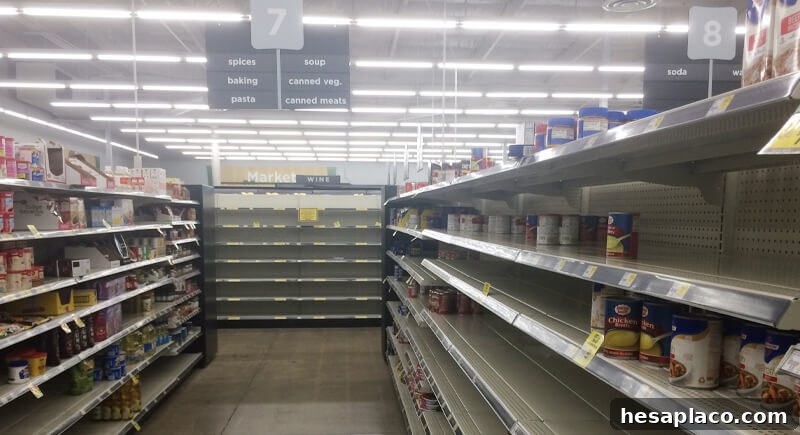
Frequent turnover is built into the business plan. Stores rotate stock based on availability, seasonal opportunities, and liquidation lots, creating a changing assortment that keeps shoppers returning. This rotation encourages impulse purchases because customers know the next visit may reveal new finds.
Pricing Strategy Is Laser-Focused
Credit: Wikimedia Commons
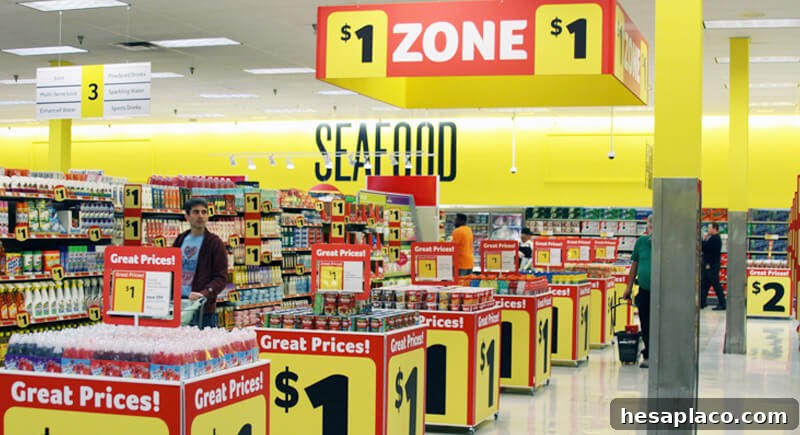
Every price point is deliberate. Dollar stores carefully calculate markups to cover operating costs while still appearing like a bargain. Prices are often set to trigger an emotional response — the “why not?” purchase — which drives high-volume sales that compensate for low per-item margins.
Some Items Cost Over $1

Credit: Youtube
Not everything is a single dollar anymore. Many chains include items priced at $3, $5, or higher, which allows stores to offer bigger or better-quality items while maintaining the perception of affordability. These price tiers broaden the product mix and help increase overall basket value.
Lower Quality Sometimes
Credit: Wikimedia Commons
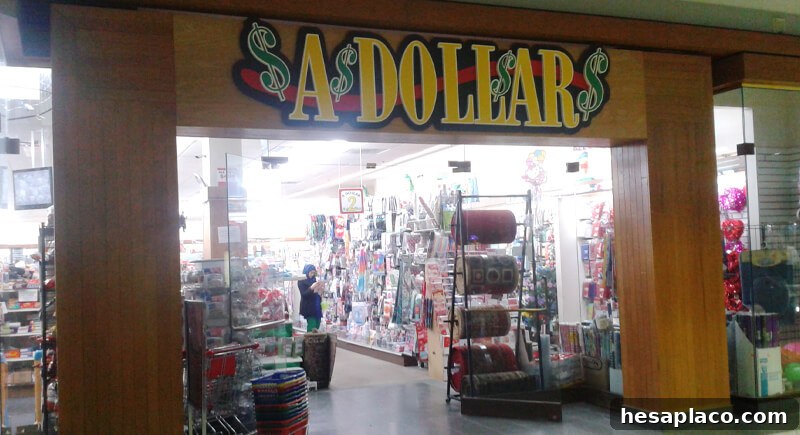
To keep prices low, many products are made from cheaper materials or manufactured to simpler specifications. Quality varies: some items perform well for occasional use, while others may fail sooner than name-brand equivalents. Smart shoppers learn which categories are worth buying and which are better avoided.
Near-Expiry Food Is Common
Credit: Reddit
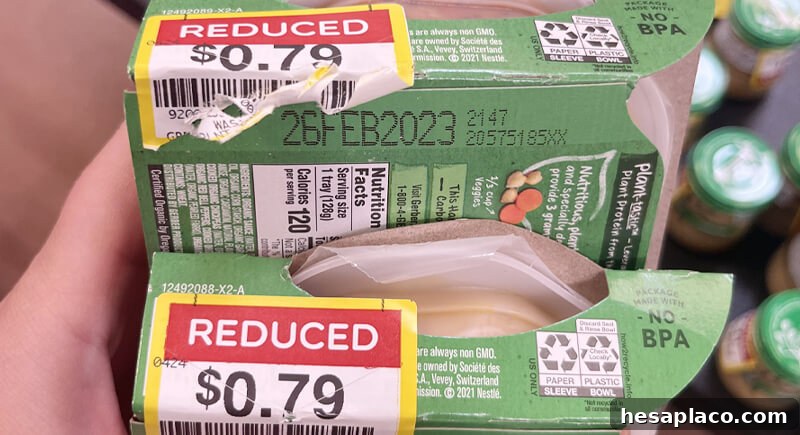
Food items approaching their expiration date are often sold at dollar stores after being purchased at deep discounts. These short-dated goods are typically safe to consume but must be sold quickly. Shoppers can find great bargains on pantry staples, but they should check dates and plan to use the items promptly.
Shoppers Urged to Stock Up

Credit: pexels
Store layout, product placement, and price psychology make it easy to buy more than intended. Items are grouped to encourage add-on purchases, and low price points reduce the perceived cost of each additional item. That “it’s only a dollar” mindset often leads to larger baskets and higher sales volume.
Appeals to All Income Levels

Credit: freepik
Volume is key, and dollar stores aim to attract a broad customer base. By catering to diverse income levels with essential goods and rotating bargains, they generate consistent foot traffic. The more shoppers through the door, the easier it is to maintain low prices overall.
Savings Found Beyond Inventory
Credit: Wikimedia Commons
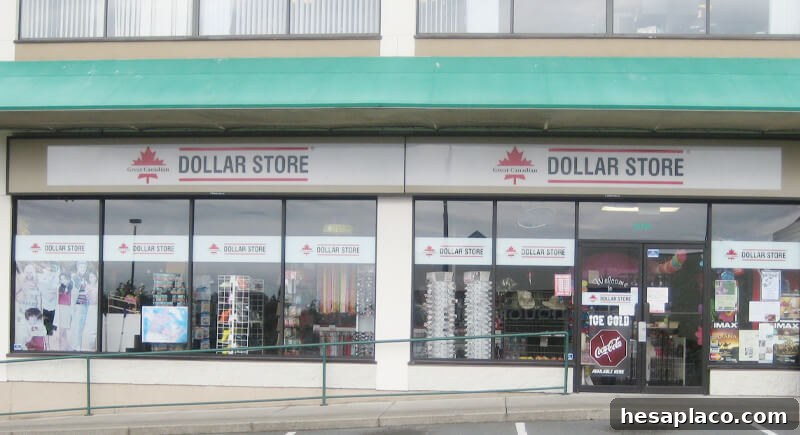
Dollar stores save on more than product costs. Minimal advertising, simple store design, and limited staffing reduce overhead. They prioritize low-cost operations over premium customer experiences, and these savings are largely passed to shoppers in the form of lower prices.
Generic Over Brand-Name Goods
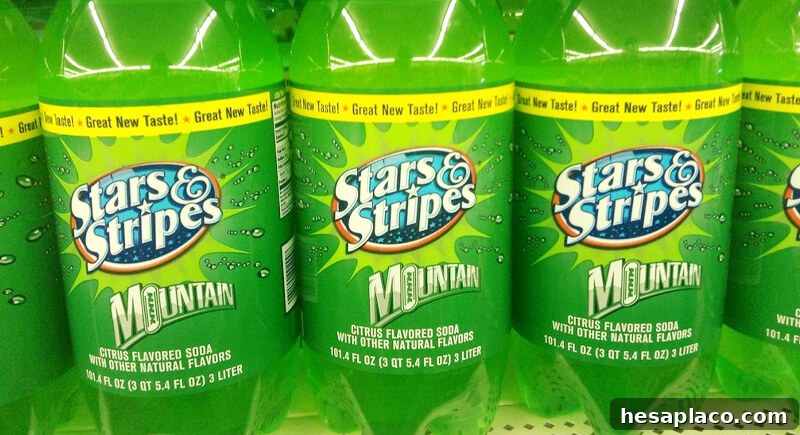
Credit: flickr
Private-label and off-brand products dominate many dollar stores. These alternatives avoid the added costs of national-brand advertising and licensing, yet often perform the same basic functions. By sourcing generic versions, stores keep wholesale prices low and margins manageable.
Stores Operate with Minimal Staff
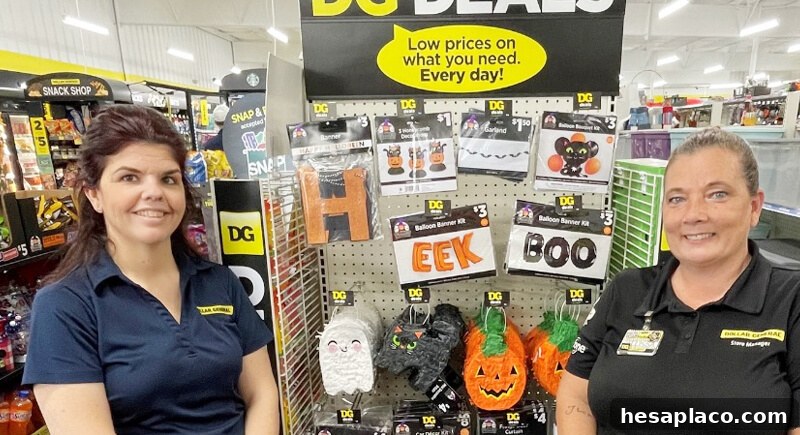
Credit: Facebook
Lean staffing models reduce payroll costs. With straightforward layouts and limited customer service requirements, a small crew can handle checkout and restocking. Fewer employees per store is an intentional efficiency that helps preserve the low-price model.
Locations Chosen for Low Rent
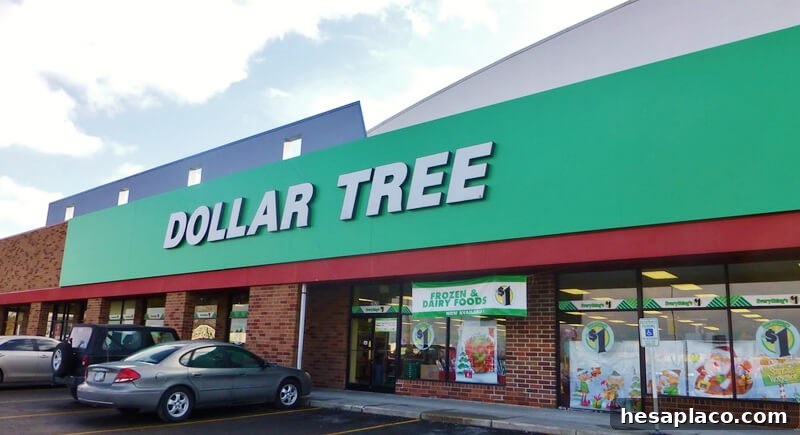
Credit: flickr
Real estate decisions are deliberate. Dollar stores frequently occupy lower-rent spaces—older strip malls, secondary shopping corridors, or underserved neighborhoods—where leases are cheaper. Lower rent helps keep overall operating costs down and allows stores to maintain competitive pricing.
Private Labels Are the Secret Superstars

Credit: Reddit
House brands play a major role. By selling private-label goods made to simple specifications and minimal packaging, stores avoid the costs associated with well-known brands. These products keep shelves stocked with low-cost options that still produce reliable profit margins.
The Power of the “Treasure Hunt”
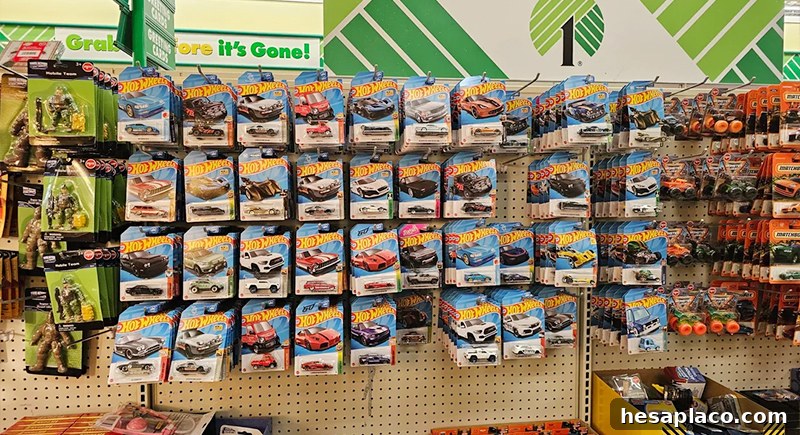
Credit: Reddit
The element of surprise is intentional. Limited runs, one-off deals, and rotating merchandise create a “treasure hunt” experience that drives customers to visit frequently and buy on impulse. Feeling like they’ve found something unique or time-limited increases the likelihood of immediate purchase and repeat visits.