
Your credit cards and other debts don’t vanish simply because you’re incarcerated. Time behind bars can quietly, but severely, damage your financial situation if you aren’t prepared. Interest keeps accruing, collectors keep pressing, and legal consequences can continue while you’re still inside.
Below is a clear guide to how incarceration affects debt and practical steps to safeguard your financial future before, during, and after imprisonment.
Debt Continues to Grow
Credit: Getty Images
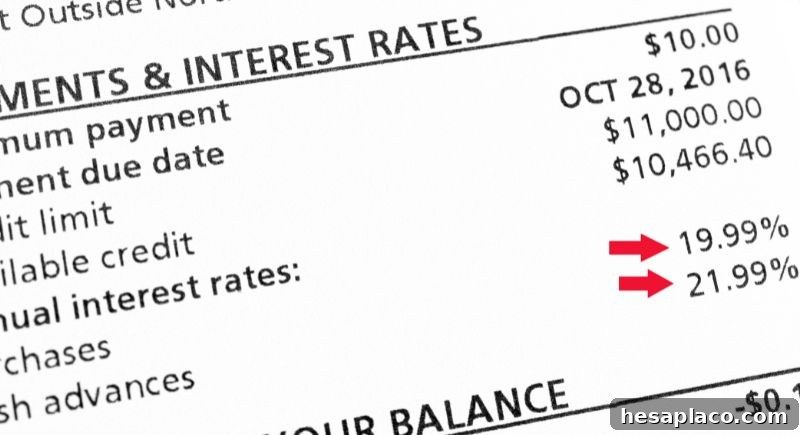
Credit card balances don’t stop escalating when payments stop. Lenders continue to charge interest and apply late fees each billing cycle. The longer payments are missed, the larger the balance grows and the harder it becomes to get back on track.
Collections Follow You Everywhere

Credit: Getty Images
Missed payments can lead a lender to assign or sell the account to a collection agency. These agencies often escalate efforts, including suing to recover the debt. They may contact family members and use every available legal tool to collect—so incarceration does not halt their activity.
Creditors Can Sue While You’re Incarcerated
Credit: pexels
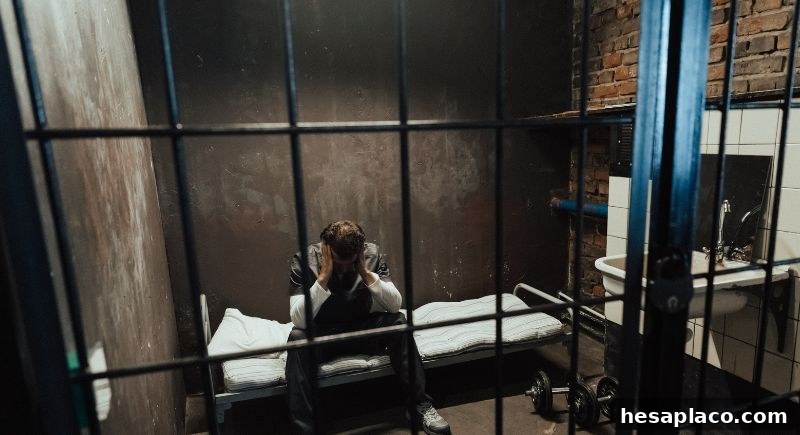
Being jailed does not provide immunity from civil lawsuits. Creditors and collection agencies can sue, and if they obtain judgments they may place liens on property, garnish wages, or seize assets. Even small prison wages have been targeted in some cases. These legal actions can create financial headaches that persist after release.
Your Credit Score Will Likely Fall

Credit: Getty Images
Credit reporting agencies record missed payments and rising balances without regard to incarceration. A damaged credit score affects housing applications, cell phone plans, utility deposits, and job prospects. Rebuilding credit takes time and consistent effort, so addressing problems early is critical.
Fees Accumulate Quickly
Credit: Getty Images
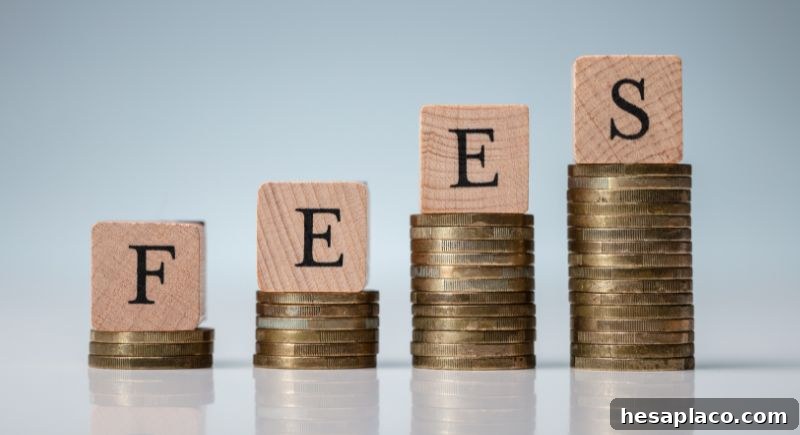
Late fees may seem modest at first, but they compound with interest. Over months or years, what began as a small missed payment can balloon into a much larger obligation. Without someone monitoring accounts, balances can quickly become unmanageable.
Prison Jobs Pay Very Little

Credit: Getty Images
Most correctional facility jobs pay pennies per hour, often less than a dollar. That income is insufficient to cover typical credit card minimums or mounting obligations, making it nearly impossible to address debts while incarcerated without outside assistance.
Contact Lenders Early—Silence Is Costly

Credit: corelens
Many card issuers and lenders offer hardship programs, temporary forbearance, or interest reduction if you (or an authorized representative) notify them before payments lapse. Reaching out proactively may allow you to freeze interest, pause payments, or negotiate an alternative plan. Letting accounts go delinquent without communication almost always increases penalties.
Nonprofit Credit Counseling Can Help—Start Before Incarceration

Credit: pexels
Nonprofit credit counseling agencies can create debt management plans, negotiate lower interest rates, and consolidate payments into a single monthly plan. These services are far easier to arrange before incarceration: once incarcerated, coordinating paperwork and communications becomes more difficult.
Court Fines and Restitution Add Up
Credit: pexels
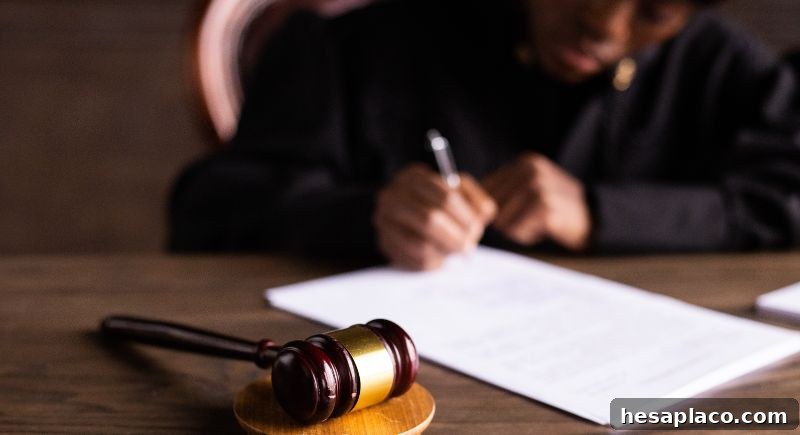
Legal financial obligations—fines, restitution, and administrative fees—are separate from consumer debt but equally burdensome. Unpaid court-ordered payments can affect parole, extend supervision, or result in additional legal consequences if neglected.
Student Loans Still Matter

Credit: Getty Images
Federal student loans may qualify for deferment or income-driven repayment, but they generally don’t pause automatically while you’re incarcerated. If you don’t contact your loan servicer or arrange relief through a representative, loans can become delinquent and ultimately enter default, adding fees and damaging your credit.
Assign a Power of Attorney if Possible

Credit: DAPA Images
Granting a trusted person financial power of attorney allows them to pay bills, contact creditors, and manage accounts on your behalf. Without a legal authorization, others may be unable to act, leaving accounts to worsen. A simple, correctly executed power of attorney can prevent many problems.
Some Facilities Charge Inmate Fees

Credit: pexels
Some jurisdictions impose daily “pay-to-stay” or administrative fees on incarcerated people. These charges can accumulate and leave individuals owing significant sums upon release. Although controversial, such fees exist in multiple places and can lead to later collection actions.
Co-signers and Family Can Be Affected

Credit: Getty Images
If someone co-signed a loan or card, they become legally responsible when payments stop. Lenders can pursue co-signers without notice. Even when family members are not legally liable, they often bear the emotional and financial burden of resolving debts.
Start Rebuilding by Knowing What’s Broken

Credit: Getty Images
After release, pull your credit reports and review every account to understand the full scope of damage. Create a realistic budget, list priorities, and seek help. Reentry programs and nonprofit agencies often provide financial counseling, jobs assistance, and credit-repair guidance. Progress may be slow, but steady steps restore stability.
Consumer Attorneys Can Help

Credit: pixelshot
A consumer protection or debt attorney can explain options like negotiating settlements, defending against lawsuits, or filing for bankruptcy if appropriate. Even a single consultation can clarify risks and potentially save significant money or legal trouble.
Student Loan Delinquency Adds Extra Harm

Credit: Getty Images
Missed student loan payments that aren’t managed through official relief programs can become delinquent and affect credit reports separately from credit card damage. That additional negative reporting makes recovery more difficult and underscores the importance of contacting loan servicers promptly.
Local Jail Fee Changes Don’t Stop Credit Card Interest
Credit: iStockphoto
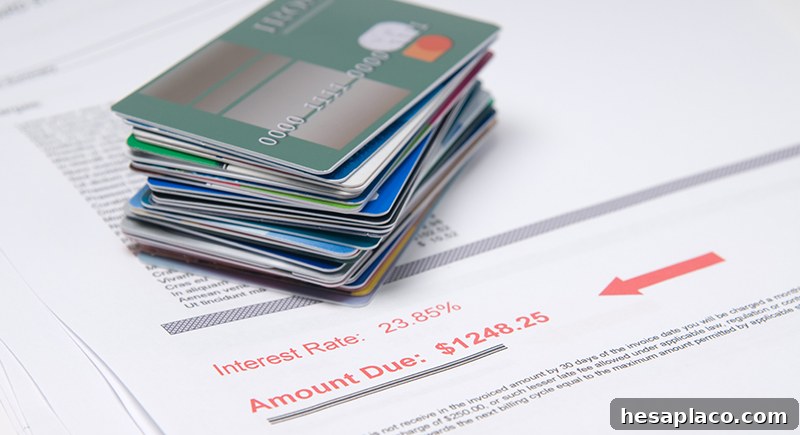
Even where states or counties reduce or eliminate incarceration-related fees, that relief doesn’t affect private credit card agreements. Card issuers continue to apply interest and late fees unless you or an authorized representative make arrangements with them. Addressing financial obligations directly remains essential.