
You know that awkward moment when you open a gift and force a smile? Now imagine that happening at the office, surrounded by colleagues all pretending to love their equally ill-conceived presents. Corporate gift-giving can go spectacularly wrong, and the following real-life stories from employees prove how tone-deaf and poorly planned company gifts can be. These ten workplace gift disasters highlight avoidable mistakes—misspellings, impractical offers, regifts with evidence attached, and benefits that benefit only the owners. Read on for examples that will make you appreciate even the most mediocre holiday swag your company has ever handed out.
The Misspelled Coffee Mug

Credit: Canva
Branded merchandise is a common corporate gift, but when a large company distributed coffee mugs they’d printed with the corporate name spelled incorrectly, the gesture backfired. To make matters worse, employees were told not to use the defective mugs at work, so the items became awkward trophies—visible reminders of a lack of quality control rather than thoughtful keepsakes. This incident underscores the importance of proofreading and quality checks before mass production.
Movie Tickets to a Theater 800 Miles Away

Credit: pexels
Giving free movie tickets seems generous until the cinema chain has no locations near many employees. In one case an employee received two tickets redeemable only at a theater 800 miles away. The likely reason: bulk purchase and nationwide distribution without confirming regional accessibility. This highlights how centrally planned rewards can fail when they don’t account for geographic differences among staff.
A Single Kitchen Scrubby for Christmas

Credit: Canva
At a hospital holiday event, staff expected meaningful tokens like food, gift cards, or time off. Instead, management opened bulk boxes and distributed single kitchen sponges—one per person in assorted colors. The mismatch between expectation and reality left staff disappointed and felt dismissive rather than celebratory. Practicality matters, but so does thoughtfulness when choosing gifts for busy teams.
The Dinner That Cost Employees Money

Credit: Getty Images
A manager invited employees and their partners to an upscale restaurant, promising that meals would be expensed as a company-sponsored dinner. Employees later discovered the manager hadn’t secured approval, and expense claims were denied—leaving staff on the hook for costly meals. The same manager also touted free golf outings as a reward for unpaid overtime while asking employees to log partial vacation time. This series of miscommunications shows why approvals and transparency are essential when promising perks.
The $25 Turkey Certificate That Wasn’t Enough

Credit: Getty Images
During the holidays, management announced free turkeys for employees—but the reality was a $25 voucher for a grocery store where turkey prices exceeded that amount. Employees later discovered company owners had investments in that particular store, turning what appeared to be a generous perk into a way to funnel spending back to ownership. This incident emphasizes the need for authenticity and avoiding conflicts of interest when framing employee benefits.
A Regifted Gift Basket With the Original Card

Credit: Canva
Opening a gift from a boss should feel personal. One employee unwrapped a gift basket only to find the original card inside, addressed to their manager from a client. The basket had been accepted, rejected, and then passed along without removing the evidence. This oversight turned what might have been a nice treat into an embarrassing moment for both giver and recipient.
The CEO’s Ski Vacation Letter

Credit: Getty Images
Employees expected holiday appreciation or bonus news when a company-wide message arrived from the CEO. Instead, the email detailed the CEO’s private plans for a ski vacation. No acknowledgment of staff contributions, no holiday wishes—just a play-by-play of a luxury getaway. Such tone-deaf communications damage morale and highlight a disconnect between leadership priorities and employee expectations.
An Anniversary Book With the Wrong Name

Credit: pexels
Recognition is meaningful when it’s accurate. A company commemorated ten years of service with memory books but failed to verify employee names before printing. Recipients opened carefully curated collections only to find their names misspelled. A thoughtful concept turned clumsy because of a lack of proofreading and final checks before production.
Denim Shirts Employees Couldn’t Wear to Work

Credit: Aflo Images
A Florida call center distributed long-sleeve denim shirts imprinted with the company logo. The problem: the dress code explicitly banned denim. When employees asked where they could wear the shirts, managers suggested casual venues like barbecues and theaters and insisted staff should be grateful. This demonstrates the disconnect that can occur when gifts conflict with workplace policies.
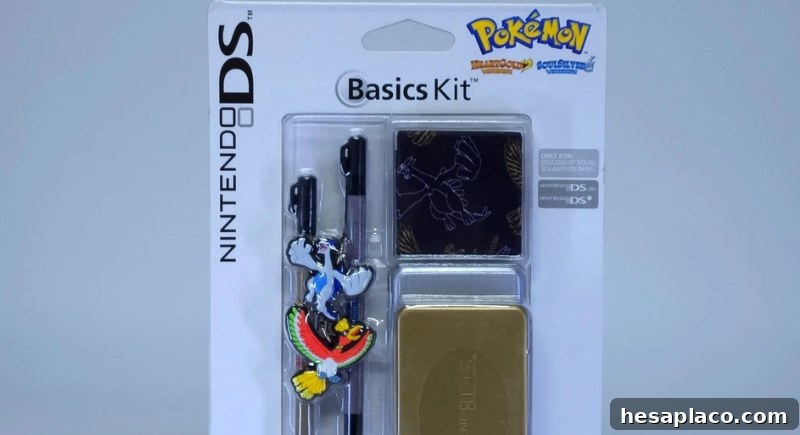
The Outdated Nintendo DS Cleaning Kit
Credit: ebay
A raffle at a company party raised expectations for a desirable prize, but the winning gift turned out to be a cleaning kit for the original Nintendo DS—a console that had long been discontinued. Obsolete or niche gifts can leave recipients feeling puzzled rather than appreciated. Raffles should offer items with current value or broad appeal.
Vouchers for Elderly Medical Equipment

Credit: pixelshot
Employees periodically received $5 vouchers redeemable at the company’s own retail outlet. During orientation, newcomers discovered the store stocked mostly elderly medical equipment—recliners and specialty items priced in the thousands. For a young, able-bodied workforce, the vouchers were essentially worthless. This example illustrates how internal perks should be aligned with employee demographics and real needs.
These workplace gift disasters share common lessons: plan with the recipient in mind, verify details, secure approvals, and avoid conflicts of interest. Thoughtful recognition is not about cost—it’s about relevance, respect, and honest communication. When companies get those basics right, gifts can truly boost morale instead of becoming cautionary tales.