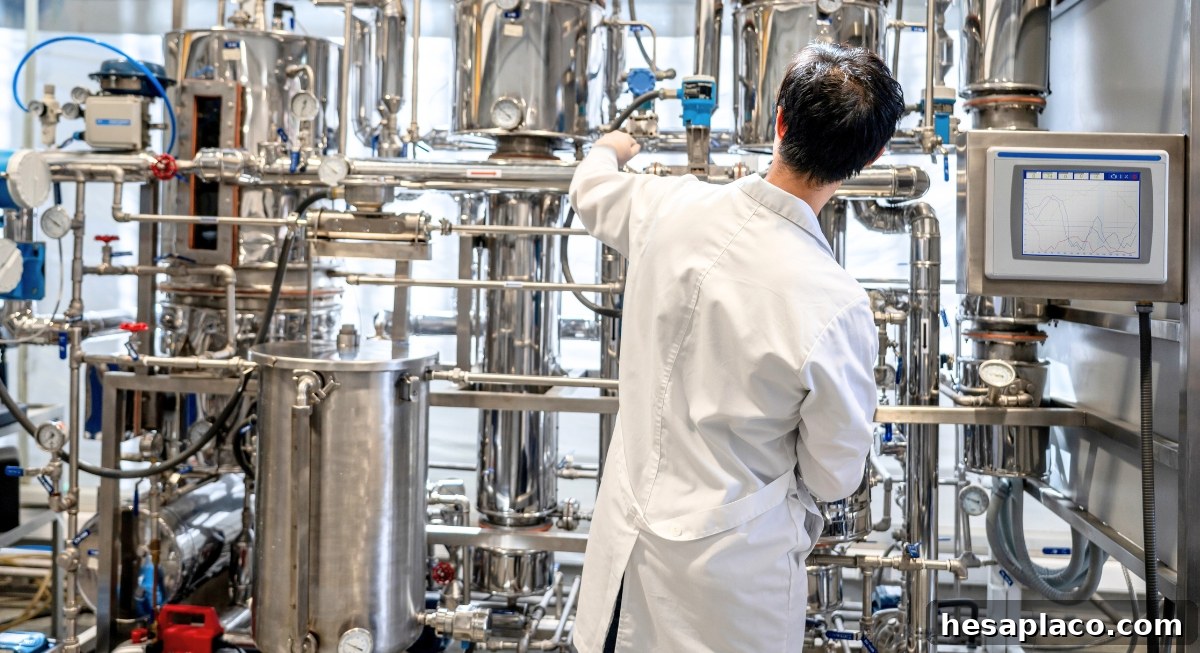
Distilling no longer needs to be learned in secret or through years of trial and error. Today, structured programs bring distillation into classrooms and hands-on labs. These courses explain fermentation, cuts, and proofing in practical terms, outline how alcohol laws shape production, and show what running a still looks like during a typical workday.
East Tennessee State University
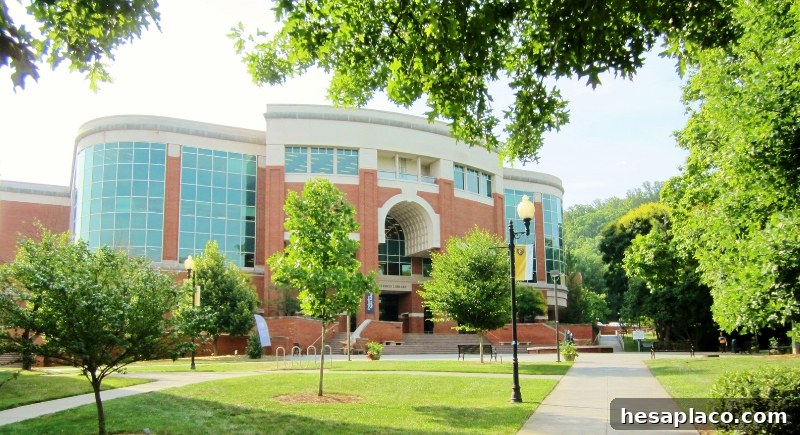
Credit: Wikimedia Commons
At East Tennessee State University, distilling coursework sits alongside chemistry labs and business classes. Students may spend an afternoon analyzing fermentation variables and the next discussing pricing, distribution constraints, and market positioning. Because many participants are enrolled in full bachelor’s programs, the curriculum tends to attract those planning long-term careers in the industry.
Grayson College
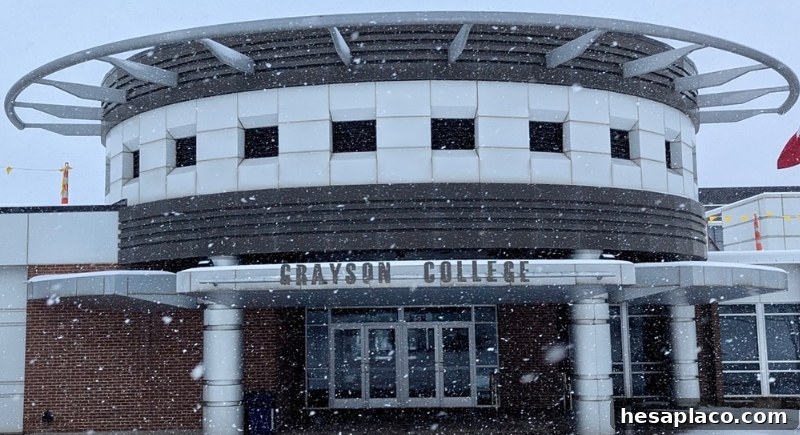
Credit: Instagram
Grayson College emphasizes the day-to-day realities of production. Its associate degree and certificate tracks cover mash bills, equipment setup and maintenance, sanitation practices, and compliance paperwork. Many students work while studying, which keeps class discussions grounded in how small distilleries are built and operated in practice.
Motlow State Community College
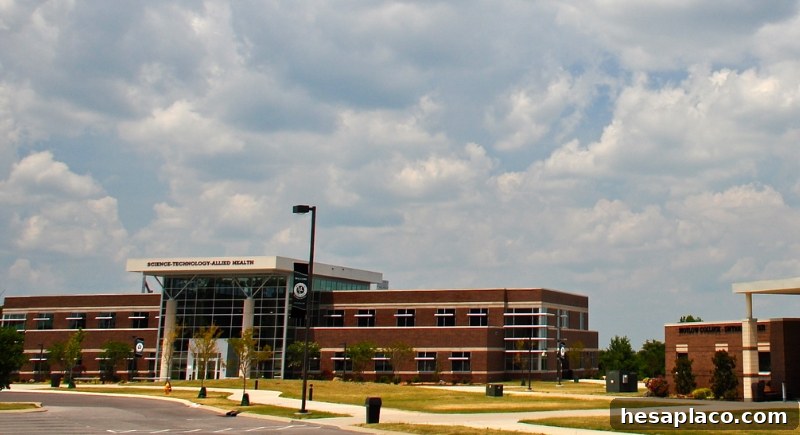
Credit: Wikimedia Commons
Motlow State’s spirits program reflects its proximity to active whiskey distilleries. Students tackle real-world scenarios—sourcing ingredients, making safety decisions, and solving production setbacks—that mirror daily challenges in the region. Classes combine fermentation science with local history, and frequent guest speakers from nearby producers enrich the learning experience.
Point Park University
Credit: Facebook
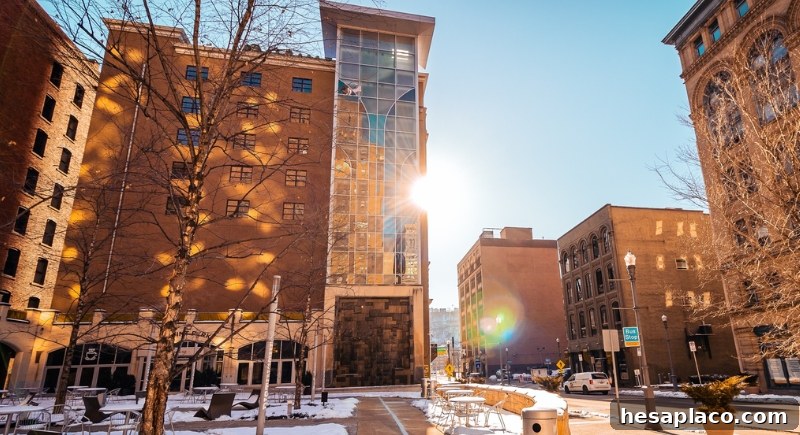
Point Park’s ten-week Distilling Science Academy compresses intensive instruction into a short, focused schedule. Sessions often run for several hours and attract mid-career professionals seeking a clear, practical overview before committing to next steps. Regular site visits reinforce classroom lessons by showing how real distilleries manage workflow, staffing, and limited space.
Sacred Heart University
Credit: Facebook
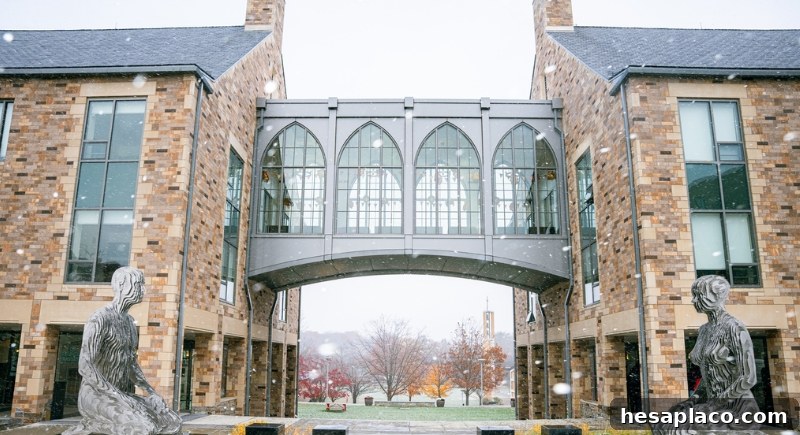
Sacred Heart created a distilling certificate with busy professionals in mind. Evening and weekend classes let students attend after work. The program balances production science, beverage law, and sanitation, and a required internship places students inside licensed facilities where they see how theory becomes regulated daily practice.
University of Kentucky
Credit: Wikimedia Commons
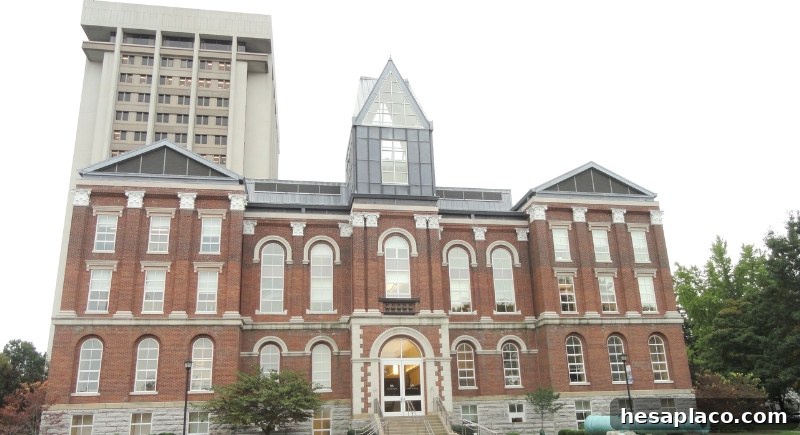
At the University of Kentucky, much of the distilling instruction is offered through the James B. Beam Institute, where coursework follows real production timelines. Students work through fermentation schedules, barrel handling, and sensory training that reflect commercial operations. Because the program includes multiple departments, classes also explore tourism, product development, and bourbon’s economic role in the state.
University of Louisville
Credit: Wikimedia Commons
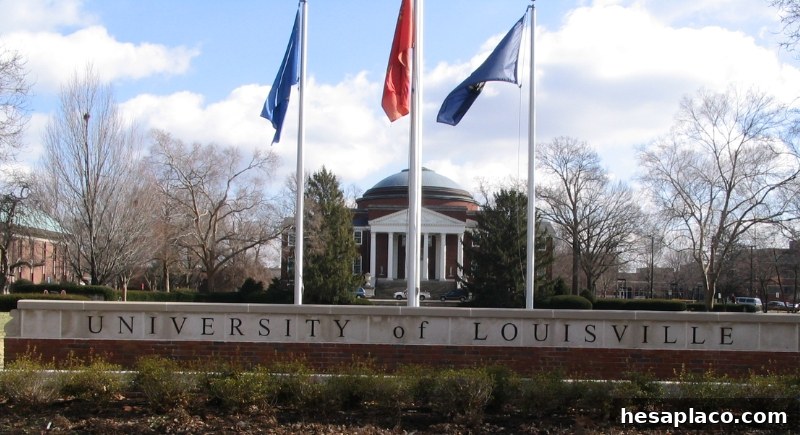
The University of Louisville offers a distilled spirits certificate tailored to those already working in the industry. Delivered online in compact five-week modules, the program emphasizes hands-on problem solving. Coursework frequently uses real scenarios—such as delayed shipments or sudden regulatory changes—as case studies to practice practical responses rather than hypothetical exercises.
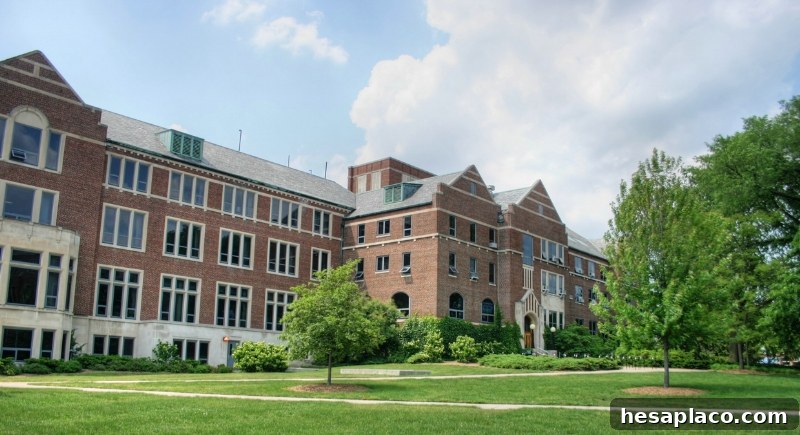
Michigan State University
Credit: Wikimedia Commons
Michigan State’s distilling minor is built for students who already have a strong lab background. Situated within science-focused majors, the program treats fermentation as a controlled, measurable process. Labs stress repeatability, data tracking, and process stability, making the curriculum a good fit for students who plan to pursue engineering, research, or technical operations roles in the industry.
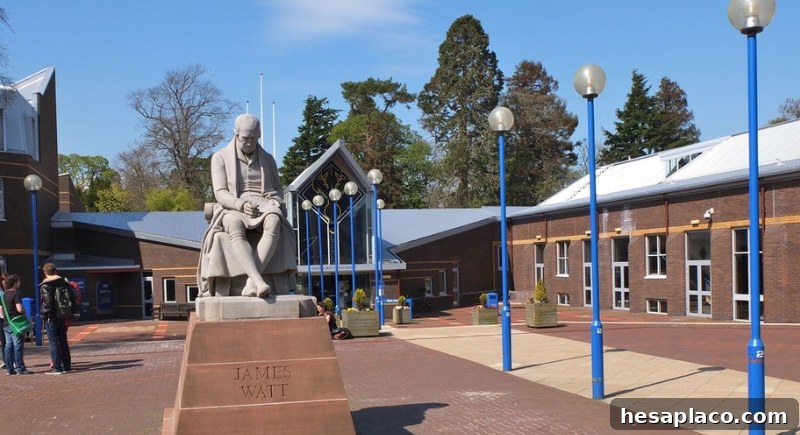
Heriot-Watt University
Credit: Wikimedia Commons
Heriot-Watt’s distilling programs attract students who usually arrive with chemistry or engineering backgrounds and clear career goals. The coursework moves quickly through production theory and applied research, and the university maintains strong industry ties that support recruitment. The program operates more like a talent pipeline than an introductory survey.
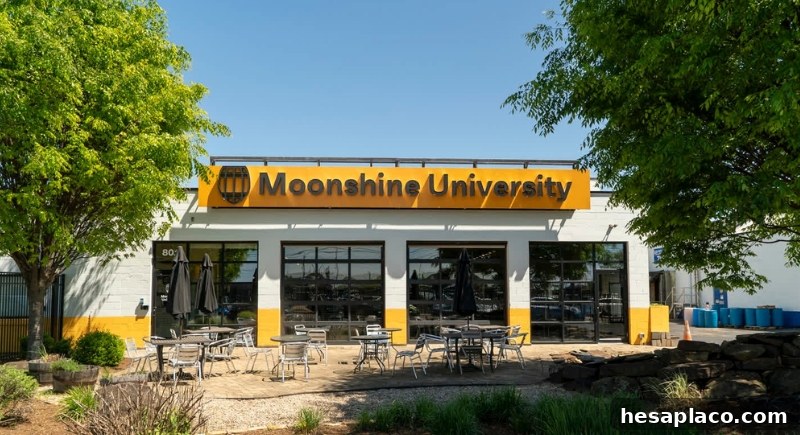
Moonshine University
Credit: Instagram
Moonshine University offers an immersive, no-nonsense approach. Classes place participants immediately into equipment handling, safety procedures, and licensing realities. Many attendees arrive with concrete plans—facility layouts, cost projections, or pending permits—and classroom conversations often shift to practical details as students refine their own projects.