Some American companies become woven into daily life so seamlessly that their influence often goes unnoticed. They shape routines, travel patterns, and consumer habits in ways that feel natural rather than forced. A nationwide survey of more than 10,000 respondents aimed to identify which brands people consider most culturally significant. Alongside familiar national giants, three Ohio-based companies ranked among those recognized for their enduring impact.
10. Kroger – Cincinnati, Ohio

Credit: Wikimedia Commons
Long before grocery delivery apps and self-checkout lanes became common, Kroger was reshaping how Americans shop. It was among the first grocery chains to combine bakery and meat counters under a single roof. Beyond its flagship stores, the company operates numerous regional chains—including Fred Meyer and King Soopers—making it a familiar presence in many communities.
9. Wendy’s – Dublin, Ohio
Credit: Wikimedia Commons
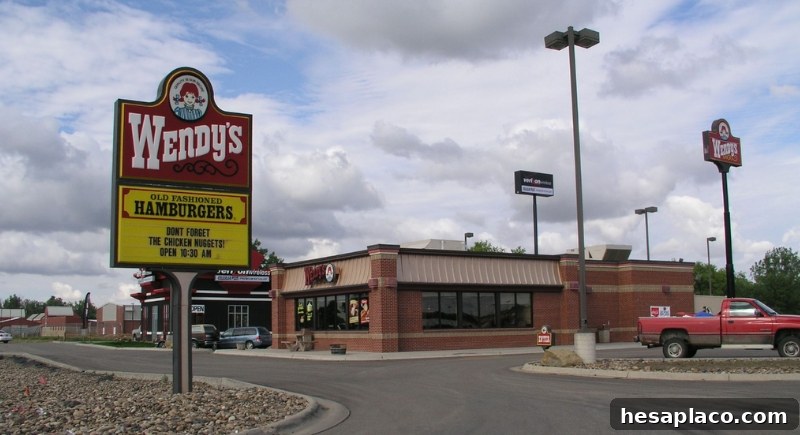
Dave Thomas opened the first Wendy’s in 1969 with a commitment to fresh beef and a name inspired by his daughter. The chain’s square burgers and casual tone set it apart, and decades later Wendy’s found new relevance online—its witty social media voice earned as much attention as its menu items, including the iconic Frosty.
8. Nike – Beaverton, Oregon
Credit: Wikimedia Commons
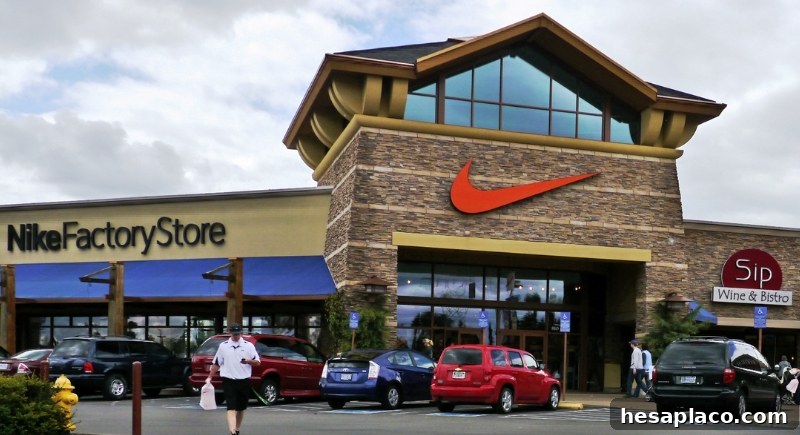
Nike adopted its famous name in 1971 after beginning as Blue Ribbon Sports in 1964. Its partnership with Michael Jordan in the 1980s helped spark sneaker culture and turned athletic shoes into fashion statements. By focusing on athlete endorsements and cultural moments, Nike embedded slogans like “Just Do It” into popular consciousness, creating one of the most recognizable brands in sports and lifestyle.
7. McDonald’s – Chicago, Illinois
Credit: Wikimedia Commons
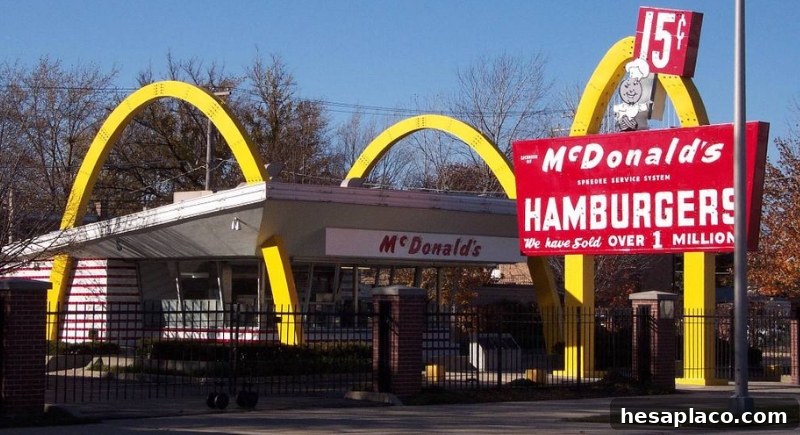
Since its founding in 1940, McDonald’s has fed everyone from road trippers to world leaders. At its peak expansion, the chain was opening a new restaurant roughly every five hours. While the menu evolves with trends—introducing items like McWraps, plant-based nuggets, and special celebrity collaborations—the core offering of burgers, fries, and recognizable branding remains central to its global appeal.
6. Procter & Gamble – Cincinnati, Ohio

Credit: Wikimedia Commons
Founded in Cincinnati in 1837, Procter & Gamble is the parent company of many everyday household brands—so many that people often forget they come from a single company. P&G was an early innovator in marketing, creating radio soap operas to promote its products. The company continues to produce memorable advertising, frequently ranking highly for emotionally driven Super Bowl spots that spotlight family life, athletes, and personal care.
5. Amazon – Seattle, Washington
Credit: Wikimedia Commons
What began in 1994 as an online bookseller grew into a global e-commerce and technology powerhouse. Amazon normalized expectations like fast or free shipping and built one of the most sophisticated logistics networks in the world. The company also popularized smart speakers with Alexa and quietly became a major force in cloud computing through Amazon Web Services.
4. Coca-Cola – Atlanta, Georgia
Credit: pexels
Coca-Cola’s secret recipe is legendary, but its cultural reach is equally clear. Since its establishment in 1892, the company helped shape modern advertising and build one of the earliest global distribution systems. Coca-Cola’s holiday marketing played a notable role in shaping the contemporary image of Santa Claus. Today, the brand sells beverages in more than 200 countries and often functions as an emblematic American brand overseas.
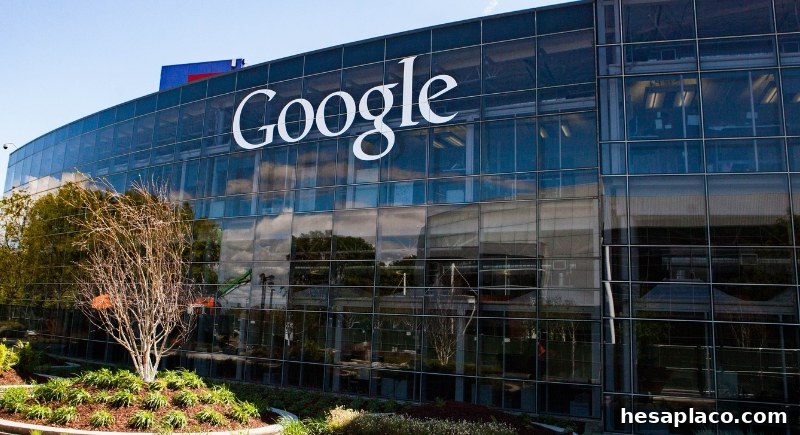
3. Google – Mountain View, California
Credit: Wikimedia Commons
Started in 1998 by two Stanford graduate students, Google now processes billions of searches every day and owns YouTube. Its Android software powers the majority of smartphones outside Apple’s ecosystem. The brand has become so embedded in daily life that “to Google” is commonly used as a verb, reflecting its central role in how people find information.
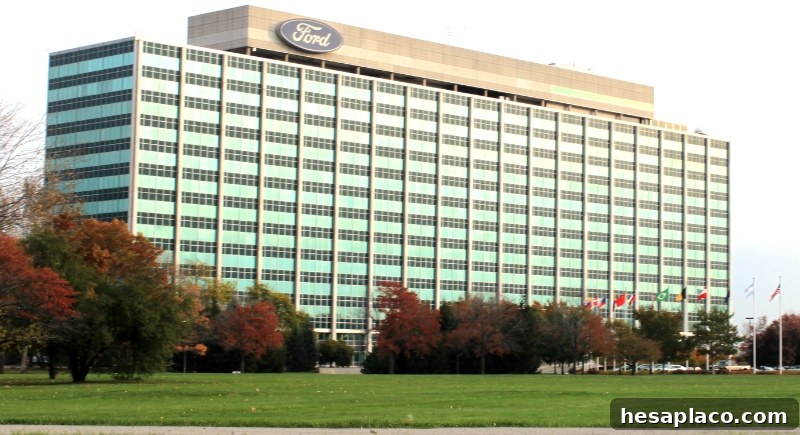
2. Ford – Dearborn, Michigan
Credit: Wikimedia Commons
Ford revolutionized automobile manufacturing and helped put cars within reach of the average person. The moving assembly line, introduced in 1913, transformed industrial production worldwide. At one point, nearly half of the world’s cars were Fords. More than a century later, models like the Mustang remain popular, and Ford’s push into electric vehicles shows the company continuing to evolve rather than resting on past achievements.
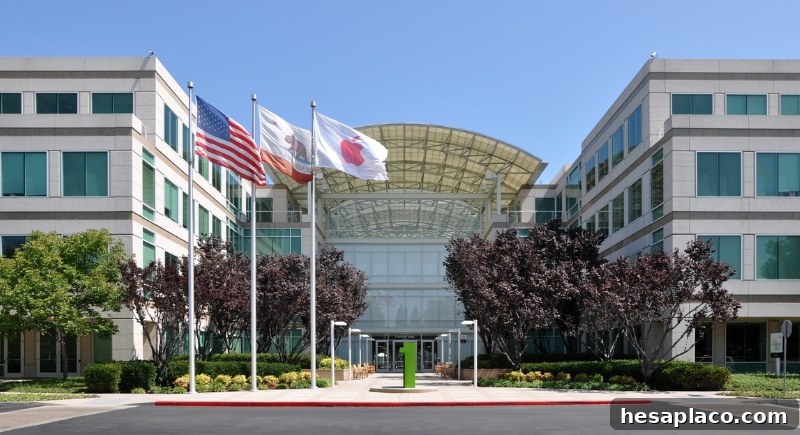
1. Apple – Cupertino, California
Credit: Wikimedia Commons
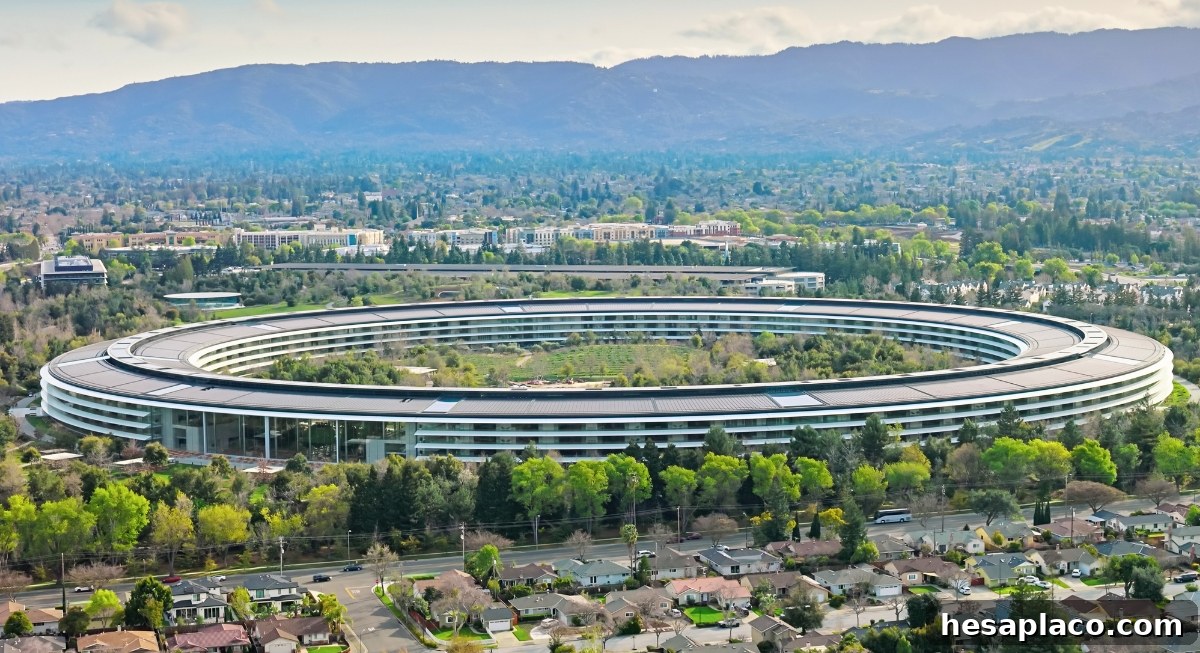
Although the iPhone’s debut in 2007 accelerated Apple’s rise to icon status, the company had been building momentum since its founding in 1976. Renowned for elegant design and intuitive software, Apple crafted a tightly integrated ecosystem that many customers willingly adopt. Its circular, spaceship-like headquarters and theatrical product launches have become part of the brand’s larger cultural identity.