
Some grocery stores make it hard to stick to a budget—no matter how short your list is. You may go in for eggs and coffee and somehow walk out $80 lighter. Below is a clear, concise guide to grocery chains and specialty markets that often cost more than shoppers expect. This revised overview keeps the original layout while improving flow, removing repetition, and focusing on practical information to help you plan smarter trips.
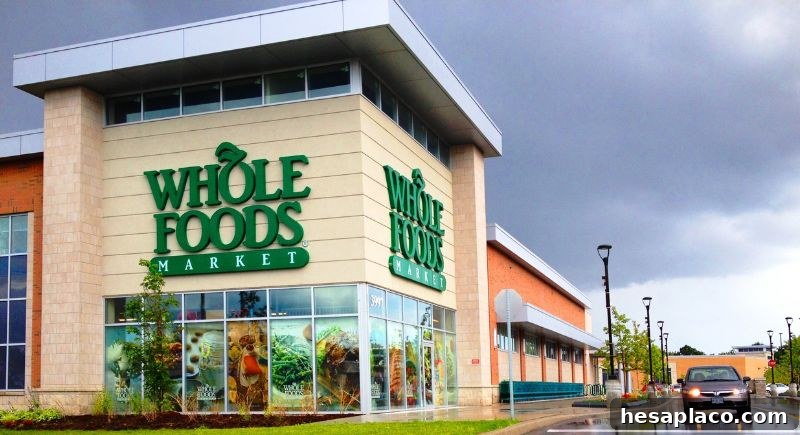
Whole Foods Market
Credit: Wikimedia Commons
Whole Foods Market is appealing in presentation and product quality, but that premium experience usually comes at higher prices. Often nicknamed “Whole Paycheck,” many everyday items run 10–20% above prices at conventional supermarkets. If your priority is savings, reserve Whole Foods visits for special items rather than weekly essentials.
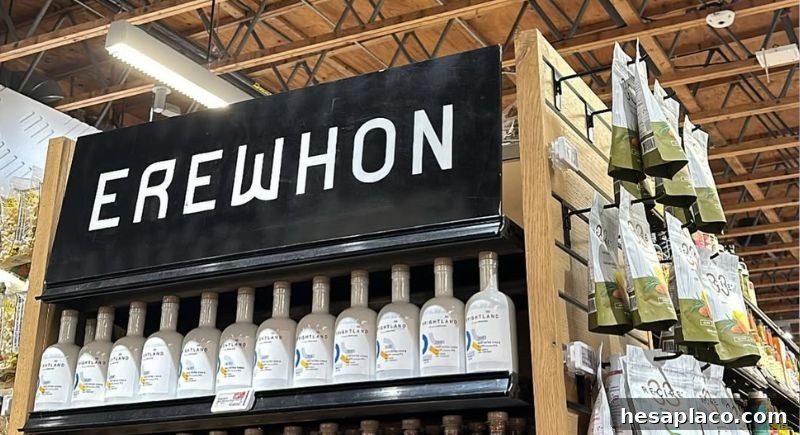
Erewhon
Credit: Instagram
Erewhon operates like a luxury boutique for groceries. It stocks trendy, often niche wellness products favored by influencers and celebrities, but those items frequently carry steep markups. For shoppers focused on savings, Erewhon is best for occasional treats rather than regular grocery runs.
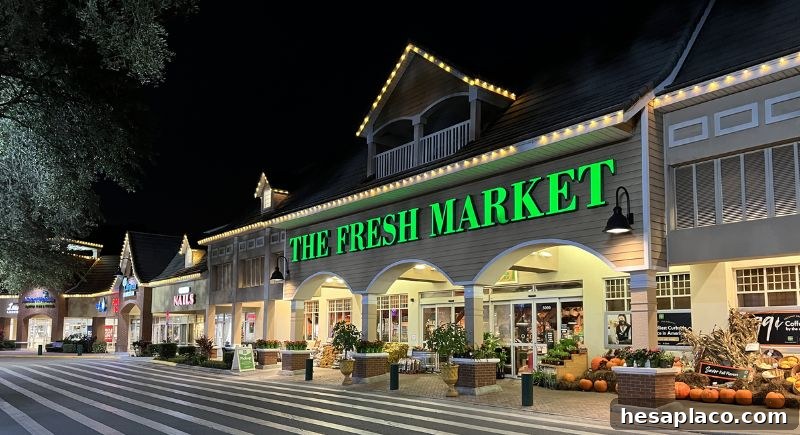
The Fresh Market
Credit: Wikimedia Commons
The Fresh Market presents a curated, upscale shopping environment with gourmet cheeses, artisan breads, and attractive produce. While quality is a draw, prices are typically higher and discounts are limited. If value is your priority, compare prices elsewhere before stocking up.
Gelson’s Markets

Credit: Wikimedia Commons
Gelson’s focuses on convenience and premium service, which shows up in the prices. Pre-made meals and specialty items can be significantly more expensive than at discount stores. If you value amenities and high-end offerings over low prices, Gelson’s delivers—but expect your receipt to reflect those extras.
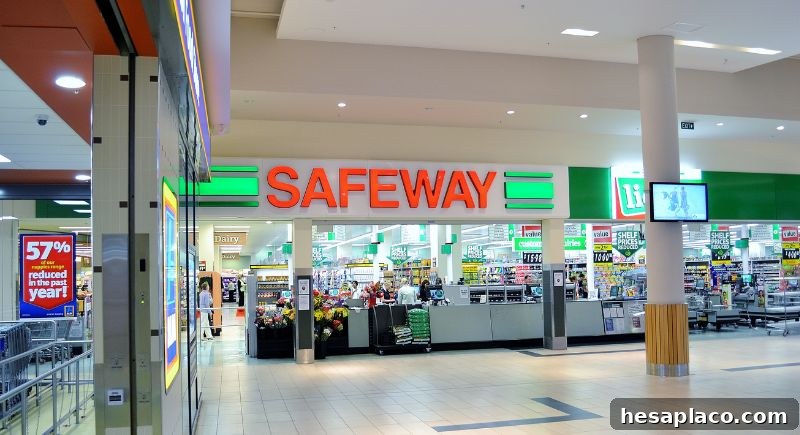
Safeway
Credit: Wikimedia Commons
Safeway is convenient and widely available, but it’s not always the most budget-friendly choice. Prices can be higher unless you use a loyalty card and hunt for coupons. In some markets, Safeway’s own brands and everyday essentials are priced above competitors, so it pays to compare before you buy.
Publix
Credit: Wikimedia Commons
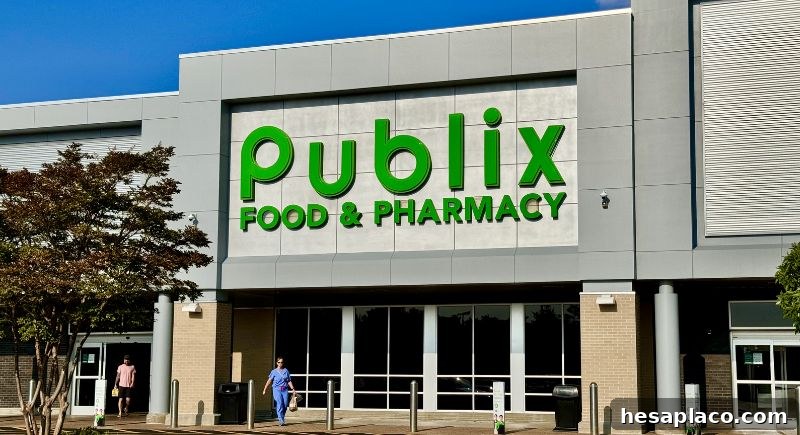
Publix is known for excellent customer service and clean stores, plus popular deli and sub options. However, prices for staples like pantry items, produce, and dairy often run higher than at discount retailers. To get better value, combine BOGO sales with digital coupons when possible.
Harris Teeter
Credit: flickr
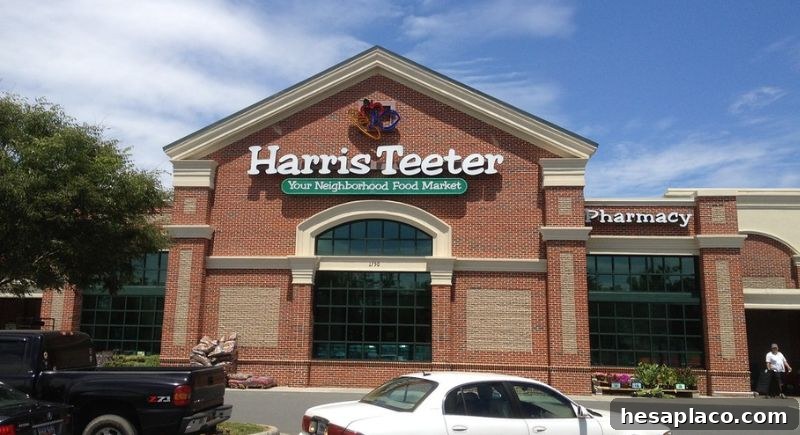
Owned by Kroger, Harris Teeter presents a higher-end shopping experience with strong meat and seafood departments. That quality often comes with higher price tags. Regional comparisons have shown Harris Teeter sometimes charges more for basics like milk and cereal, so budget shoppers should check competitors’ prices.
Ralphs
Credit: Wikimedia Commons
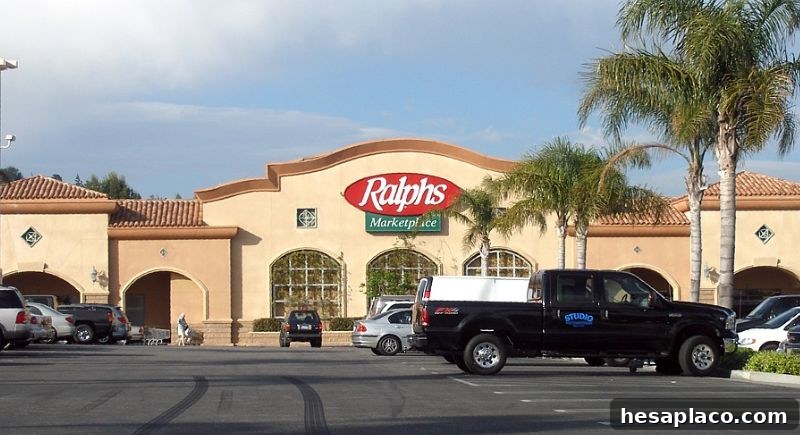
Ralphs can offer good deals at times, but consistent savings usually require a rewards card or digital coupons. Regular prices on staples and some store-brand items can be higher than expected. If you shop at Ralphs, watch promotions closely to make sure you’re getting the best price.
Sprouts Farmers Market
Credit: flickr
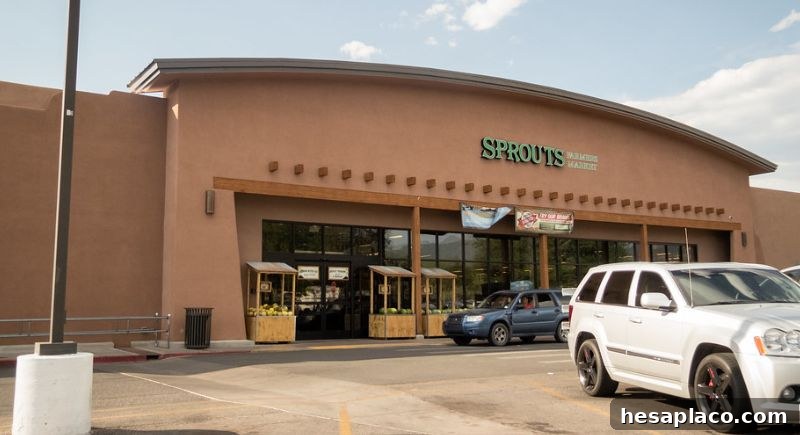
Sprouts caters to health-conscious shoppers with an extensive produce selection and specialty items. However, organic and specialty items often cost more than at conventional supermarkets. If you prioritize organic produce, Sprouts is a good option, but expect a higher total for a similarly sized shopping list.
Giant Food
Credit: Wikimedia Commons
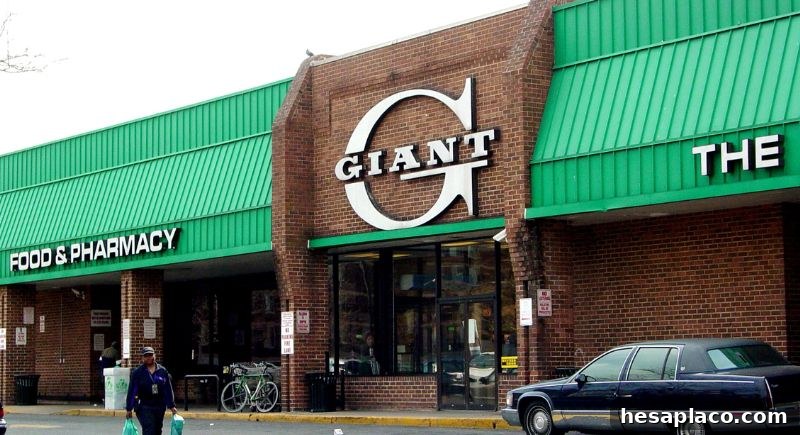
Giant Food has been a neighborhood staple for many shoppers, but those watching their budgets have noticed higher prices on certain items. Responding to criticism, Giant launched a “Fresh Low Prices” initiative in 2025 to lower costs on essentials like produce, dairy, and meat, which can help if your local store participates.
Wegmans
Credit: flickr
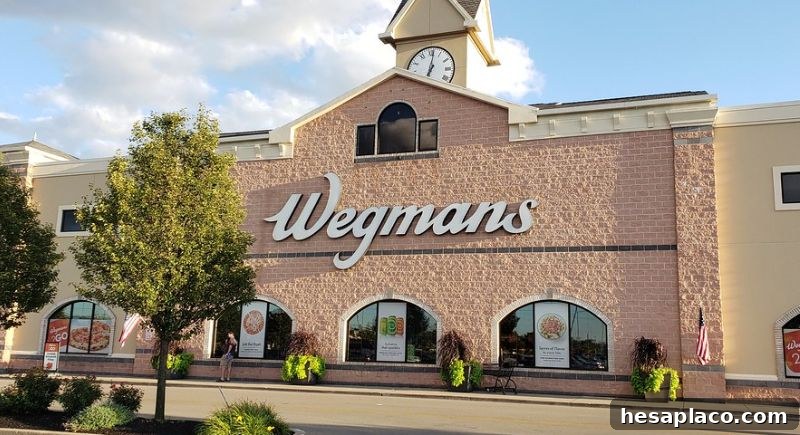
Wegmans is beloved for its service, variety, and standout prepared foods. Those amenities, though, often come with higher prices—especially for prepared meals and specialty items. For shoppers prioritizing convenience and quality, Wegmans is worth it occasionally, but it can be costly as a regular stop.
Stop & Shop
Credit: flickr
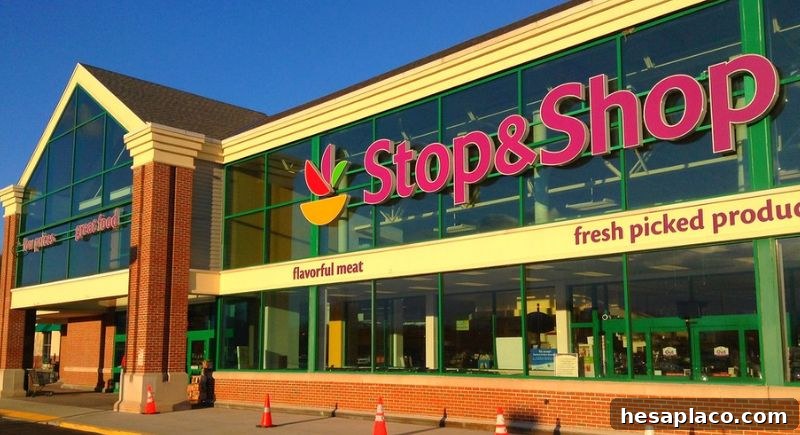
Stop & Shop is convenient for many communities, but typical prices for pantry staples and produce often beat discount grocers. Loyalty programs help, yet many shoppers report the overall savings are limited compared with lower-cost chains.
Bristol Farms
Credit: Reddit
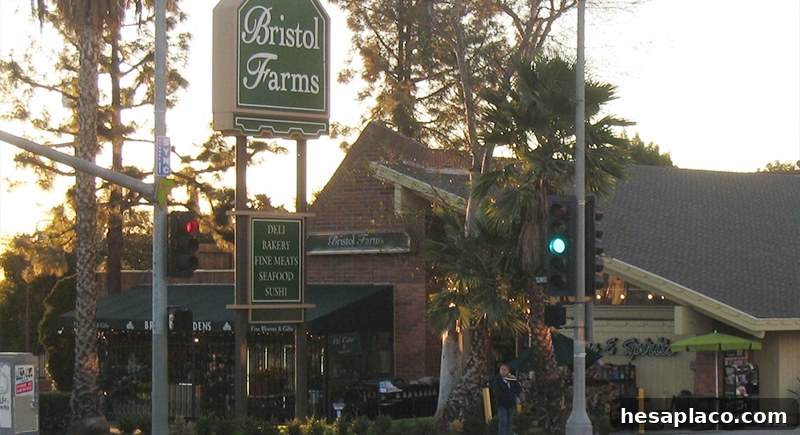
Bristol Farms builds a gourmet image with high-end produce, artisanal cheeses, and premium snacks—at matching prices. It’s a fine place to splurge for a celebration or special meal, but routine grocery shopping here can quickly inflate your weekly budget.
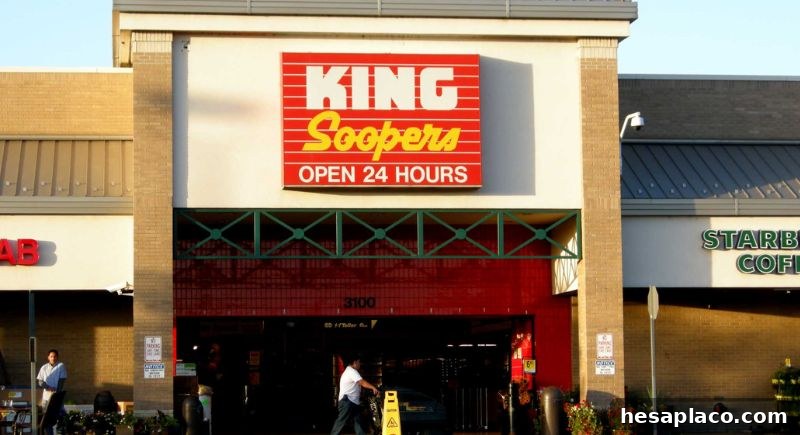
King Soopers
Credit: Wikimedia Commons
King Soopers offers broad selection and convenience across Colorado, but customers have noted higher costs for many everyday items compared with competitors. For example, some specialty and pantry items can carry a premium, so price-checking against local alternatives is wise if you’re aiming to save.
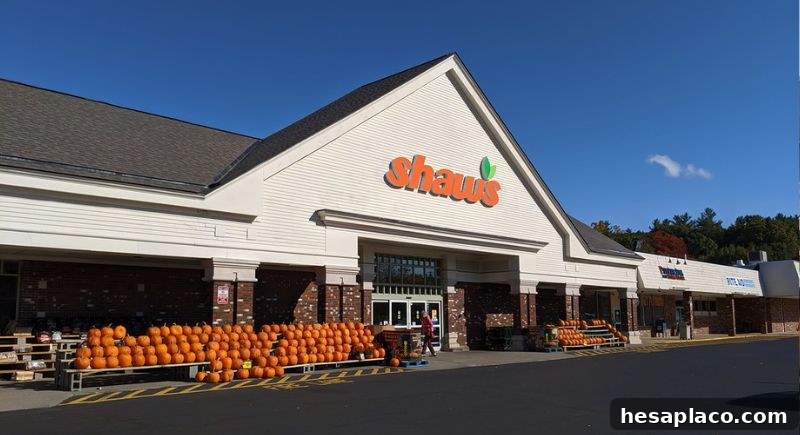
Shaw’s
Credit: flickr
Shaw’s tends to price higher than discount competitors like Market Basket or Walmart in many regions. While it offers a wide selection and neighborhood convenience, price-conscious shoppers often find better deals elsewhere for routine grocery items.
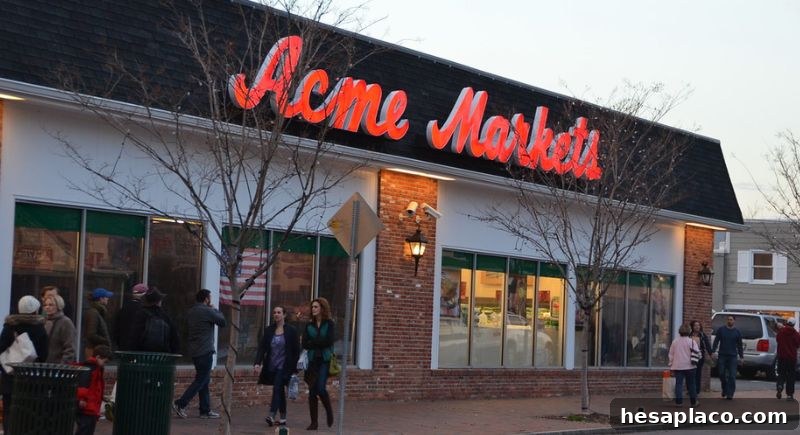
Acme Markets
Credit: flickr
Acme Markets has a long presence in the Mid-Atlantic and offers familiar selections, but many shoppers report higher price points on staples like milk and produce. Promotions can help, but if your goal is the lowest possible weekly bill, compare prices before you shop.
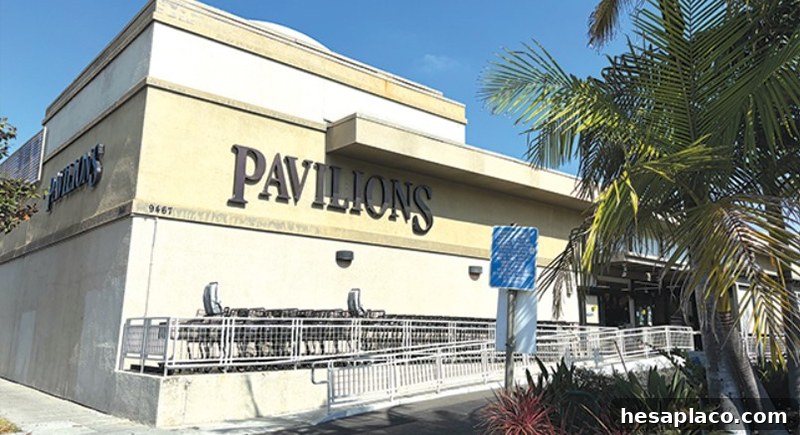
Pavilions
Credit: Reddit
Pavilions feels like an upscale cousin to Ralphs with a polished shopping environment. While selections are extensive, prices on everyday essentials are often higher than discount chains. Without timely promotions, shopping here regularly can be costly for budget-focused households.
Eataly
Credit: Facebook
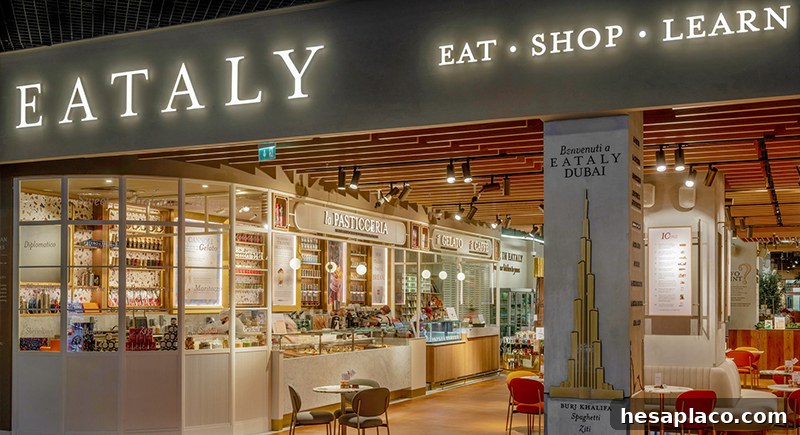
Eataly delivers a specialty food experience focused on high-quality Italian products. Imported ingredients, fresh pasta, and bakery items are appealing, but prices for these specialty goods typically exceed those of standard supermarkets. A quick visit can add up if you pick up several artisanal or imported items.
Amazon Fresh
Credit: Wikimedia Commons
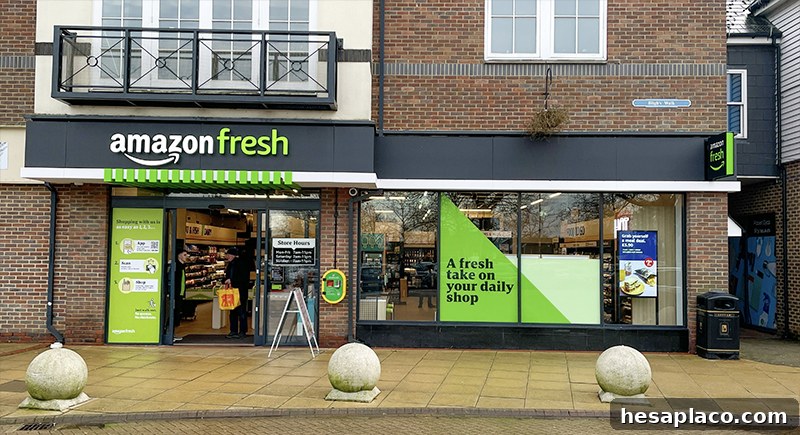
Amazon Fresh offers a sleek, tech-forward shopping experience, but convenience and brand choices can come with higher prices. Pantry staples and branded items sometimes cost more than at discount stores, and easy checkout plus impulse displays make it simple to overspend. For best savings, compare unit prices and prioritize store-brand or discounted items.
Shopping smarter means matching your store choice to your priorities. If you want the lowest weekly grocery bill, focus on discount chains, compare unit prices, use loyalty programs where they genuinely lower costs, and plan trips around sales and coupons. If your priority is specialty products or a premium experience, recognize that those perks usually come with a higher price tag.