When governments, corporations, or individuals decide that failure is not an option, spending priorities shift. Budgets stretch because the objective matters more than the price tag. Some of these projects were created to protect nations, others to advance knowledge, move people, or project power and prestige. Together, they represent some of the most expensive things humans have ever built.
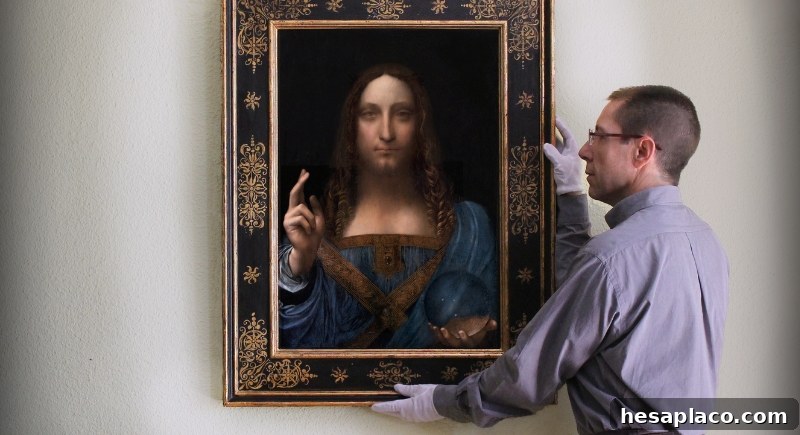
Salvator Mundi Painting – approximately $450 million
Credit: Wikimedia Commons
For decades, this portrait changed hands in unstable condition and without a definitive attribution. After an extensive restoration, scholars debated whether it was truly by Leonardo da Vinci. By the time it reached auction, scholarship, marketing, and scarcity had combined to turn a single religious portrait into an international sensation and one of the costliest artworks ever sold.
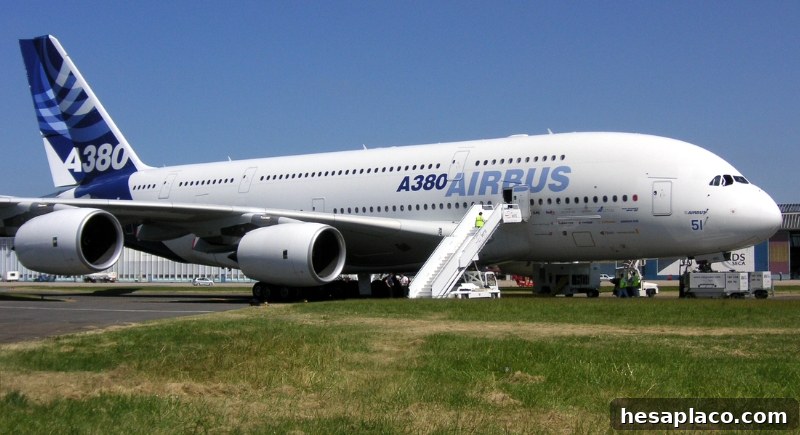
Airbus A380 – approximately $600 million per aircraft
Credit: Wikimedia Commons
In the early 2000s, airlines planned around crowded hubs and steady passenger growth. Airbus designed the A380 for that model: an enormous aircraft that required airports to redesign gates, taxiways, and boarding processes. The A380 altered airport infrastructure and tied its commercial fate to long-term assumptions about how people would travel.
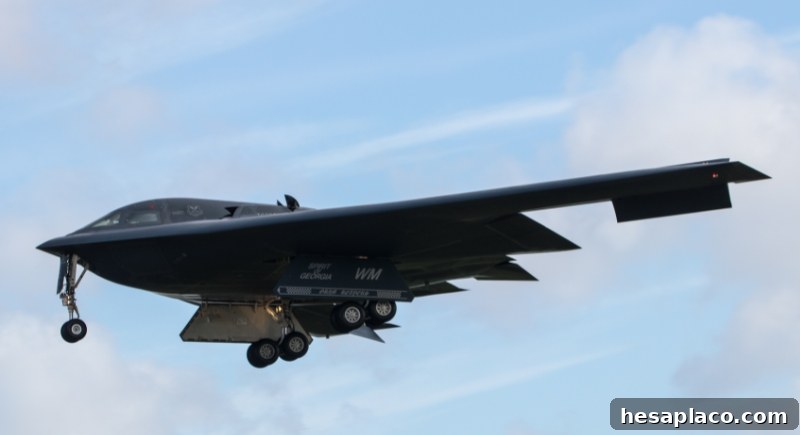
Northrop B-2 Spirit – approximately $4.2 billion per aircraft
Credit: Wikimedia Commons
The B-2 emerged from late-Cold-War anxieties about increasingly capable radar systems. Engineers spent years shaping a stealth bomber intended to evade detection. When the geopolitical climate shifted, production was curtailed, leaving a tiny fleet that carried the burden of enormous development costs.
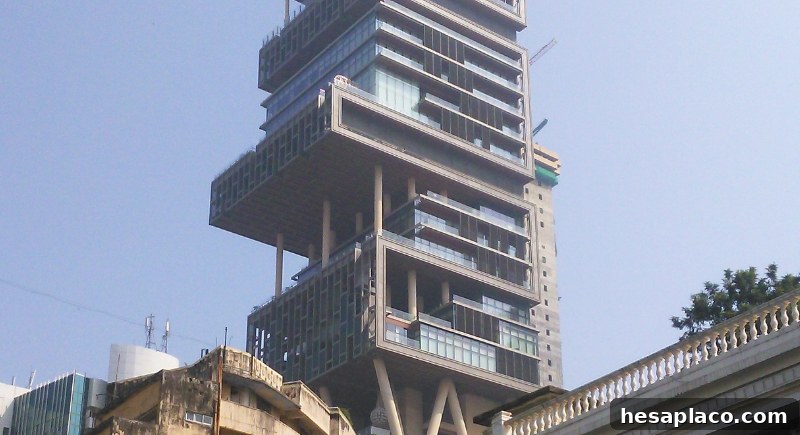
Antilia – approximately $4.6 billion
Credit: Wikimedia Commons
In Mumbai, luxury high-rises typically cost a few hundred million dollars even with premium materials and views. Antilia far exceeded that, functioning as a vertical private estate for a single family with helipads, staff quarters, and continuous climate control. Engineering to withstand earthquakes, wind loads, and nonstop operation transformed a residence into one of the world’s most expensive private buildings.
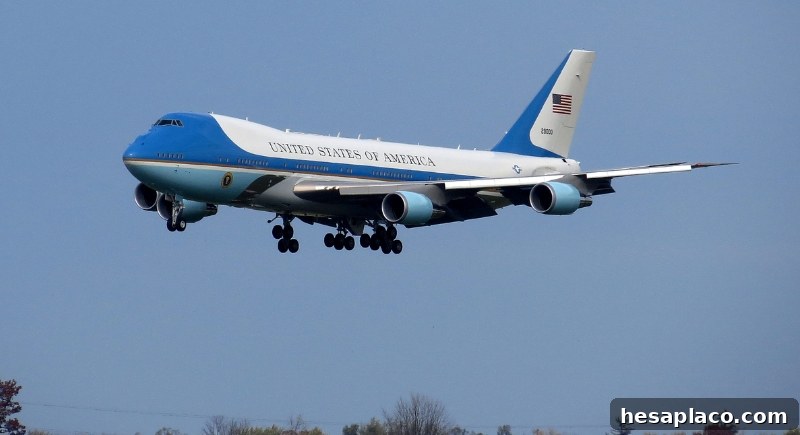
Air Force One – approximately $4 billion
Credit: Wikimedia Commons
Air Force One is built to function in scenarios ordinary aircraft never face. Based on a heavily modified Boeing 747, it serves as a secure mobile command center for the president in times of crisis. Encrypted communications, medical facilities, and defensive systems turn the aircraft into a flying extension of national leadership.
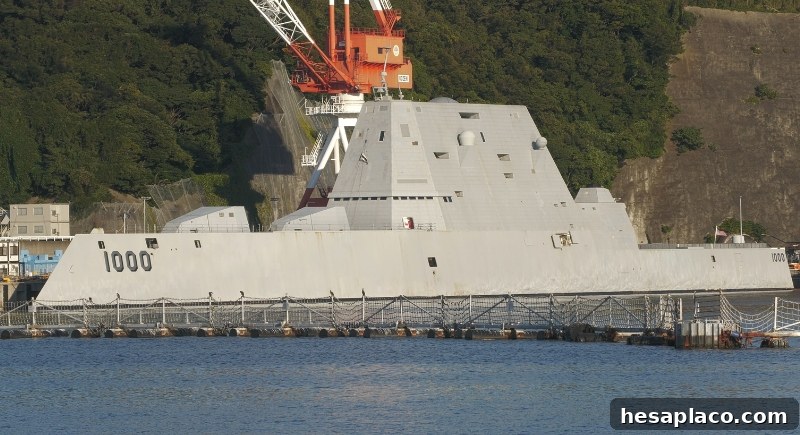
USS Zumwalt – approximately $8 billion
Credit: Wikimedia Commons
The Zumwalt was conceived with near-shore conflicts in mind rather than traditional open-ocean engagements. Its distinctive angles, electric propulsion, and reduced crew complement were tailored to that mission profile. By the time it entered service, strategic priorities had shifted, leaving the Zumwalt as a technologically advanced ship still seeking a clearly defined long-term role.
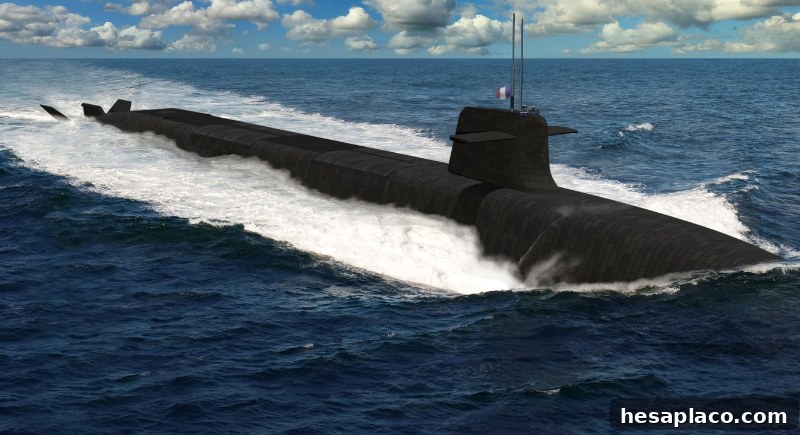
Columbia-Class Submarine – approximately $9.15 billion per vessel
Credit: Wikimedia Commons
Unlike many military platforms designed for speed or firepower, this submarine prioritizes endurance and longevity. It’s built to remain covert and operational for decades without refueling. Nuclear propulsion, advanced stealth coatings, and requirements for an extended service life increased complexity and cost—reflecting what it takes to sustain a continuous strategic deterrent across generations.
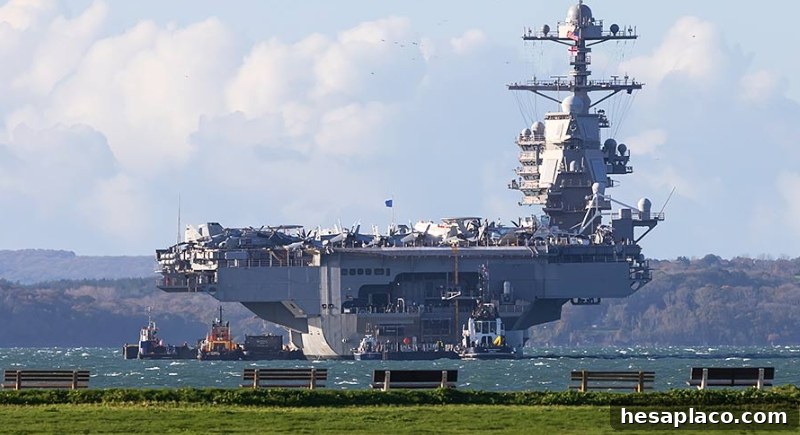
Gerald R. Ford-Class Aircraft Carrier – approximately $13 billion per ship
Credit: Wikimedia Commons
For decades, the U.S. Navy relied on Nimitz-class carriers that typically cost $4.5–$6 billion each. The Gerald R. Ford class was intended to modernize that model, but new reactors, electromagnetic aircraft launch systems, and expanded automation raised the price to roughly $13 billion per ship—more than double earlier carrier programs.
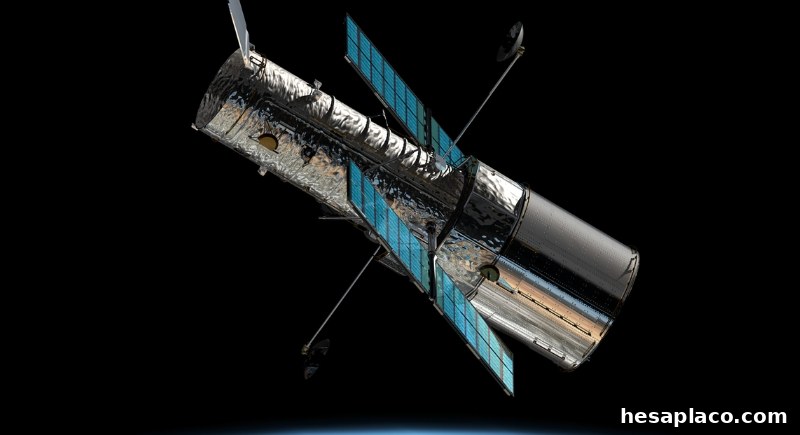
Hubble Space Telescope – approximately $16 billion
Credit: Wikimedia Commons
When Hubble launched in 1990, NASA had already spent roughly $1.5 billion on construction and deployment. Early images revealed a flawed mirror, and correcting it required a 1993 shuttle servicing mission costing about $1.6 billion more, followed by additional servicing flights. Over time, repairs, upgrades, and operations raised Hubble’s total lifecycle cost to roughly $16 billion, while the telescope returned unprecedented scientific value.
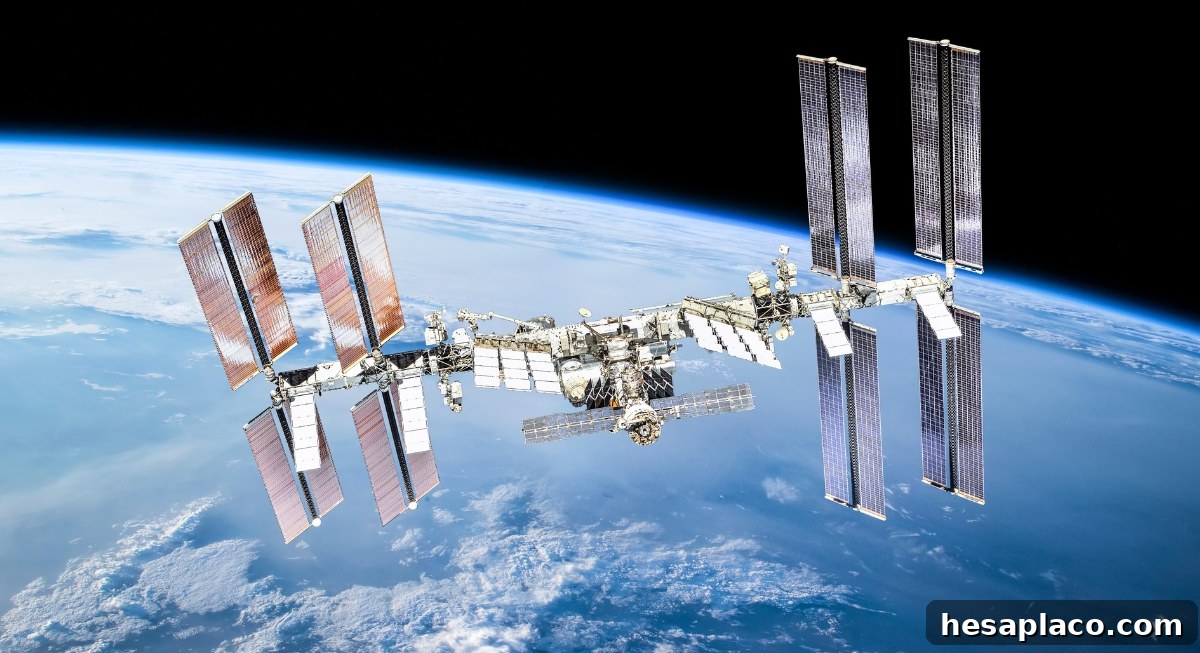
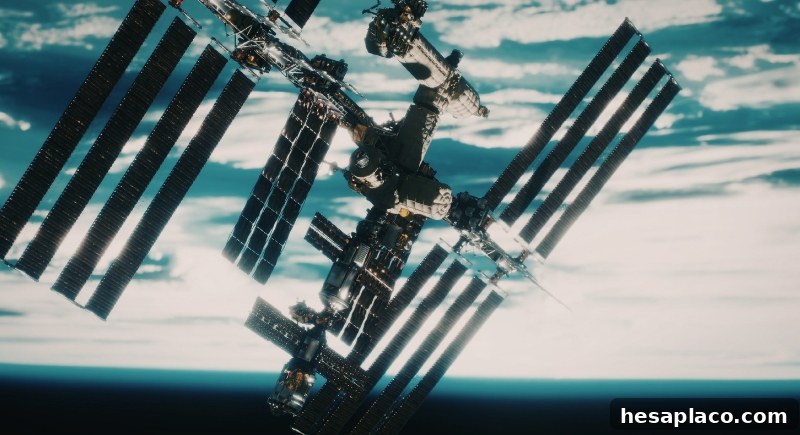
International Space Station – approximately $150 billion
Credit: Canva
Keeping humans alive about 250 miles above Earth required far more coordination than raw rocket power. The station was assembled over many years through dozens of international launches, with partner nations contributing modules, crews, and funding. Ongoing repairs, resupply missions, and life-support operations continue to add to the total cost as long as people live and work aboard, making the International Space Station one of the most expensive and cooperative engineering efforts in history.