
There was a time when certain luxury purchases signaled you had arrived: expensive, carefully chosen objects meant to be noticed. By 2026, many of those same items have lost their luster. Some gather dust in closets or garages; others languish on resale sites with little interest. As tastes have changed and technology advanced, these former status symbols lost relevance. What once impressed now often goes unnoticed or sells for pocket change.
Porcelain Figurines No One Wants to Inherit

Credit: Wikimedia Commons
Hummel and Precious Moments figurines were once treasured, displayed under glass like miniature museum pieces. They were bought with the hope they might appreciate or at least convey taste. Today, most end up at thrift shops or yard sales priced between $5 and $15. Collectors are scarce, and the market rarely rewards sentimental value.
China Cabinets Are Just in the Way
Credit: pexels
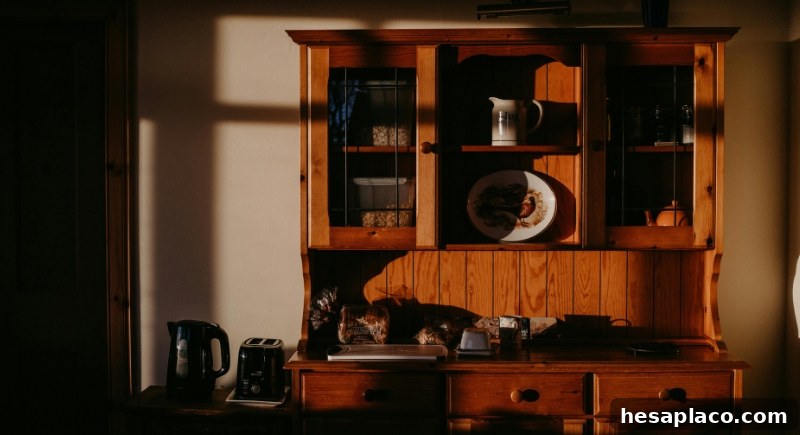
Once central to dining rooms, large wooden china cabinets stored fine china reserved for special occasions. Modern living favors casual meals, smaller homes, and open layouts, so decorative dishware sits unused. These cabinets are bulky, difficult to move, and hard to sell—many listings receive no interest even when the seller offers them for free.
BlackBerry Phones Are Just E-Waste
Credit: Wikimedia Commons
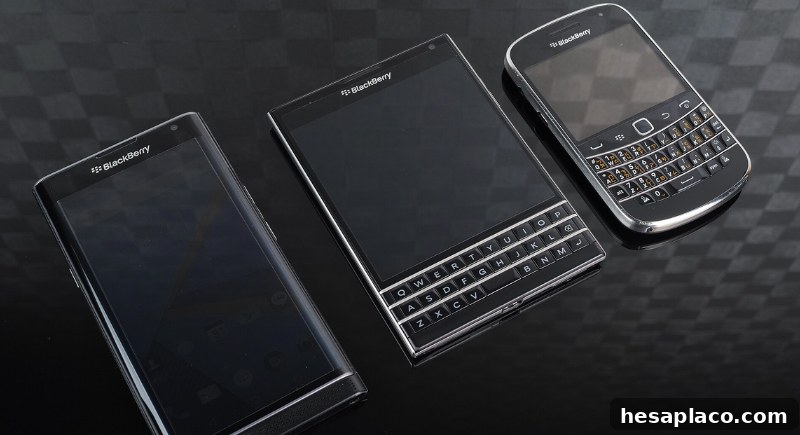
The BlackBerry’s physical keyboard and secure messaging once set it apart, but touchscreen smartphones and app ecosystems overtook it. With legacy services discontinued, most models now hold only nostalgic value. Even well-preserved devices rarely command more than token amounts on resale markets.
Collector Plates Didn’t Stay Valuable
Credit: Wikimedia Commons
Decorative plates from brands like Franklin Mint or Bradford Exchange were sold as limited editions with certificates, filling walls and shelves during the 1980s and 1990s. In reality they were produced in large quantities, and resale values never held up. Today most plates fetch under $10, if they sell at all.
Rear-Projection TVs Take Up Too Much Room
Credit: Wikimedia Commons
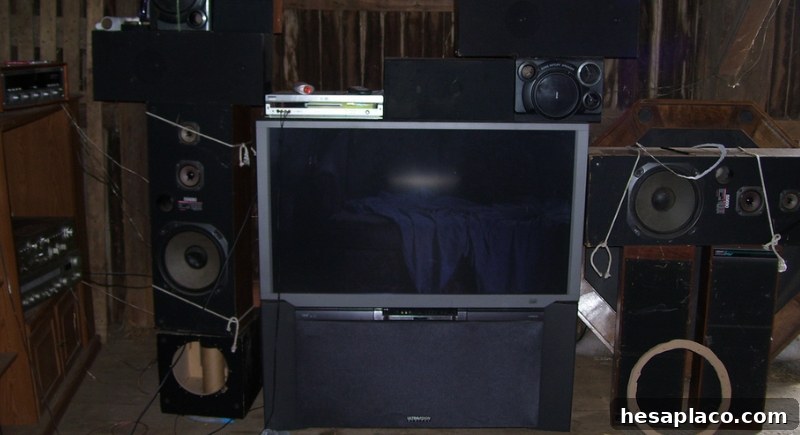
Before flat panels became ubiquitous, a 60-inch rear-projection TV felt impressive. The issue now is how poorly these sets aged. Picture quality is soft compared with modern displays, and the cabinets consume far more space than current living rooms can spare. Once costing tens of thousands, many of these units now struggle to sell for under $100, if at all. Slim smart TVs that stream and support gaming render them obsolete.
VHS and DVD Collections Are Gathering Dust
Credit: Facebook
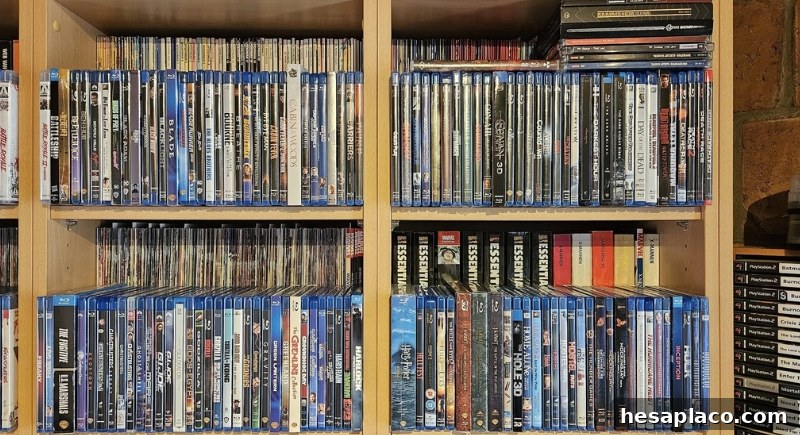
Many households once built shelves of movies on VHS and DVD under the assumption that physical media would be the long-term future. Tapes degrade, discs scratch, and players have become rare. Even collector editions typically sell for pennies; unless a copy is truly sealed and rare, most tapes and discs end up donated, recycled, or discarded.
Porcelain Dolls No Longer Inspire Awe
Credit: Canva
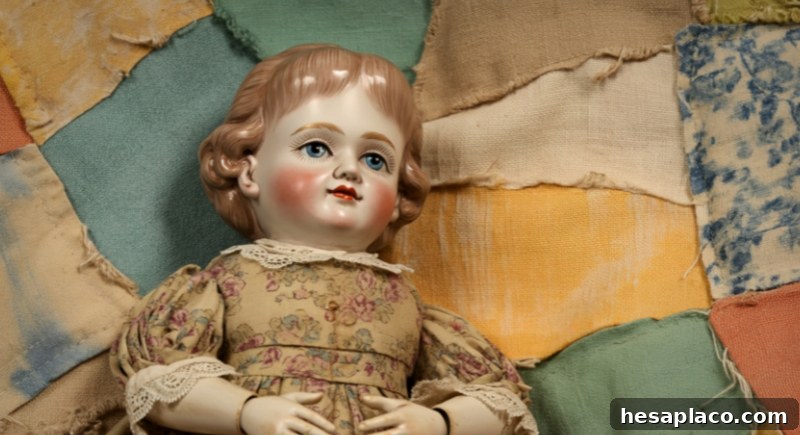
Porcelain dolls with elaborate fabric dresses were once presented as heirlooms and displayed carefully. Many, however, were mass-produced and now attract few passionate collectors. On resale platforms they commonly fetch under $15, and some potential buyers even describe them as unsettling rather than charming.
Encyclopedia Sets Got Replaced by a Search Bar
Credit: Reddit
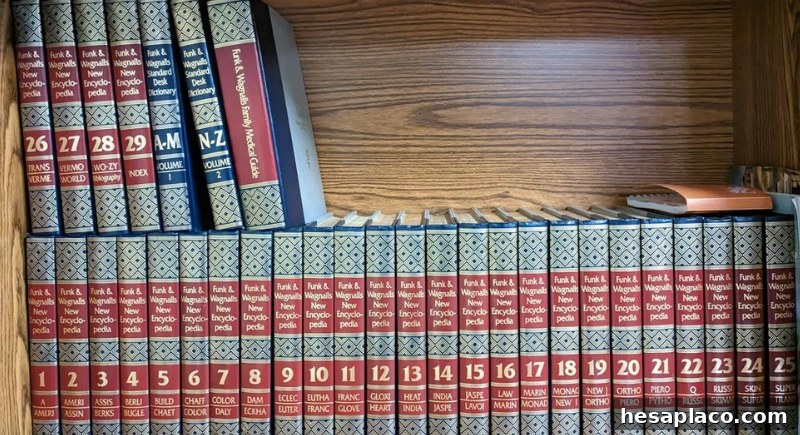
Full-volume sets of Encyclopedia Britannica once cost hundreds of dollars and signaled a household’s commitment to knowledge. Today print encyclopedias are largely obsolete: libraries and recycling centers often reject them, and people rely on Wikipedia and other digital research tools. Sellers sometimes repurpose these heavy volumes as decorative objects, but practical demand is low.
Beanie Babies Were a Wild Miscalculation
Credit: Facebook
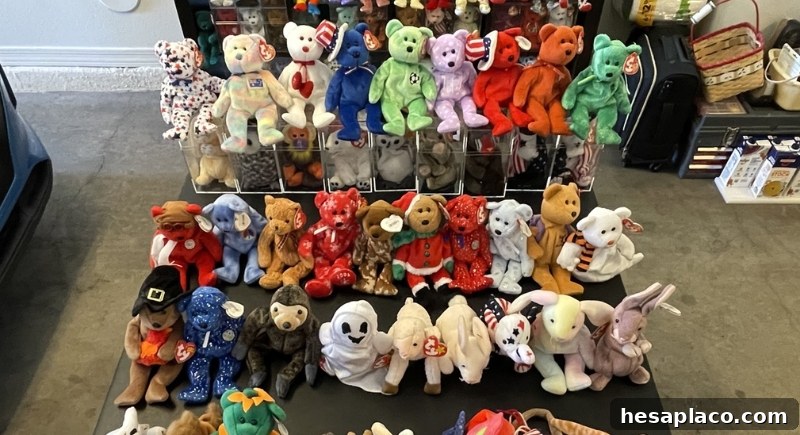
The 1990s Beanie Babies craze convinced many collectors they were investing in future wealth. In reality, most toys were produced in huge numbers and the secondary market collapsed. Whole collections now may sell for less than $50, while individual pieces often trade for a dollar or less.
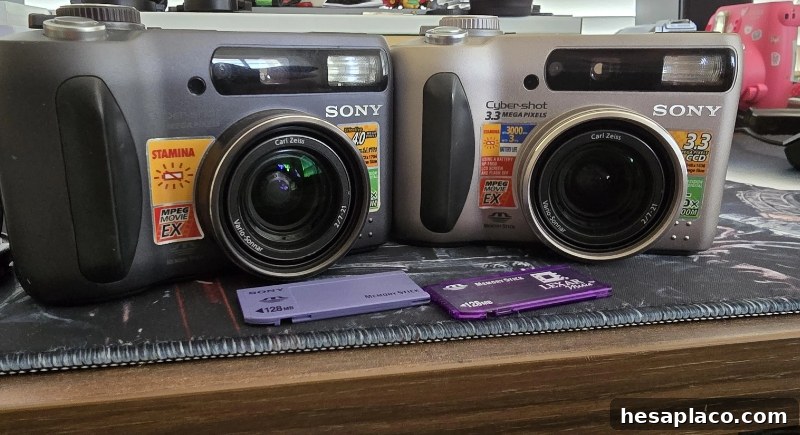
Digital Cameras with 3 Megapixels Aren’t Coming Back
Credit: Reddit
Before smartphones absorbed photography, standalone digital cameras felt like premium gifts. Some cost hundreds and promised advanced features, but early models often produced images inferior to today’s budget phones. With camera functionality built into virtually every phone, vintage 3-megapixel cameras rarely attract buyers, even in excellent condition.
Trends shift and technologies advance; the items that once defined status or foresight are often the first to fall out of favor. If you’re clearing out a home, it helps to set realistic expectations for resale value and to consider recycling or donating items that no longer serve a practical purpose.