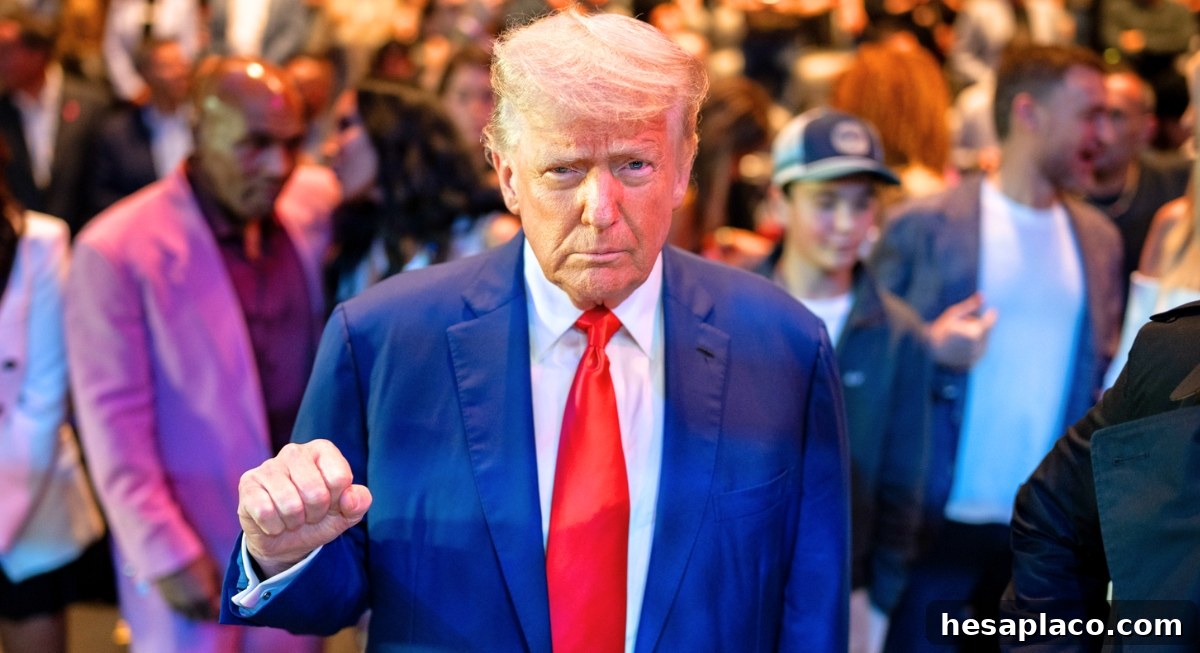
Many political leaders began their public careers after building successful businesses. Their private-sector experiences—managing money, organizing labor, and exercising authority—often shaped how they governed. For some, that background informed economic policy and administrative style; for others, it generated controversy or resistance. Below is a look at prominent figures whose business careers clearly influenced their time in public office.
Donald Trump
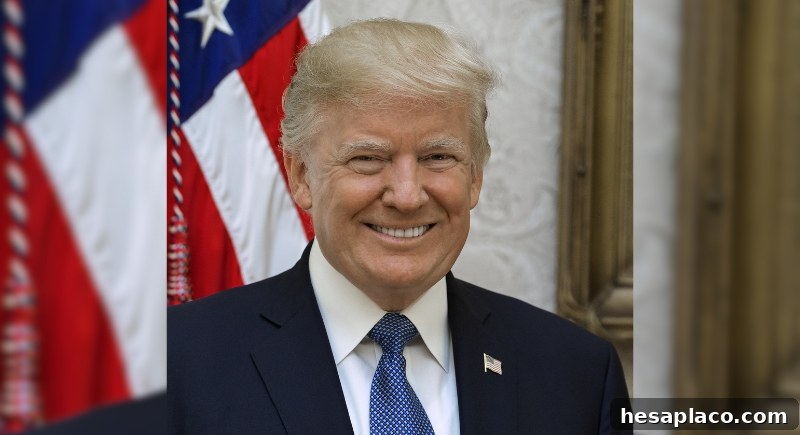
Credit: Wikimedia Commons
Before entering politics full time, Donald Trump developed a high-profile real estate and branding business. He expanded the family firm into major New York City projects and leveraged media exposure—most notably as host and executive producer of The Apprentice—to become a public figure. His business-first persona and rhetoric about deal-making and economic growth were central themes during his presidential campaigns and terms in office, shaping both policy priorities and governing style.
Benjamin Franklin
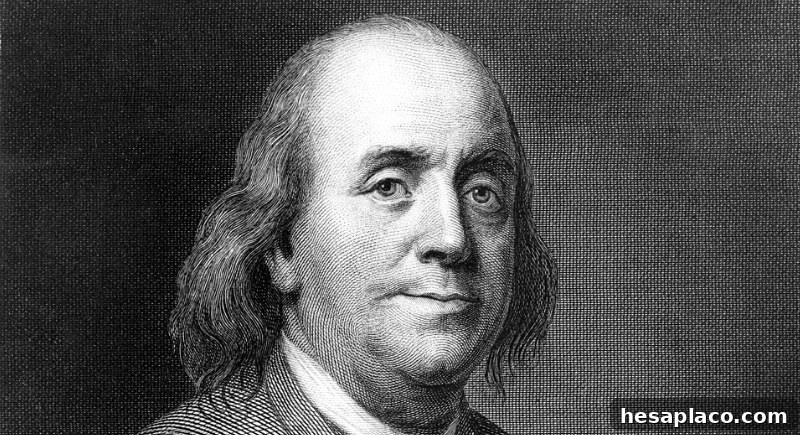
Credit: Wikimedia Commons
Benjamin Franklin made his name and wealth as a printer and publisher in Philadelphia. He launched the Pennsylvania Gazette and later published the widely read Poor Richard’s Almanack. Financial independence allowed Franklin to pursue civic, scientific, and diplomatic work: he played a central role at the Constitutional Convention and served as ambassador to France. His grounding in commerce and communication helped shape his pragmatic approach to public service and diplomacy.
Michael Bloomberg
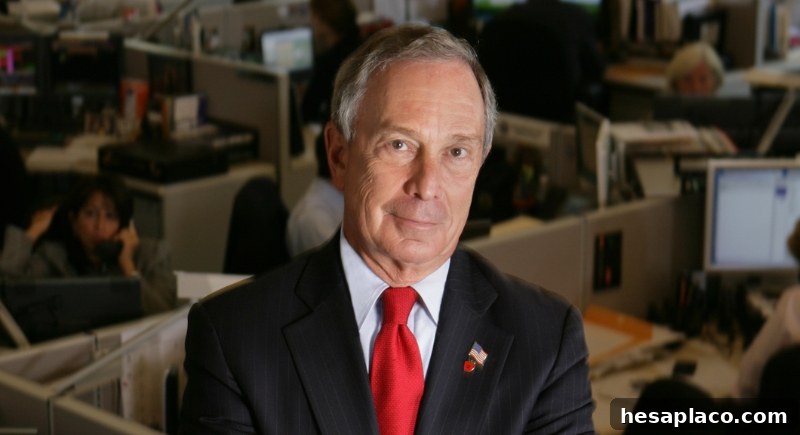
Credit: Wikimedia Commons
Michael Bloomberg parlayed severance from Salomon Brothers into Bloomberg LP, a company that delivers real-time financial data and news to global markets. Building a large, metrics-driven enterprise influenced his governing philosophy when he became mayor of New York City in 2002. Over three terms he emphasized data-driven decision making, budgetary discipline, public health regulations, and public safety initiatives—policies that reflected his private-sector focus on measurement, efficiency, and managerial control.
Warren G. Harding
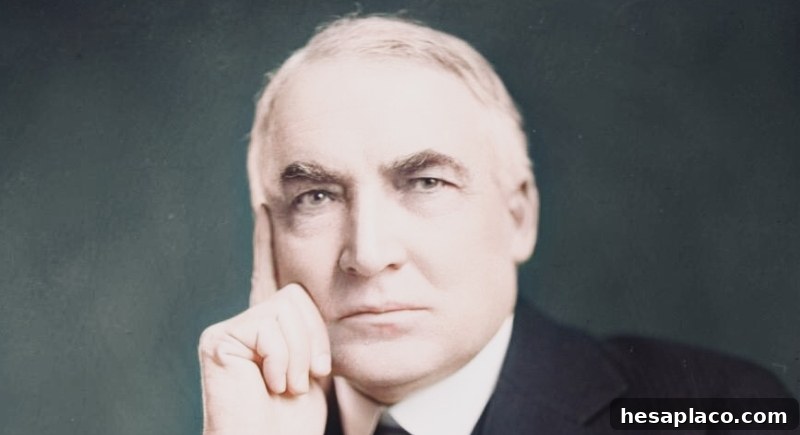
Credit: Wikimedia Commons
Warren G. Harding purchased the Marion Star newspaper at age 21 and turned the struggling paper into a profitable enterprise. His success in journalism gave him public visibility and developed skills in communication and organization that later aided his political rise. Those abilities helped him secure the 1920 Republican presidential nomination and eventually the presidency, where his leadership style reflected the influence of his business and media background.
George H.W. Bush
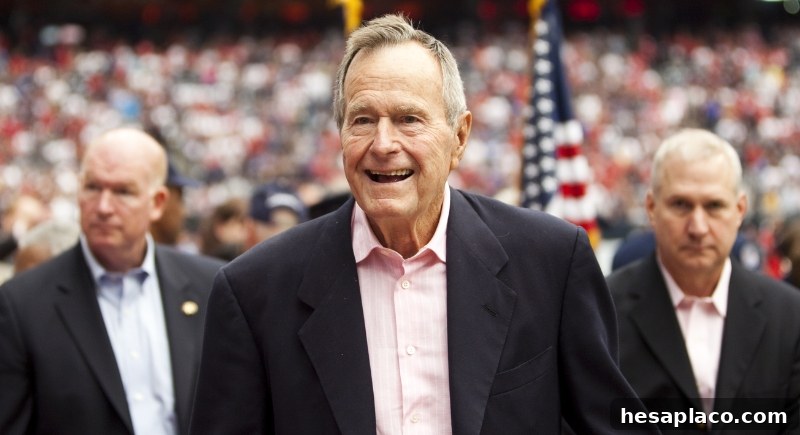
Credit: Wikimedia Commons
After graduating from Yale in 1948, George H.W. Bush entered the Texas oil business, working for an equipment company before co-founding an oil exploration firm and later forming Zapata Petroleum through a merger. His experience raising capital, managing operations, and navigating the energy sector informed a pragmatic, business-oriented approach to public policy. While his private-sector success contributed to political credibility, critics pointed out that corporate leadership does not always translate directly to public budgeting and social policy decisions.
Bob Corker
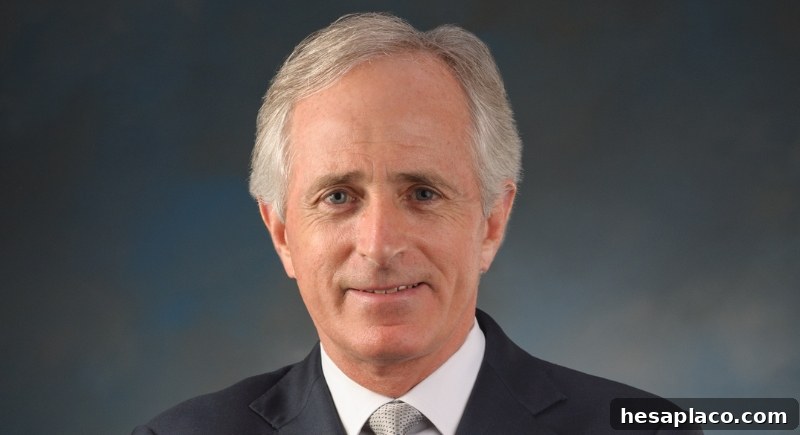
Credit: Wikimedia Commons
Bob Corker worked as a construction superintendent and used savings to launch Bencor, a construction company that expanded into multiple states. His business success laid the groundwork for public service: he later served as Tennessee’s Commissioner of Finance and Administration and, from 2007 to 2019, as a U.S. Senator. Corker’s background in operations and finance influenced his policy interests and his emphasis on fiscal and administrative matters.
Mitt Romney
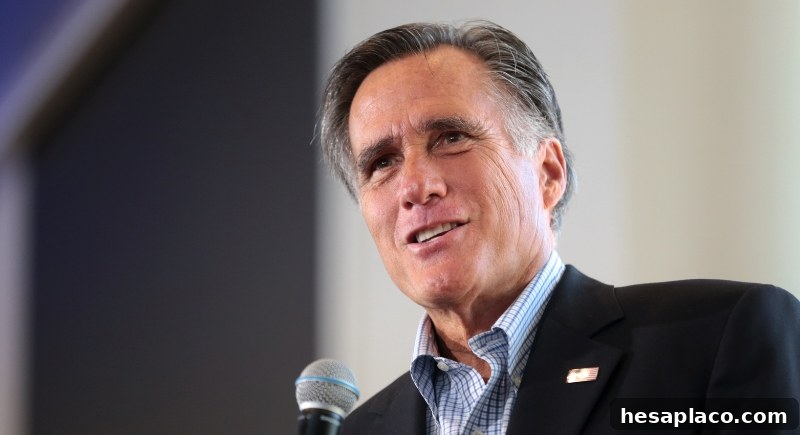
Credit: Wikimedia Commons
Mitt Romney rebuilt Bain & Company and then co-founded Bain Capital, a private equity firm that made him wealthy and established his reputation as a turnaround specialist. His tenure as governor of Massachusetts emphasized balanced budgets and fiscal management. Romney’s private-equity background shaped his governance approach, including an emphasis on organizational restructuring and financial discipline—traits that carried into his later campaigns and his service as a U.S. Senator.
Darrell Issa
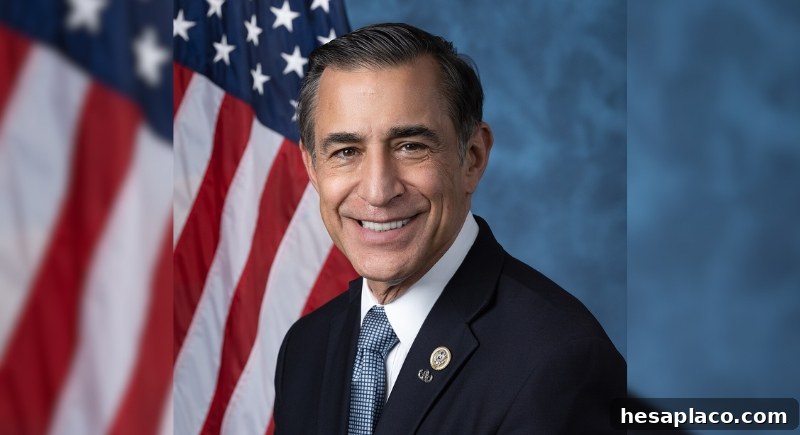
Credit: Wikimedia Commons
Darrell Issa founded Directed Electronics, the company behind the widely sold Viper car alarm system; he even recorded the system’s audible warning himself. The commercial success made him one of the wealthiest members of Congress and influenced his political persona—focused on entrepreneurship, self-reliance, and mobilizing supporters. His entrepreneurial skills translated into a political knack for organization and fundraising, as seen in high-profile campaigns such as the recall effort in California in 2003.
Herbert Hoover
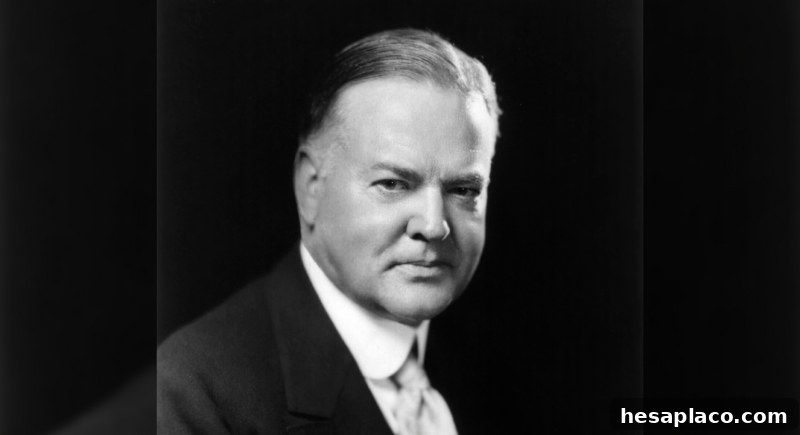
Credit: Wikimedia Commons
Herbert Hoover made his early career in mining engineering and management, turning around struggling operations and building a reputation for logistical skill. That expertise in organizing complex enterprises propelled him into humanitarian work—most notably organizing food relief during World War I—and later into political leadership. As president beginning in 1929, Hoover confronted the onset of the Great Depression; his prior managerial record and humanitarian achievements contrasted sharply with the public’s perception of his administration’s response to the crisis.
Mark Warner
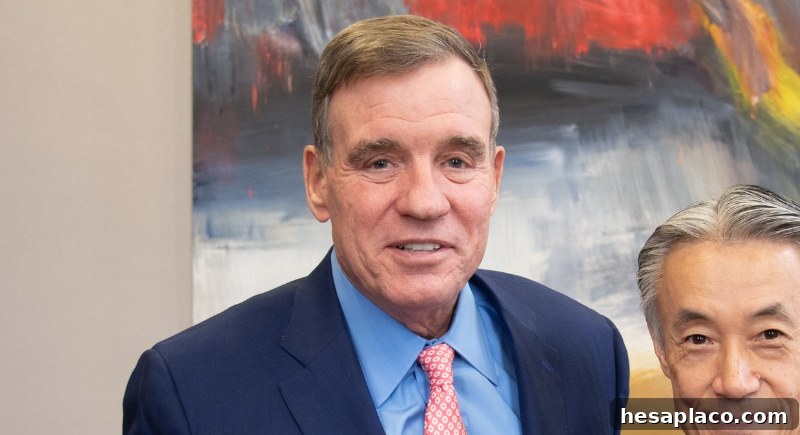
Credit: Wikimedia Commons
Mark Warner built substantial wealth in telecommunications and venture capital, co-founding companies that invested in emerging technology. His business background informed a public image focused on job creation, economic development, and pragmatic governance. As governor of Virginia he championed business-friendly policies to stimulate growth; since 2009 he has served in the U.S. Senate, where his experience in private enterprise has contributed to a reputation for bipartisan negotiation and a focus on economic and technology issues.